Why Syros
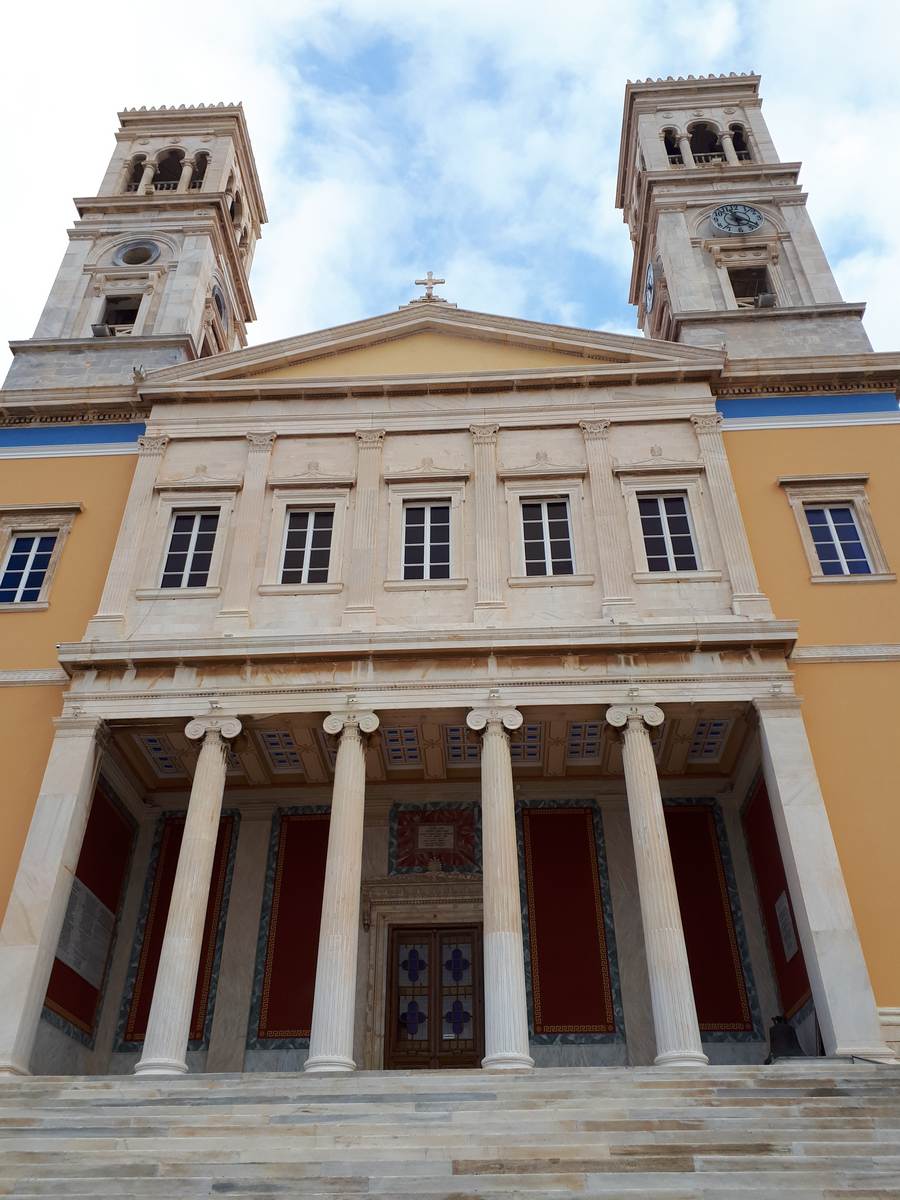
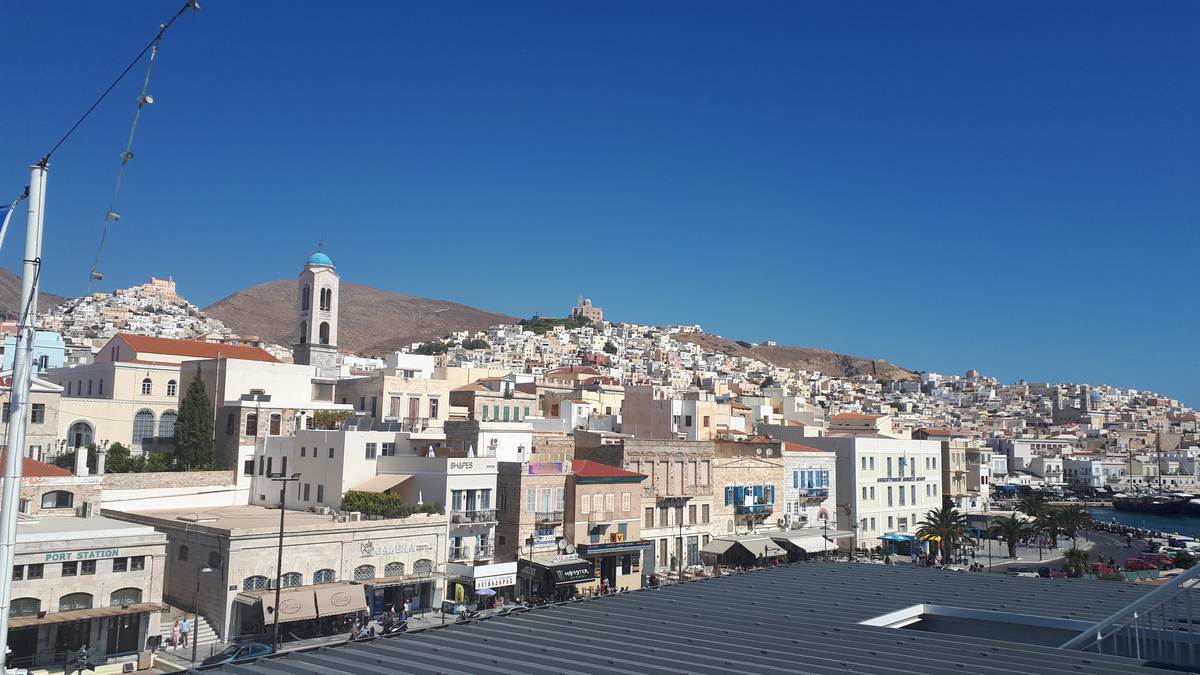
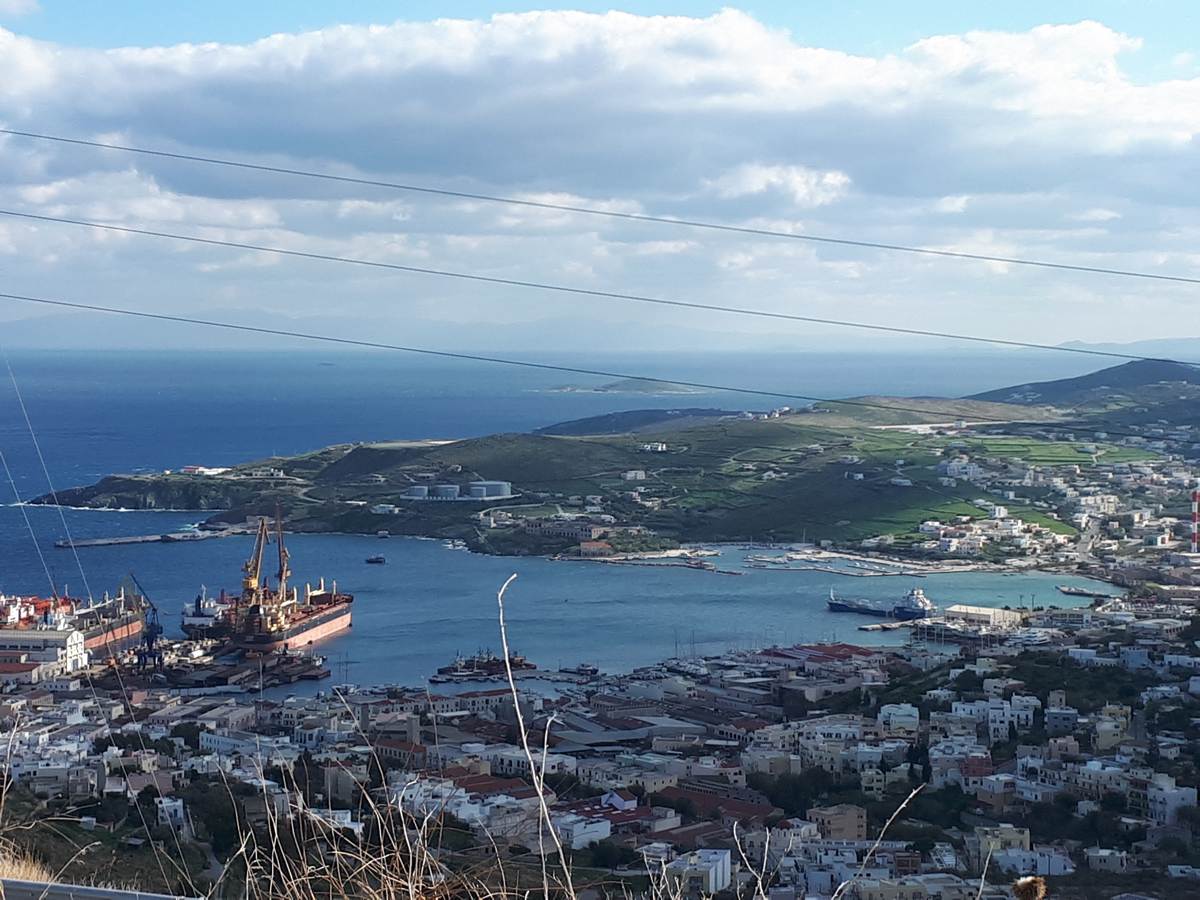
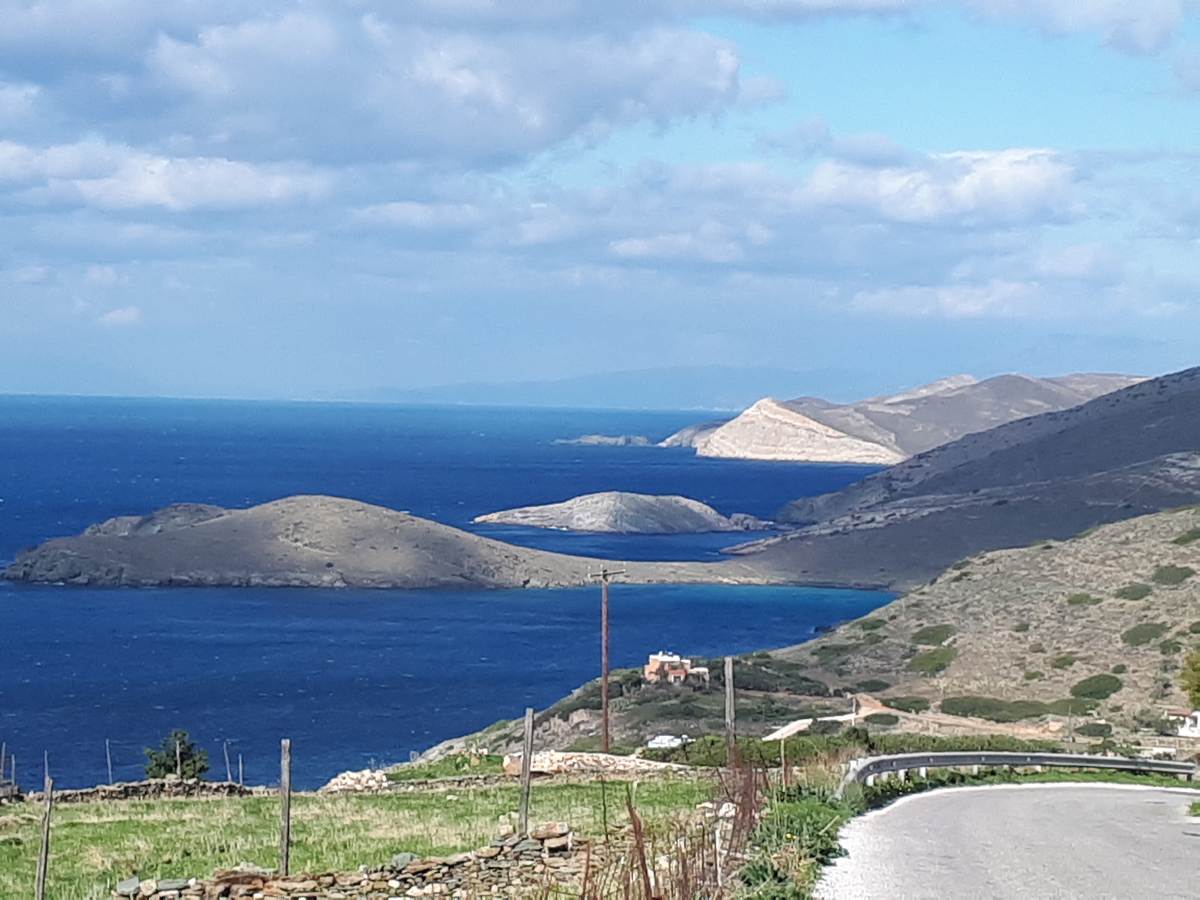
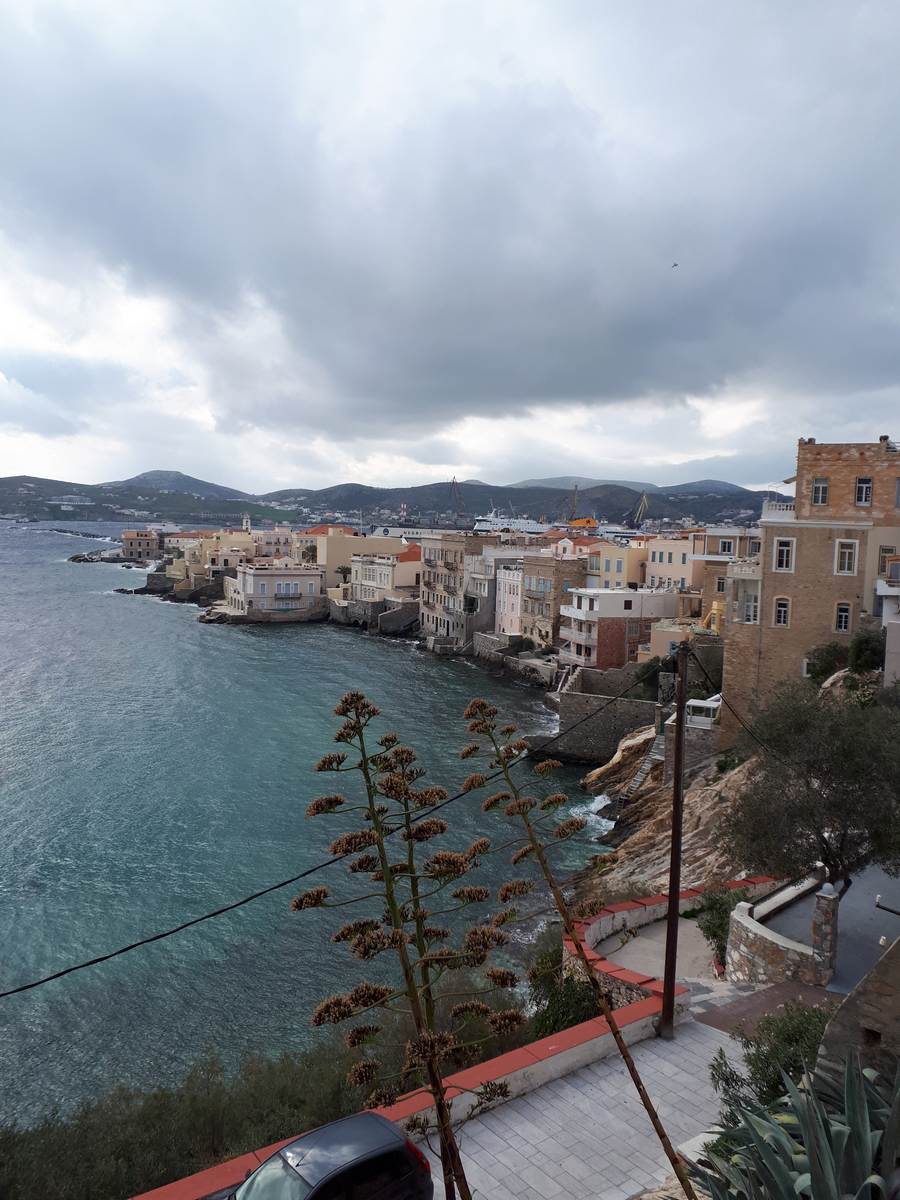
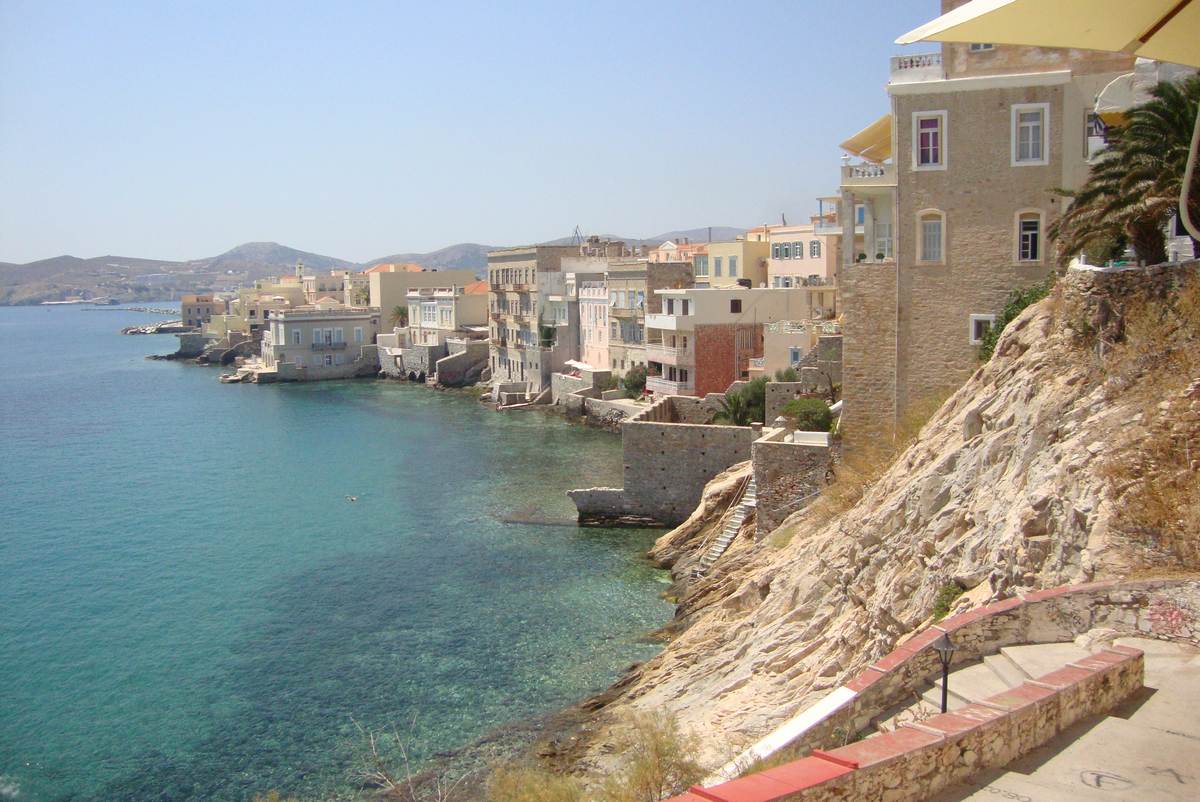
There are islands in the Aegean that surprise you not with their natural beauty — though Syros has that too — but with their urbanity, their cultural depth, and the sheer unexpectedness of what they turn out to contain. Syros is the supreme example of this particular kind of island surprise. The capital of the Cyclades administrative region and historically the most important island in the entire archipelago, Syros announces itself on the approach from the sea with one of the most extraordinary urban panoramas in the Greek world: the great neoclassical city of Ermoupoli climbing the hillside above its deep natural harbour in a sweeping theatre of elegant facades, church domes, and public buildings of genuine grandeur, crowned on one hill by the Catholic settlement of Ano Syros with its medieval lanes and its Jesuit and Capuchin churches, and on the other by the Orthodox church of the Resurrection whose blue dome is visible from miles out to sea. It is a cityscape that belongs, by rights, in the imagination of a much larger and more famous place. That it belongs instead to a Cycladic island of modest size and entirely genuine character is one of the most consistently delightful surprises the Greek islands have to offer.
Syros owes its extraordinary urban heritage to a remarkable moment in 19th-century Greek history. In the years following independence, Ermoupoli — founded in 1821 by refugees from across the Greek world — became the most important commercial port in the newly formed Greek state, the centre of its shipping industry, its banking system, and its nascent industrial economy. The wealth generated by that commercial primacy was invested in the city with an ambition and a taste that produced one of the finest concentrations of neoclassical architecture in the entire eastern Mediterranean — grand public buildings, opera houses, merchants’ mansions, and civic spaces of a quality and scale that Athens itself could not match at the time. The city that resulted from that extraordinary moment of prosperity and civic ambition is still largely intact today, and walking its marble streets and grand squares is to move through a vision of 19th-century Greek urban life of quite exceptional completeness and beauty.
And yet Syros is also, entirely on its own terms, a living island with a genuine contemporary character — a place where people actually live and work and take pride in their extraordinary built environment, where the oldest and still-functioning Apollo Theatre presents opera and drama in a setting of intimate neoclassical splendour, where the local loukoumades and halvas have been made by the same families for generations, and where the evening volta along the marble waterfront of Ermoupoli is one of the most civilised and most pleasurable urban rituals in the Greek world. Syros is not a museum island. It is a real city on an island, and the combination of that urban vitality with the surrounding Aegean landscape gives it a character unlike any other destination in the Cyclades.
What to Do and What to See
Syros rewards the visitor who moves between its different pleasures with genuine curiosity — between the architectural grandeur of Ermoupoli and the medieval intimacy of Ano Syros, between the cultural richness of its museums and opera house and the natural beauty of its coastline and beaches, between the pleasures of an excellent urban restaurant and the simplicity of a freshly grilled fish at a harbour taverna in one of its quieter coastal villages.
Ermoupoli — The Neoclassical City
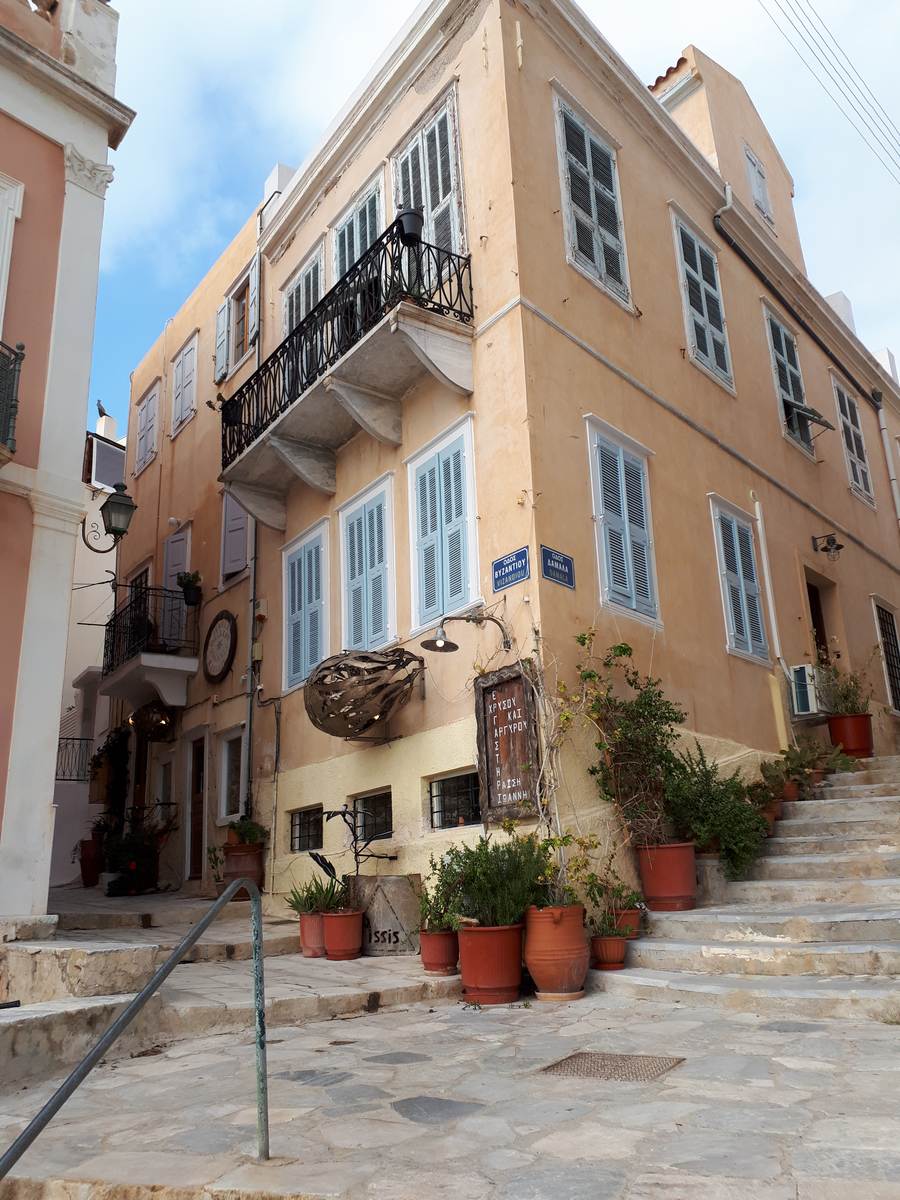
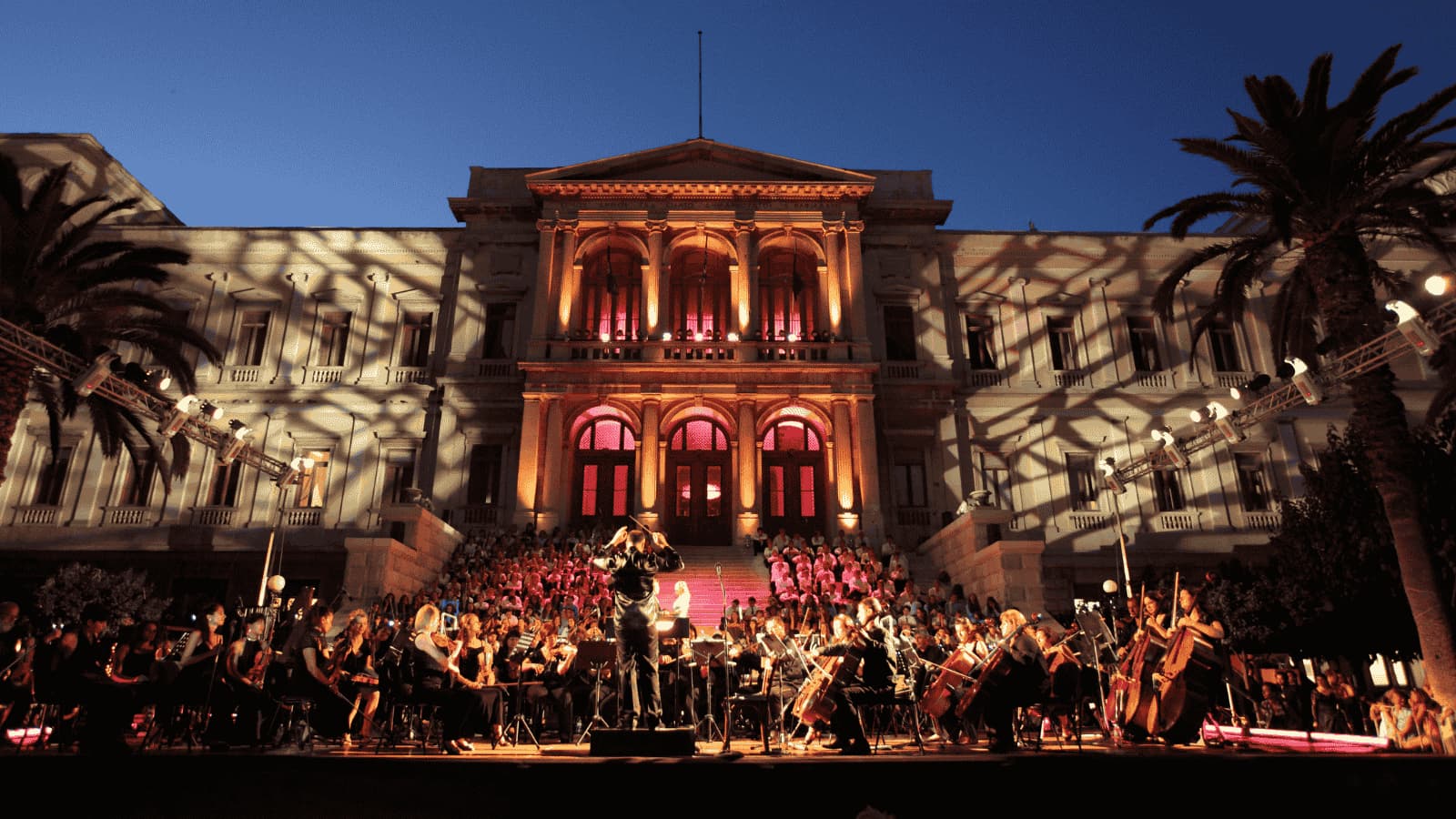
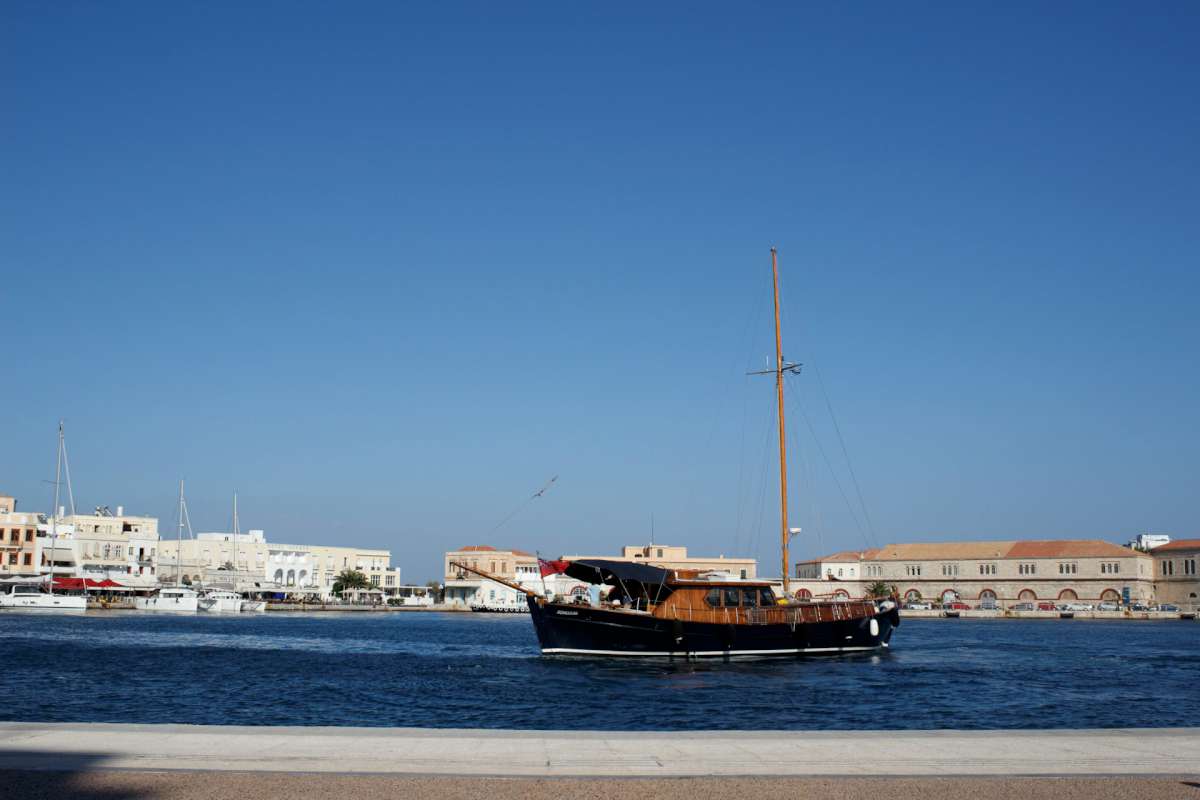
The city of Ermoupoli is the primary experience of Syros and one of the finest urban environments in the entire Greek island world. Its centrepiece is Miaouli Square — the grandest public square in the Cyclades, paved in marble and framed by the neoclassical Town Hall, the Archaeological Museum, and the elegant facades of the surrounding buildings, its central space shaded by palm trees and animated at all hours by the social life of a genuine city rather than a resort. Behind the square, the city extends in a network of marble-paved streets lined with neoclassical merchants’ mansions of considerable architectural quality — many of them still in private residential use, their ground floors occupied by excellent cafés, jewellers, bookshops, and the kind of small, well-stocked shops that speak of a community with its own tastes and its own purchasing habits. The harbour front below, lined with the offices of shipping companies and the tavernas whose outdoor tables look directly onto the water and the yachts anchored in the bay, is one of the most pleasant waterfront promenades in the Cyclades.
The Apollo Theatre
Housed in a purpose-built neoclassical building on the edge of Miaouli Square, the Apollo Theatre of Ermoupoli is modelled on La Scala in Milan — a claim that sounds improbable until you step inside and encounter a perfectly proportioned opera house of four tiers, its interior decorated in red velvet and gold, its acoustics of professional quality, its capacity of 300 creating an atmosphere of remarkable intimacy for operatic and theatrical performance. Built in 1864 and recently restored to its full original splendour, the Apollo is the oldest municipal theatre in Greece and one of the most beautiful small opera houses in the Mediterranean. Its summer programme of opera, classical music, and theatrical performance draws audiences from across the Cyclades and beyond, and attending a performance here — in a theatre of this quality, in a Cycladic island city of this beauty, on a warm summer evening — is one of the most completely civilised pleasures the Greek islands have to offer.
Ano Syros — The Medieval Catholic Settlement
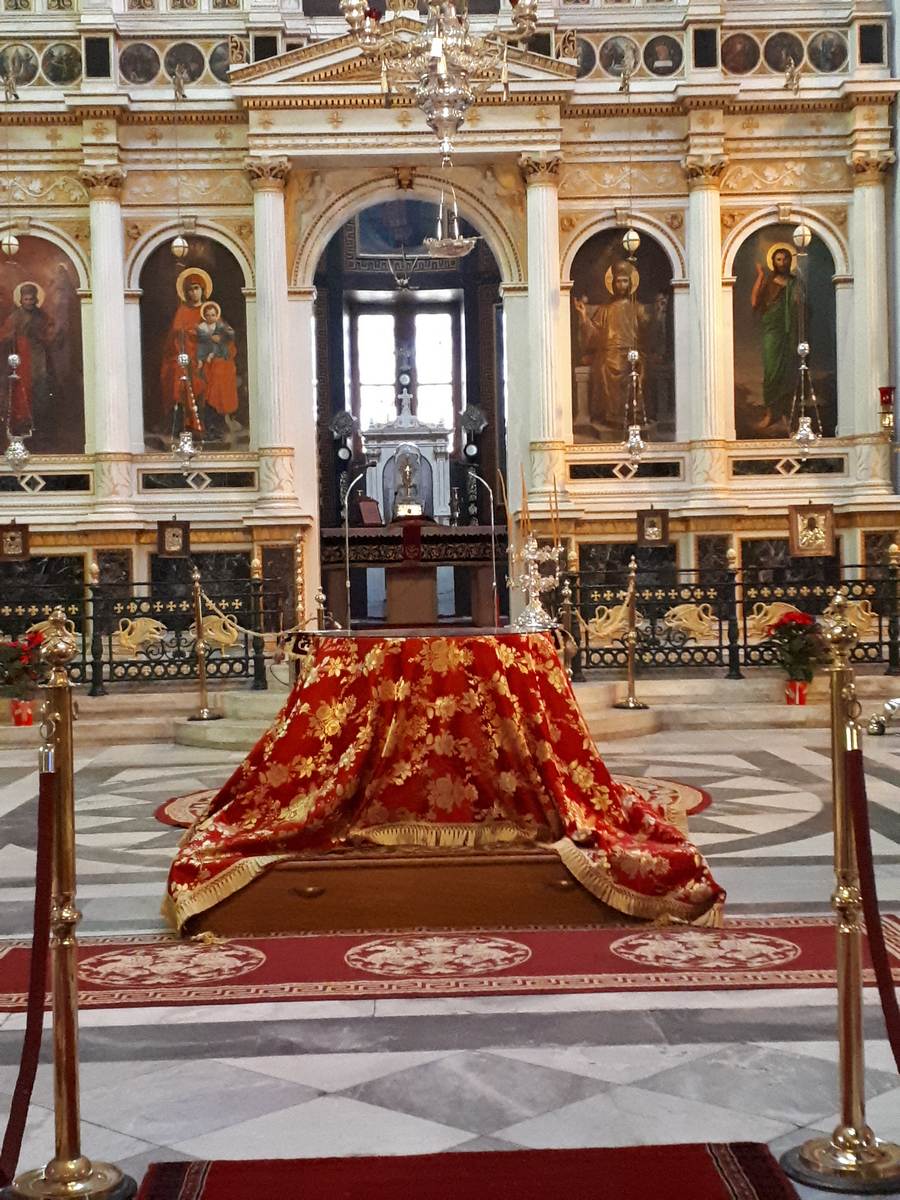
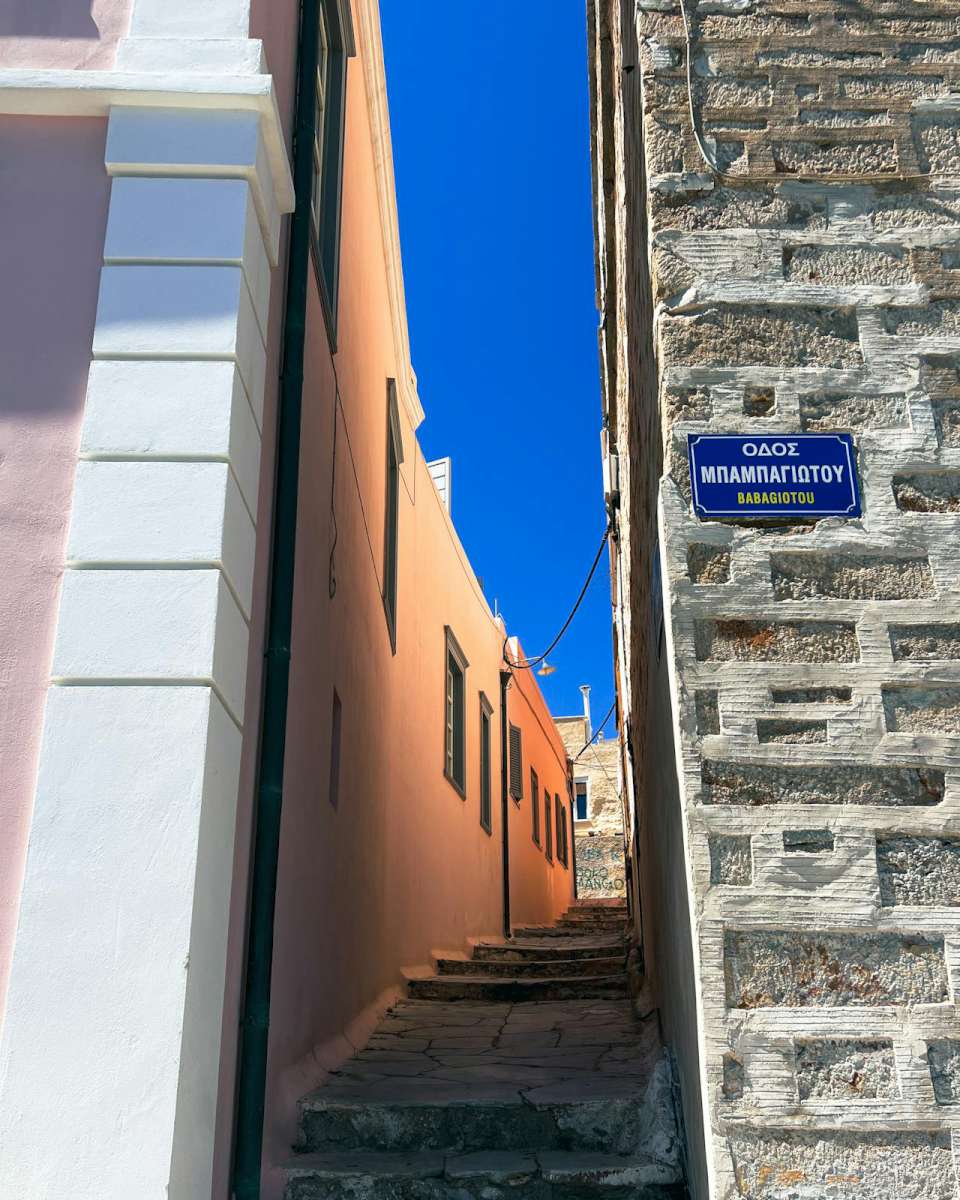
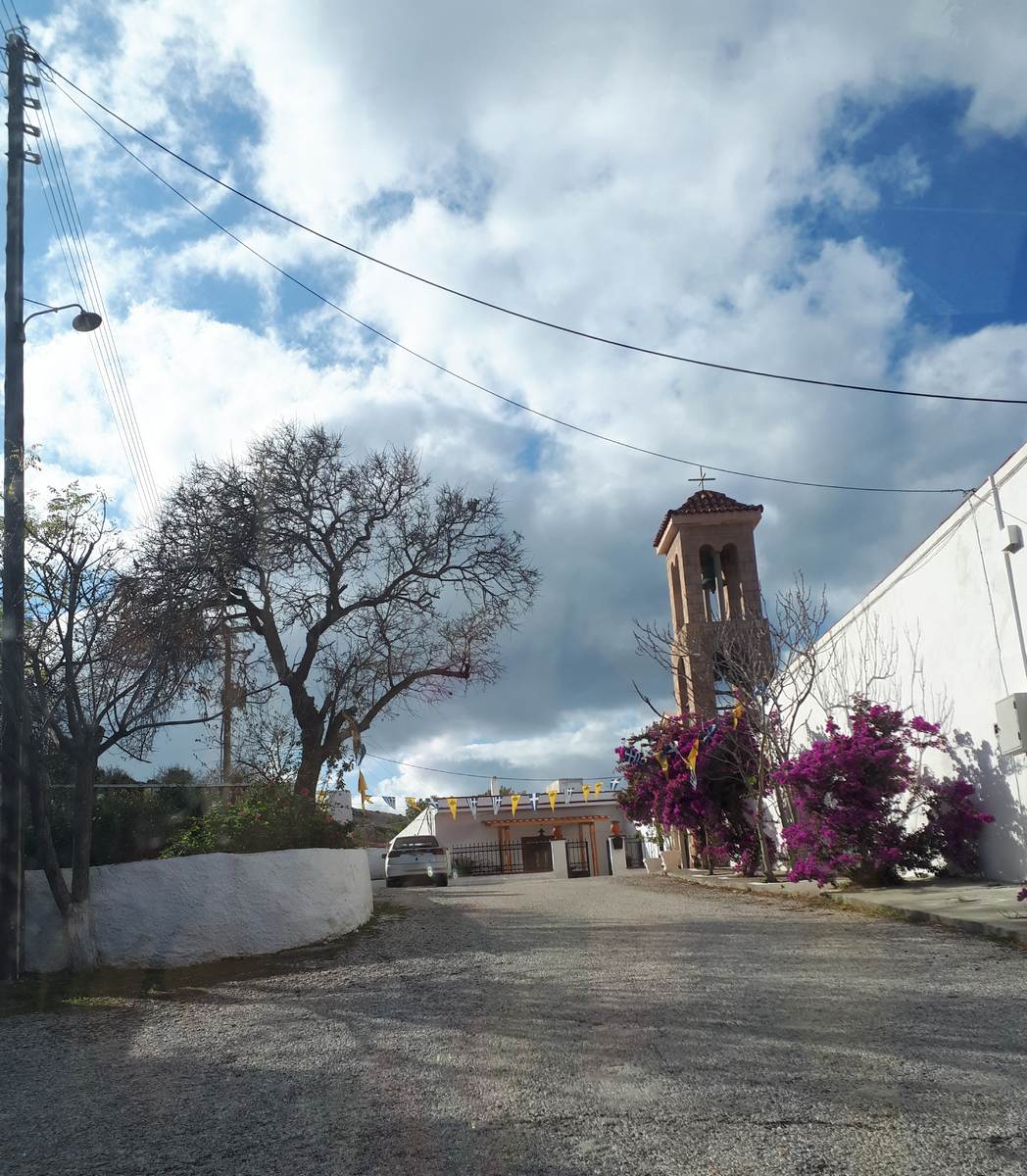
On the hill above Ermoupoli, the medieval settlement of Ano Syros is an entirely different world from the neoclassical grandeur of the city below — a dense, labyrinthine village of narrow lanes, vaulted passages, and medieval stone houses that has been continuously inhabited since the Venetian period and retains a character and an atmosphere of great antiquity and great intimacy. The Catholic community that has lived here since the Venetian occupation of the 13th century gives Ano Syros a dual religious identity unique in the Cyclades — Catholic and Orthodox churches stand within metres of each other, and the feast days and processions of both traditions animate the village with a frequency and a variety of religious observance that speaks of centuries of coexistence and mutual accommodation. The views from the summit of Ano Syros over Ermoupoli below, the harbour, and the surrounding Cyclades are magnificent, and the descent through the medieval lanes in the golden light of the late afternoon is one of the most atmospheric walks in the island world.
The Industrial Museum of Hermoupolis
In the former industrial quarter of Ermoupoli, the Industrial Museum of Hermoupolis occupies a beautifully restored 19th-century factory building and houses one of the finest collections of industrial heritage in Greece — a testimony to the extraordinary period of commercial and industrial activity that made Syros the economic capital of the young Greek state. The museum’s collection of machinery, ship models, commercial documents, and material culture from the island’s industrial peak provides a remarkably vivid portrait of 19th-century Greek economic life and of the ambition and energy of the Ermoupoli merchant class that drove it. For those interested in Greek history beyond the classical and Byzantine, the museum is one of the most rewarding and least expected cultural experiences available in the Cyclades.
The Beaches
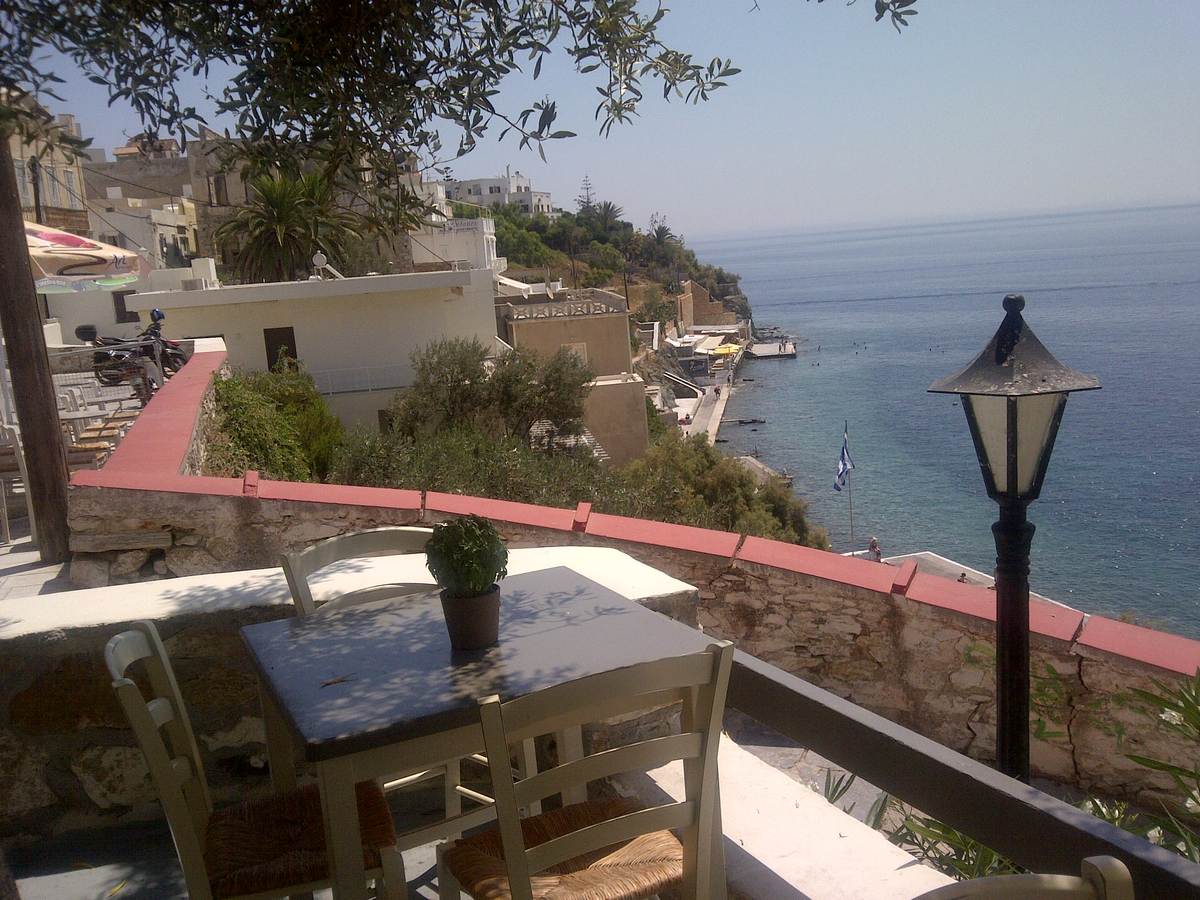
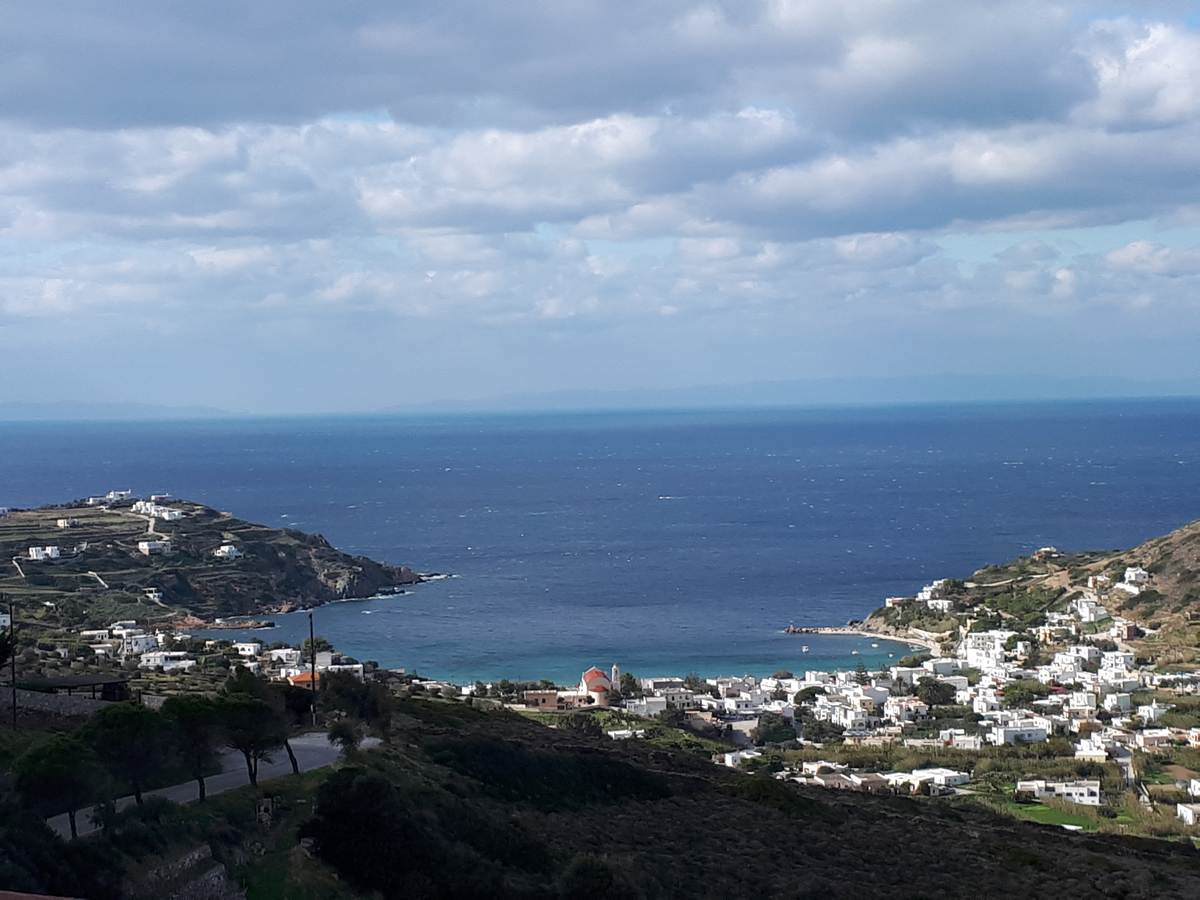
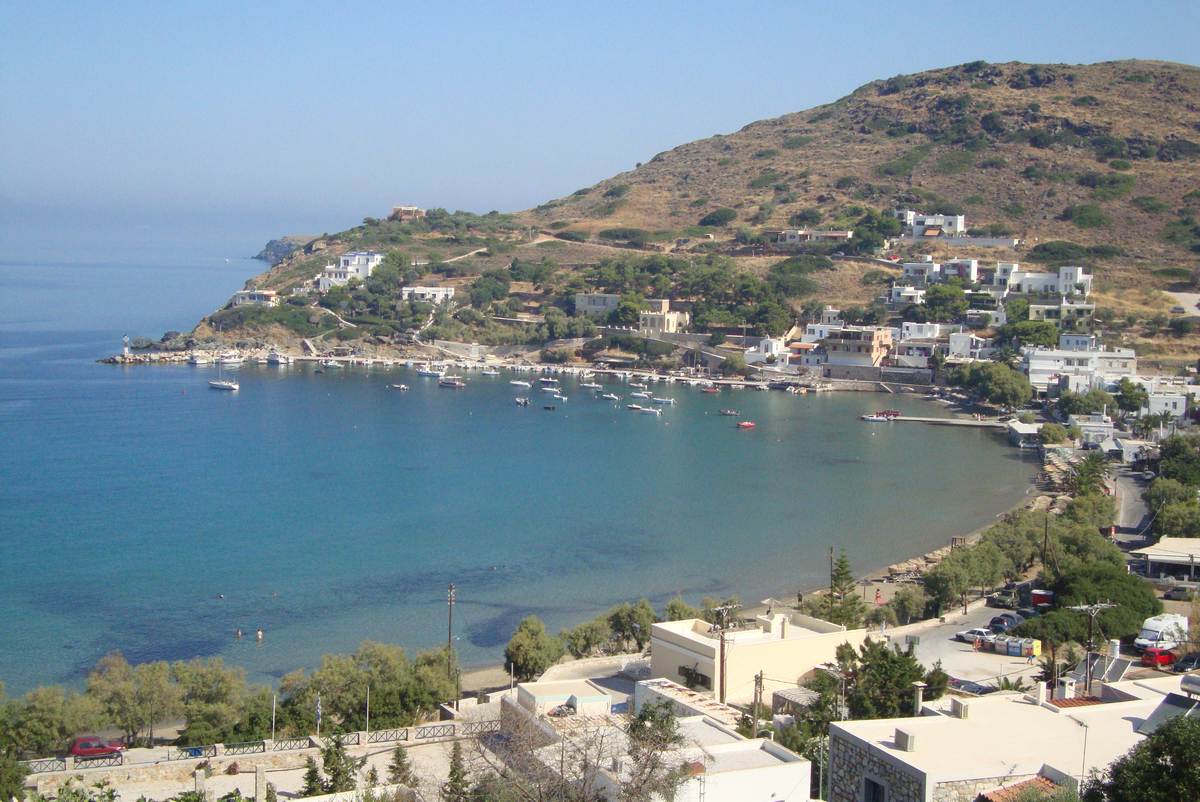
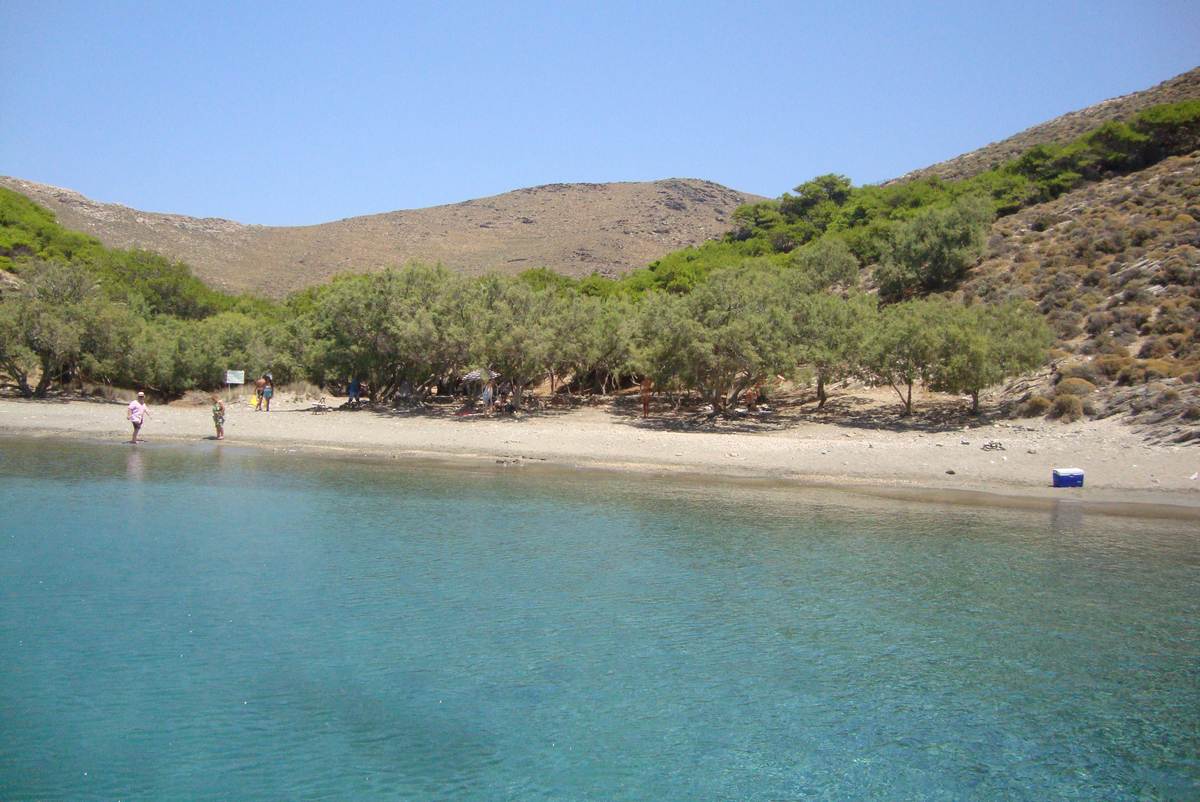
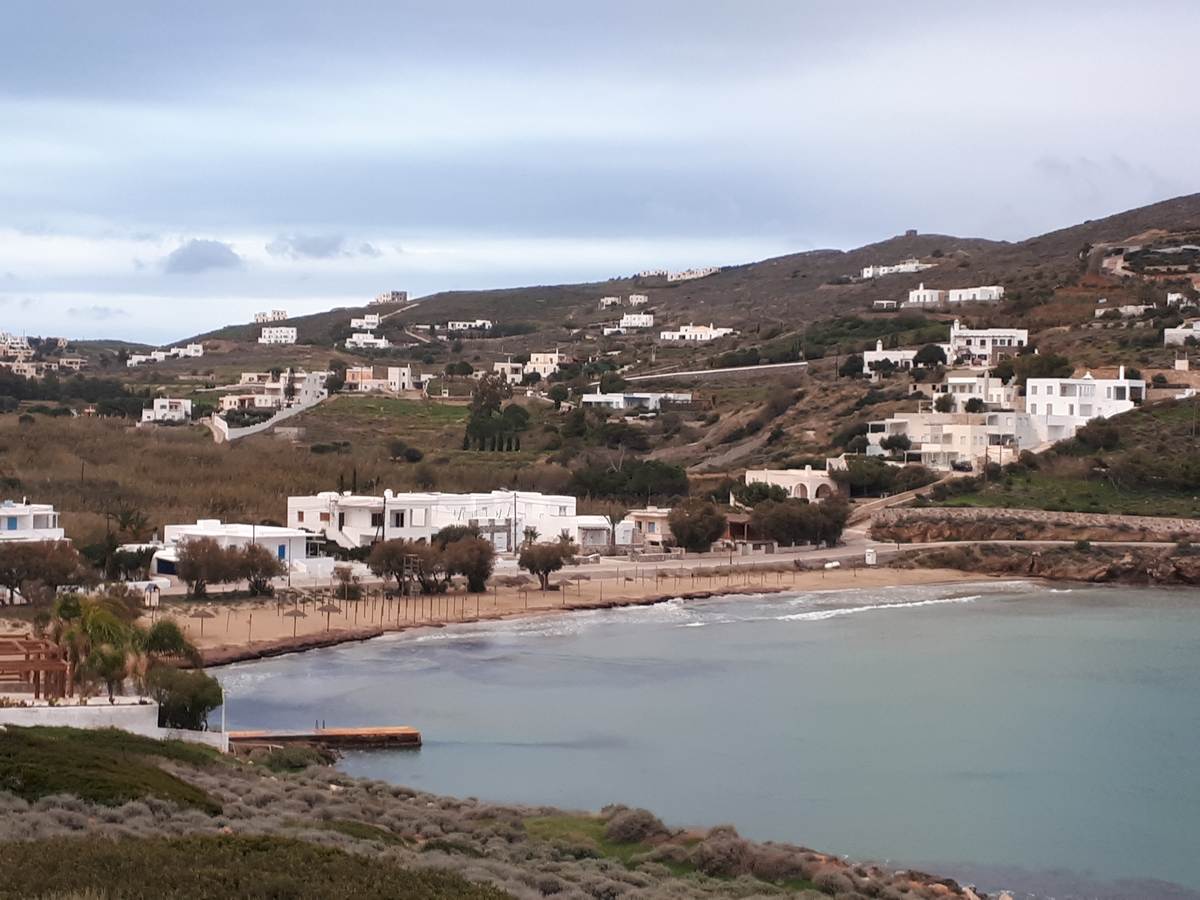
Syros has a coastline of considerable variety, with beaches distributed across both the eastern and western shores of the island and offering a range of character from the organised and accessible to the quieter and more remote. Galissas, on the western coast, is the island’s most popular and most complete beach resort — a wide sandy bay of calm, clear water with a full complement of facilities and a pleasant village behind it. Kini, further north on the same coast, is a smaller and more intimate bay with excellent tavernas on the waterfront and a relaxed, genuinely local atmosphere. Megas Gialos and Poseidonia on the southeastern coast offer calmer, more sheltered swimming with the dramatic backdrop of the island’s hills behind. For those arriving by yacht, the approach to Galissas from the sea on a calm morning — the wide bay opening before you, the hills green above and the village white against them — is one of the more pleasurable coastal approaches on the island.
The Food of Syros
Syros has one of the most distinctive and most celebrated food cultures in the Cyclades — an island kitchen that combines the agricultural produce of its terraced hillsides with a confectionery tradition of considerable refinement and a seafood heritage of great quality. The island’s loukoumades — honey-soaked doughnuts made to a recipe unchanged for generations — are considered among the finest in Greece. The halvadopites and nougat produced by the island’s traditional confectioners have been sold in the same shops on the same streets of Ermoupoli for over a century. And the fresh seafood served at the harbour tavernas of Kini, Galissas, and the Ermoupoli waterfront — calamari, grilled fish, steamed mussels — is of the quality one expects from an island whose fishing tradition is as old as its maritime commerce. Eating well on Syros requires no effort and no research. It requires only the willingness to sit down, to order what the kitchen recommends, and to let the island feed you as it has been feeding its visitors for two hundred years.
Why Choose Syros
Syros is the island for the traveller who wants the Cyclades to offer more than beaches and sunsets — who wants urban culture, architectural distinction, musical performance, culinary tradition, and the particular pleasure of a city that takes its own identity and its own built heritage seriously and maintains both with evident pride and evident skill. It is an island for those who find that a day of swimming and wandering is enriched rather than diminished by the presence of a great opera house, a grand marble square, and a medieval hilltop village visible from the harbour — an island where the pleasures of the sea and the pleasures of the city are not alternatives but complements, available in whatever combination the day suggests.
For sailing itineraries in the central Cyclades, Syros occupies a position of unrivalled practical and strategic convenience — the largest and best-equipped harbour in the island group, a natural provisioning stop, a place where weather can be waited out in comfort and civilisation, and where the time spent waiting for the meltemi to moderate is passed in surroundings of genuine quality and genuine interest. But Syros deserves more than a provisioning stop. It deserves two or three days at minimum — time enough to walk the neoclassical city, climb to Ano Syros, attend an evening at the Apollo Theatre, and eat well enough and often enough to understand why the people who know it best regard it as the most complete and most civilised island in the Cyclades.
What Syros ultimately offers — and what no other island in the Cyclades offers in quite the same combination or quite the same measure — is the experience of a place where the full inheritance of Greek civilisation in the modern era is present and intact: the maritime tradition and the commercial ambition, the civic pride and the architectural aspiration, the religious complexity and the cultural richness, and the natural beauty of an Aegean island setting that frames all of it in light and water and the particular, irreplaceable quality of a Cycladic afternoon. That combination, in Syros, is complete.