Why Rhodes
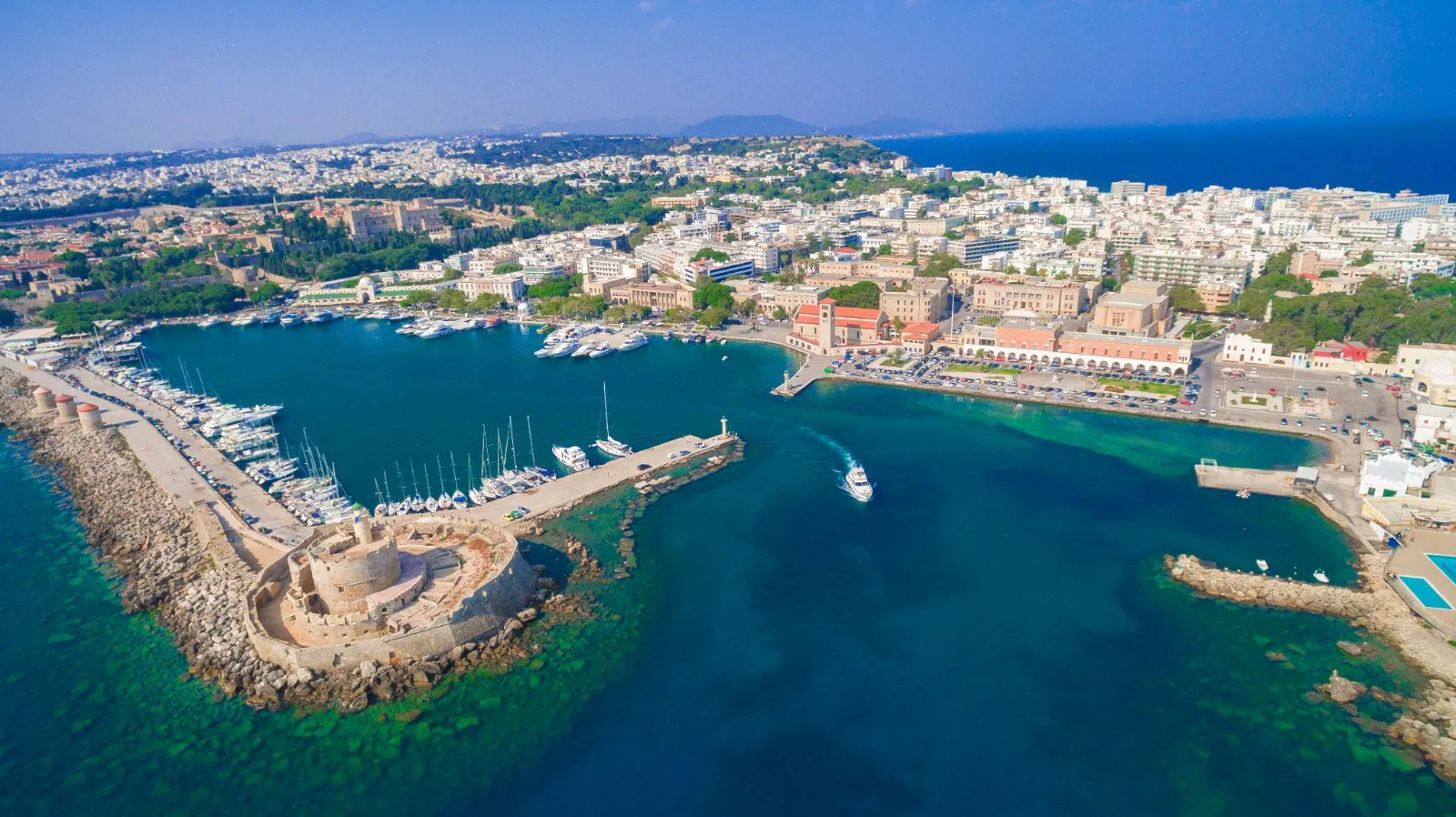
From the very first moment your yacht glides into Mandraki Harbour and the ancient stone walls of the Old Town rise before you, Rhodes announces itself as something entirely different. This is an island that carries the weight of millennia on its sun-drenched shoulders — a place where Hellenistic grandeur, medieval chivalry, and the unhurried pace of the Aegean all coexist in extraordinary harmony. The great bronze Colossus once stood watch here, one of the Seven Wonders of the Ancient World, and even in its absence, you feel the magnificence of what this island has always inspired.
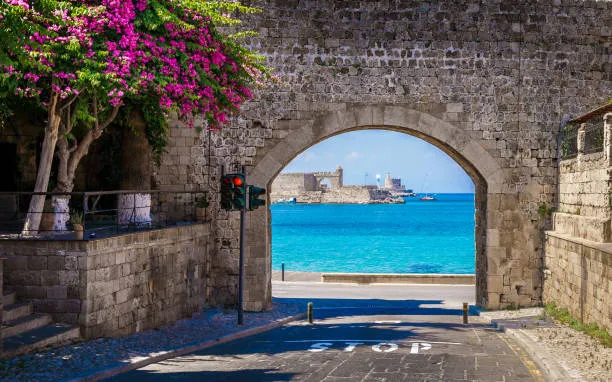
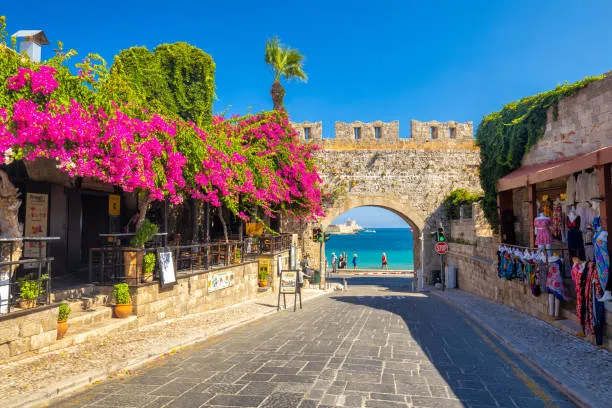
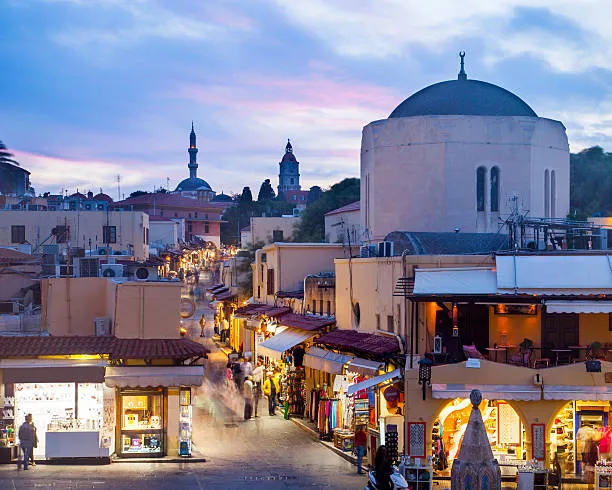
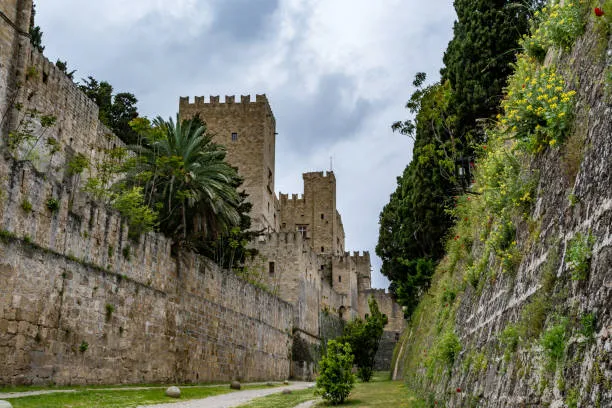
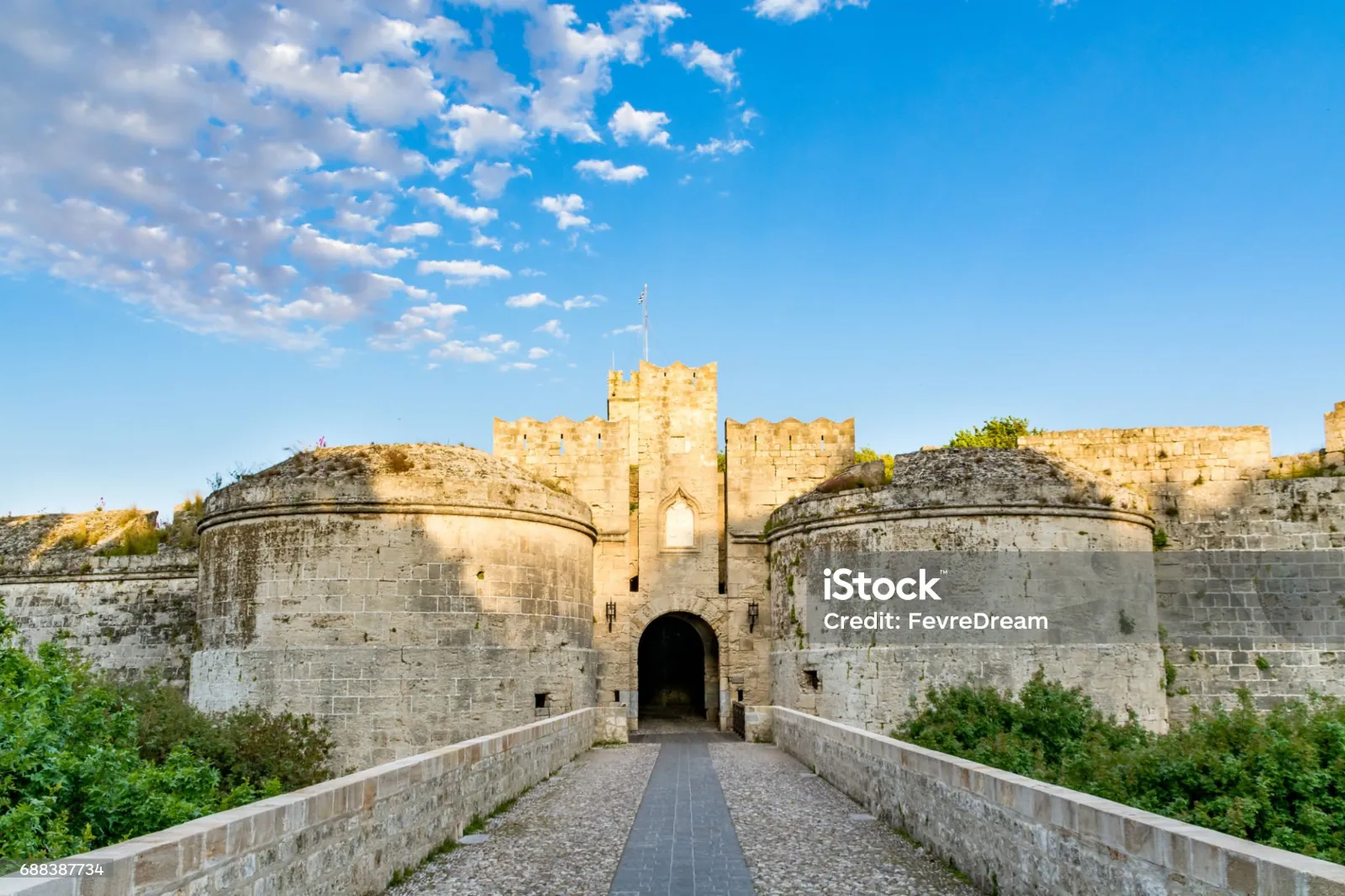
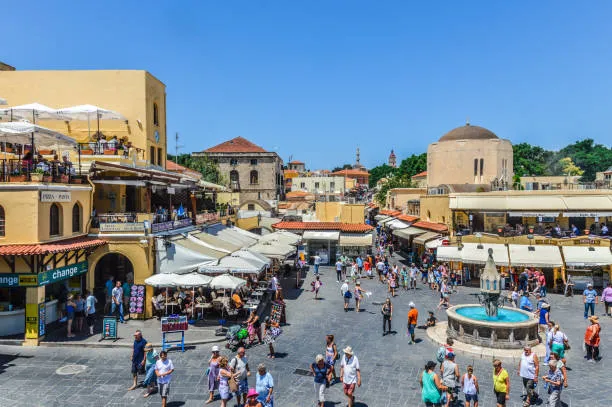
Rhodes is the largest of the Dodecanese islands, stretching some 78 kilometres from tip to tip, and yet for all its scale it never feels overwhelming. The northern capital buzzes with cosmopolitan energy — a warren of cobblestone lanes enclosed within four kilometres of medieval walls, flanked by blue-domed mosques and Gothic archways alike — while the southern half of the island retreats into rolling hills, quiet vineyards, and stretches of untouched coastline where the Aegean meets the Mediterranean in a single shimmering horizon. Arriving by sea, as every great traveller once did, you understand immediately why Rhodes has been coveted by every civilisation that ever sailed these waters.
The island’s light is legendary in the Greek world. With over three hundred days of sunshine a year, Rhodes earned its ancient name as the sacred island of Helios, the sun god himself. That brilliance saturates everything — the honey-coloured stone of the Palace of the Grand Master, the turquoise waters of Tsambika Bay, the whitewashed terraces of Lindos tumbling down toward a sea of impossible blue. To sail into Rhodes is to step into a living canvas, where the colours are always more vivid and the air always more fragrant than you expected. This is an island that rewards slow, unhurried discovery — and there is no finer way to discover it than from the deck of a yacht.
What to Do and What to See
Rhodes layers its wonders generously — from the extraordinary medieval architecture of its capital to secluded beaches only reachable by sea, and from ancient Hellenistic ruins perched on clifftops to lush inland valleys alive with butterflies and birdsong. A yacht gives you the rare advantage of approaching this island the way its greatest visitors always have: from the water, on your own terms, and free to linger wherever the light falls most beautifully.
The island divides naturally into three worlds that beg to be explored. Rhodes Town in the north is the cultural and historical heartland, a place you could spend days wandering without retracing your steps. The east coast offers the most celebrated beaches and the iconic village of Lindos, while the quieter west and southern reaches of the island reveal a wilder, more authentic Rhodes of pine forests, medieval castles, and traditional mountain villages barely touched by the tourist trail.
The Medieval Old Town
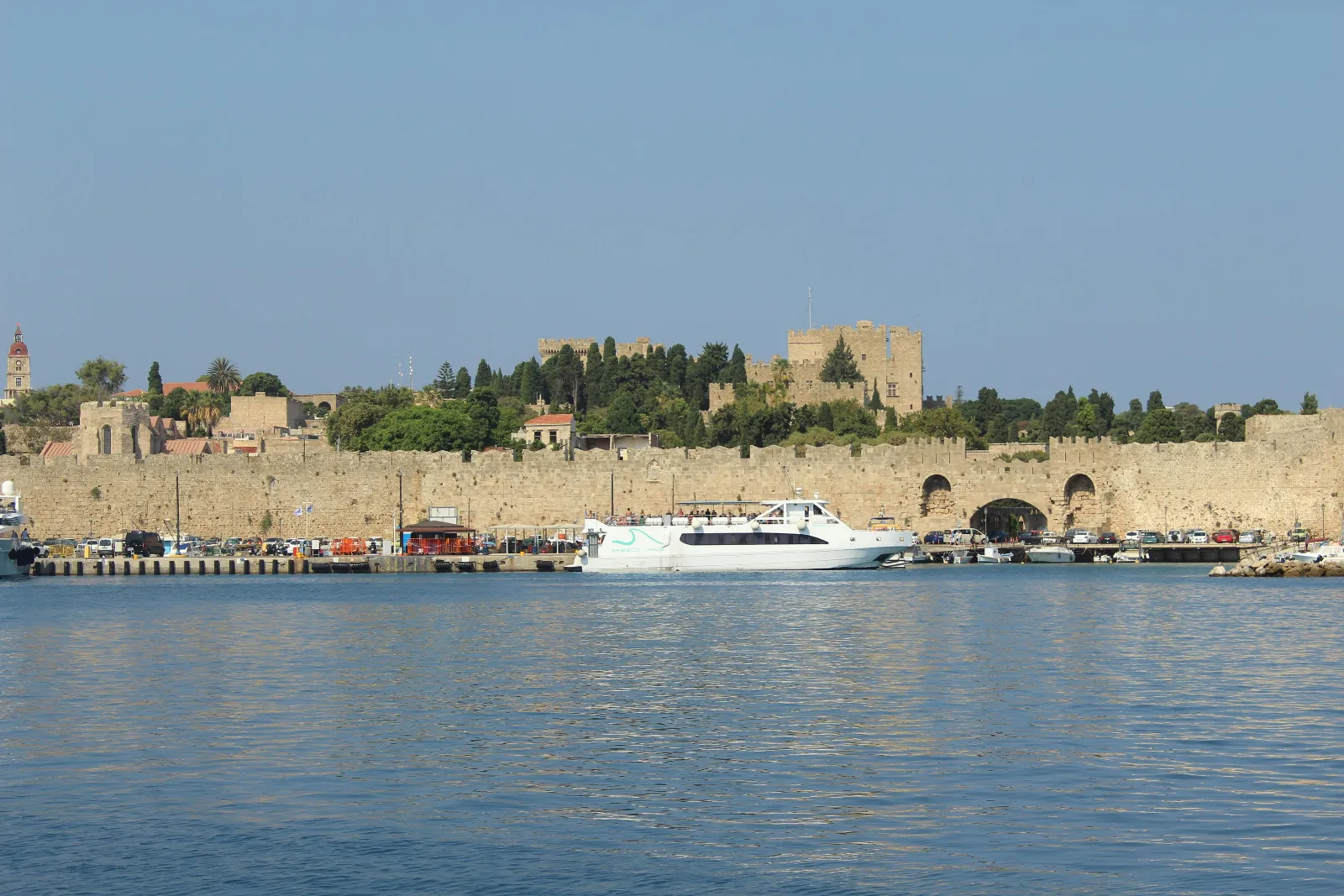
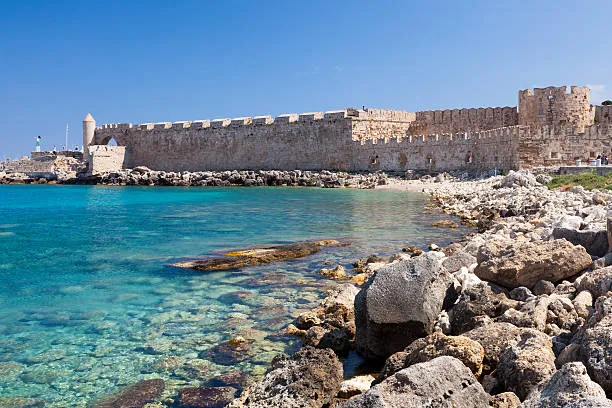
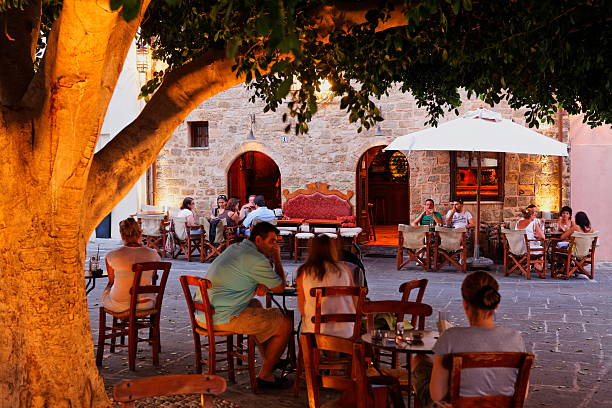
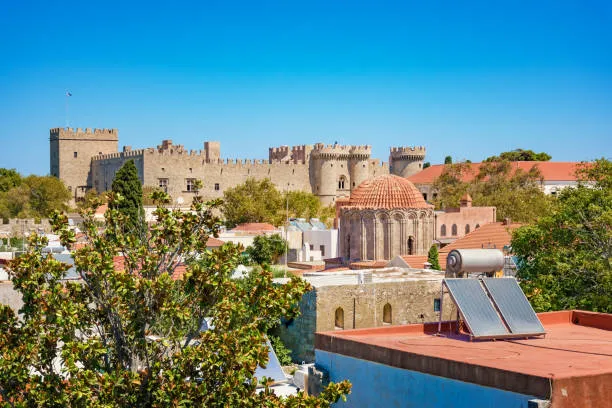
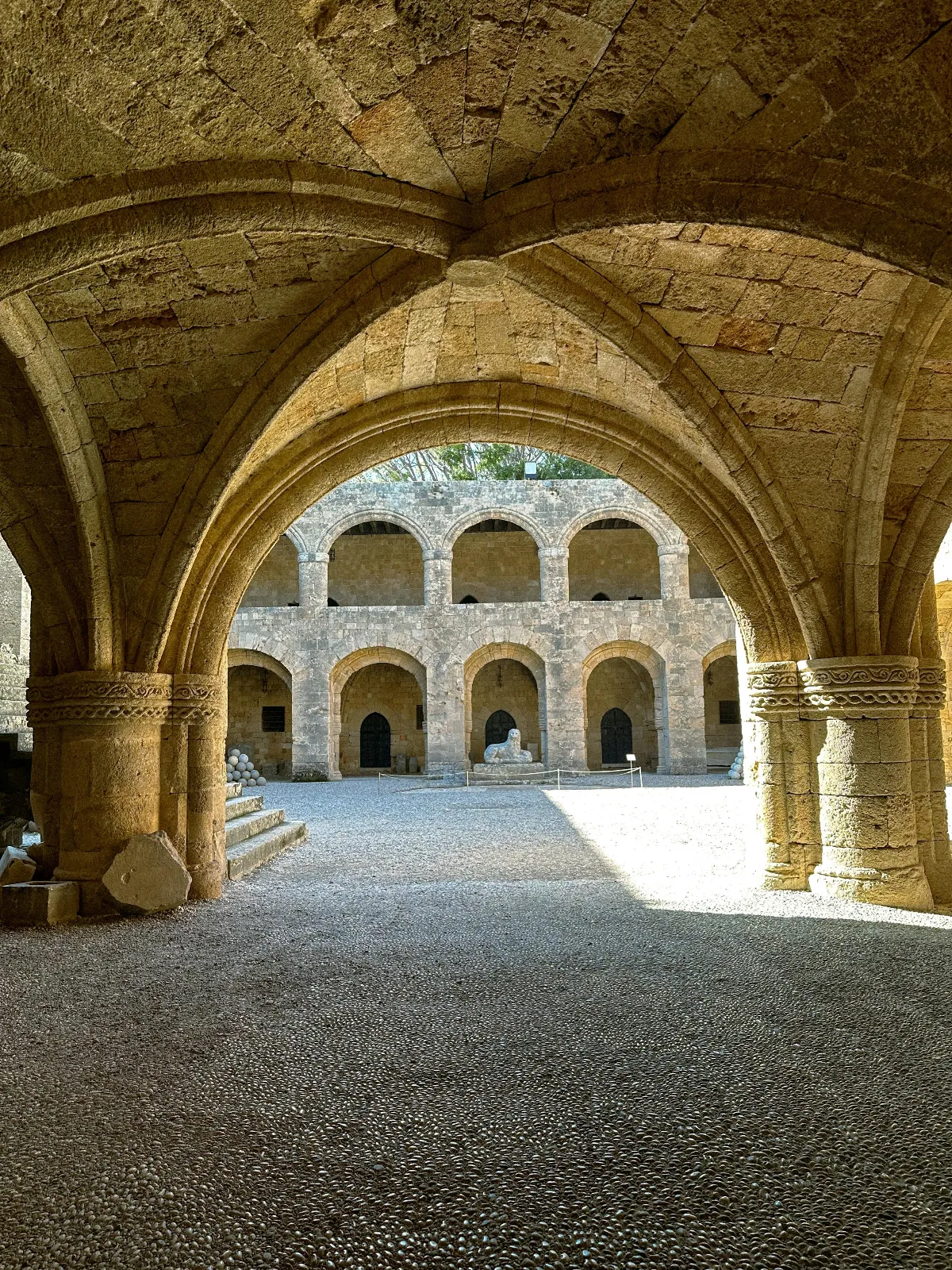
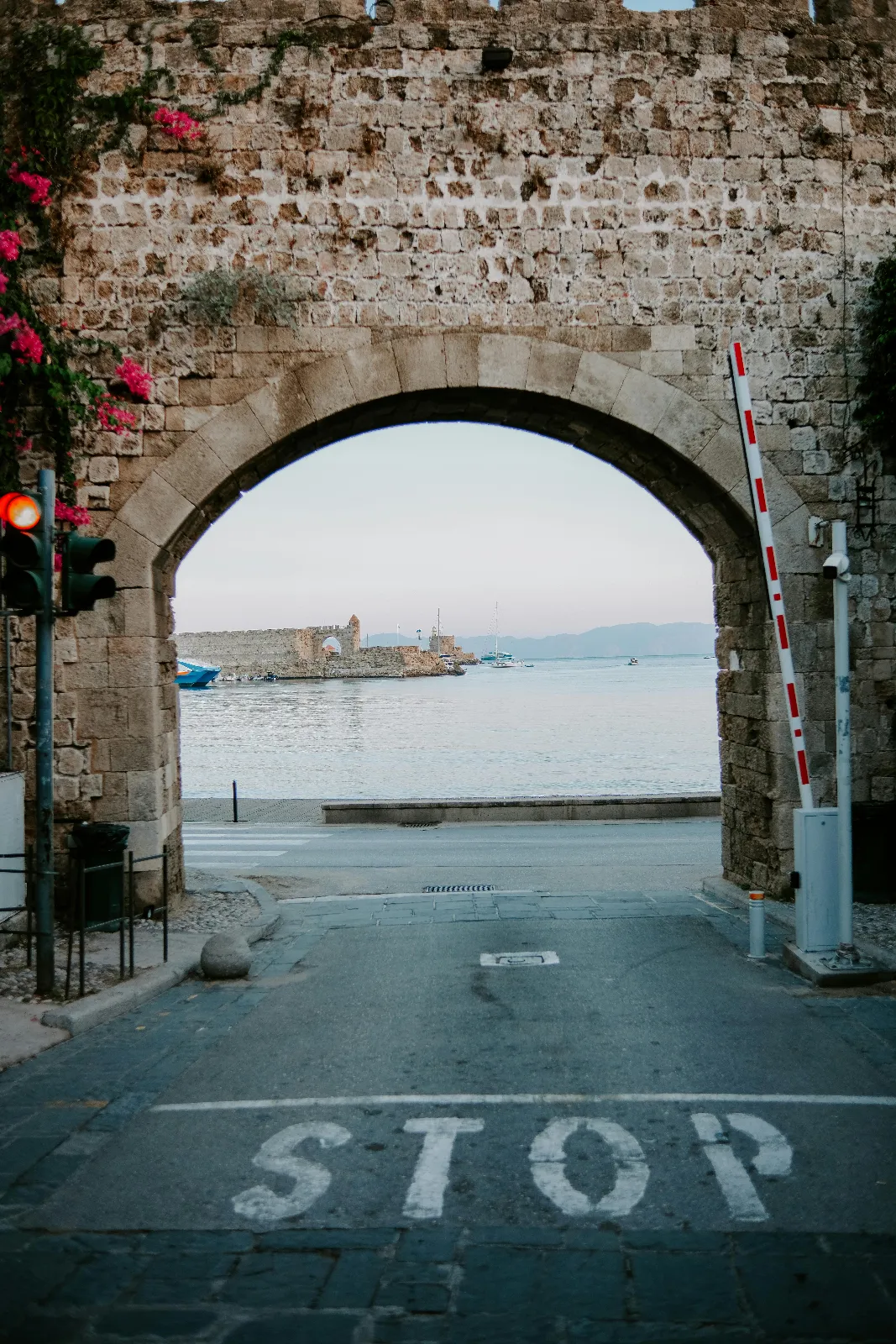
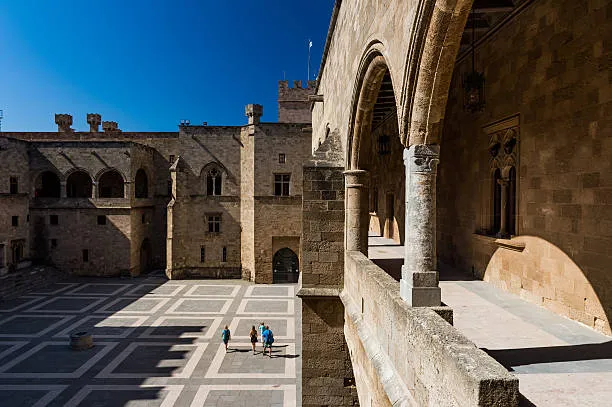
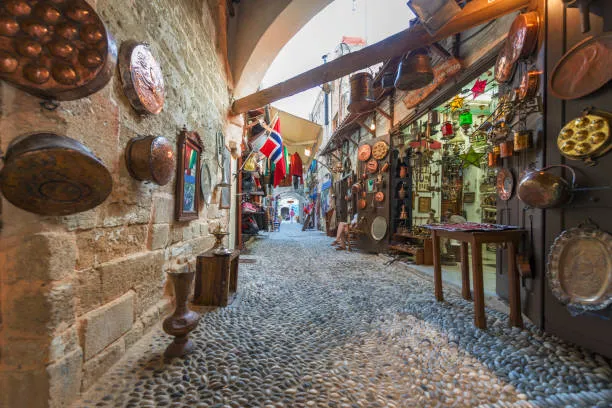
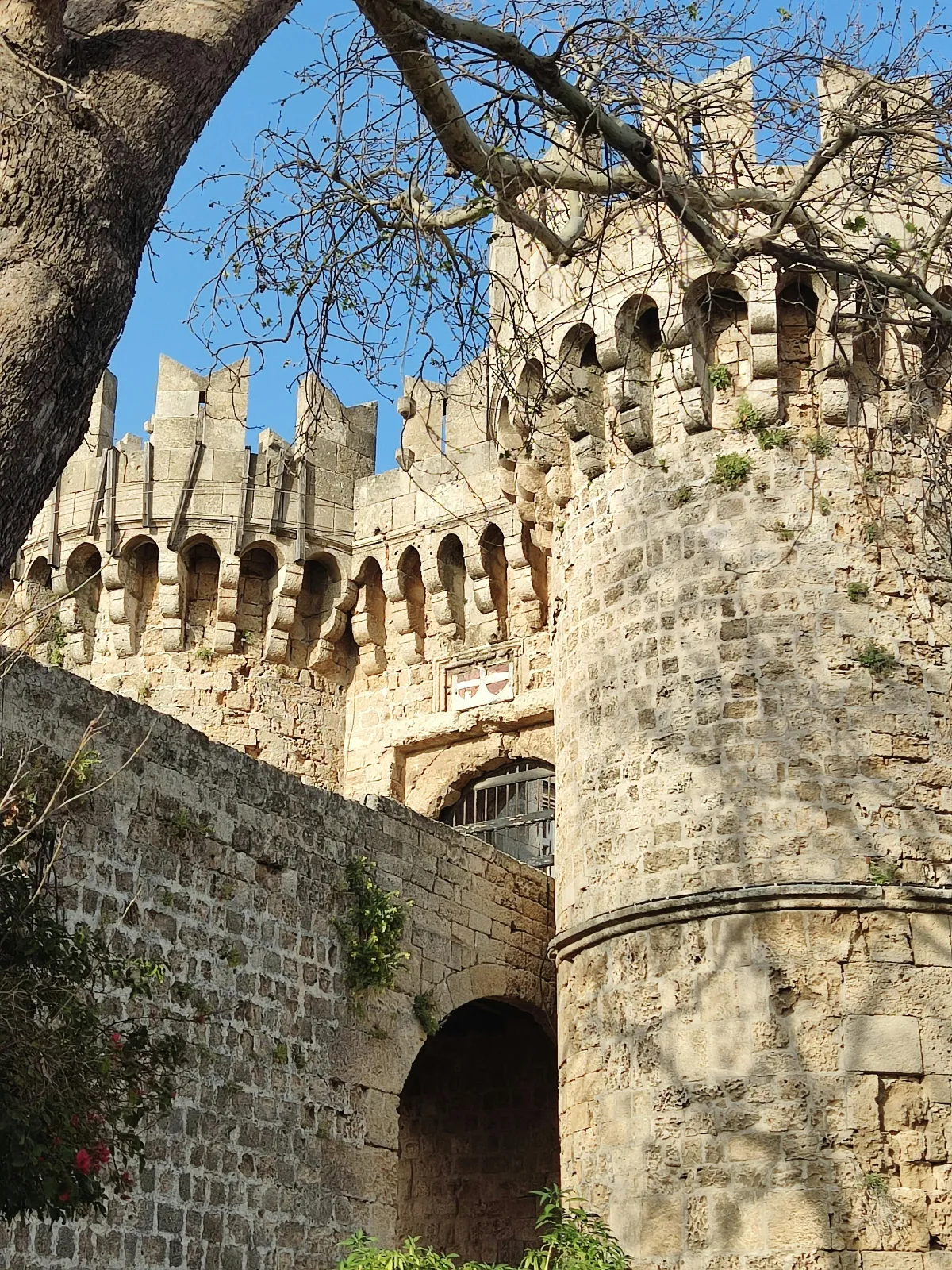
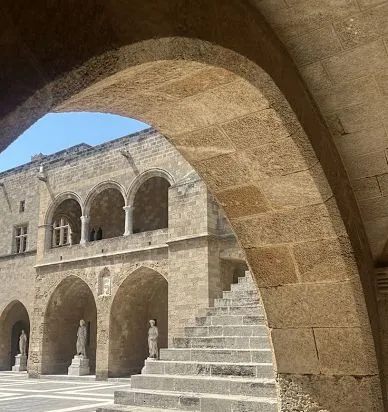
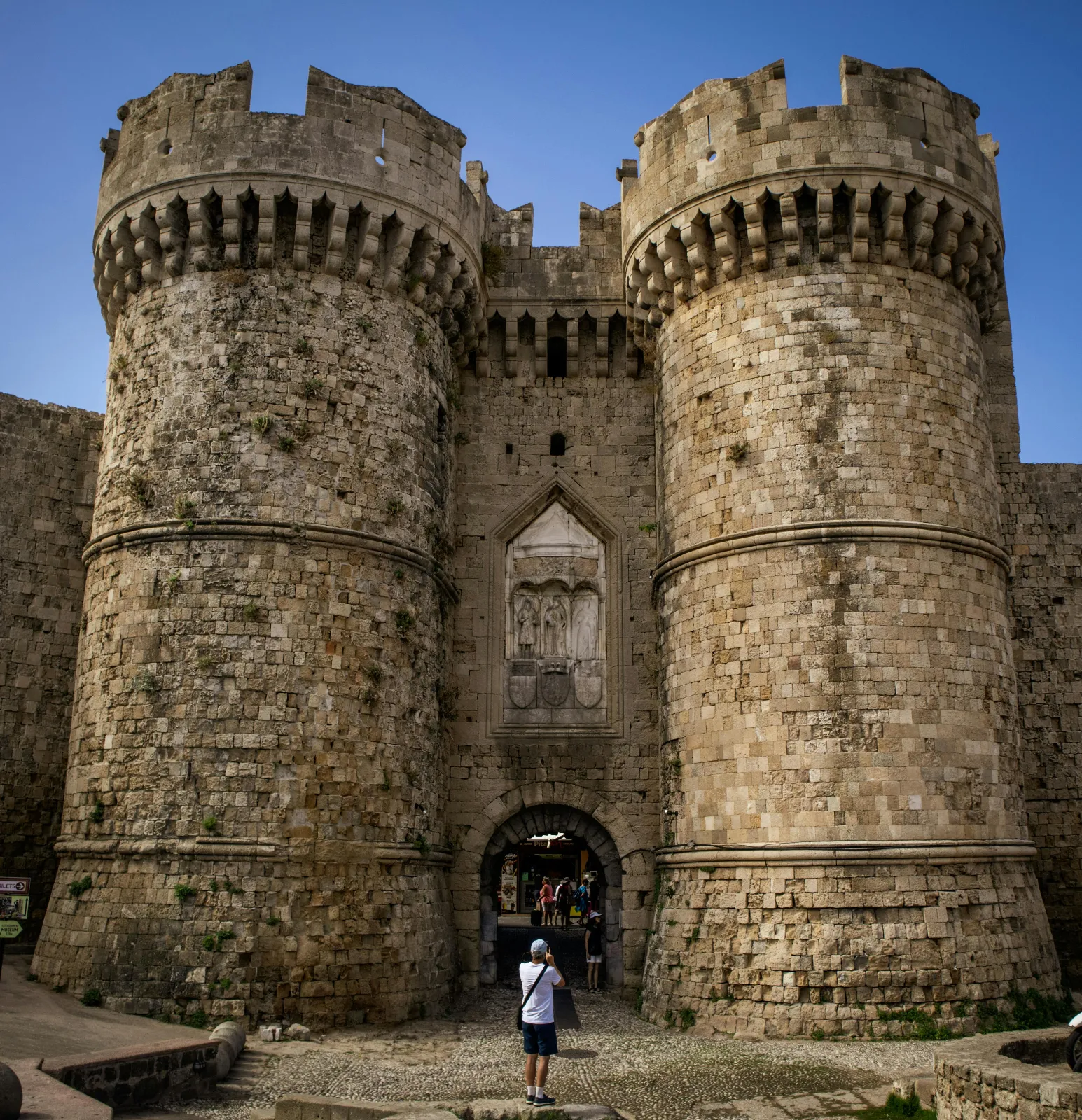
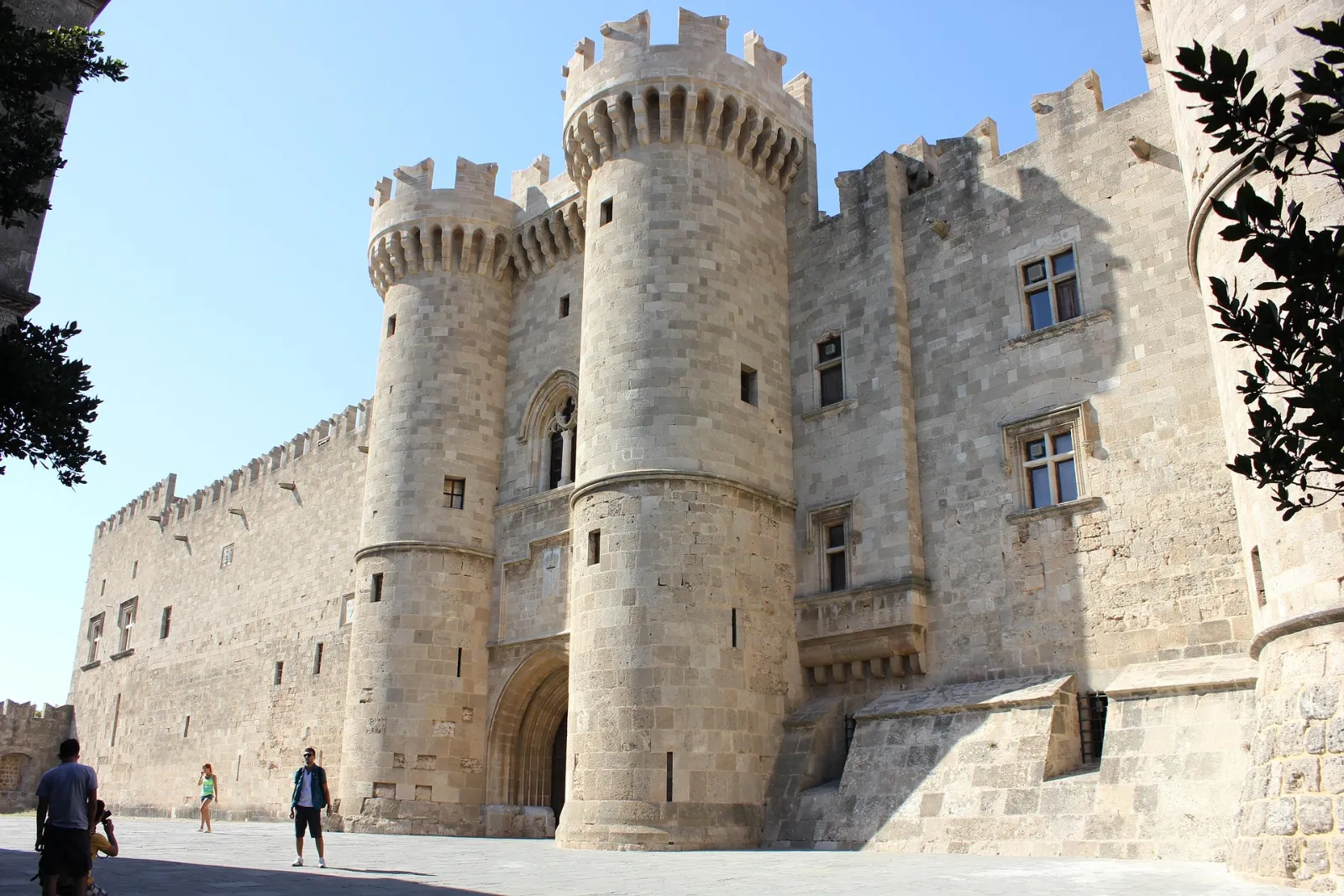
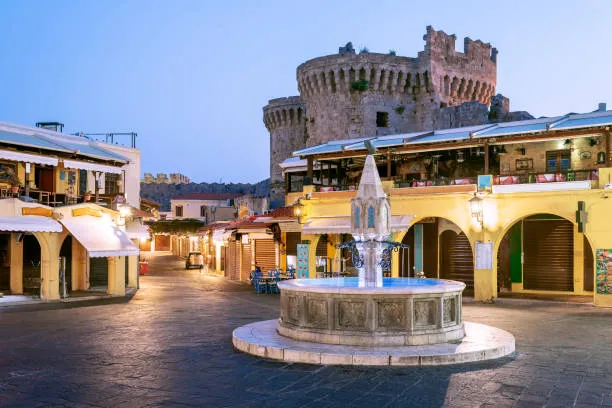
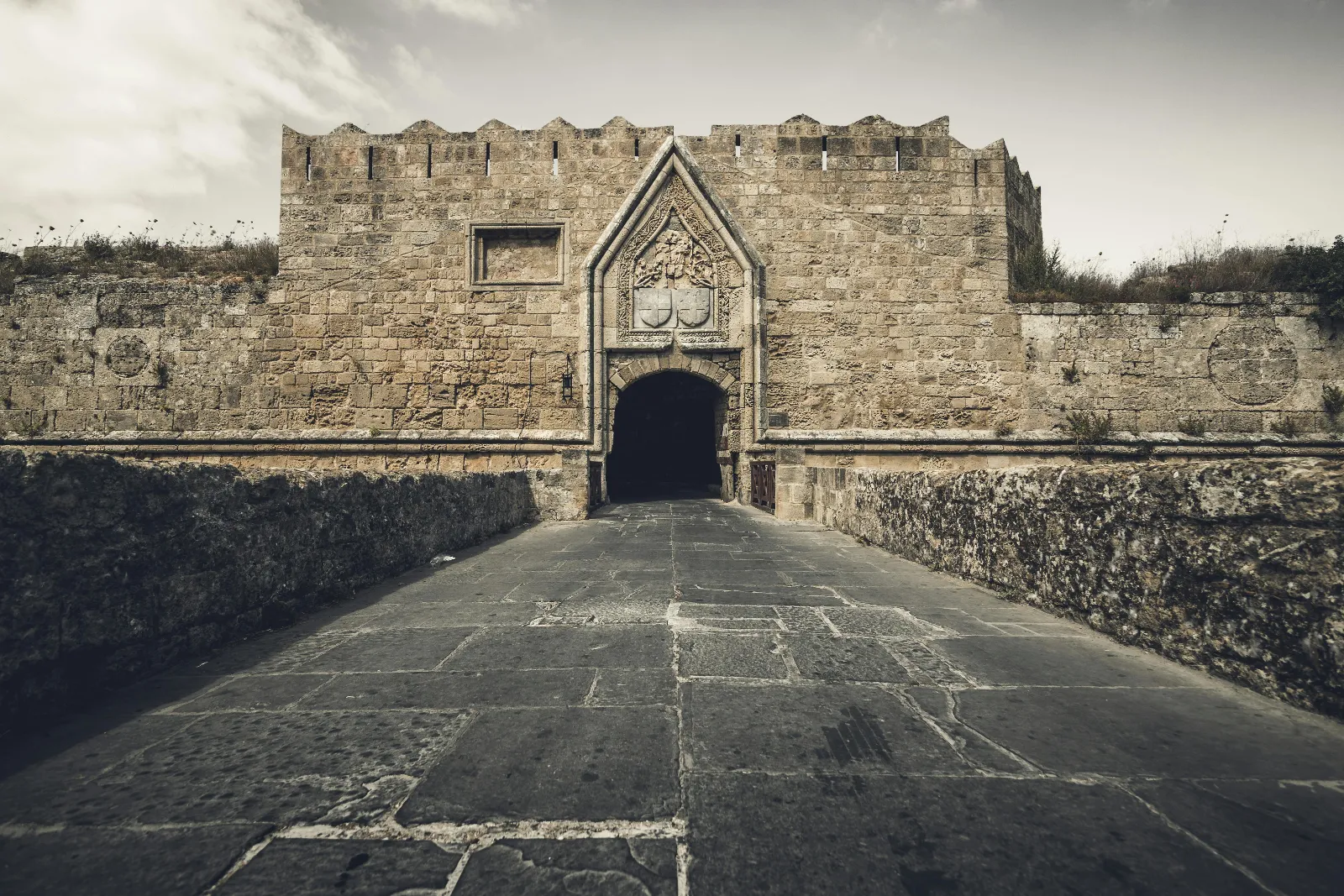
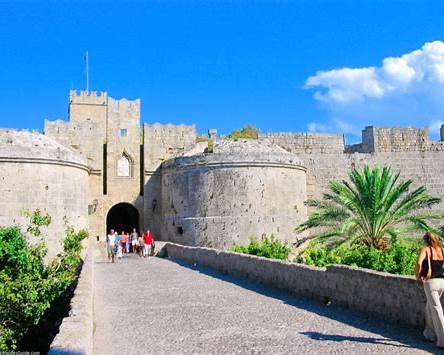
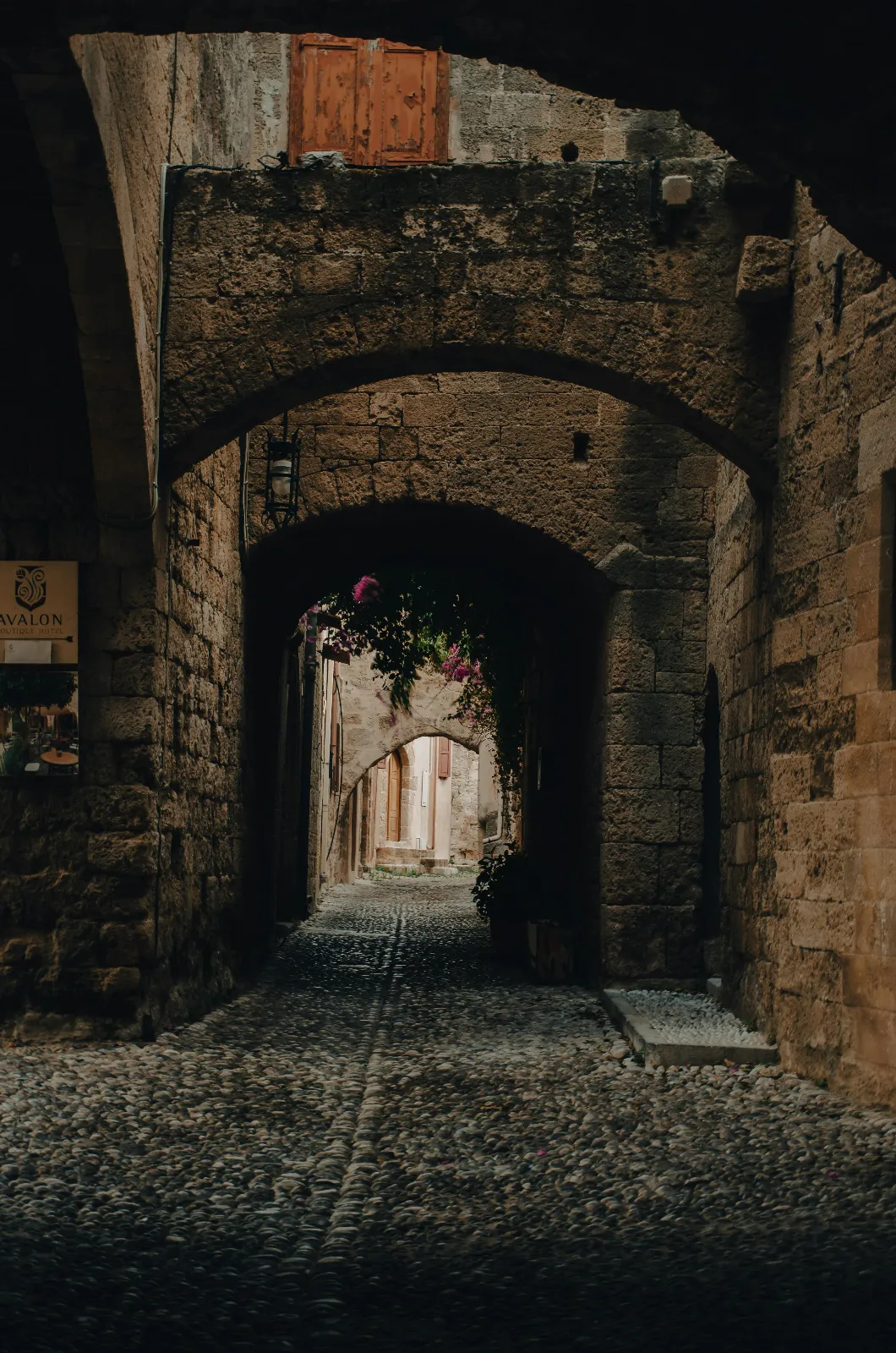
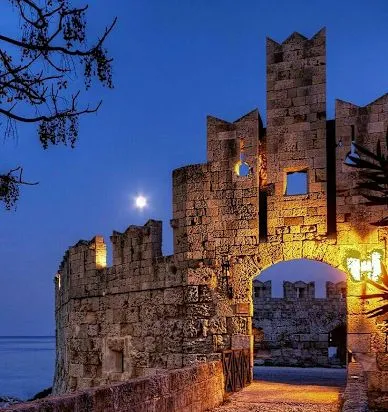
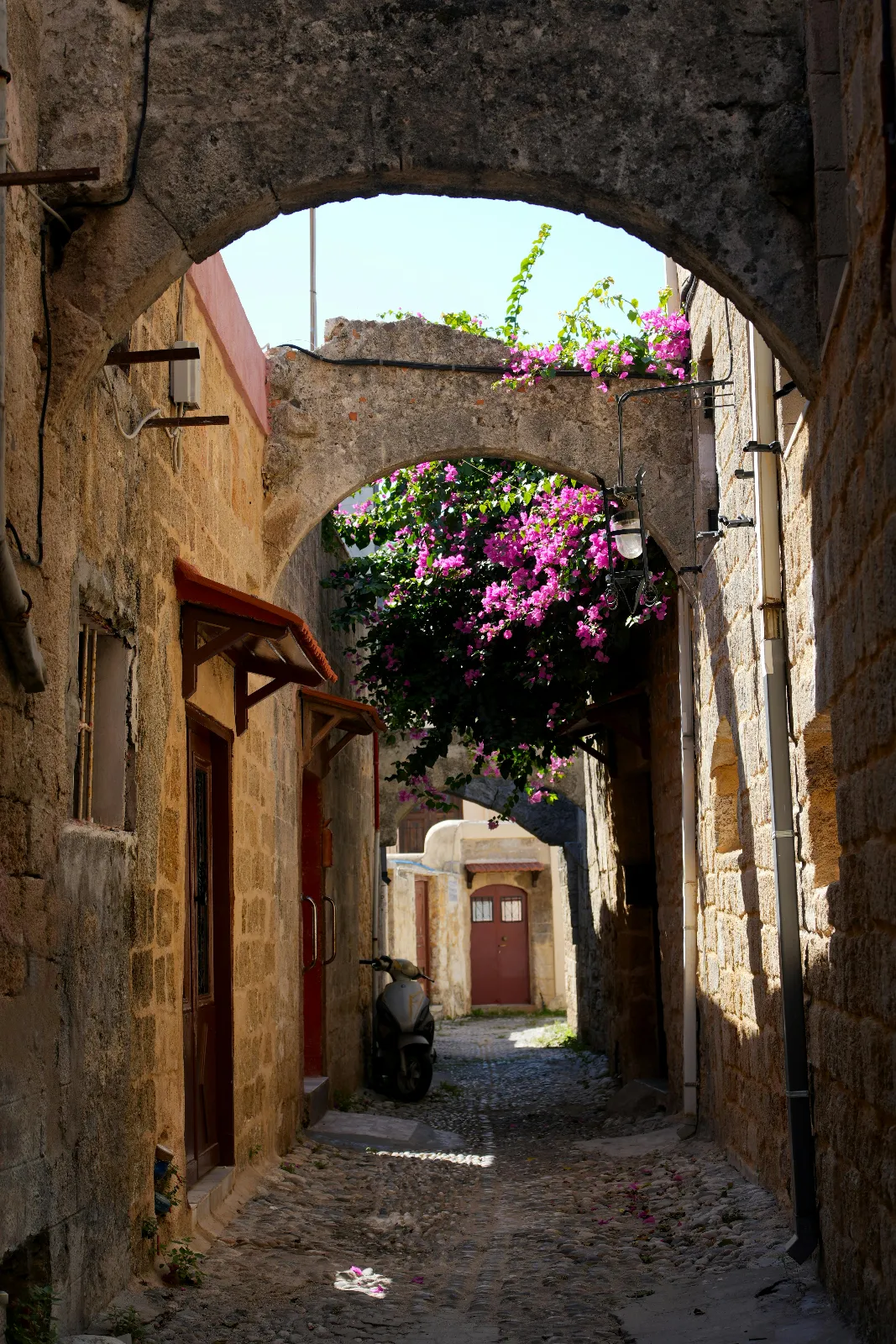
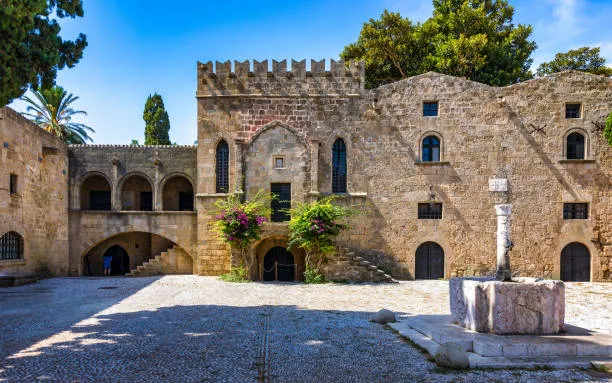
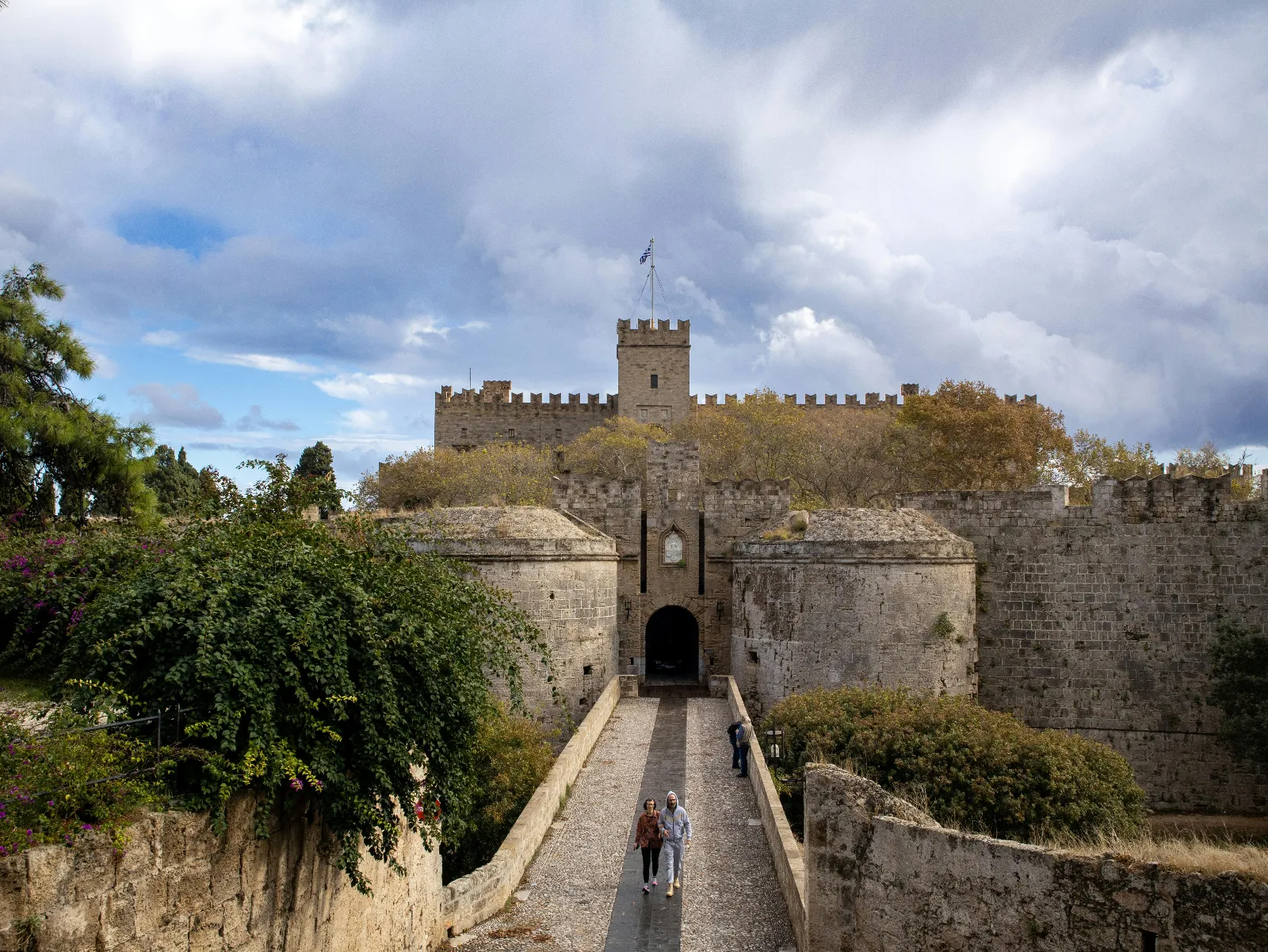
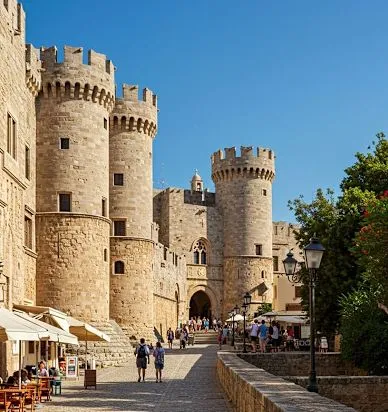
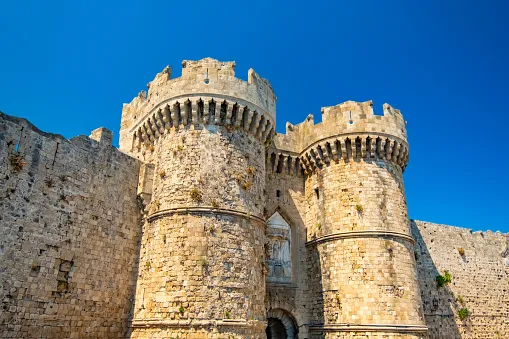
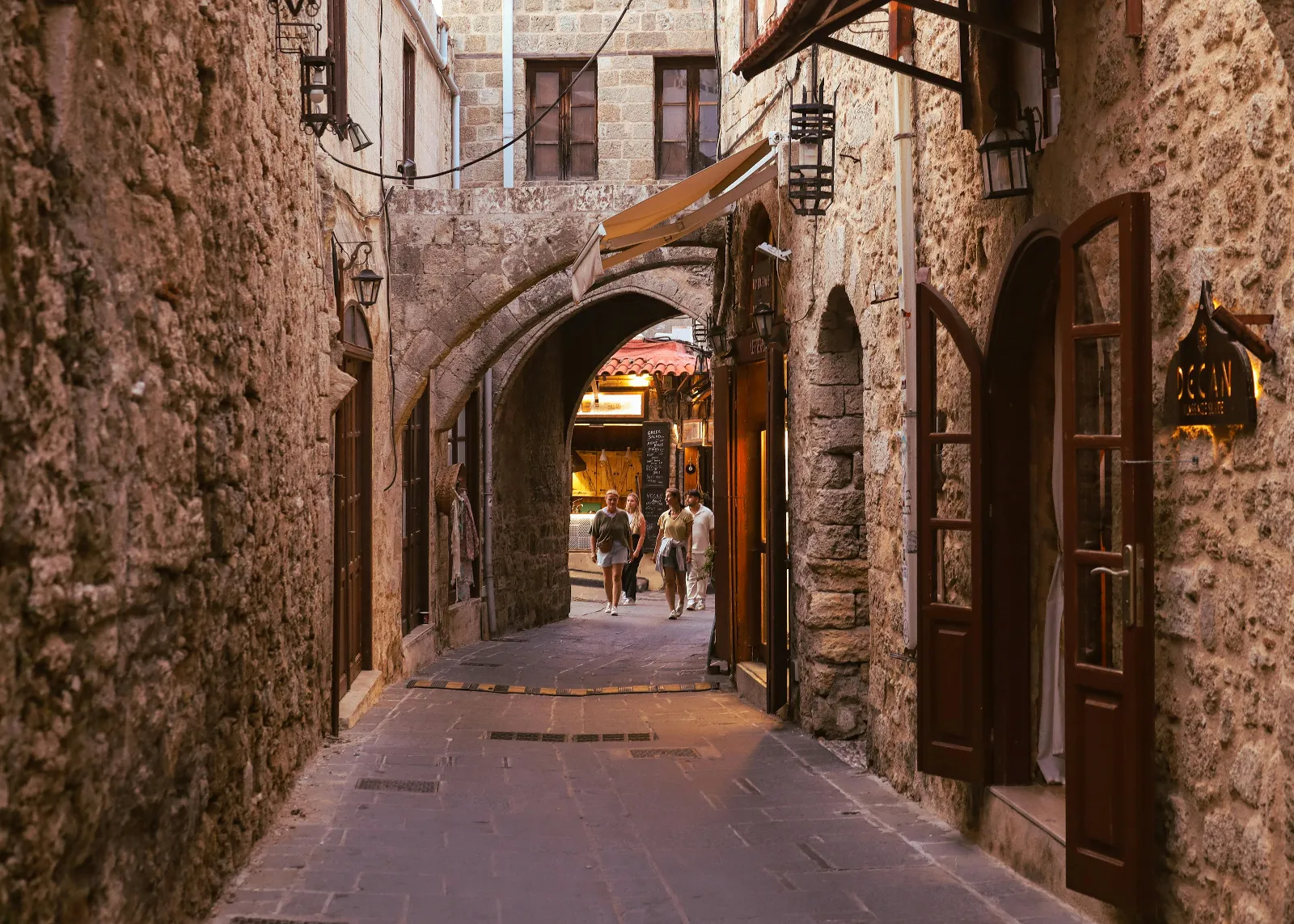
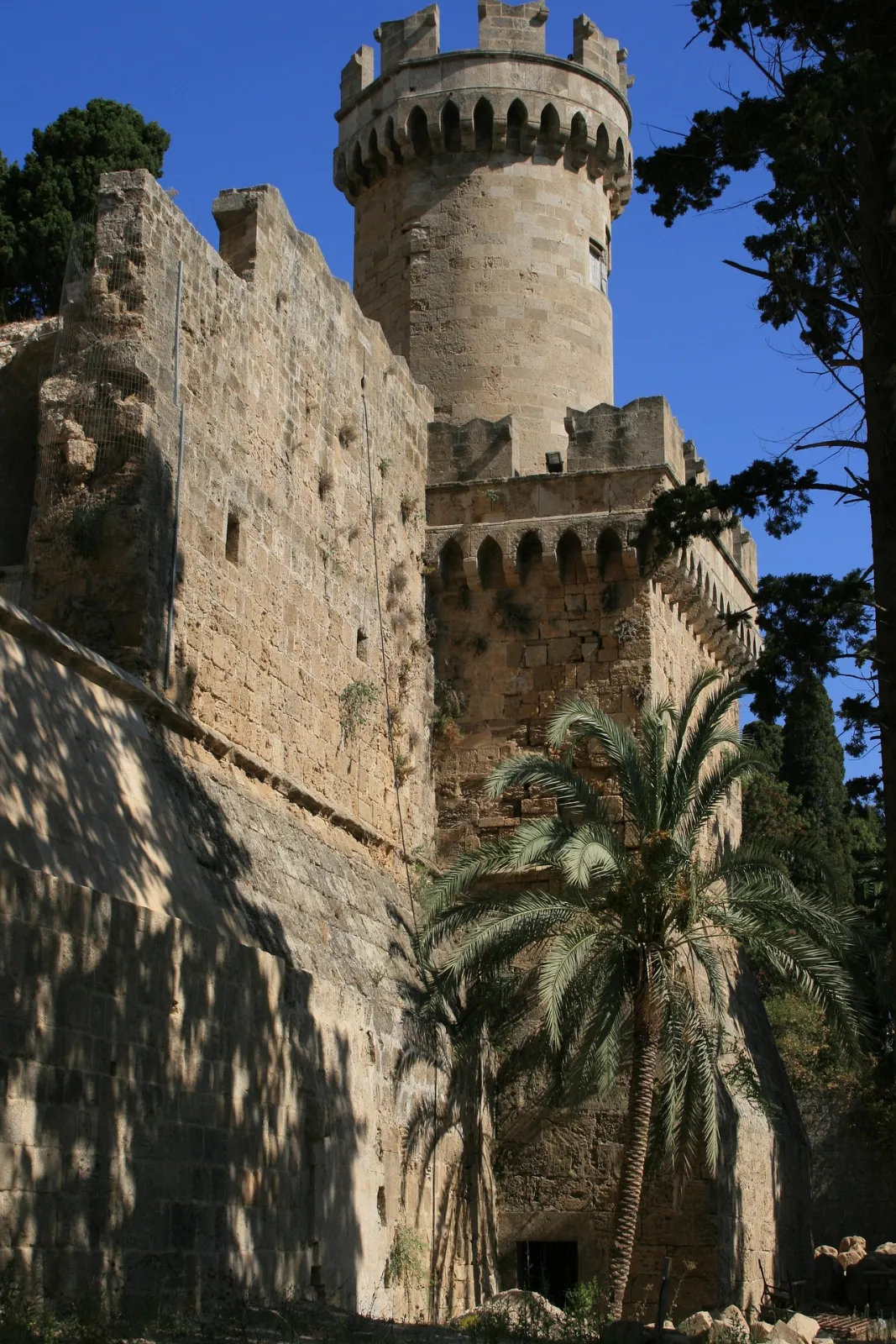
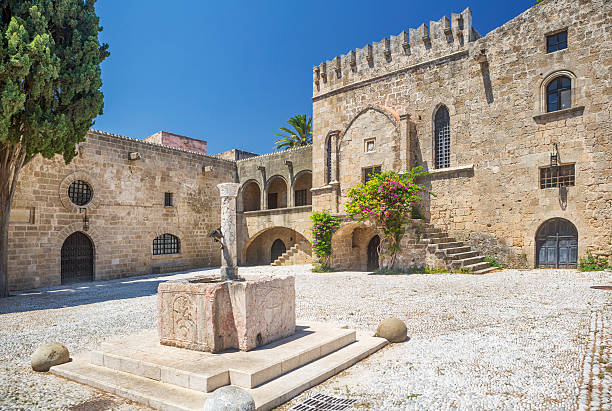
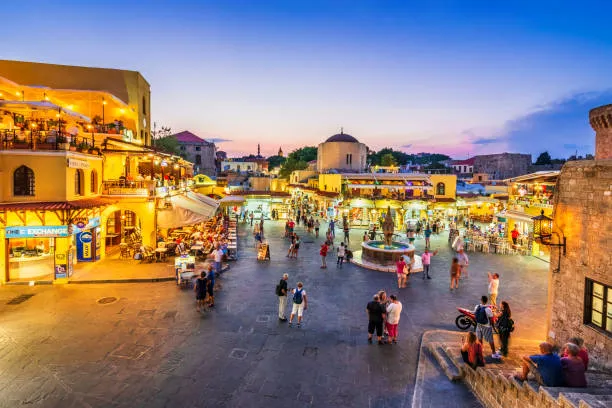
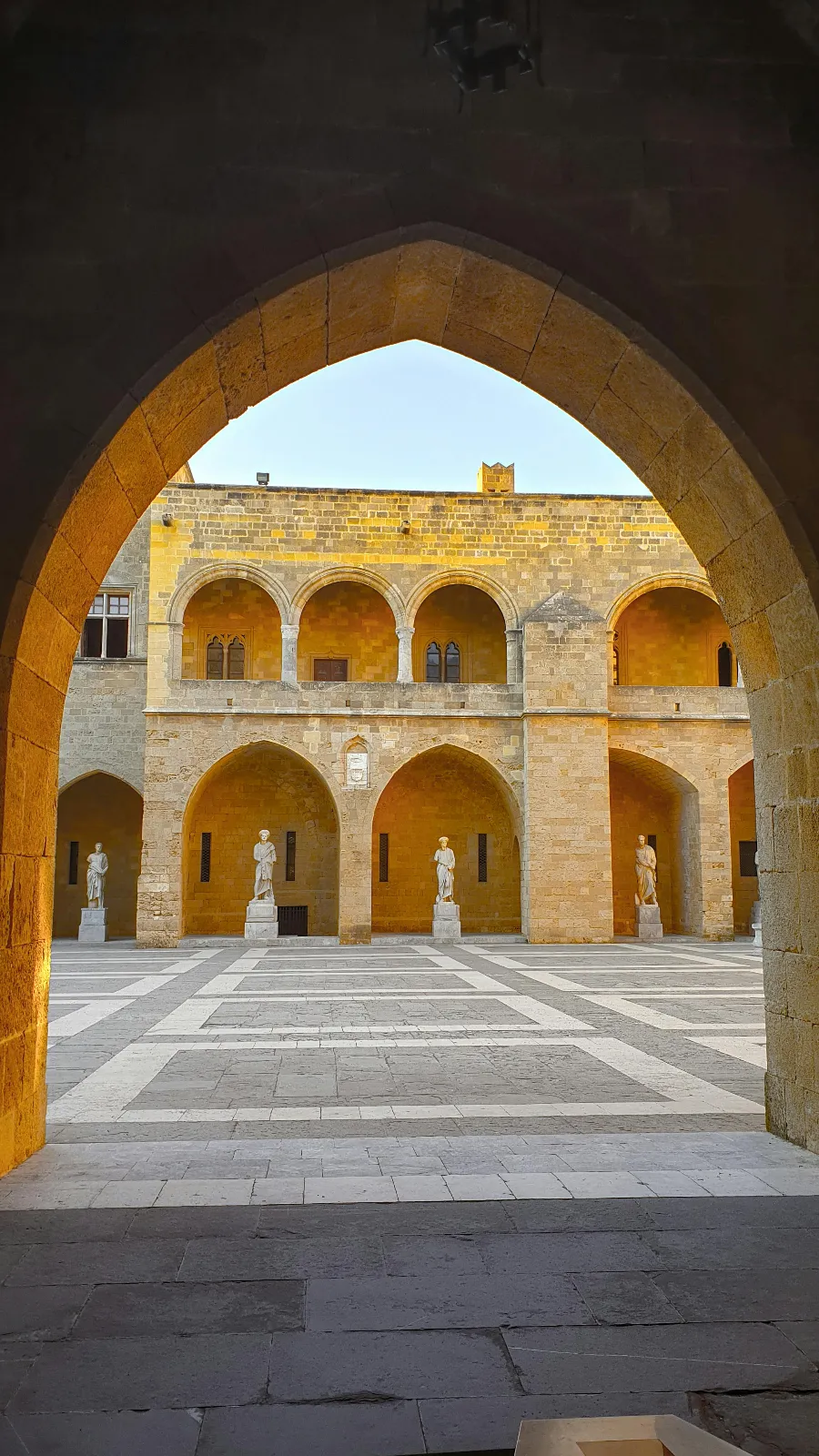
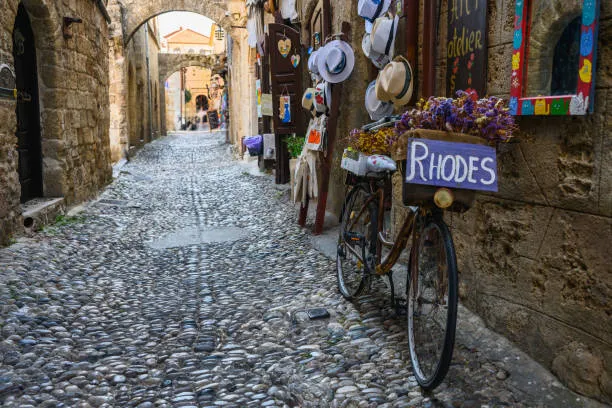
Enclosed within an extraordinary four-kilometre wall built by the Knights of St. John, Rhodes Old Town is one of the finest and most completely preserved medieval settlements in all of Europe. Dating to around 1309 and added to the UNESCO World Heritage list in 1988, the city is a living museum — home today to around six thousand residents who go about their daily lives in the same buildings the medieval knights once occupied. Wander its labyrinthine lanes without a map, past Ottoman fountains and Byzantine churches, Crusader towers and arched gateways, until you arrive at the Palace of the Grand Master, a 14th-century fortress that once served as the knights’ supreme headquarters and is now one of the island’s most impressive museums.
The Street of the Knights
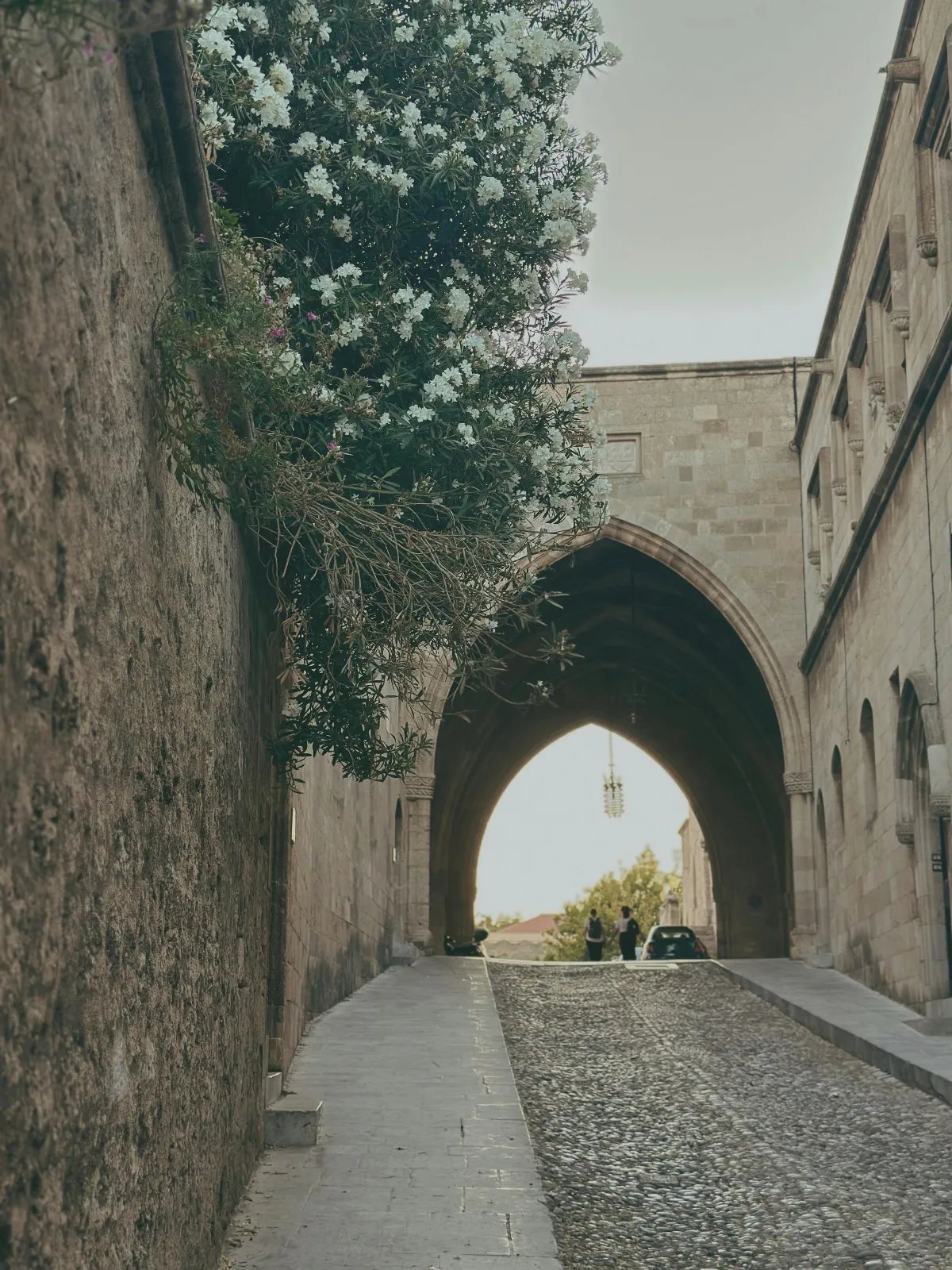
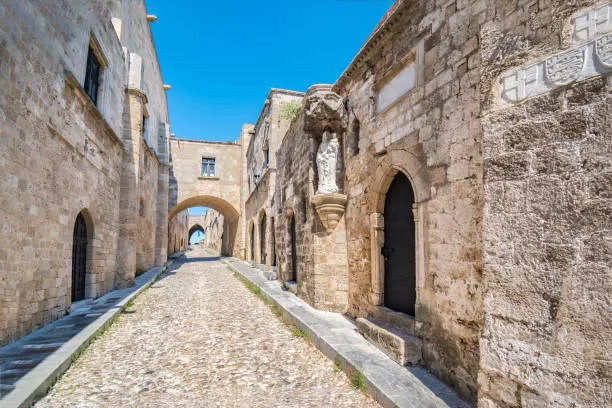
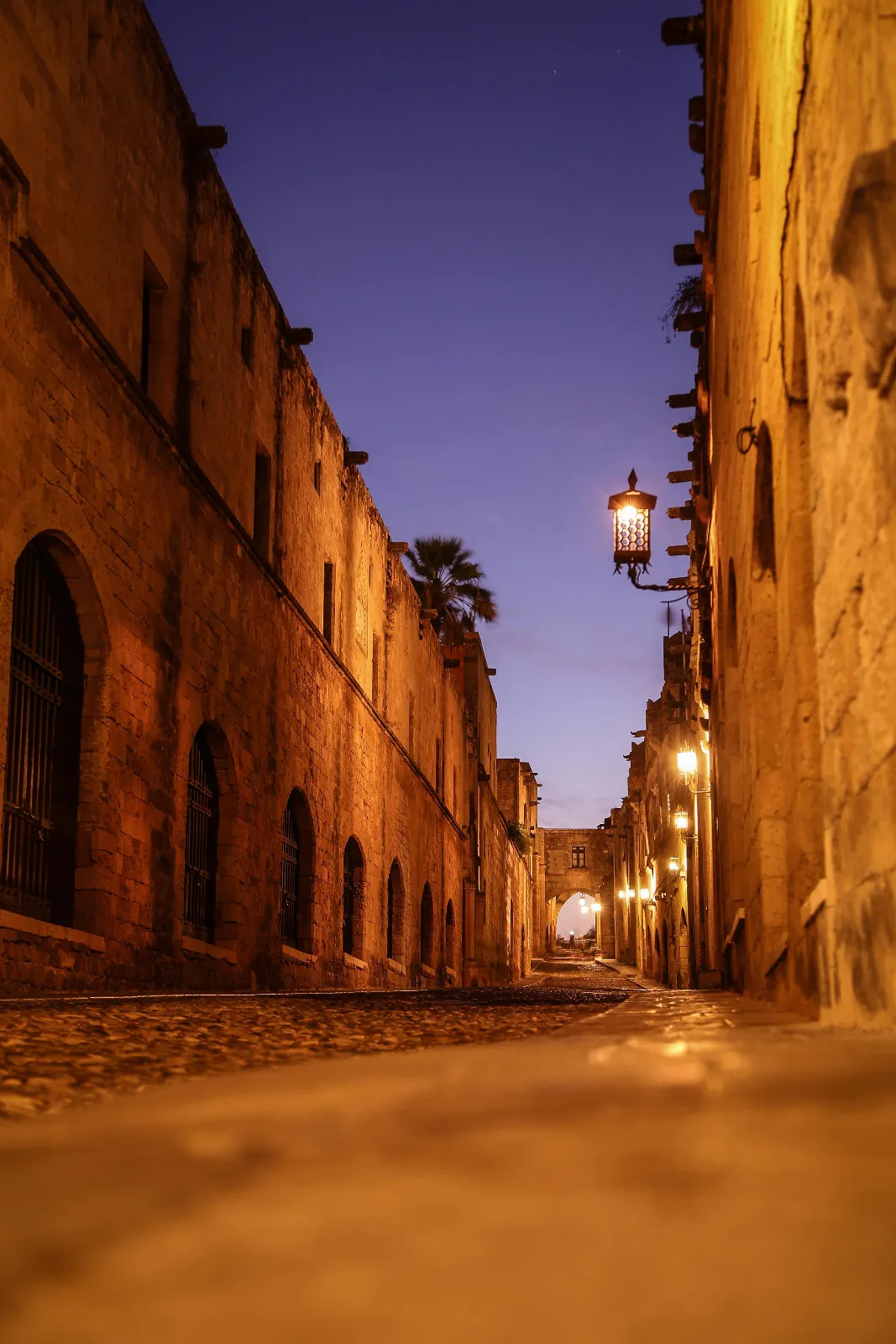
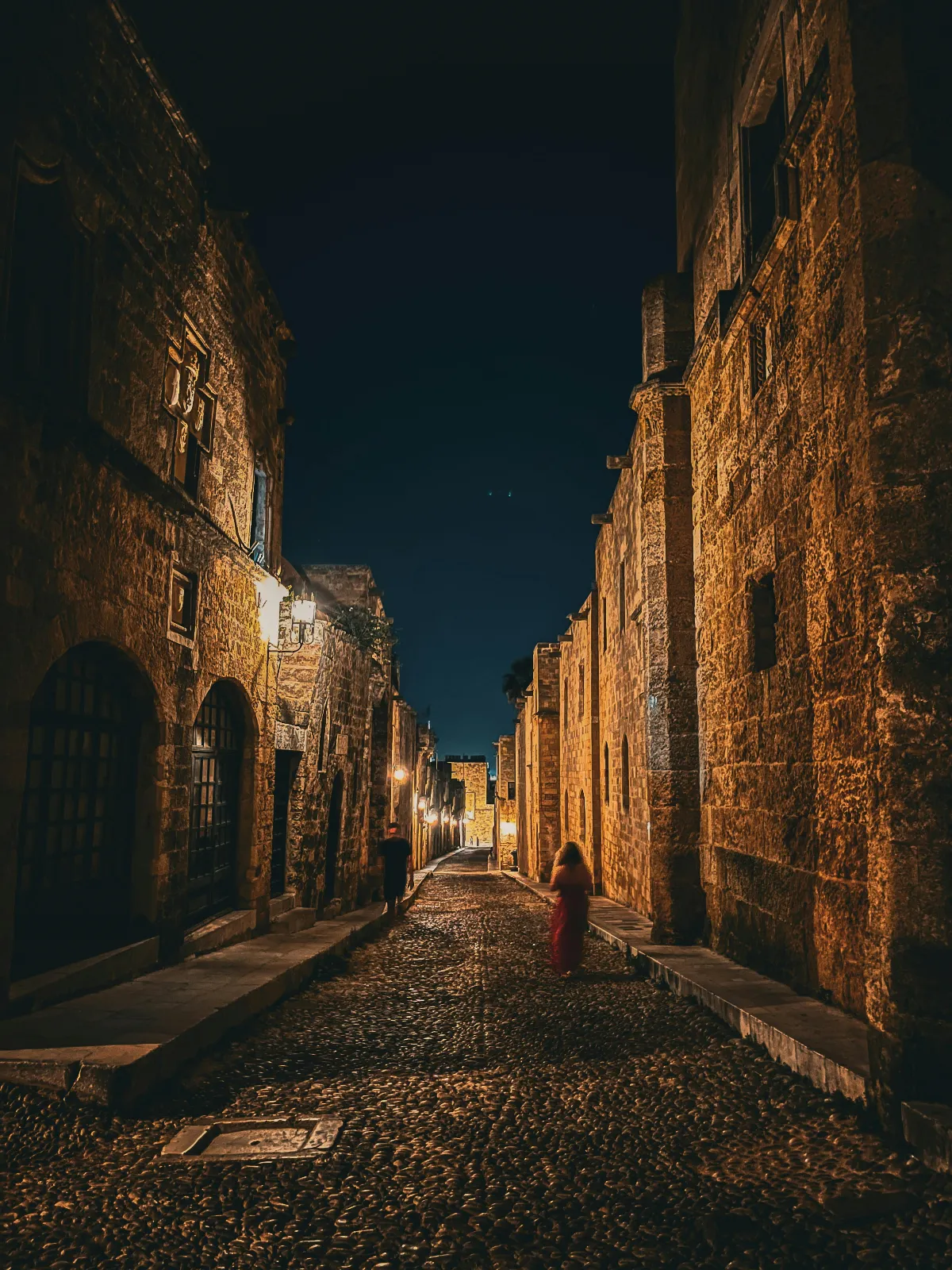
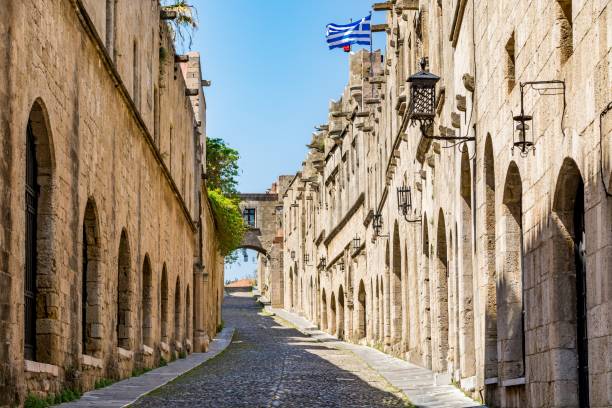
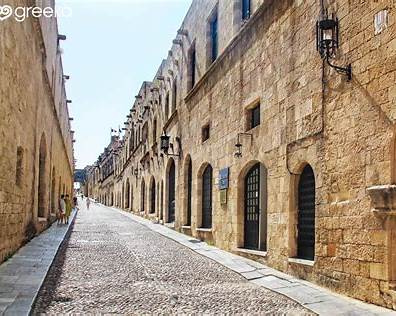
Running from the Palace of the Grand Master down to the Harbour Gate, the Ippoton — Street of the Knights — is one of the best-preserved medieval streets anywhere in the world. The knights of different national tongues each maintained their own stone Inn along this cobbled thoroughfare, and the facades of these magnificent Gothic buildings are so intact they seem barely touched by the centuries. Walking its length at dusk, when the golden stones catch the last of the day’s light, is one of those quietly unforgettable travel experiences that stays with you long after you’ve set sail.
Mandraki Harbour and the Site of the Colossus
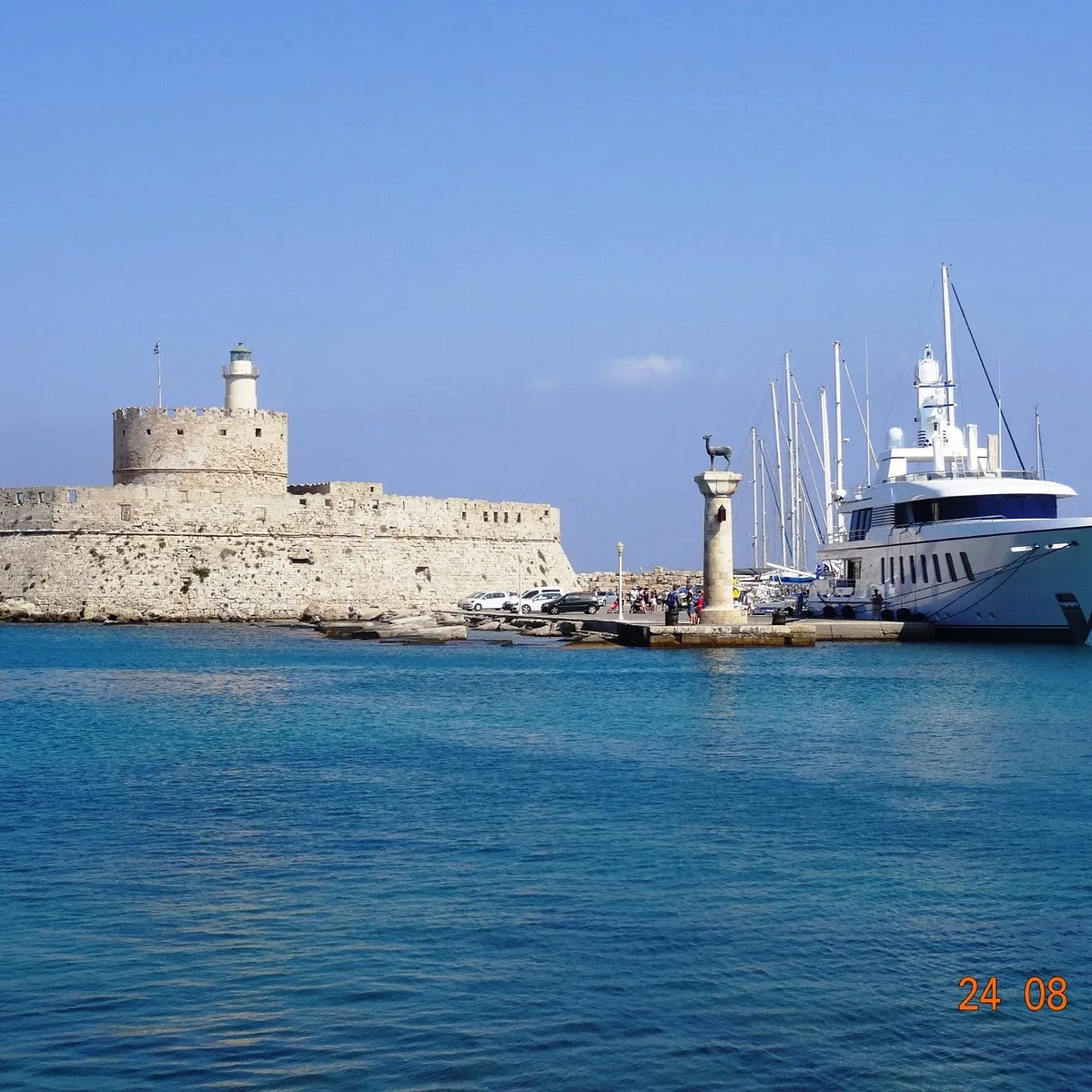
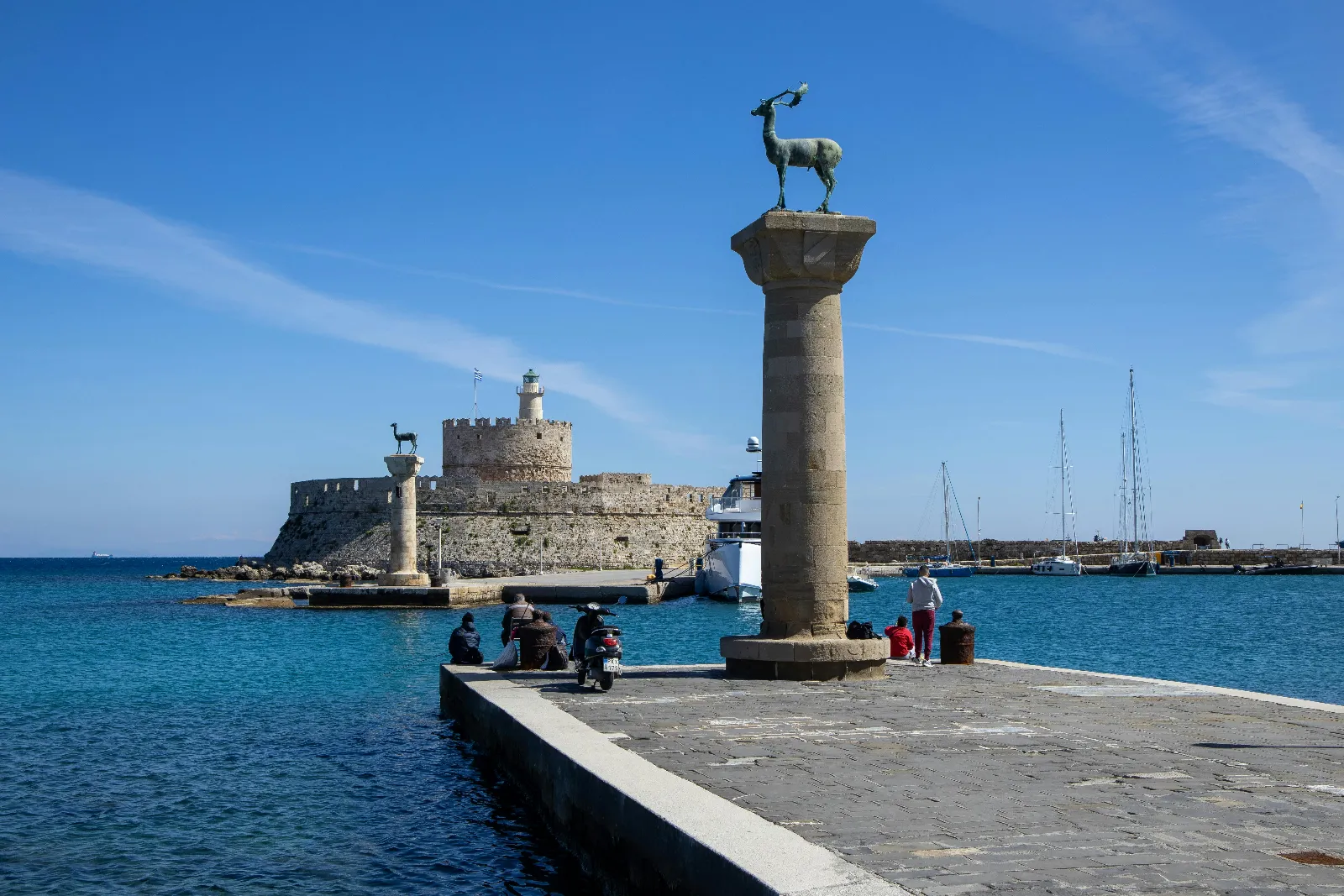
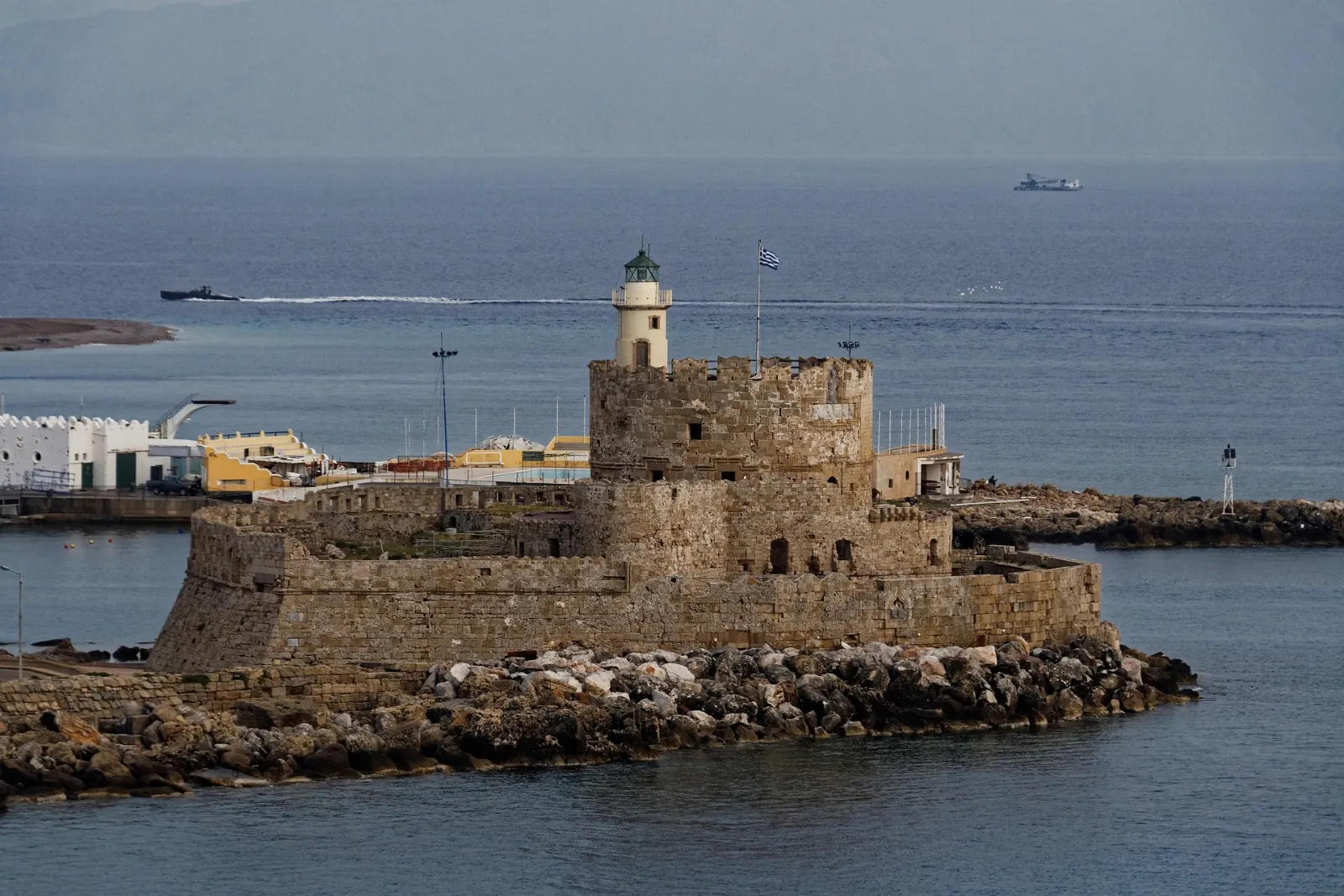
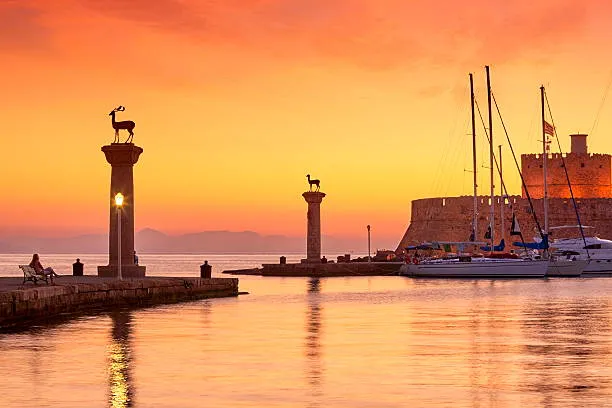
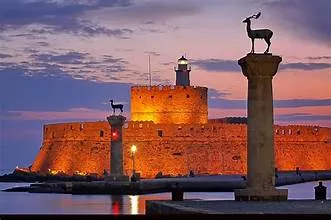
Your first view of Rhodes by sea will almost certainly be of Mandraki Harbour, and it is one of Greece’s most theatrical arrivals. The legendary Colossus of Rhodes — a colossal bronze statue of Helios that stood approximately 33 metres tall — was once considered one of the Seven Wonders of the Ancient World and is thought to have overlooked this very harbour. Though destroyed by an earthquake in 226 BC, its memory is honoured today by two stone pillars topped with bronze deer statues at the harbour entrance. Rhodes Windmills line the mole to one side, while the turreted St. Nicholas Fortress guards the water beyond — a skyline that has announced this island’s magnificence for three thousand years.
Lindos and Its Acropolis
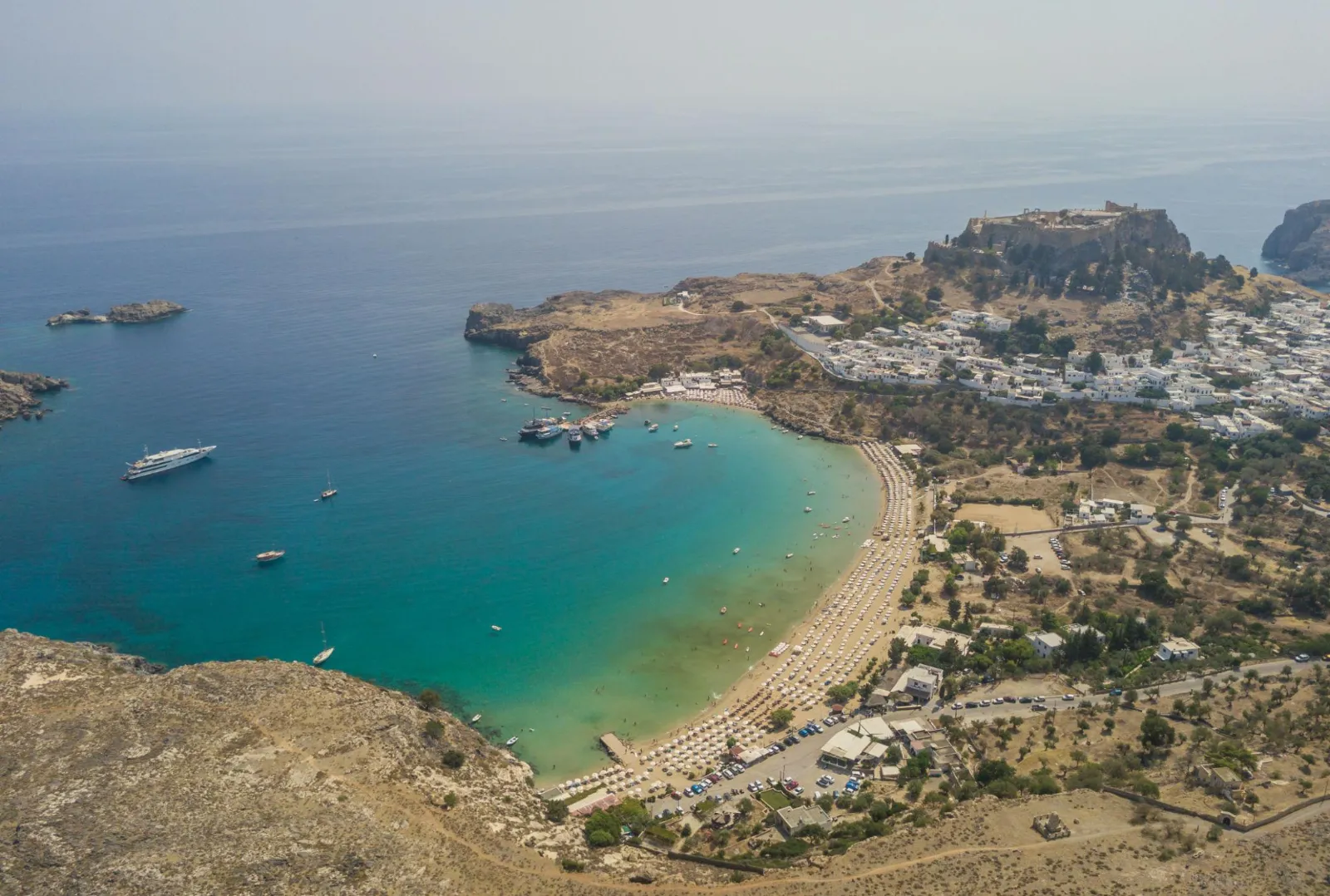
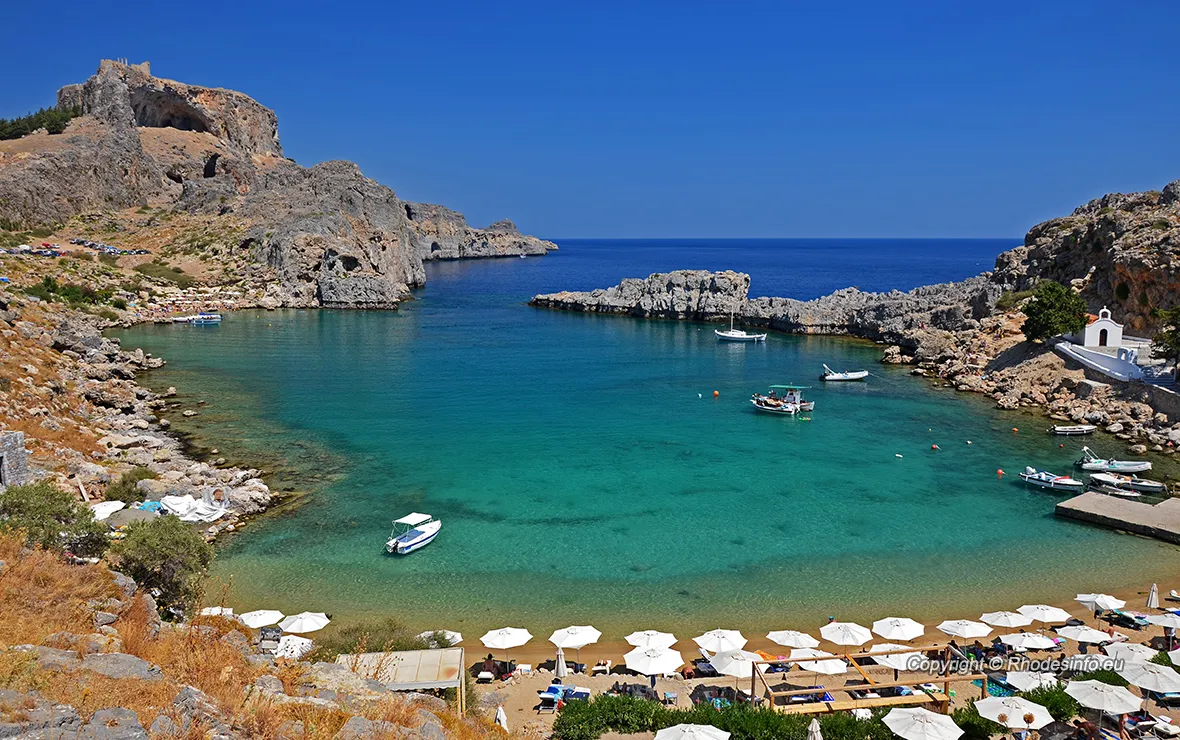
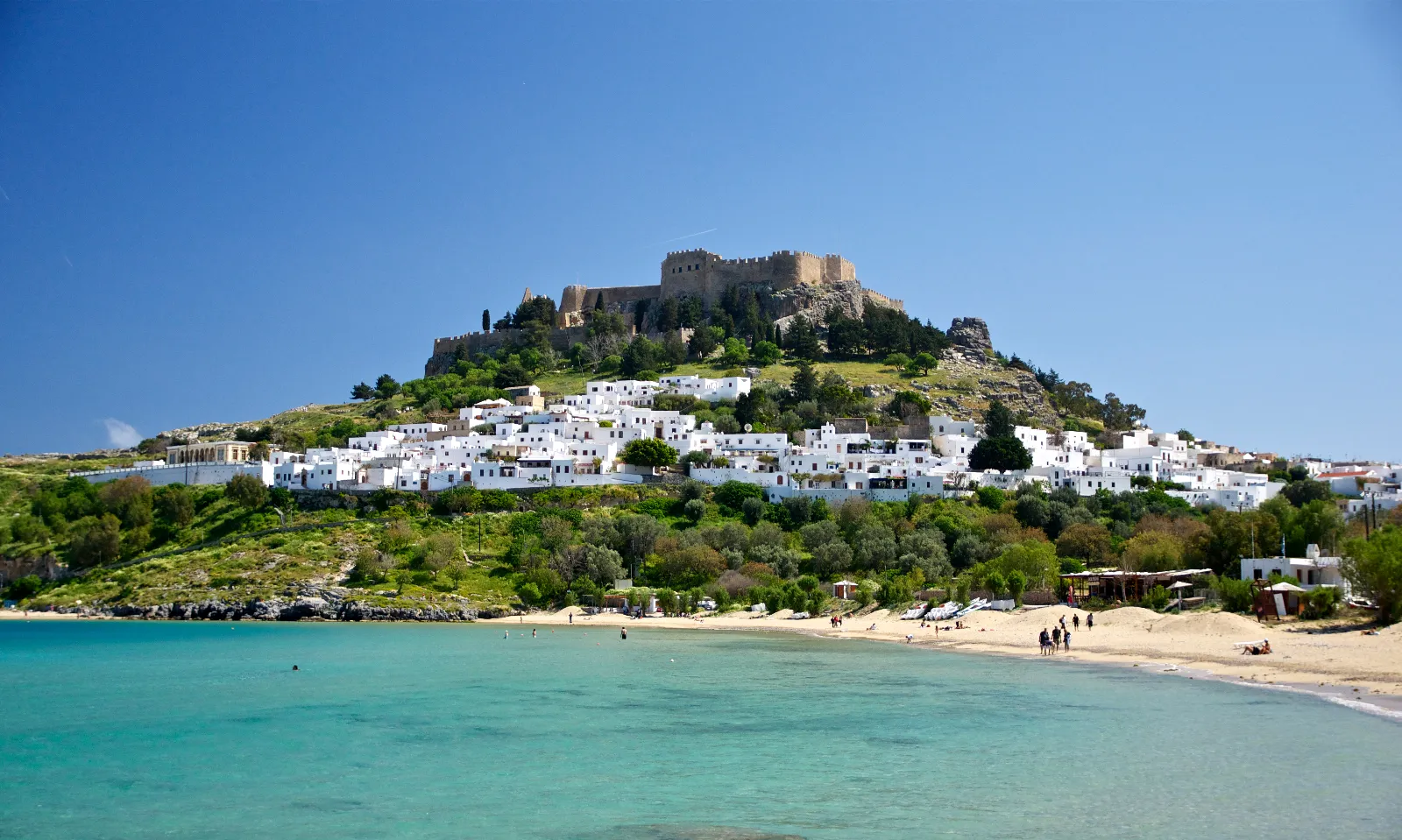
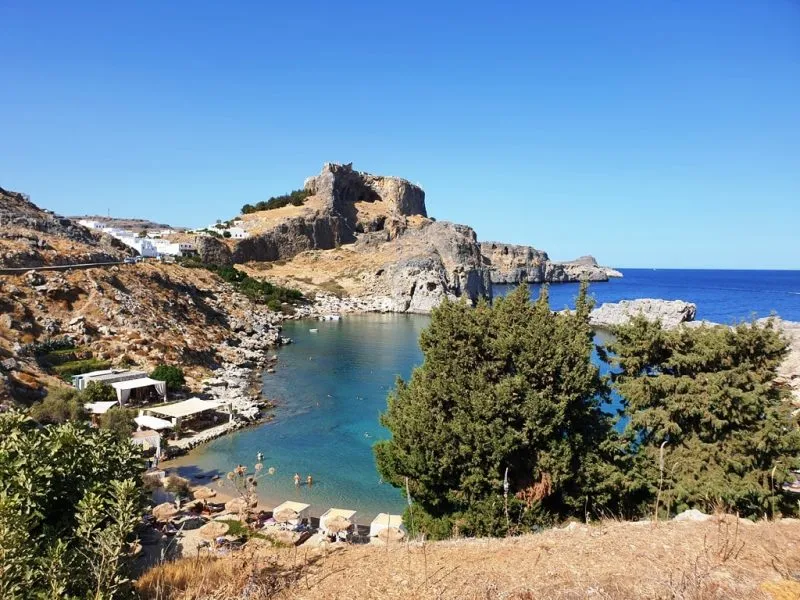
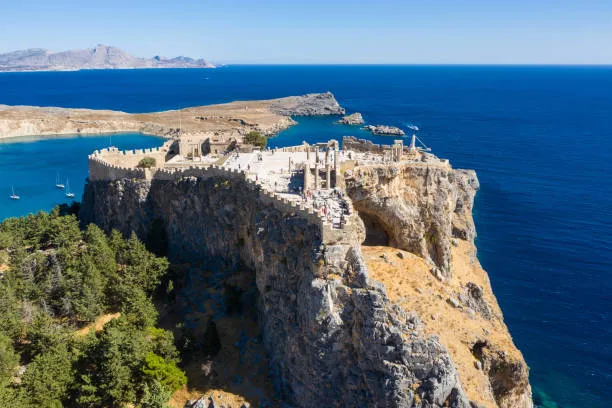
Some 55 kilometres south of Rhodes Town, the village of Lindos is perhaps the most photographed view on the island — a cascade of sugar-cube white houses spilling down a steep hillside toward a brilliant bay, crowned above by the dramatic ruins of its Acropolis perched on a sheer cliff. The Acropolis of Lindos dates back to Classical Greece and features the Temple of Athena Lindia, with panoramic views of the Aegean that are simply among the finest in all of Greece. Below in the village, narrow donkey paths wind between traditional captains’ houses with their characteristic black-and-white pebble mosaic courtyards. Arriving in Lindos Bay by yacht — slipping quietly through the calm turquoise water as the Acropolis watches from above — is one of the great Greek island arrivals.
The Ancient Acropolis of Rhodes
Overlooking Rhodes Town from Monte Smith Hill about three kilometres to the southwest, the ancient Acropolis of Rhodes is a more intimate but deeply evocative archaeological site. Dating to the Hellenistic period of the 3rd and 2nd centuries BC, the complex once comprised grand temples, a stadium, a gymnasium, and the Odeon theatre. Today the partial ruins of the Temple of Apollo crown the hillside alongside restored columns and the remains of the stadium, offering sweeping views down to the coast. It is a quieter, more contemplative visit than the Old Town below — perfect for those who wish to connect more deeply with the island’s most ancient layer.
Tsambika Beach and the East Coast
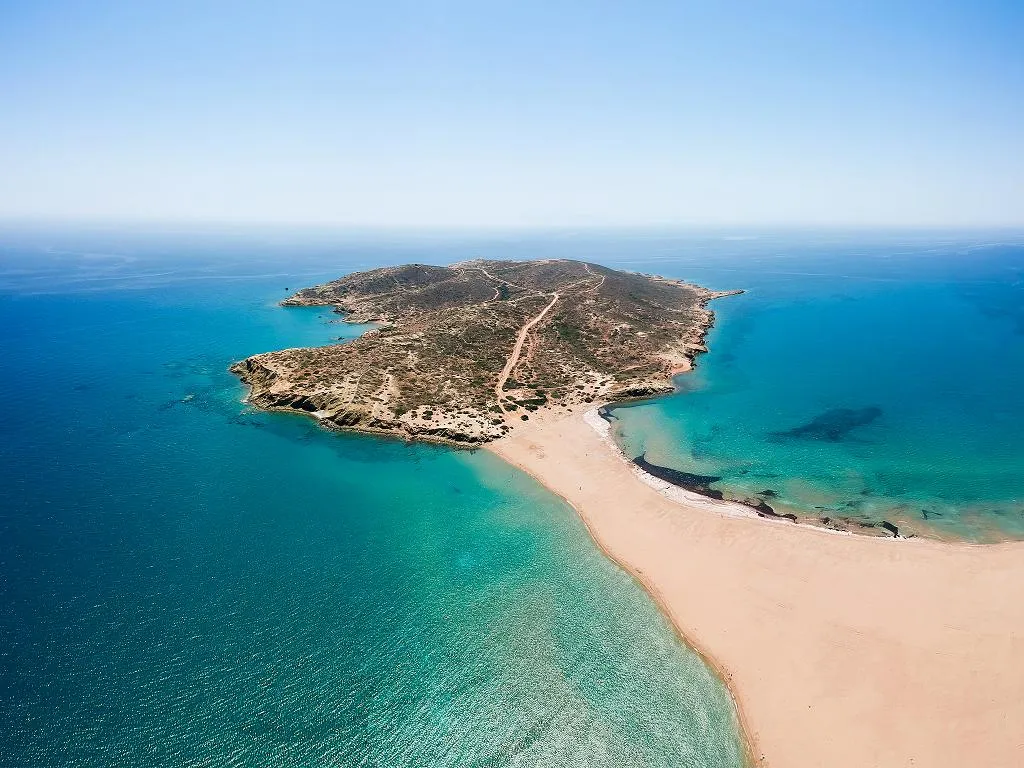
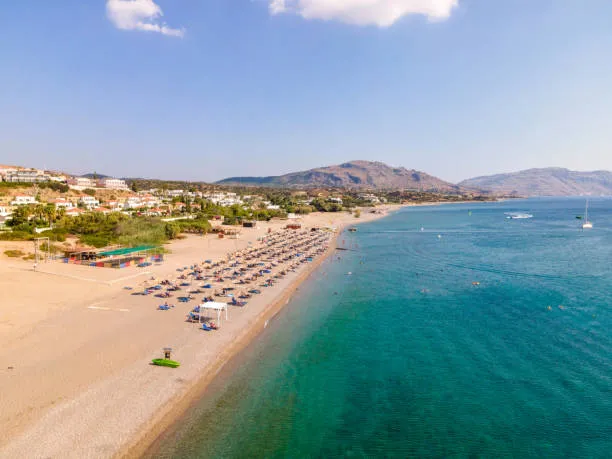
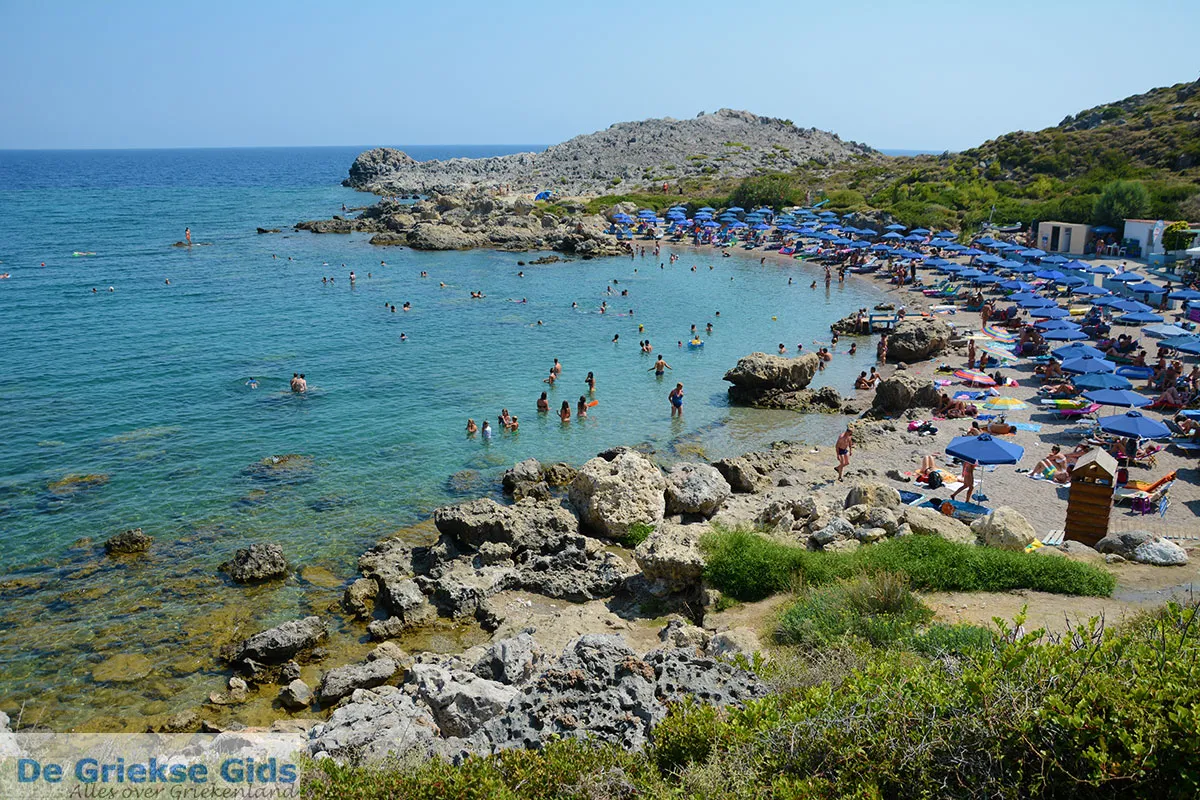
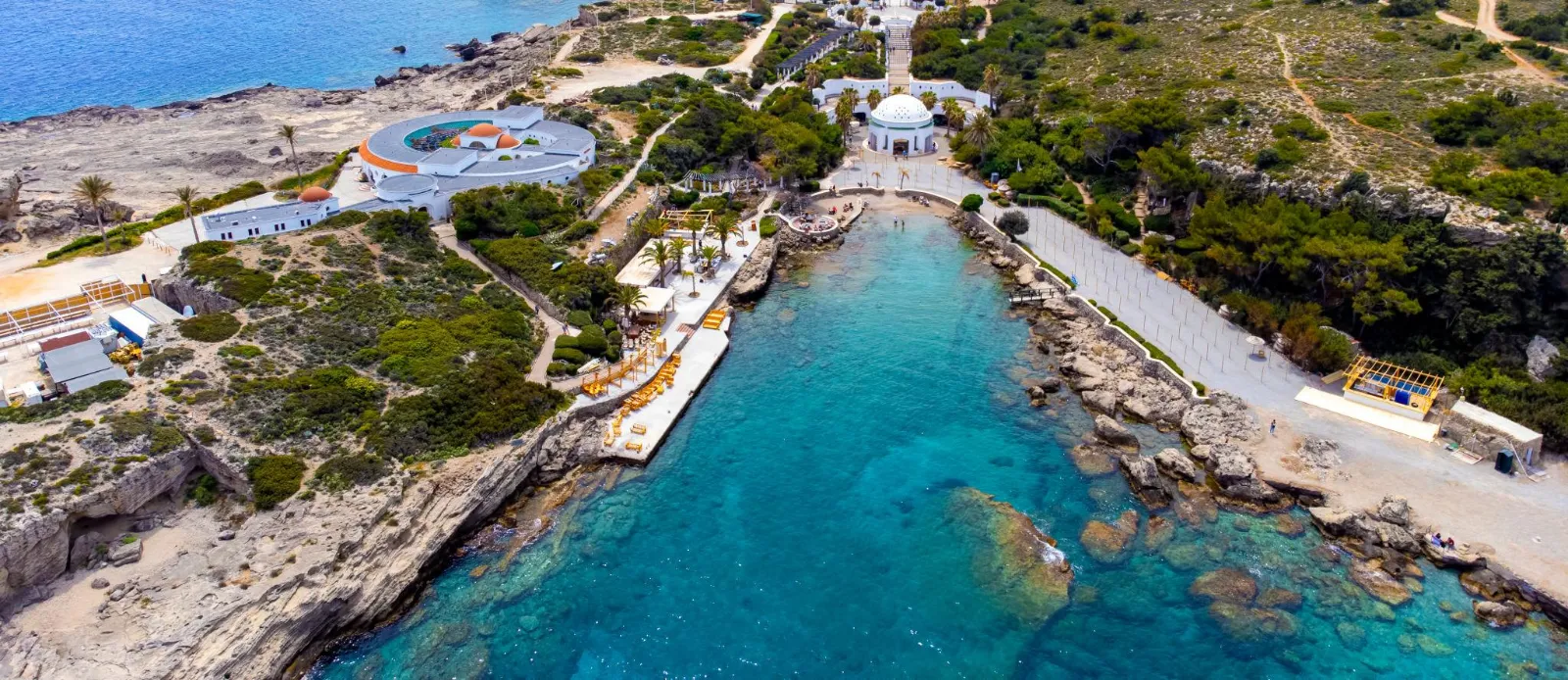
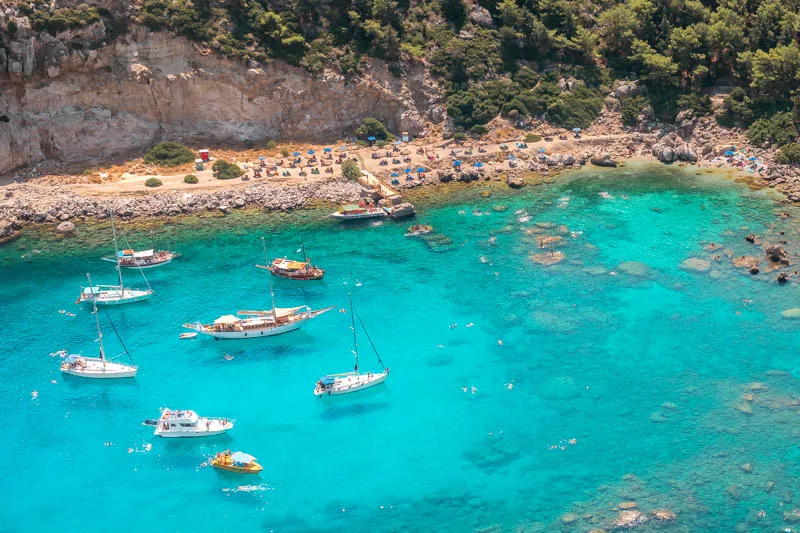
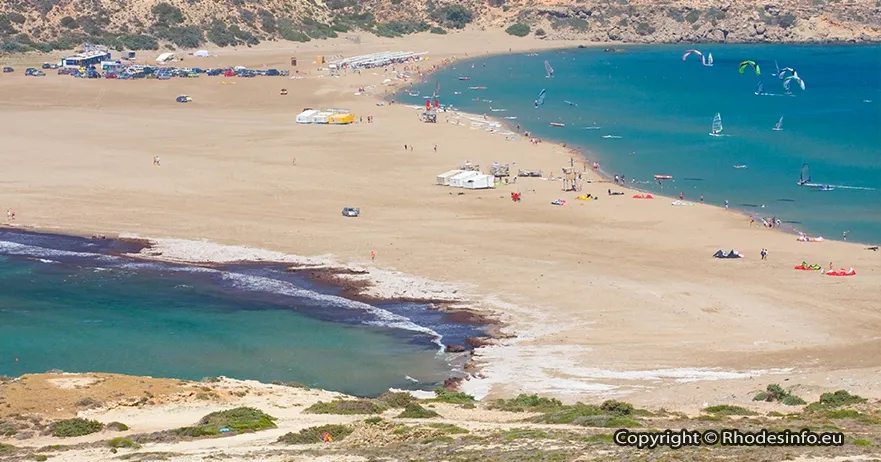
The east coast of Rhodes is where the island’s finest beaches are strung together in a glittering sequence. Tsambika Beach is perhaps the most celebrated — a wide crescent of golden sand backed by a dramatic rocky headland, with water so clear and turquoise that from the deck of a yacht it looks almost unreal. Accessible in ways that landlocked visitors cannot match, the east coast offers a succession of wonderful swimming spots that reward a leisurely morning cruise south from Rhodes Town. Prasonisi at the very southern tip is a surfer’s paradise where the Aegean and Mediterranean seas meet in a single breathtaking point.
Valley of the Butterflies
About 25 kilometres south of Rhodes Town, the Petaloudes — Valley of the Butterflies — is one of the island’s most enchanting natural surprises. This lush nature reserve is criss-crossed with wooden bridges, shaded by ancient oriental sweetgum trees, and threaded through by a mountain stream that cascades into small waterfalls. Between June and September, thousands of Jersey tiger moths gather here in the cool shade. It is a wonderfully peaceful escape from the summer heat — quiet, green, and entirely unlike anywhere else on the island.
Embona and the Wine Country
Tucked into the foothills of Mount Attavyros in the island’s western interior, the traditional village of Embona is the spiritual home of Rhodian wine. The slopes surrounding it produce some of Greece’s most distinctive varietals, and the local wineries — some family-run for generations — welcome visitors for tastings of their Athiri whites and Mandilaria reds with a warmth that is entirely typical of this island. Paired with a lunch of grilled meats and local cheeses on a shaded terrace overlooking the green hillsides, a morning in Embona offers a deeply authentic side of Rhodes that the coastline alone cannot reveal.
Why Choose Rhodes
Rhodes occupies a singular position among the Greek islands in that it genuinely offers something extraordinary for every kind of traveller — and this is not something that can be said of many places. It is an island equally at home welcoming the history-obsessed explorer who wants to lose three days in the medieval Old Town, the beach-loving family in search of calm azure shallows and golden sands, the foodie after fresh octopus and chilled local wine at a harbour taverna, and the adventure-seeker who wants to kitesurf where two seas collide at the island’s southern tip. Very few destinations balance these worlds so effortlessly, and fewer still do so with such style.
For those arriving by yacht, Rhodes offers an additional and very particular magic. The island’s coastline — stretching some 220 kilometres — reveals a completely different character depending on where you approach it. The north coast presents the drama of the medieval city rising from the sea. The sheltered east coast opens its finest beaches and the theatrical bay of Lindos to those who come by water. The wilder west and southern reaches offer solitude, dramatic scenery, and the kind of undisturbed anchorages that are simply impossible to reach by land. A yacht does not merely transport you to Rhodes — it gives you the full, layered, magnificent version of it.
What ultimately distinguishes Rhodes from every other island is the sheer depth and authenticity of its character. This is not an island that was reinvented for tourism. Its medieval streets were built by knights who genuinely believed they were defending the gates of Christendom. Its hilltop acropolises were sacred to gods who were worshipped with genuine devotion for a thousand years. Its tavernas have been run by the same families through generation after generation. The history here is not decoration — it is the living fabric of the place. When you sail into Rhodes, you are not visiting a replica of something magnificent. You are sailing into the real thing.