Why Paxoi
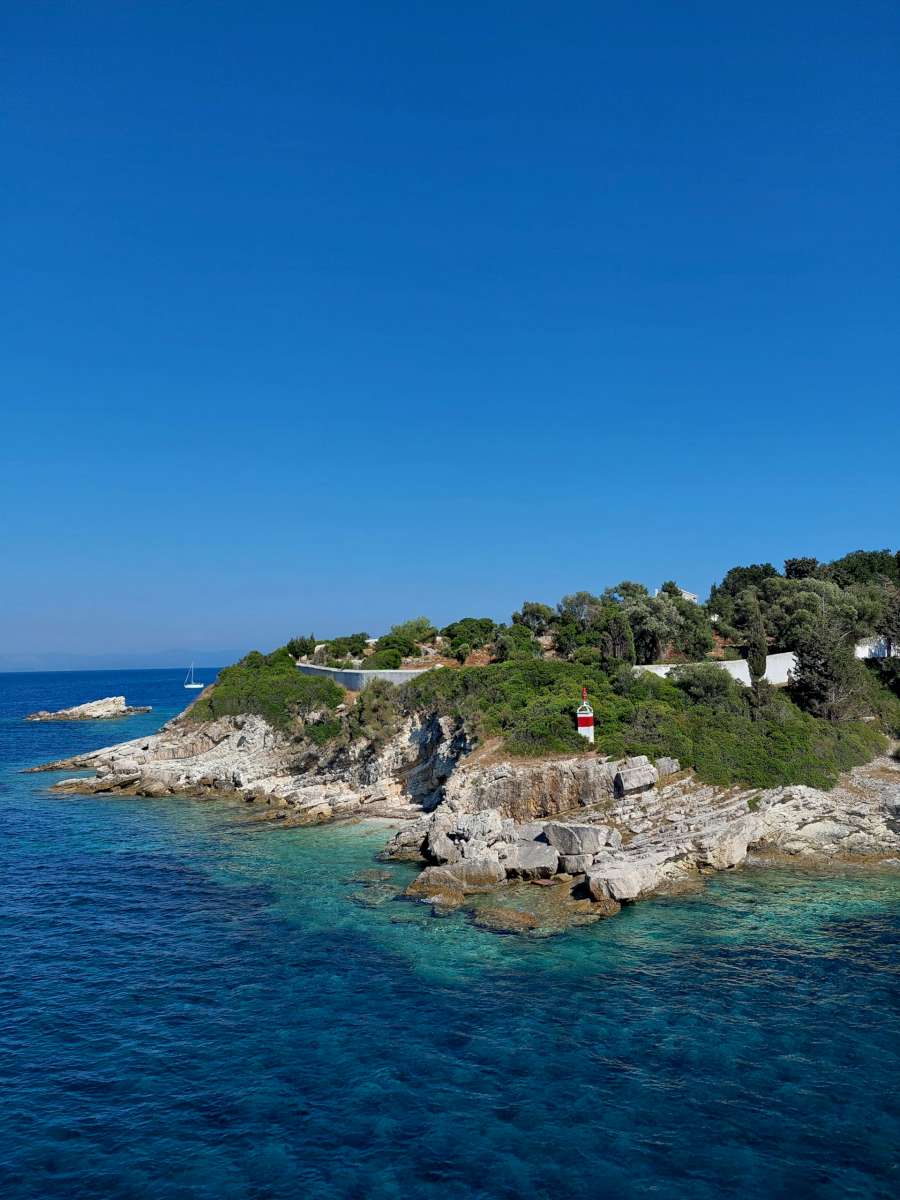
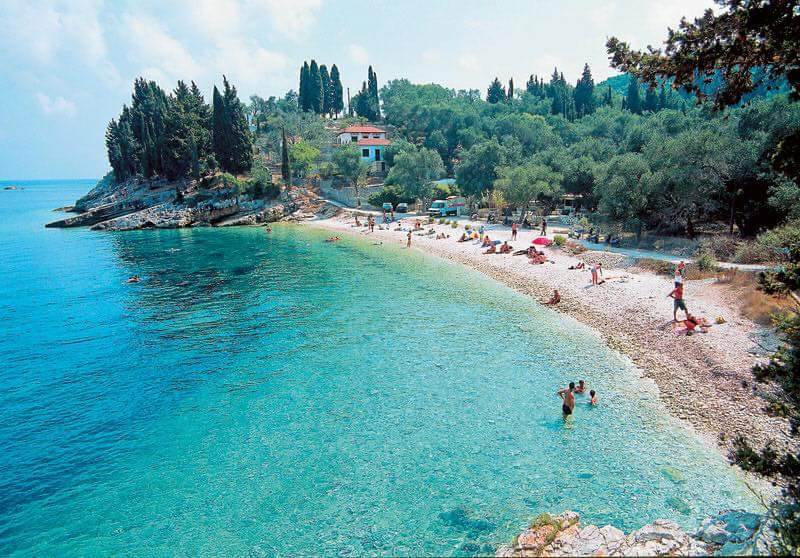
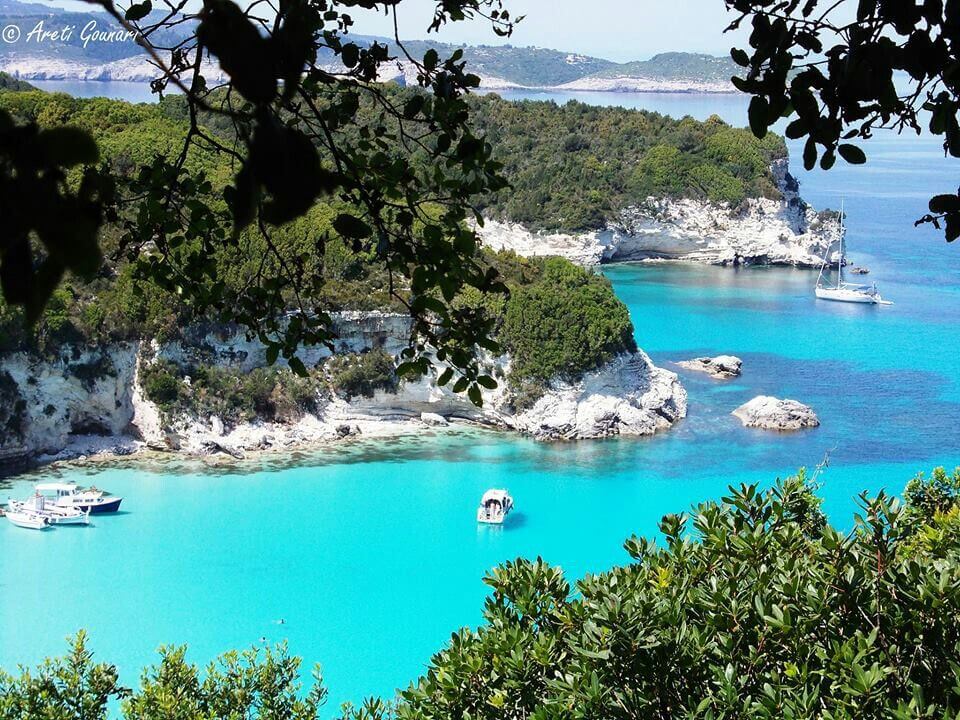
Paxoi — or Paxos, as it is known to the international sailing community that has loved it for generations — is the smallest of the main Ionian islands, a tiny island of barely 25 square kilometres that has achieved, through the particular combination of its extraordinary natural beauty, its ancient olive groves, its three picturesque harbour villages, and the legendary clarity and colour of its water, a reputation among the most discerning visitors to the Ionian Sea as the most perfect small island in the eastern Mediterranean. Lying 12 nautical miles south of Corfu in the narrow channel that separates the Greek coast from the Albanian shore, Paxoi has no airport, no mass tourism, and no ambitions beyond being exactly what it is: a small, ancient, extraordinarily beautiful Ionian island of silver olive groves and emerald coves and three harbour villages of such complete and such effortless charm that the experience of spending a few days here, moving between the villages by the narrow lanes that connect them through the olive groves, is one of the most completely satisfying island experiences available in the entire Greek world.
The mythology of Paxoi is of appropriately romantic character: according to ancient tradition, the island was created when Poseidon severed the southern tip of Corfu with his trident to create a private retreat for himself and his beloved Amphitrite — a divine act of romantic landscaping entirely in keeping with the island’s own quality of perfect, intimate natural beauty. The mythology is charming; the reality is more extraordinary still. The olive groves of Paxoi — covering virtually the entire surface of the island in a continuous canopy of silver-grey leaves through which the Ionian light filters in patterns of extraordinary beauty — are among the oldest continuously cultivated groves in the Mediterranean, many of the trees of Venetian planting and several hundred years old, their massive, gnarled trunks and ancient roots composing a landscape of such complete and such permanent natural beauty that walking through the groves in the late afternoon light, when the silver of the leaves and the gold of the light and the blue of the sea visible through the trees combine in a composition of entirely natural perfection, is one of the most quietly and most permanently memorable experiences available on any Ionian island.
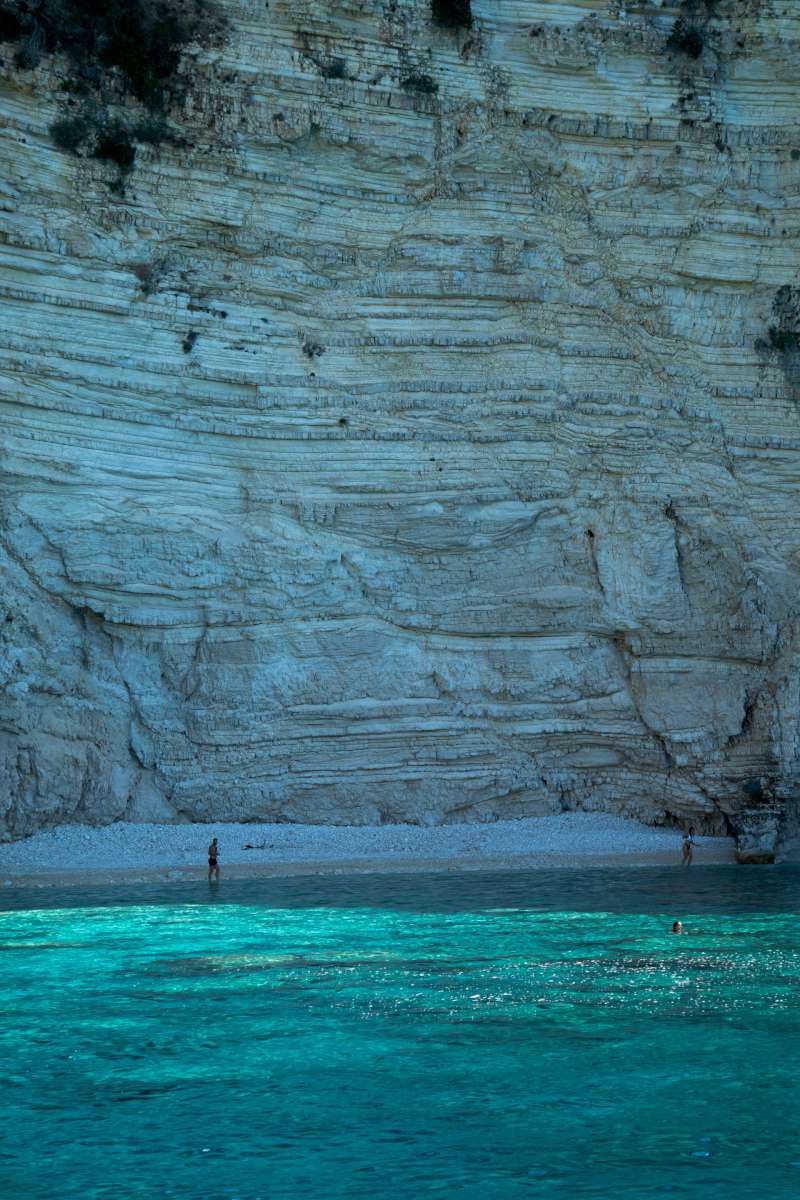
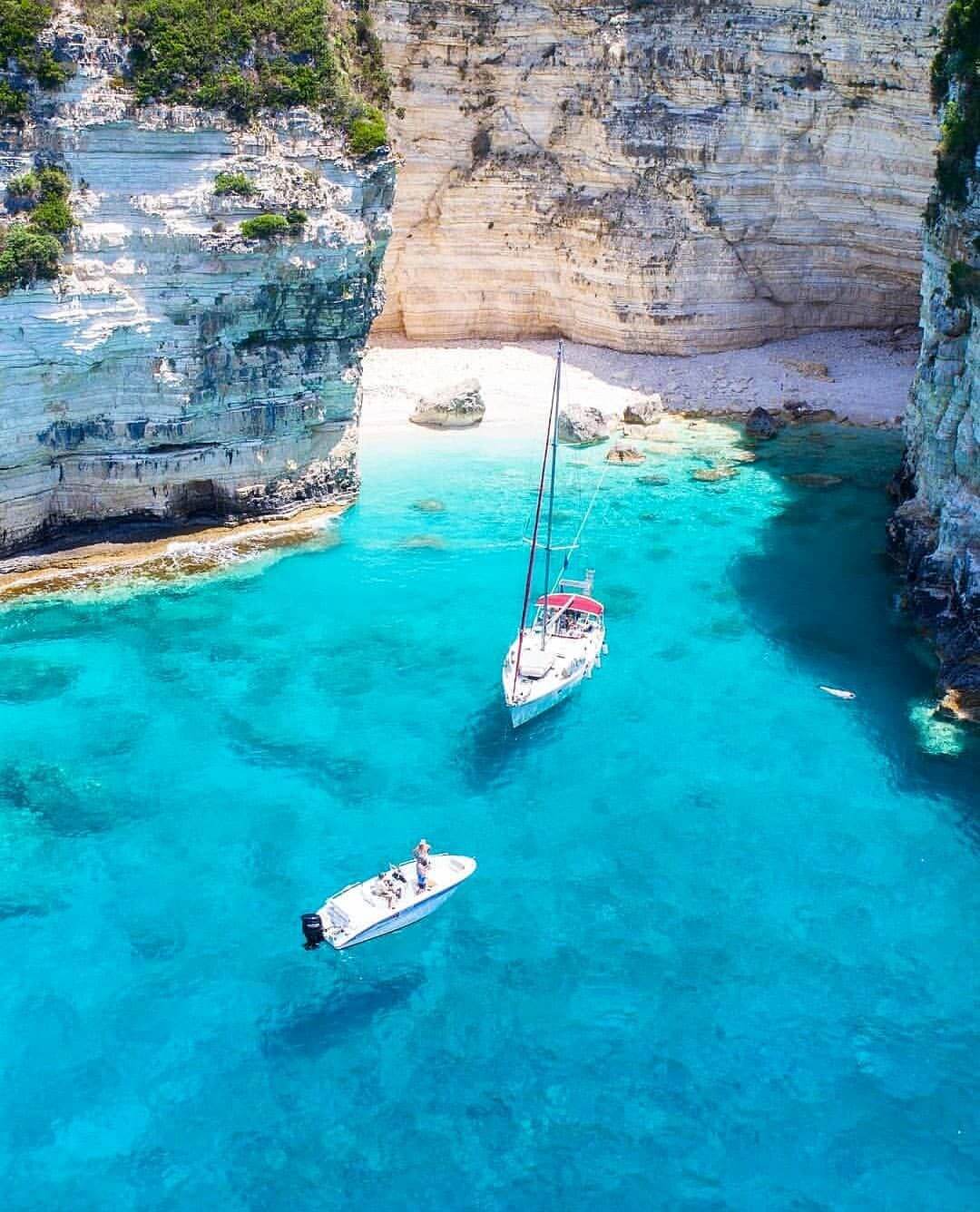
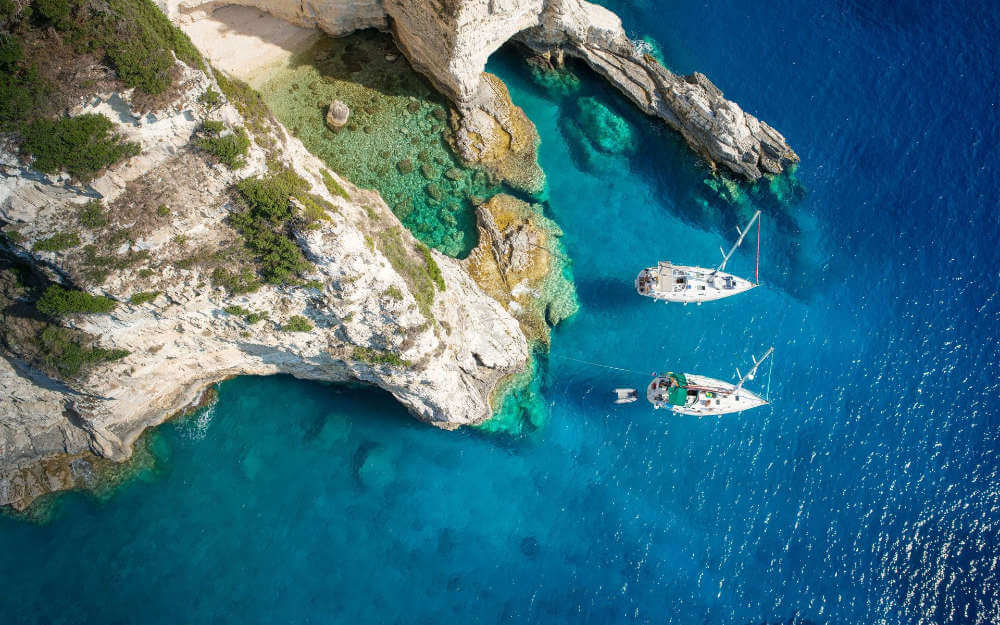
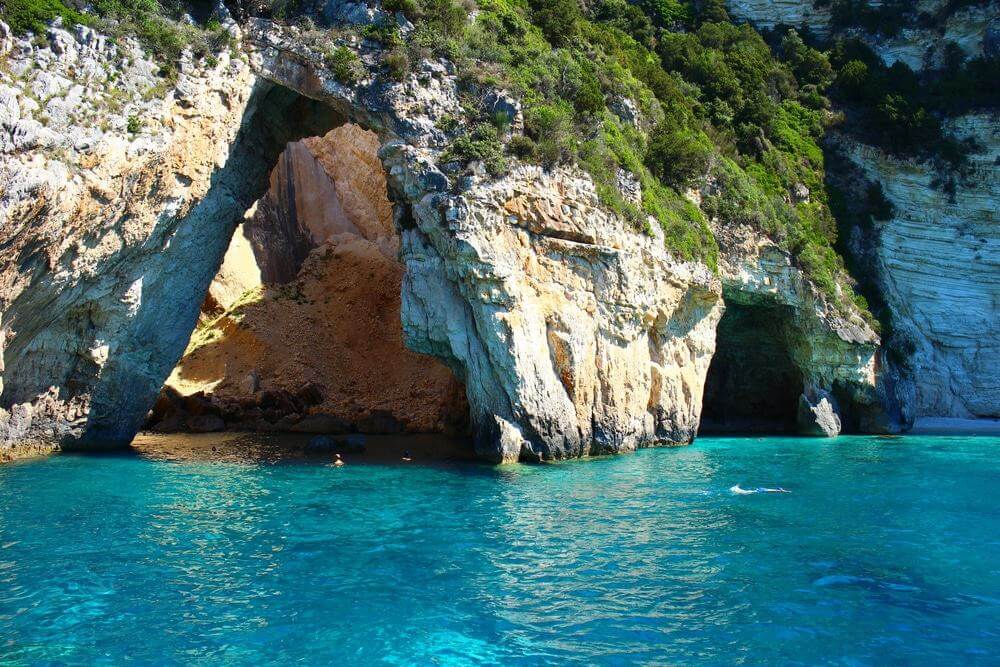
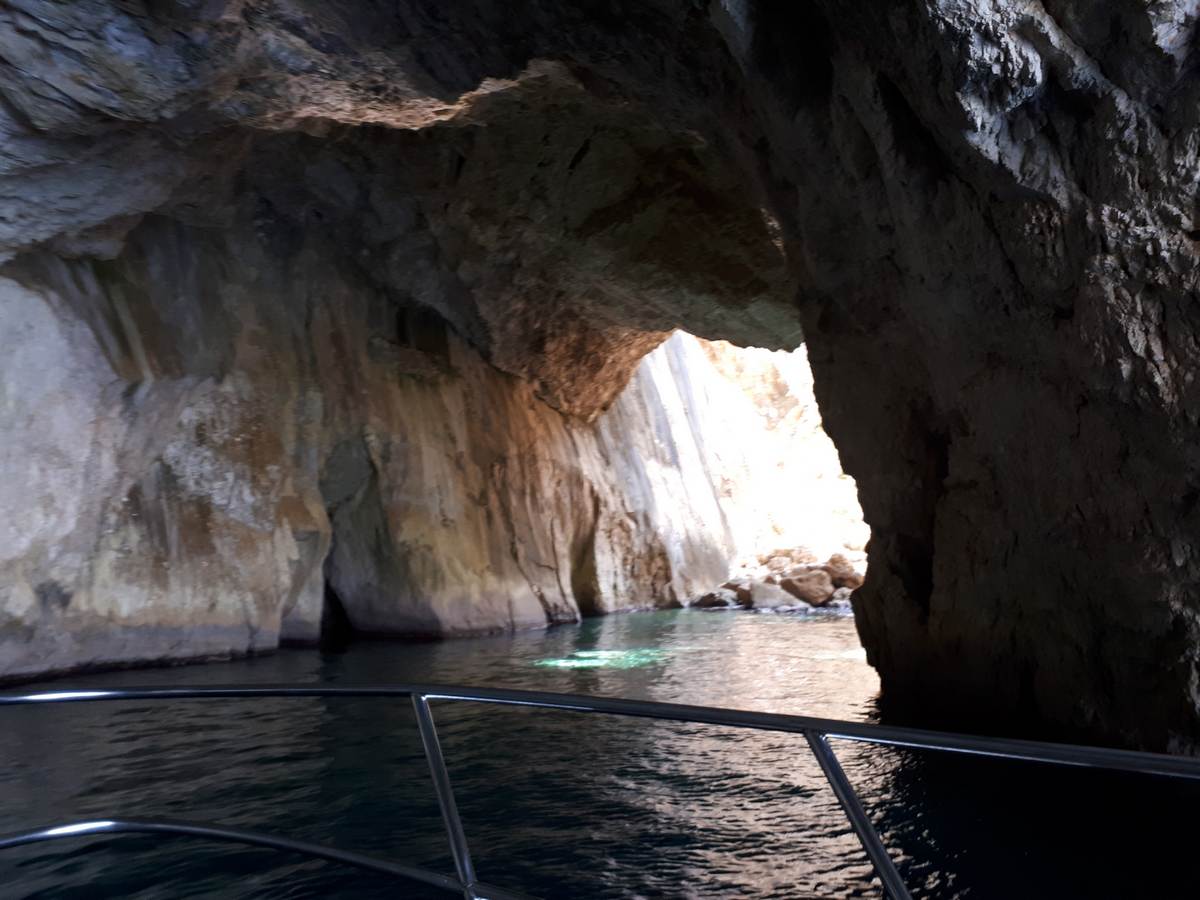
The island’s western coast is one of the most spectacular natural features in the Ionian Sea — a series of sheer limestone cliffs rising to 50 metres above the water, their faces pierced by a succession of sea caves of extraordinary scale and extraordinary beauty, their white and grey rock reflected in the emerald water below in a composition of natural grandeur that the sailing visitors who round the western cape and discover it for the first time consistently describe as one of the finest pieces of natural coastal scenery in the Mediterranean. The caves of the western coast — Hypapanti, Ortholithos, Kastanitha — are accessible by small boat or dinghy, their interiors of great atmospheric beauty, and the combination of the cliff scenery and the cave interiors and the extraordinary water of the western coast creates a boat exploration of extraordinary completeness and extraordinary natural reward.
What to Do and What to See
Gaios — The Island Capital
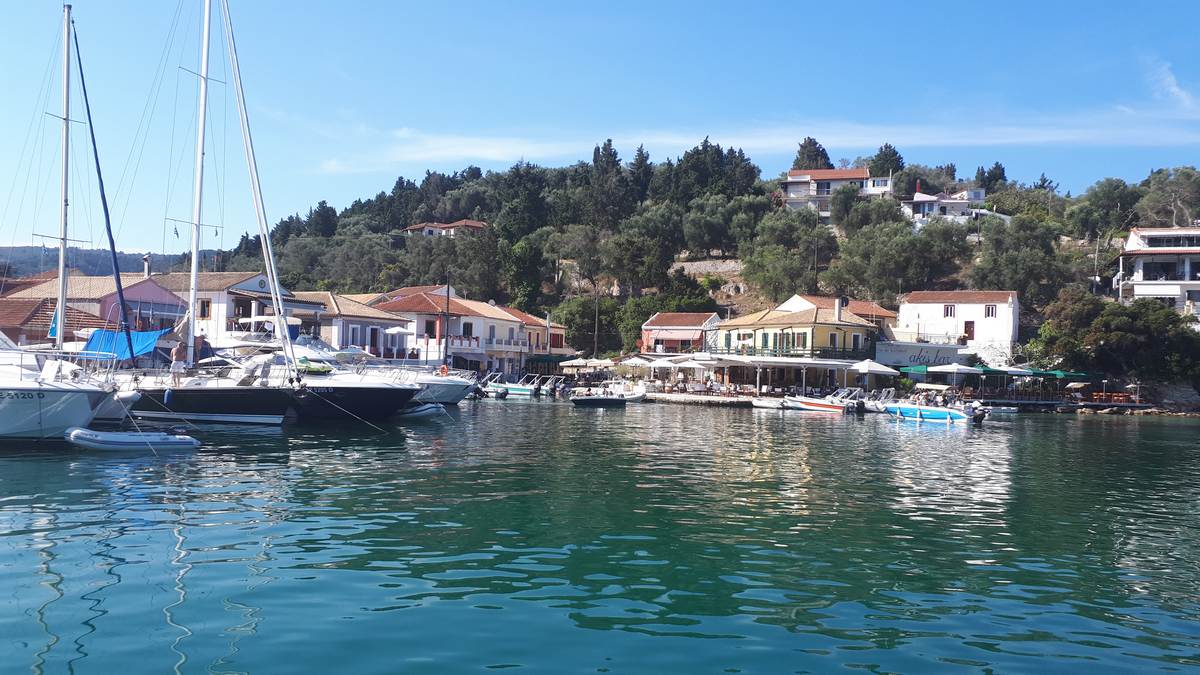
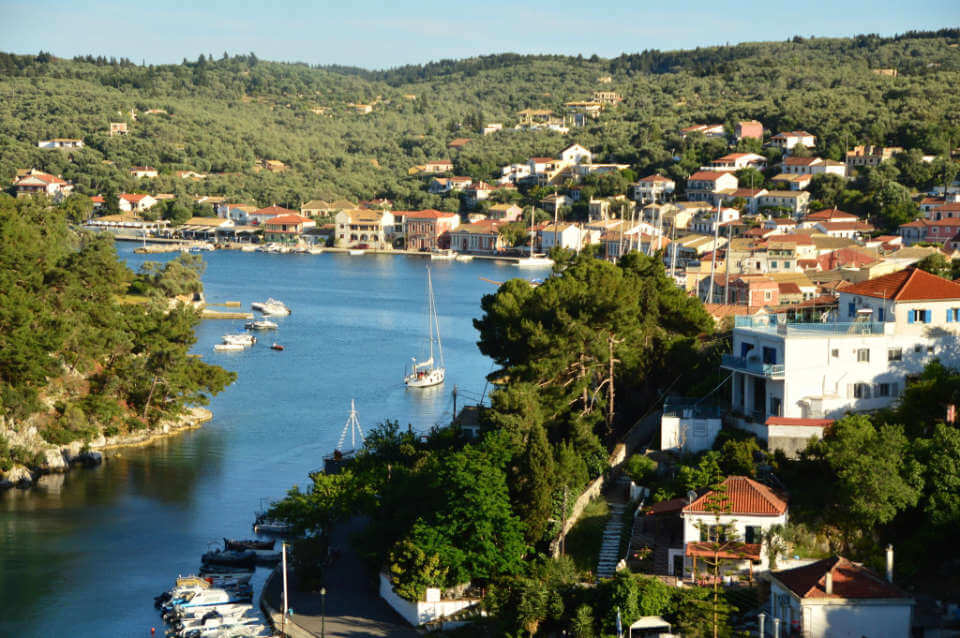
The main village and harbour of Paxoi — Gaios — is one of the most completely charming harbour towns in the Ionian islands: a small, dense settlement of Venetian-influenced architecture arranged around a natural harbour of great beauty enclosed by the wooded island of Agios Nikolaos, its waterfront of traditional buildings housing the tavernas, cafés, and small shops that constitute the entire commercial life of the island’s capital in a setting of such complete and such effortless natural elegance that the experience of sitting at a harbour-front table with a glass of Paxiot olive oil bread and the emerald water of the harbour visible over the rim of the glass is one of the most completely satisfying small harbour pleasures in the entire Ionian world. The lanes behind the waterfront — narrow, Venetian in character, their tall houses of considerable architectural quality — are among the finest in the island and repay an hour of unhurried exploration with a density of architectural and botanical beauty entirely characteristic of Gaios at its most genuinely and most quietly wonderful.
Loggos and Lakka — The Harbour Villages
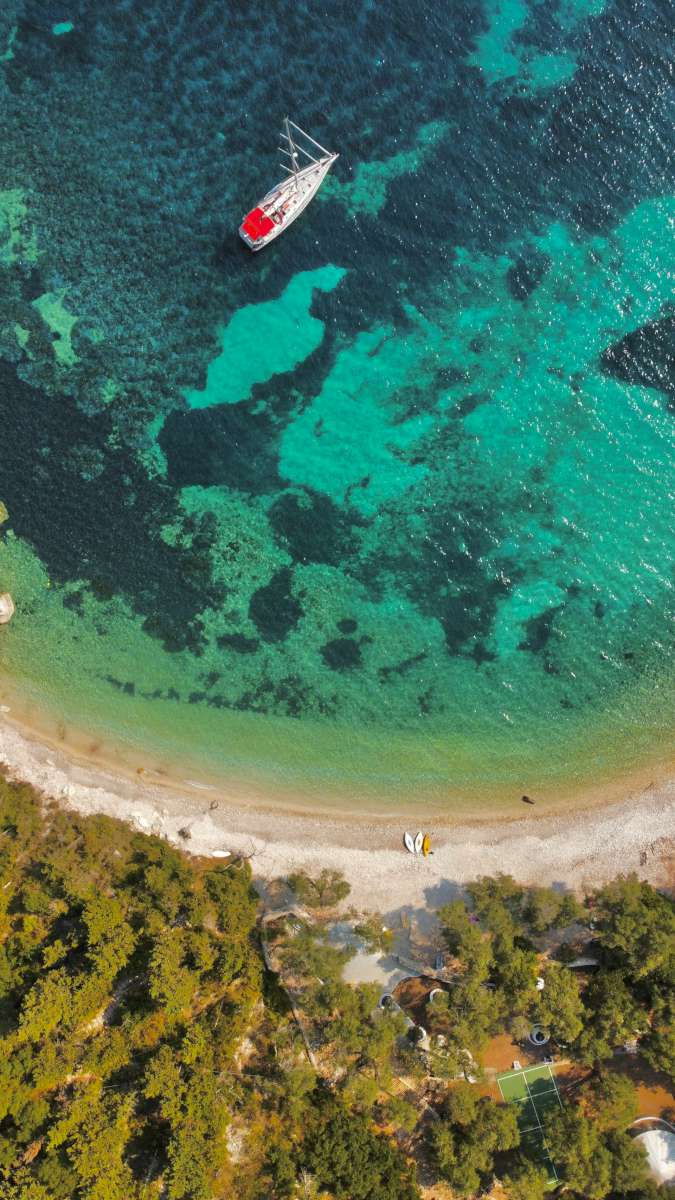
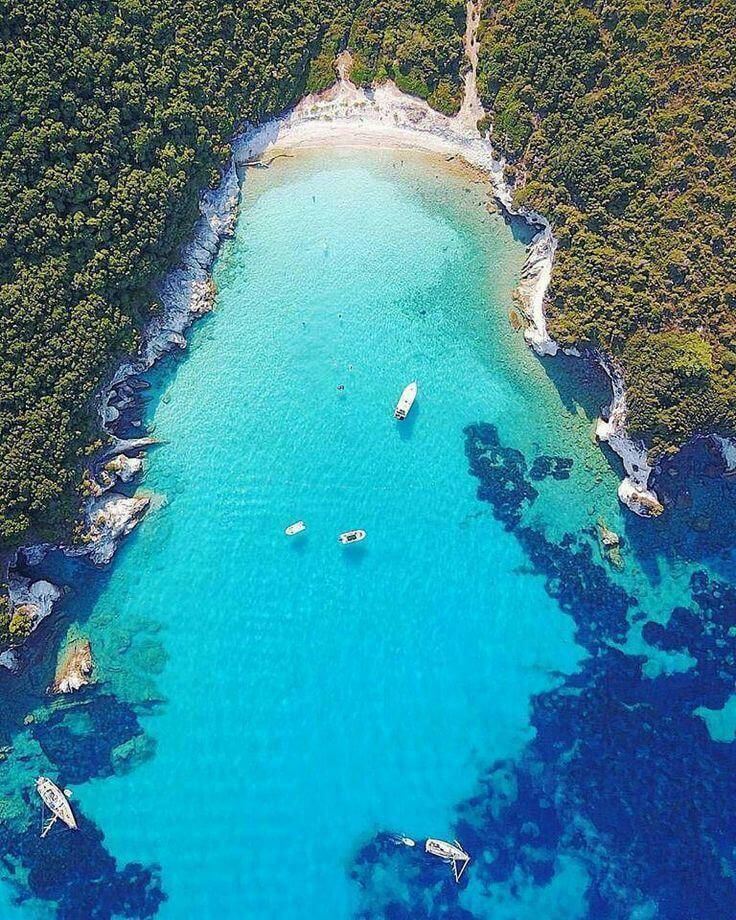
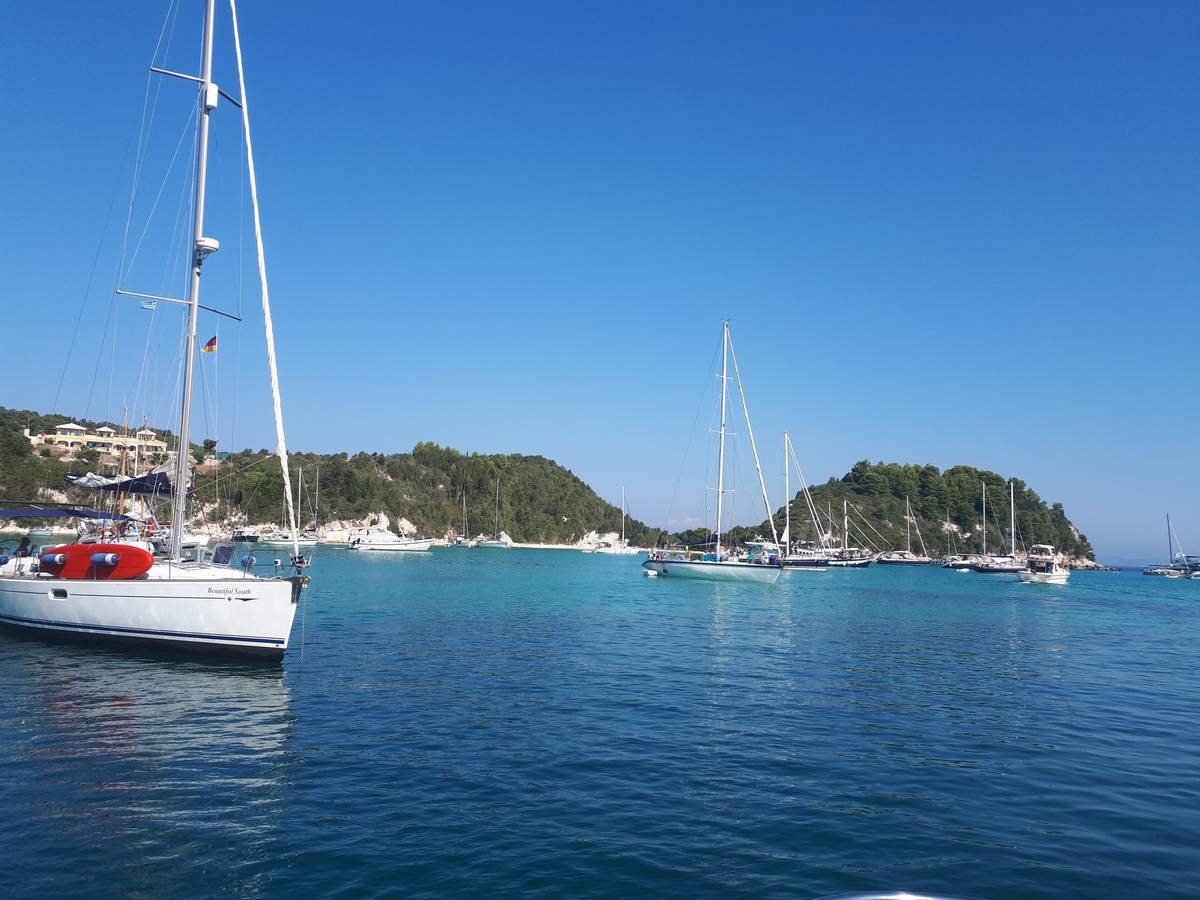
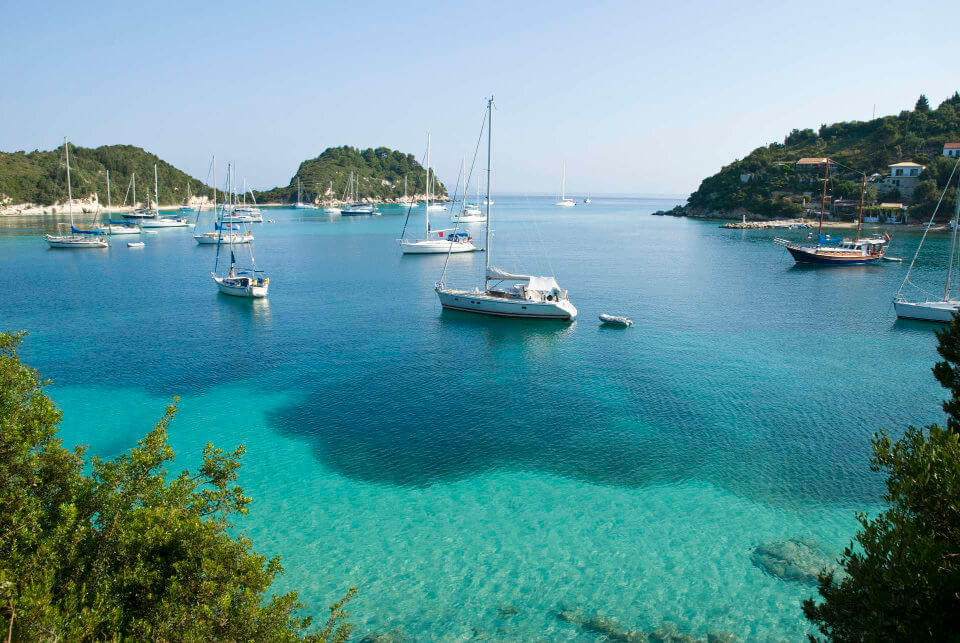
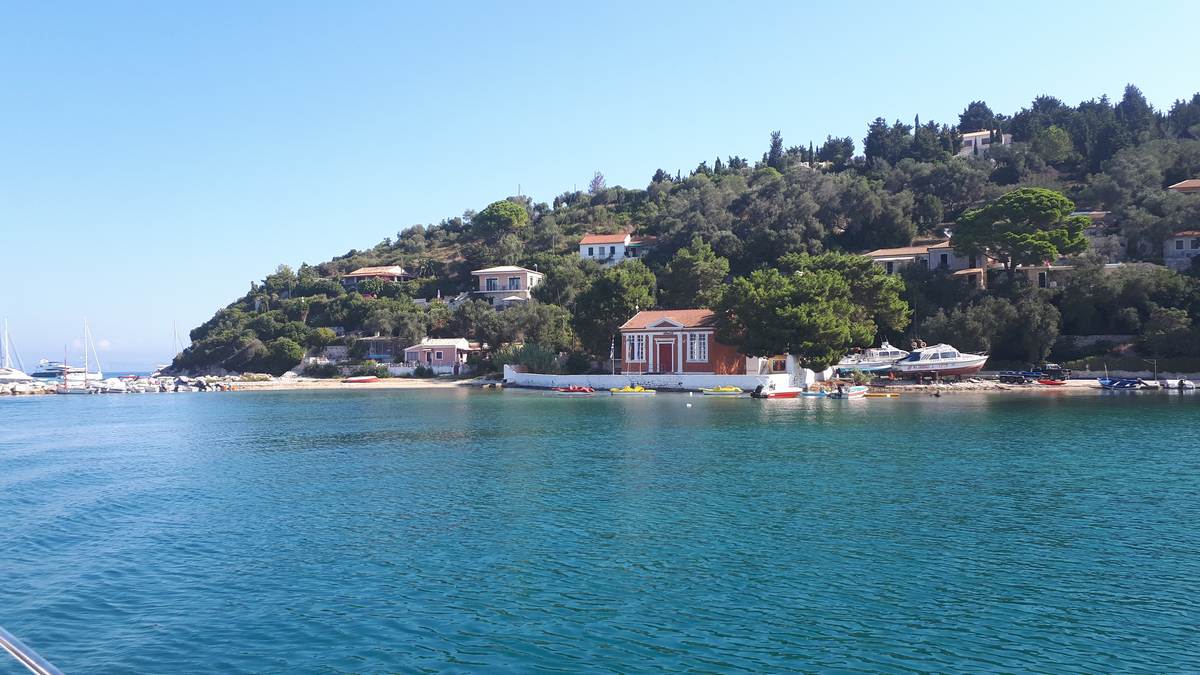
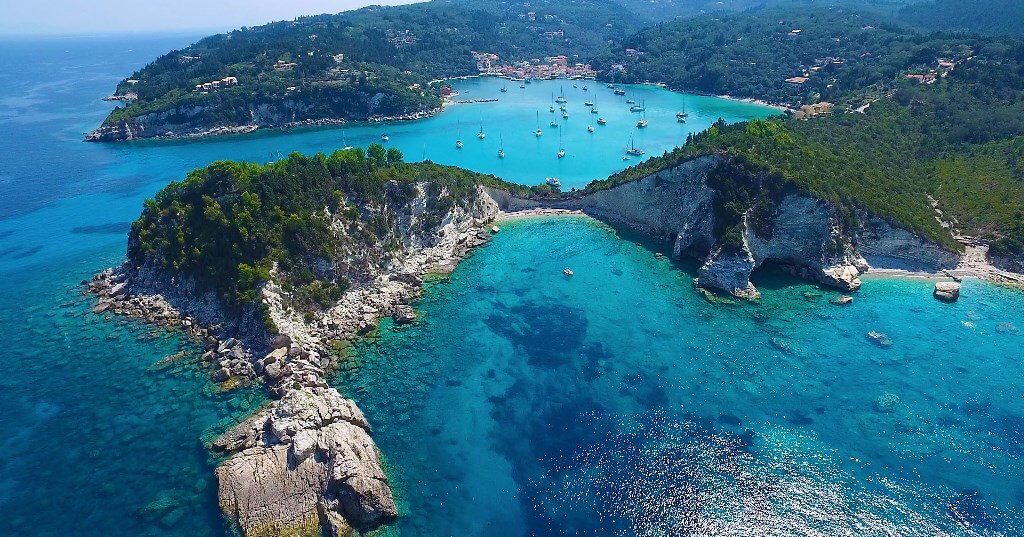
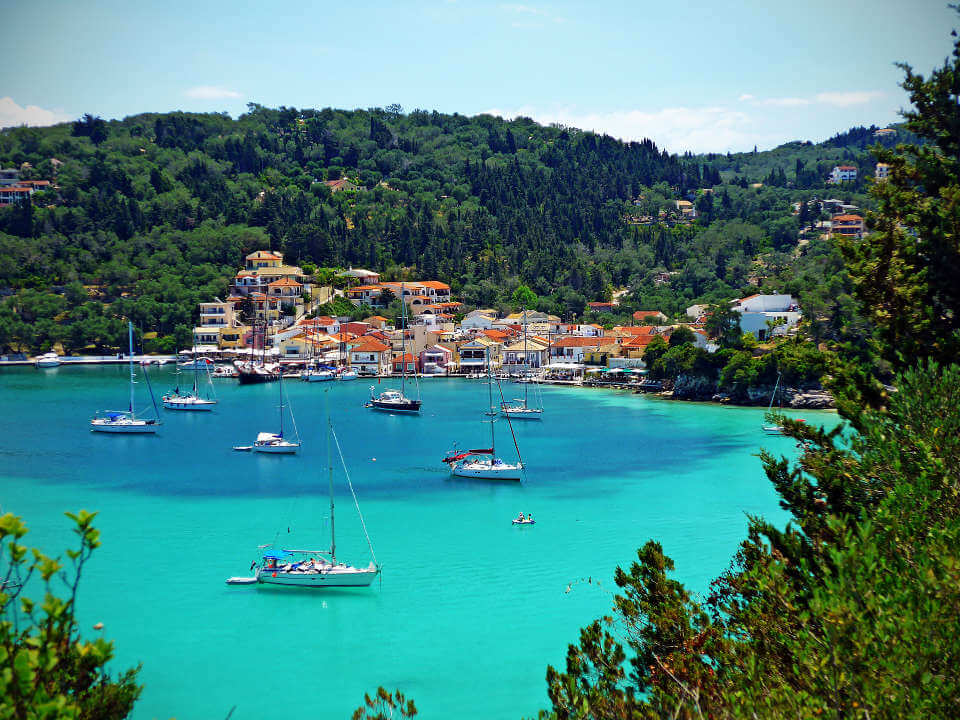
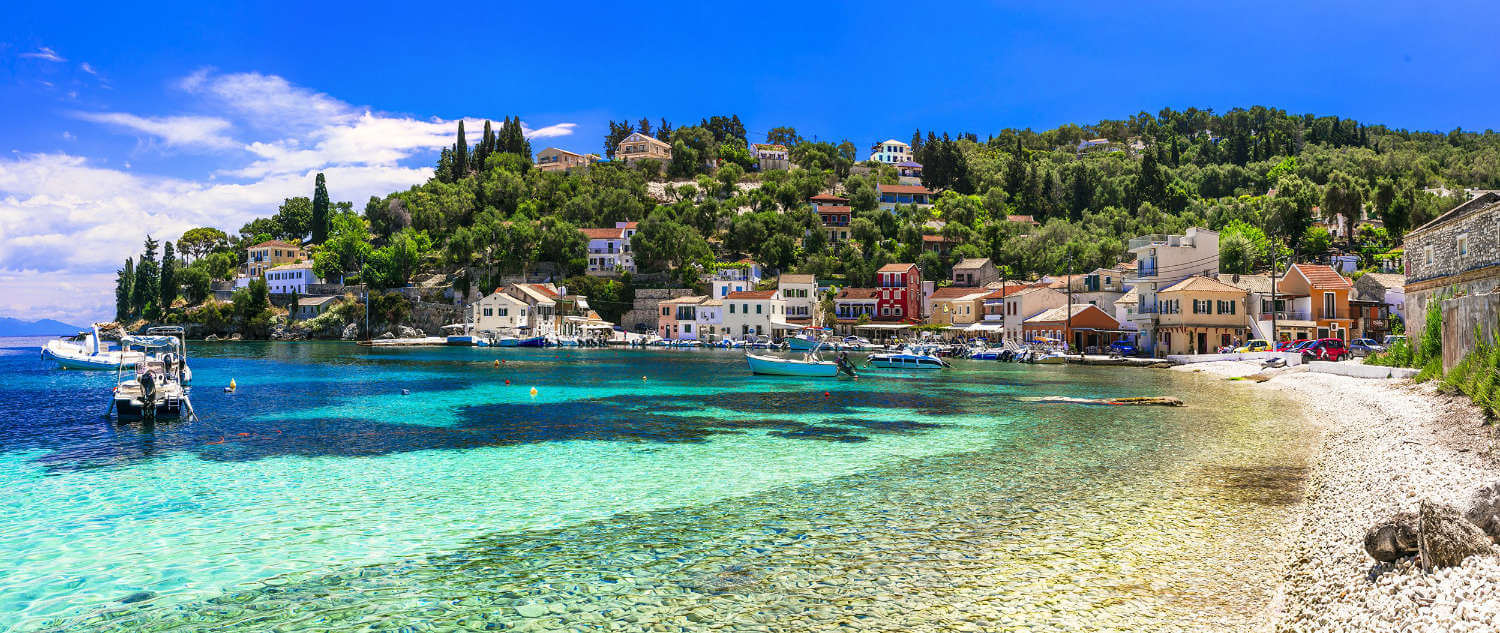
North of Gaios, the two smaller harbour villages of Loggos and Lakka complete the Paxiot harbour trinity. Loggos — a small fishing village of great intimacy and great natural beauty, its waterfront of tavernas and fishing boats set in a narrow bay surrounded by olive-covered hills — is the quietest and most traditionally authentic of the three villages, its excellent fish tavernas and its quality of complete natural quiet making it the preferred destination of those who know the island best. Lakka, at the northern tip of the island, occupies a deeply enclosed horseshoe bay of extraordinary calm and extraordinary beauty — one of the finest small yacht anchorages in the Ionian — its small beach, its handful of tavernas, and the quality of its sheltered water creating a harbour environment of such complete intimacy and such completely satisfying natural beauty that the sailors who discover it consistently rank it among their favourite anchorages in the entire Mediterranean.
The Western Cliffs and Sea Caves
The western coast of Paxoi is the island’s most dramatic natural feature — a series of sheer white limestone cliffs rising 50 metres from the sea, their faces carved by centuries of Ionian wave action into a succession of arches, grottoes, and sea caves of extraordinary scale and extraordinary natural beauty. The sea caves of the western coast — particularly the great cave of Hypapanti, whose interior extends deep into the cliff in a chamber of great natural beauty lit by the emerald light reflected from the water below — are accessible by small boat from any of the three harbours in calm conditions and constitute one of the finest and most completely memorable boat excursions in the Ionian Sea. The combination of the cliff scenery, the cave interiors, and the extraordinary colour of the water on the western coast — a deep, saturated emerald green entirely characteristic of the Ionian limestone coastline — creates a natural spectacle of great power and great beauty.
Antipaxoi
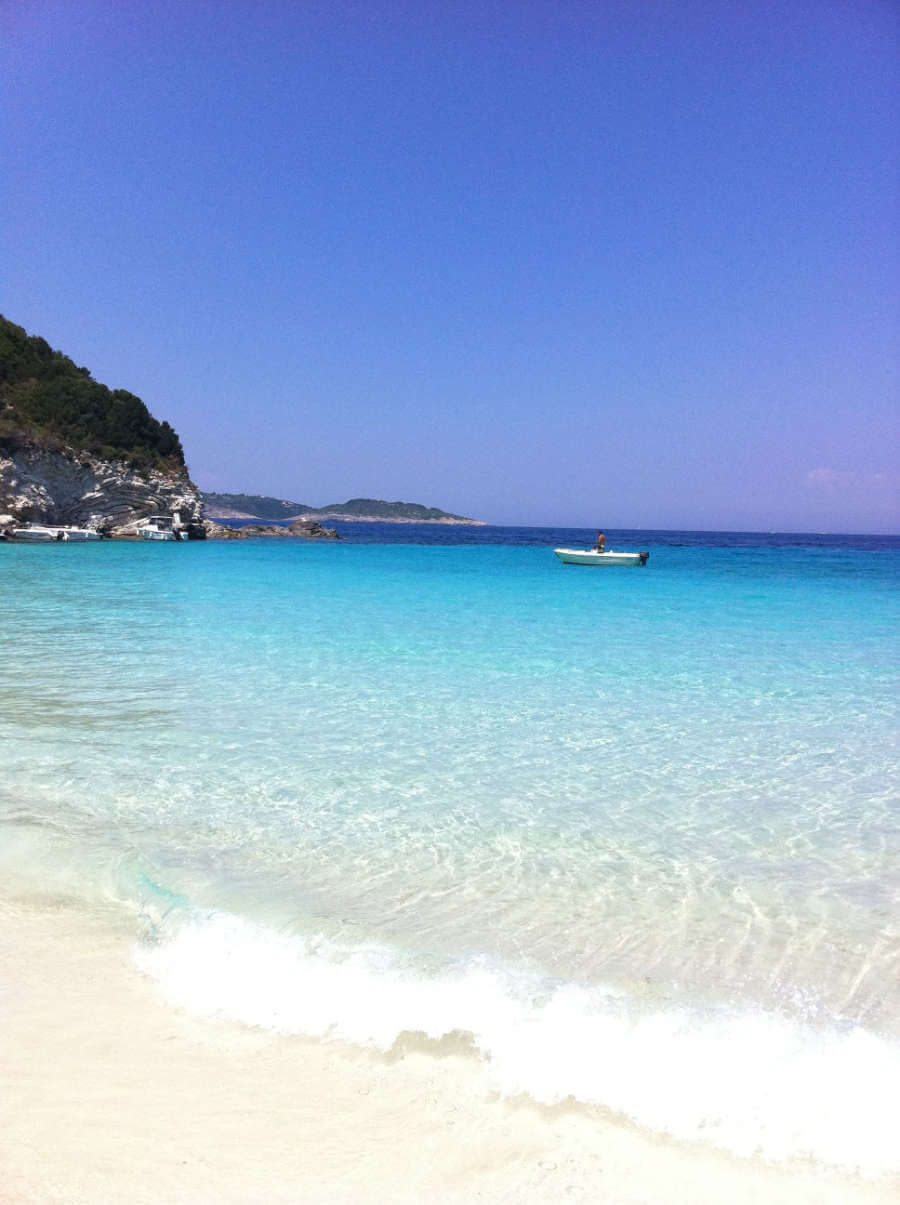
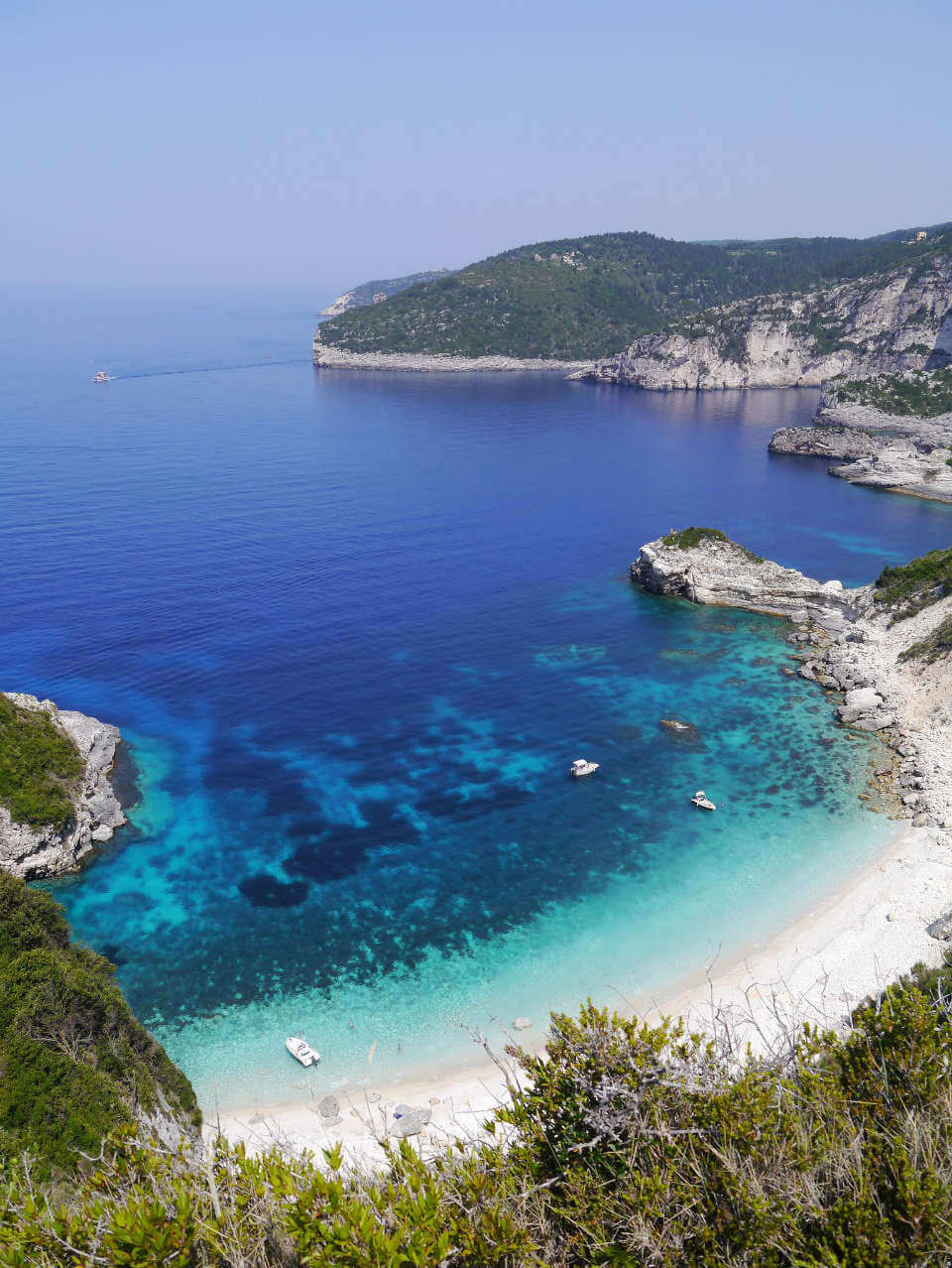
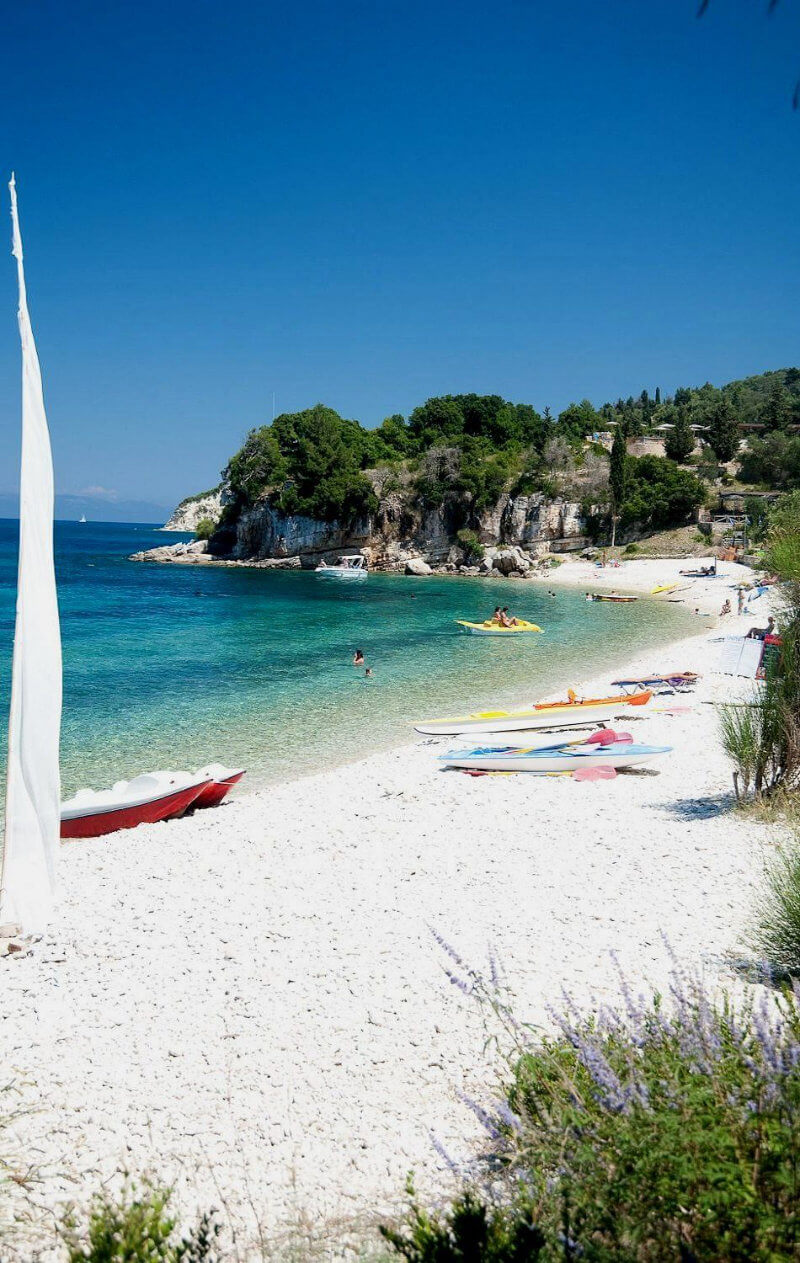
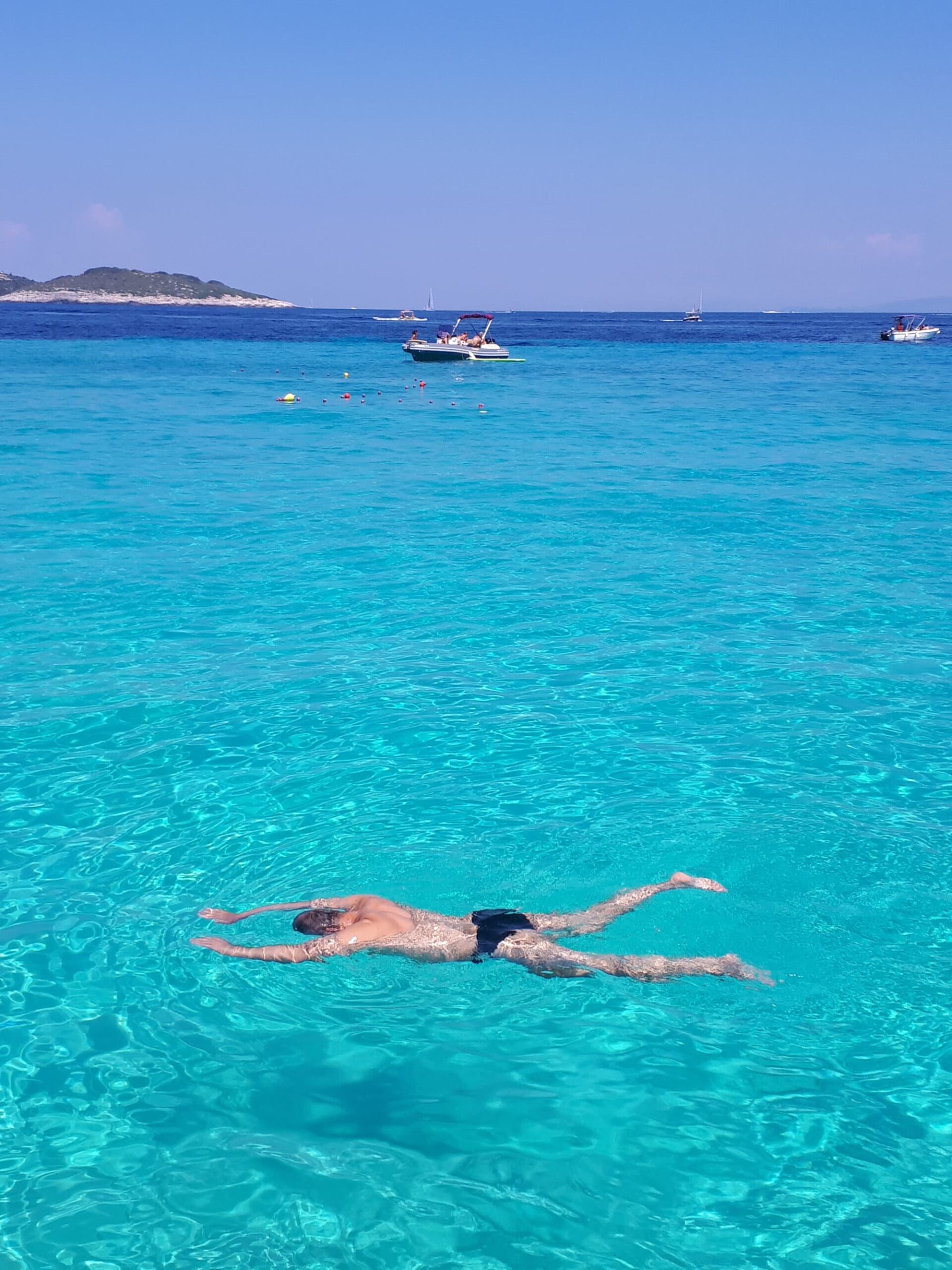
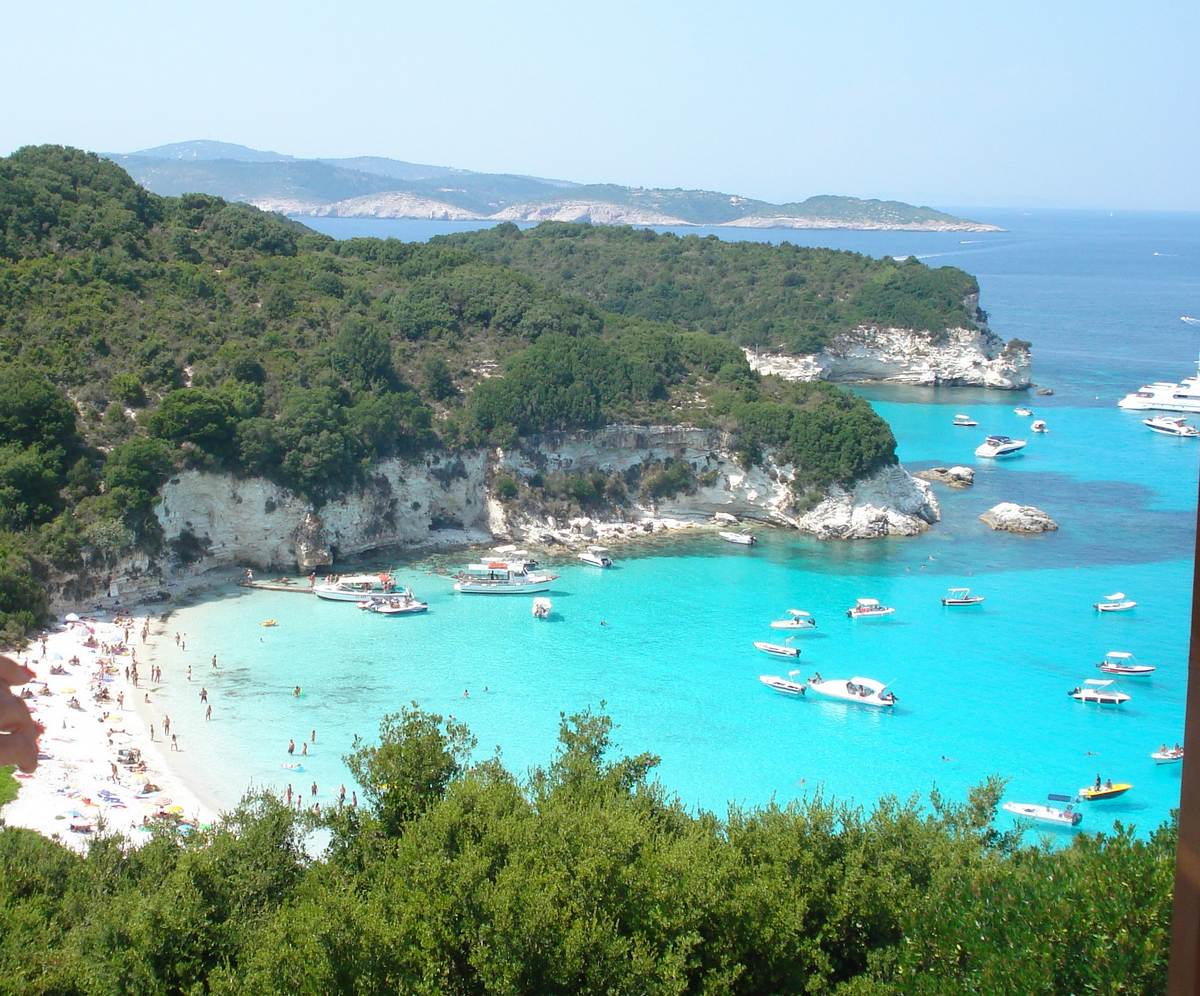
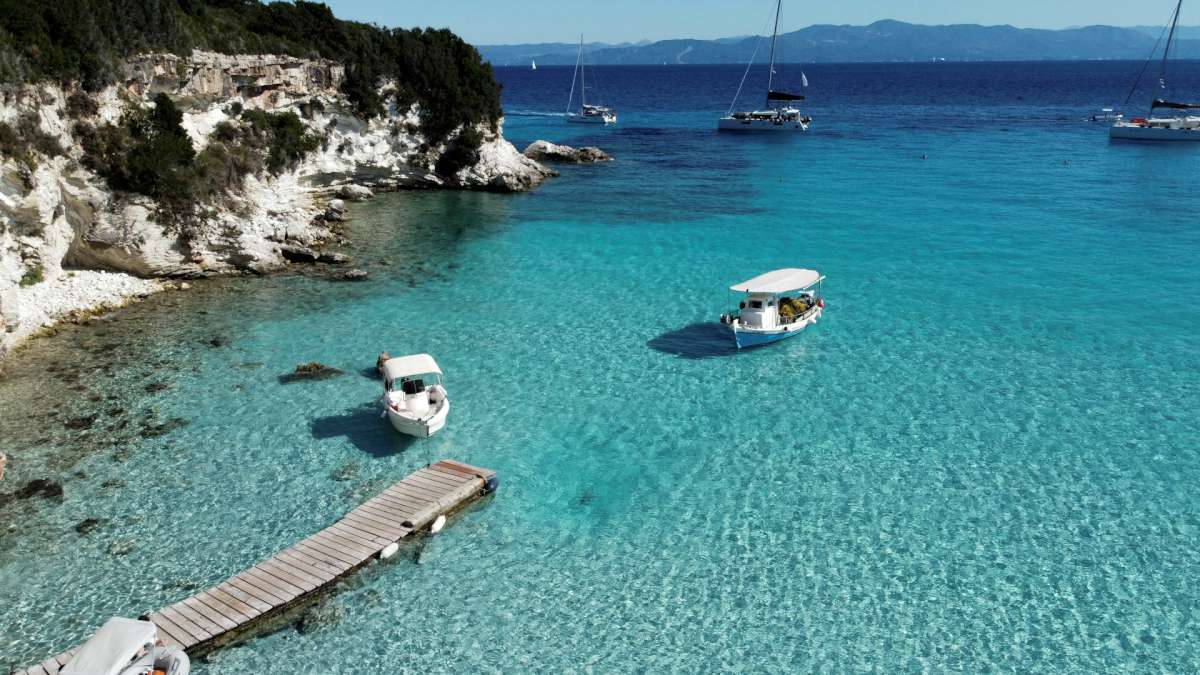
Two nautical miles south of Paxoi, the tiny island of Antipaxoi — accessible by boat from Gaios in 20 minutes — is a small, largely uninhabited island of vineyards and limestone cliffs whose beaches of white sand and turquoise water are among the finest and most completely beautiful in the Ionian Sea. Voutoumi beach and Vrika beach — two arcs of pale sand and extraordinary turquoise water accessible only by boat and set between the limestone cliffs and emerald water of the Antipaxiot coast — are consistently described by those who know the Ionian beaches as among the most beautiful in the entire eastern Mediterranean. Spending a morning anchored off Voutoumi — swimming in water of the most intense and most completely improbable turquoise, the white sand visible through the clear water, the limestone cliffs above — is one of the finest natural experiences available in the Ionian islands.
Why Choose Paxoi
Paxoi is the island for those who want the Ionian at its most completely intimate and its most genuinely perfect — the finest harbour villages, the most extraordinary western cliff scenery, the most beautiful sea caves, and the closest approach to the ideal small island experience available in the eastern Mediterranean — in a destination of such modest size and such complete natural beauty that the experience of knowing it thoroughly, of having walked all its olive-grove paths and swum in all its coves and eaten in all its tavernas over a few days of unhurried island life, leaves a quality of complete and permanent satisfaction that the larger and more famous Ionian islands, with their greater variety and greater scale, cannot quite replicate. For the sailing visitor in the Ionian, Paxoi is the most essential single destination in the northern group — an island of such extraordinary natural beauty and such perfect sailing infrastructure that no itinerary in the northern Ionian is complete without at least two nights at anchor in the harbour of Lakka or the bay of Gaios.