Why Paros
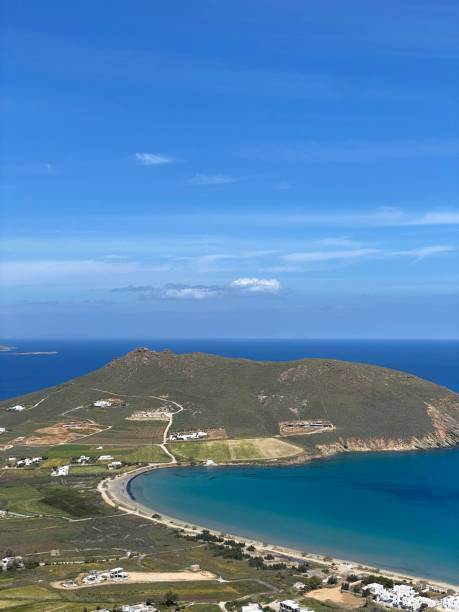
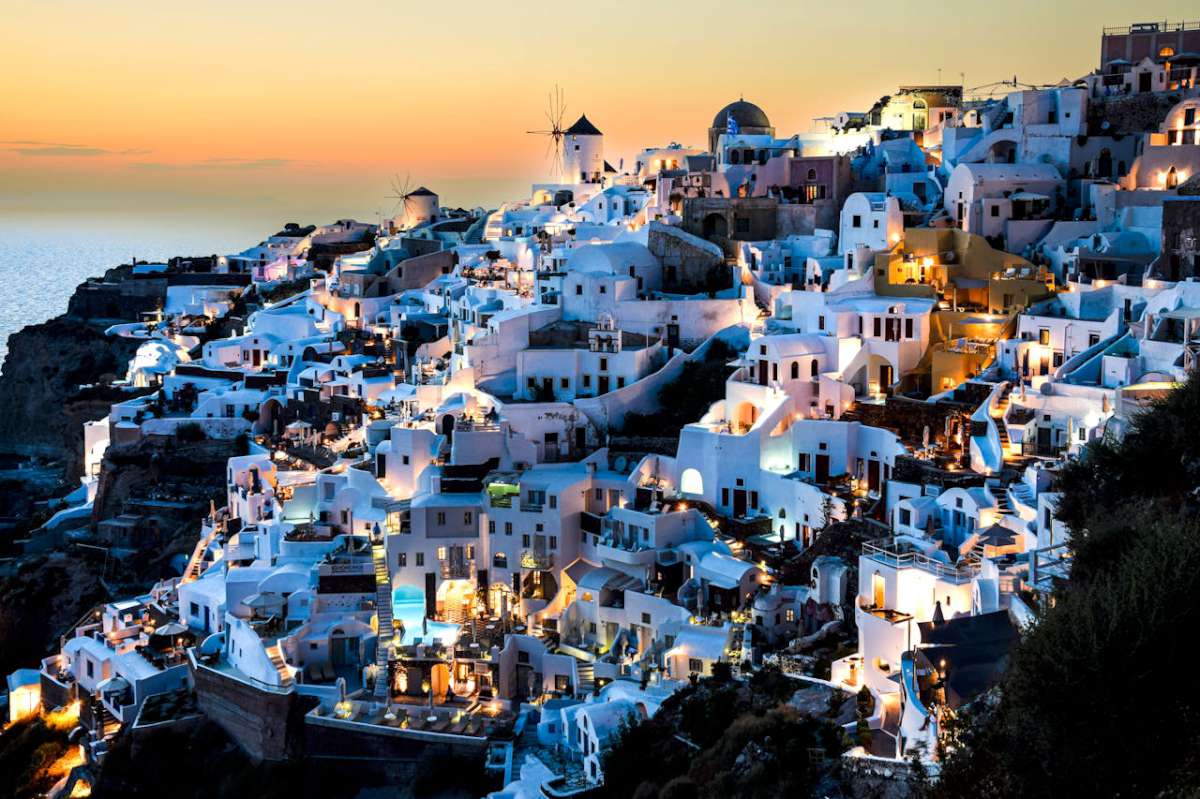
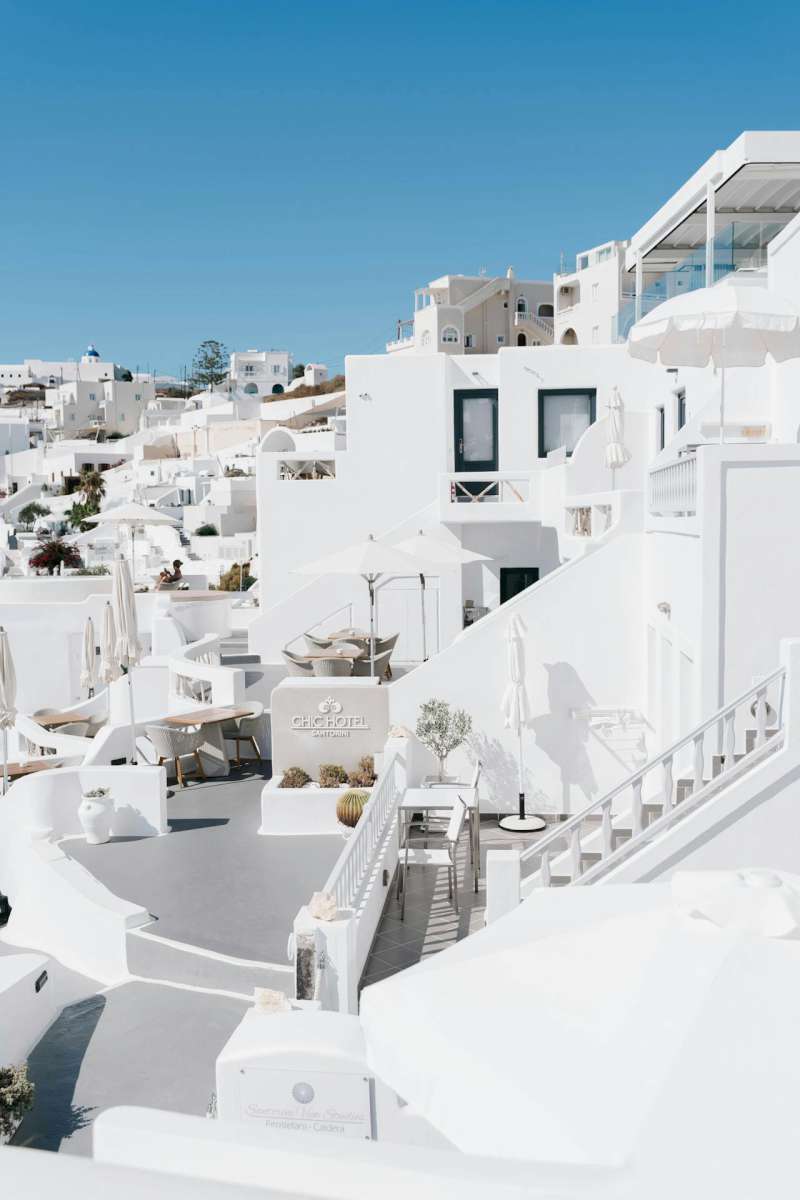
There are islands in the Greek world that seem to have been composed with an almost deliberate sense of balance — as though the forces that shaped the Cyclades understood, when they came to Paros, that the task was not to create something extreme or singular but something complete: an island that offers the full range of Cycladic pleasures in proportions so well calibrated and so generously distributed that it accommodates every kind of traveller with equal ease and equal reward. Paros is this island. The third largest of the Cyclades, lying at the geographic heart of the archipelago between Naxos to the east and the open sea to the west, Paros combines the whitewashed architectural beauty of the classic Cycladic aesthetic with a coastline of 39 beaches of extraordinary variety, a fishing village of international elegance in Naoussa, a capital of great historical depth in Parikia, a marble-built interior village of rare beauty in Lefkes, and a quality of light and sea and Cycladic warmth that has made it, for generations of returning visitors, the most reliably and most completely satisfying island in the archipelago.
The island’s most ancient distinction is its marble — the famous Parian marble, quarried from the subterranean tunnels of Mount Marpessa since the Archaic period and used for some of the most celebrated sculptures in the ancient world: the Venus de Milo, the Nike of Samothrace, the Hermes of Praxiteles — all carved from the uniquely translucent, uniquely fine-grained white stone of Paros, whose quality was considered by ancient sculptors to be without equal in the known world. The marble quarries of Mount Marpessa — their tunnels extending hundreds of metres into the living rock, lit by the pale, diffuse light that filters through the translucent stone itself — are still visitable today, and the experience of standing in those ancient tunnels, surrounded by the same stone that Praxiteles touched, is one of the most direct and most moving encounters with the ancient world available anywhere in the Cyclades. The marble tradition did not end with antiquity; it is present everywhere on the island, in the paved streets of Parikia, in the carved lintels of the Lefkes houses, in the marble-built Byzantine path that crosses the island’s central ridge, and in the quality of the light on the white walls of the Cycladic villages — a light that seems, here more than anywhere else in the archipelago, to glow from within.
Paros has the good fortune of being genuinely, uncommonly beautiful without being overwhelming — an island of human scale and human warmth, where the pleasures of a great beach and an excellent taverna and an evening walk through the lanes of a beautiful village are available with a consistency and a quality that the more famous, more crowded, more extreme islands of the Cyclades increasingly struggle to provide. It is an island that has attracted international visitors of discernment for decades and has been shaped by that attention into a destination of considerable sophistication — in its restaurants, its boutiques, its sailing facilities — without losing the authentic Cycladic character and the genuine community warmth that made it worth visiting in the first place. That balance, maintained with apparent ease over decades of sustained international interest, is Paros’s greatest achievement and its most enduring attraction.
What to Do and What to See
Paros rewards the visitor who moves between its different pleasures with genuine curiosity — between the ancient church and the Venetian harbour, the marble quarries and the Byzantine path, the beach clubs of the northern coast and the silent coves of the south — and who brings to the island the willingness to follow its many invitations without insisting on a fixed itinerary.
Parikia — The Island Capital
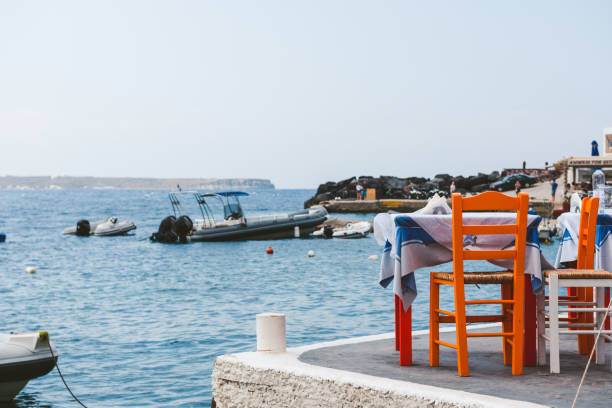
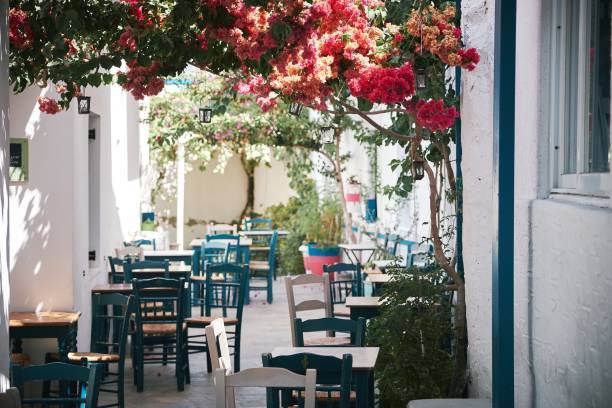
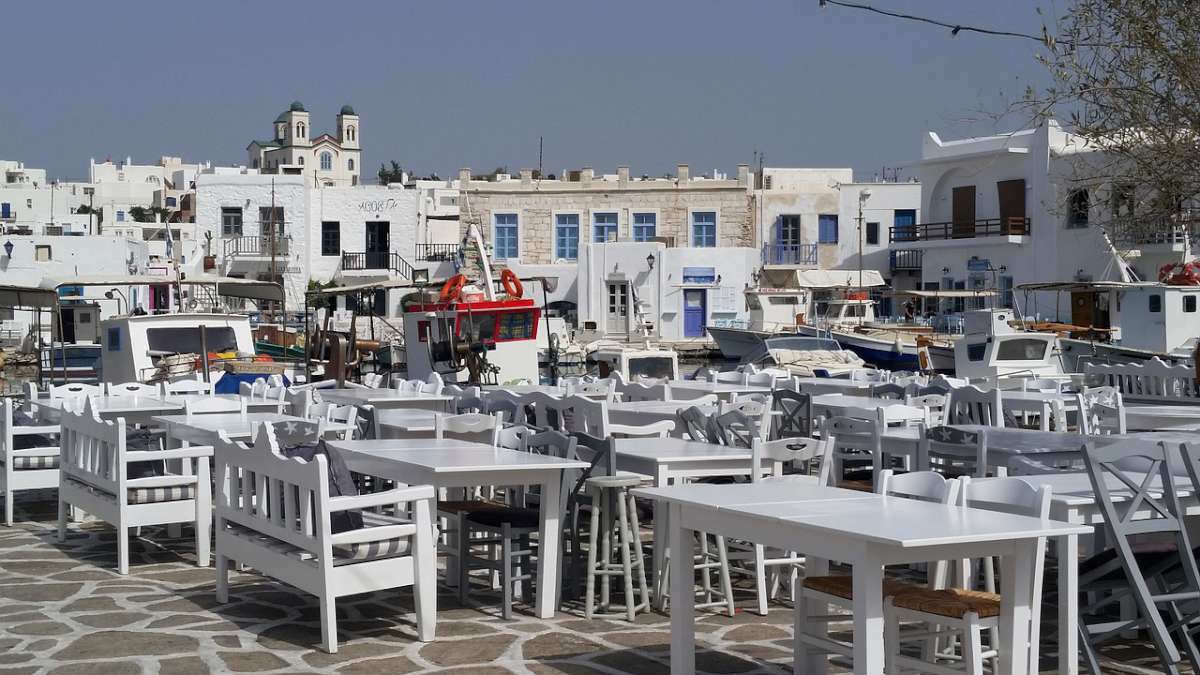
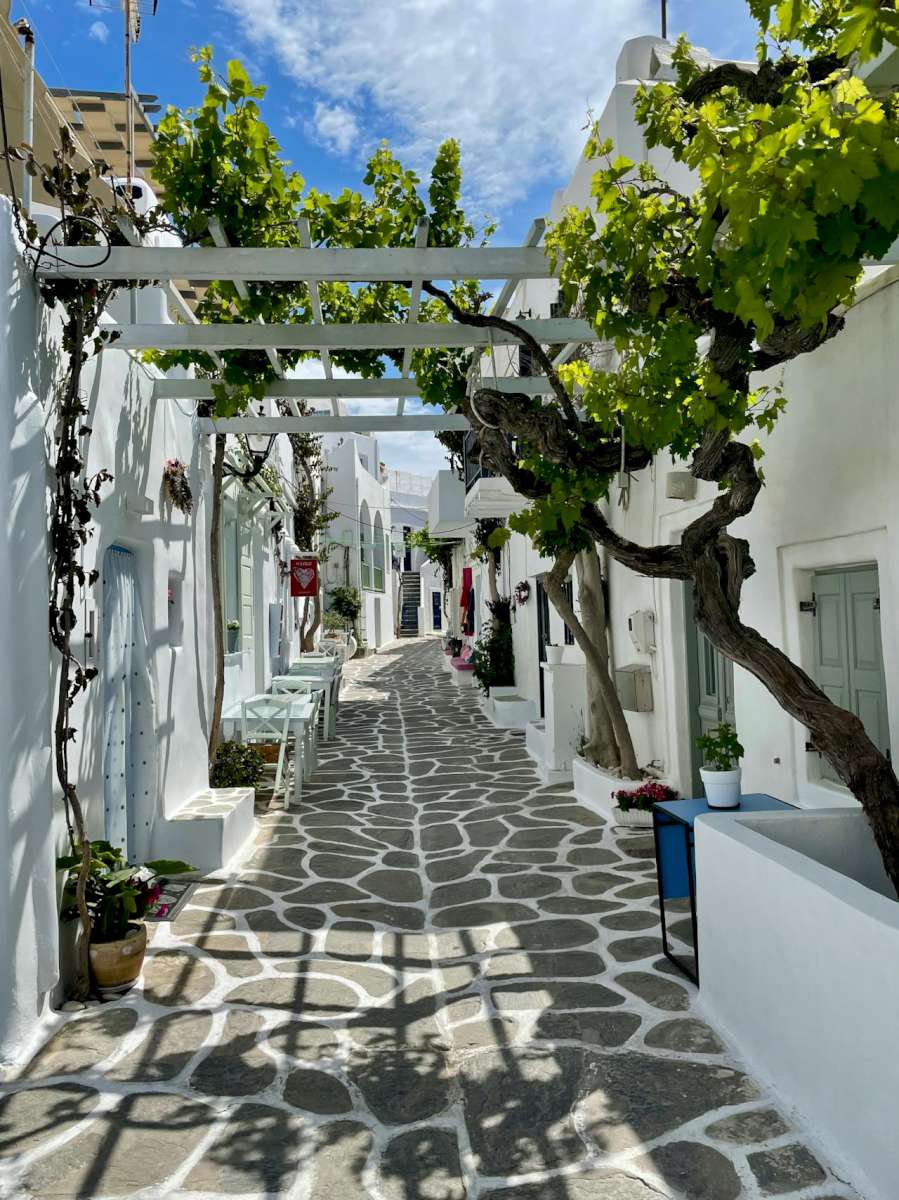
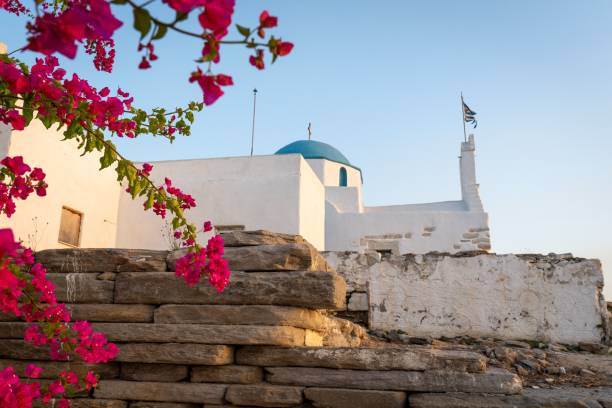
The capital of Paros — Parikia — is a port town of great historical depth and great architectural beauty, its ancient harbour front backed by a dense Cycladic old town of whitewashed lanes, blue-domed churches, and the remains of the Venetian Kastro whose walls incorporate ancient marble columns and architectural fragments with a cheerful disregard for historical propriety that is entirely characteristic of the medieval Aegean. The old town of Parikia — the Kastro quarter — is one of the finest Cycladic historic centres in the islands, its lanes narrow and labyrinthine, its houses decorated with the flowering plants and painted shutters that make a Cycladic street, at any hour of the day or night, a composition of such complete natural elegance that no amount of familiarity diminishes its effect. The harbour front, lined with tavernas and cafés whose outdoor tables look directly onto the water and the arriving ferries, is animated and friendly and entirely characteristic of a Greek island port that has been receiving visitors with grace and without fuss for generations.
The Panagia Ekatontapiliani
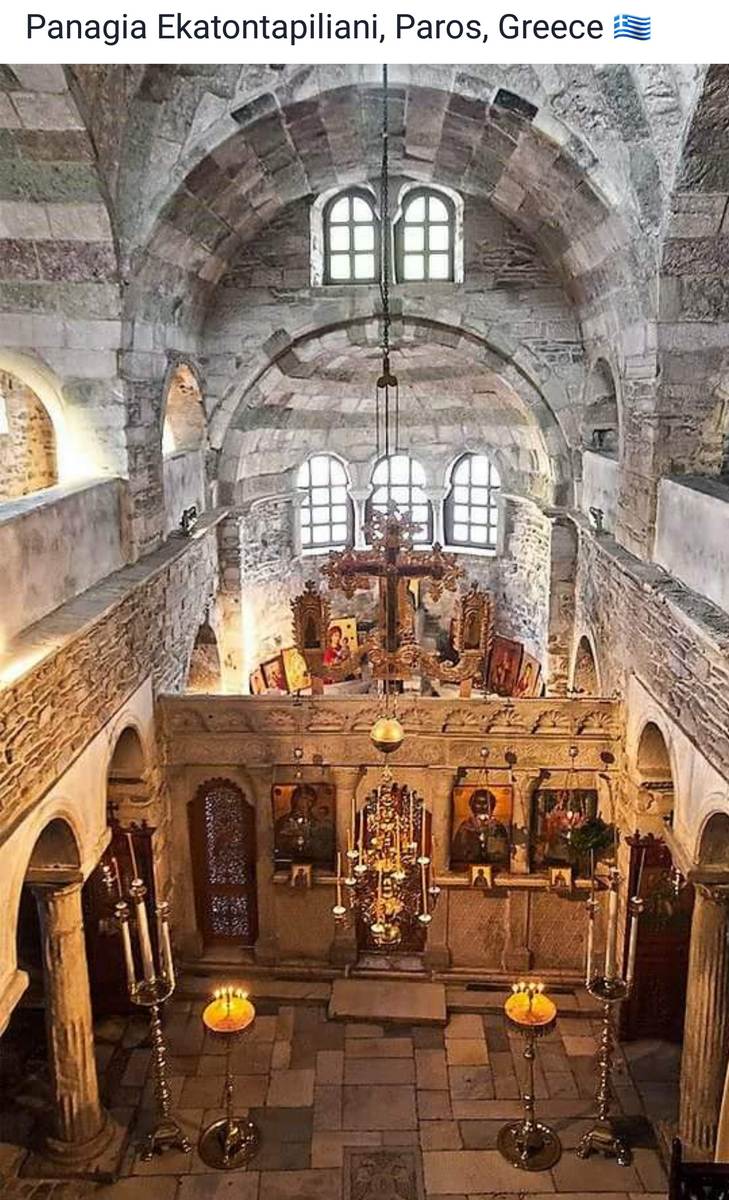
In the heart of Parikia, the Church of Panagia Ekatontapiliani — Our Lady of a Hundred Gates — is the most important early Christian monument in the Cyclades and one of the finest Byzantine churches in the entire Aegean world. Built in the 4th century AD, according to tradition on the orders of Saint Helen, mother of the Emperor Constantine, and substantially reconstructed in the 6th century under Justinian, the church complex consists of three interconnected churches of different periods within a fortified enclosure — a remarkable architectural accumulation of early Christian and Byzantine building of a scale and a completeness entirely unexpected on a Cycladic island. The interior is extraordinary — vast, dim, fragrant with incense, its marble floors polished by the feet of fifteen centuries of worshippers, its carved marble iconostasis of the highest Byzantine craftsmanship, and its atmosphere of ancient, continuous sanctity immediately and deeply felt. The Panagia Ekatontapiliani is not merely a tourist attraction. It is a living church of great holiness and great beauty, and the experience of visiting it — particularly in the early morning, when the light falls through the high windows at a low angle across the marble floor and the smell of the candles and the incense fills the vast interior — is one of the most completely moving religious experiences available on any Cycladic island.
Naoussa — The Elegant Fishing Village
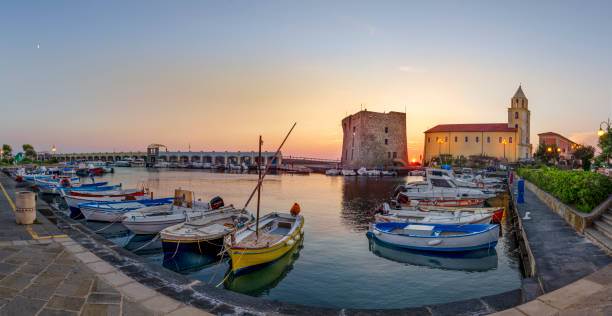
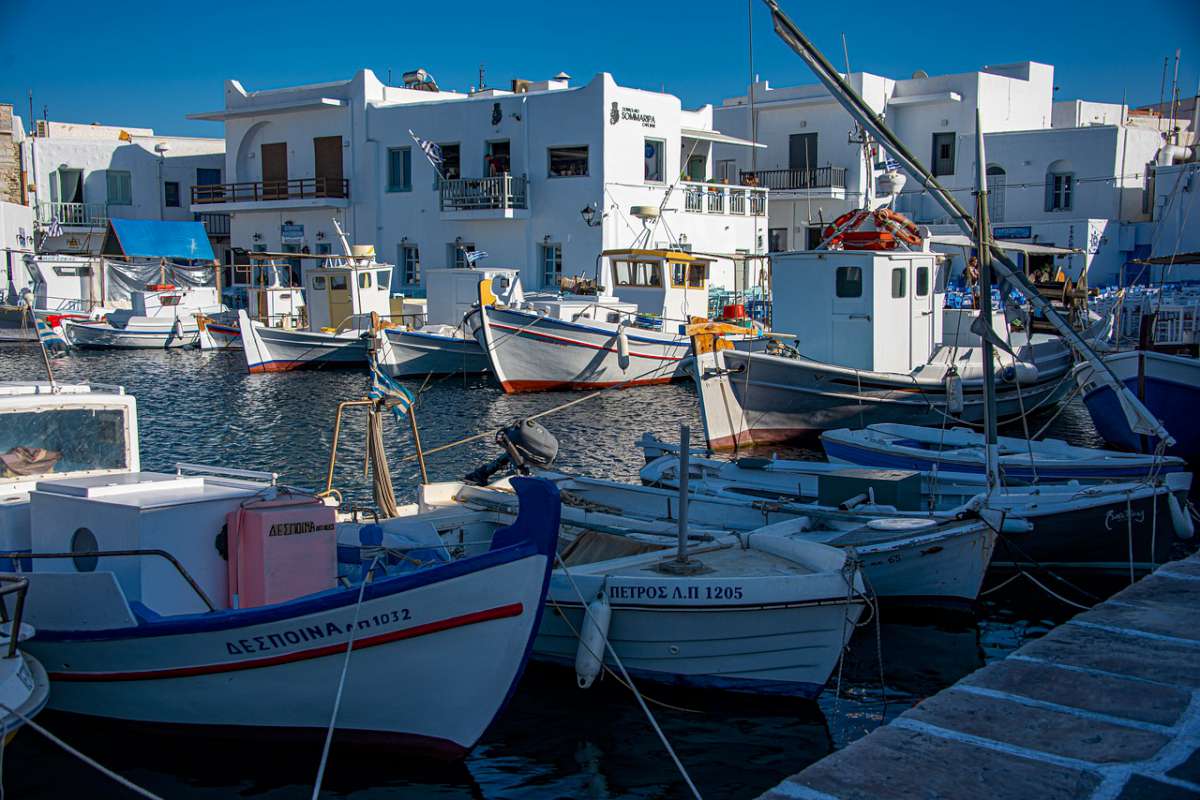
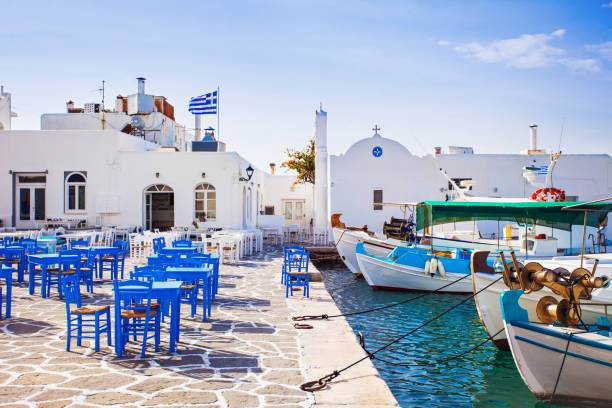
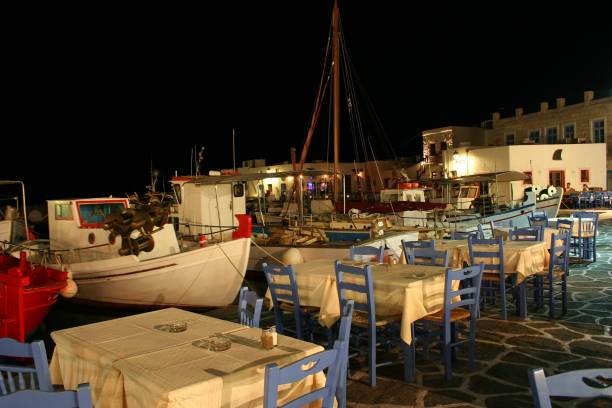
On the northern coast of Paros, the fishing village of Naoussa is one of the most beautiful and most completely satisfying small harbour environments in the Cyclades — a settlement of whitewashed houses and flower-hung lanes built around a small, perfectly enclosed natural harbour whose entrance is guarded by the remains of a Venetian circular tower, its broken walls rising from the water with a romantic ruin quality that makes it one of the most photographed harbour scenes in the Greek islands. Behind the harbour, the lanes of Naoussa are lined with the finest restaurants and the most elegant boutiques on the island — a concentration of culinary and retail quality that reflects the village’s status as the preferred destination of the most discerning visitors to Paros, including a significant and loyal international sailing community. The morning fish market on the quayside, the afternoon caiques departing for the beaches of the northern coast, and the evening social scene at the harbour-front restaurants — where the combination of fresh fish, excellent wine, and the extraordinary setting of the lit harbour and the Venetian tower against the dark night sky creates one of the finest dining experiences in the Cyclades — give Naoussa a daily rhythm of great variety and great pleasure.
Lefkes — The Marble Village of the Interior
In the geographical centre of Paros, the village of Lefkes occupies the island’s highest inhabited position on a ridge below the summit of Mount Marpessa, its marble-paved lanes and traditional Cycladic houses of pale local stone composing a townscape of unusual purity and unusual beauty — an island interior village entirely without the tourist overlay of the harbour towns, its daily life and its architectural character preserved in a completeness that is rare on any island of Paros’s popularity. The marble of Lefkes is everywhere — in the broad paved plateia, in the carved doorways and window frames of the traditional houses, in the Byzantine Path that descends from the village to the coast below through a landscape of terraced olive groves and ancient stone walls. This path — a medieval marble-paved route of considerable length and considerable beauty — is one of the finest walks on any Cycladic island, its surface of ancient marble slabs intact over much of its length and its route through the island’s agricultural interior offering views and sensations entirely different from the coastal experience that dominates most island itineraries.
The Marble Quarries of Mount Marpessa
In the hillside above the village of Marathi, the ancient marble quarries of Paros open into the rock in a series of tunnels that descend into the mountain in a cool, pale, otherworldly darkness of great beauty and great historical resonance. The quarries have been worked since at least the 7th century BC and their Parian marble — distinguished from all other ancient marble by its unique translucency, caused by the exceptionally large crystal size of the stone — supplied the greatest sculptors of the ancient world with their finest material for over a millennium. Walking into the tunnels, where the marks of ancient iron chisels are still visible on the walls and the faint, diffuse glow of the translucent stone creates a quality of light entirely unlike ordinary stone, is one of the most genuinely extraordinary and most completely unexpected experiences on any Cycladic island. The quarries are open to visitors and freely accessible, and they are, for those with any feeling for the ancient world and the materials from which it made its greatest art, entirely and permanently memorable.
The Beaches
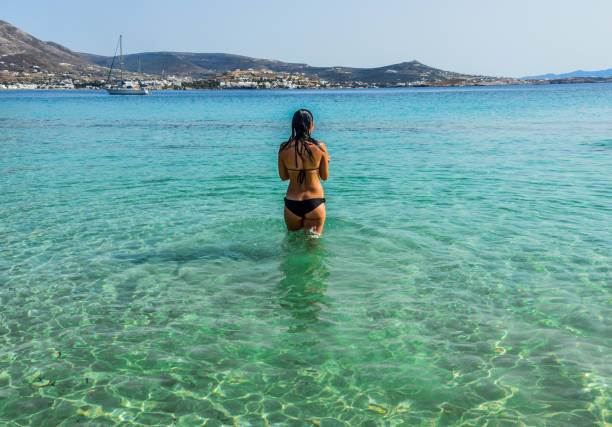
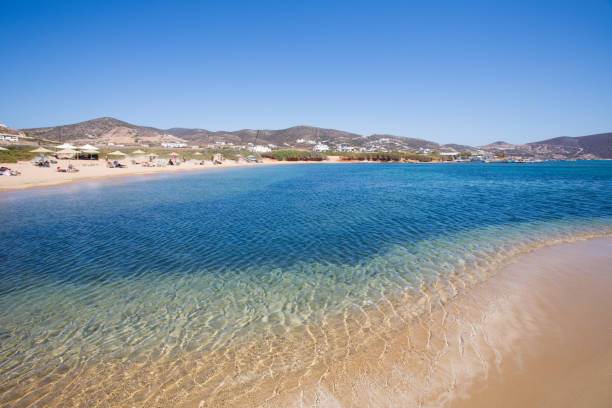
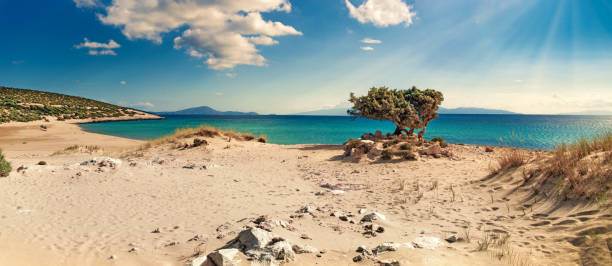
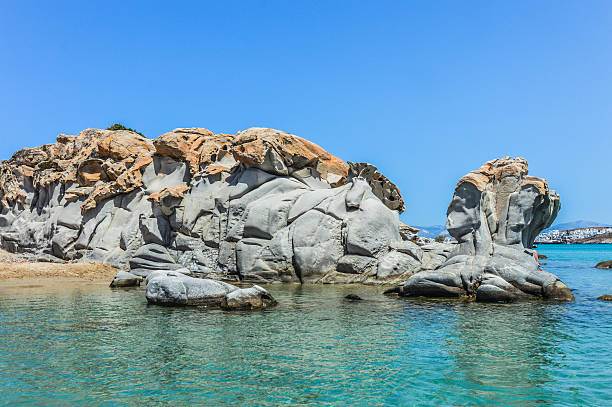
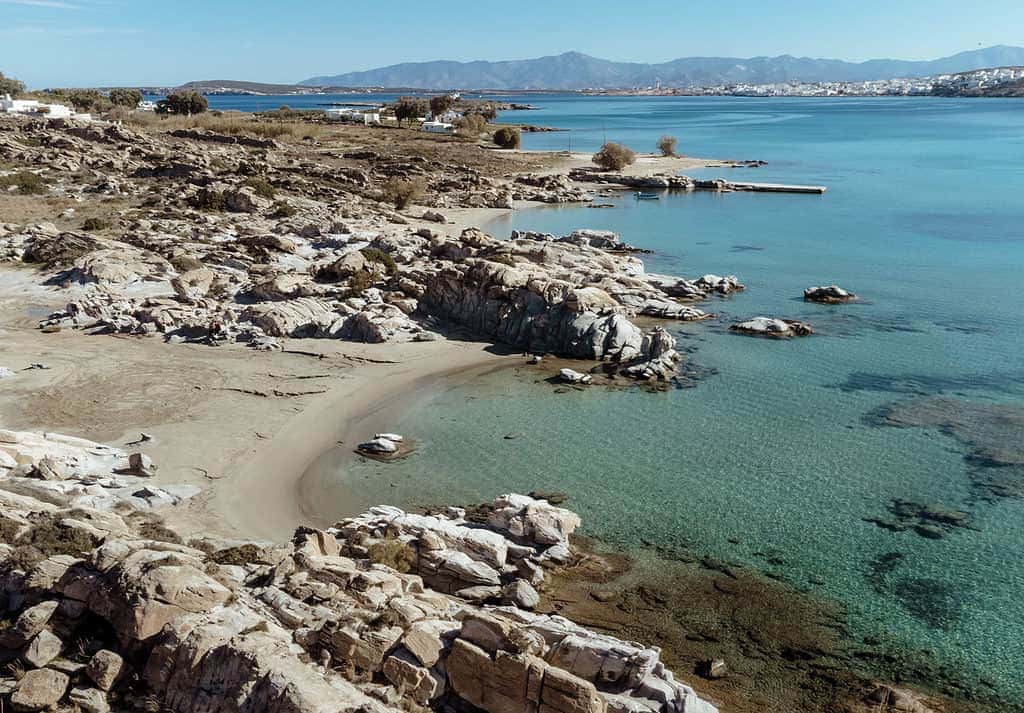
Paros has 39 beaches distributed around its entire coastline, offering a variety of character and quality that makes it the finest and most complete beach destination in the central Cyclades. Kolimbithres, on the northern coast near Naoussa, is the island’s most distinctive beach — a series of small sandy coves separated by smooth, water-sculpted granite boulders of extraordinary organic beauty, its clear, shallow water of brilliant turquoise and its overall composition so completely unlike any other Cycladic beach that it has become one of the most iconic and most loved beach destinations in the entire archipelago. Golden Beach on the southeastern coast is the windsurfing capital of the Cyclades — its consistent afternoon winds and broad sandy beach hosting international windsurf competitions each summer. Santa Maria on the northeastern coast is wide, sandy, and animated — a beach of great natural quality with a lively beach club and excellent water sports. And the quieter beaches of the southern and western coasts — Aliki, Parasporos, the remote coves of the southwestern tip — offer a degree of tranquillity and natural beauty that balances the more animated pleasures of the north.
Why Choose Paros
Paros is the island for every first-time visitor to the Cyclades and the island that every experienced visitor of the Greek islands returns to with the deepest and most uncomplicated pleasure — because it delivers the complete Cycladic experience with a reliability and a generosity and a quality of welcome that no comparable island in the archipelago can consistently match. It is for families who want the finest and most varied beaches in the central Cyclades, for couples who want the elegance of Naoussa and the beauty of the Byzantine Path, for sailors who want the finest natural harbour and the best provisioned marina in the group, for food lovers who want the finest fish restaurants and the most accomplished cuisine in the Cyclades, and for those who simply want to be somewhere beautiful, warm, and entirely alive — somewhere that combines the full inheritance of the Greek island tradition in a setting of such complete and such completely satisfying Cycladic beauty that the question of where to go next loses, very quickly, its urgency.
For sailing itineraries in the central Cyclades, Paros is the natural hub — centrally positioned, excellently harboured, and surrounded by the finest day-sailing waters in the archipelago. The passages between Paros and its immediate neighbours — Naxos to the east, Antiparos to the west, Mykonos to the north, Ios and Santorini to the south — are among the most beautiful and most manageable short passages in the Cyclades, and the combination of Paros as a central base with day sails or overnight passages to the surrounding islands creates an itinerary of exceptional variety, exceptional quality, and exceptional completeness.
What Paros ultimately is — and what it has been, consistently and reliably, for every generation of visitors who has discovered it — is the ideal Cycladic island: not the most dramatic, not the most remote, not the most famous, but the most perfectly balanced and the most completely rewarding. The marble and the beaches, the ancient church and the elegant harbour village, the Byzantine path and the sculpted granite coves, the finest restaurants and the freshest fish and the warmest welcome in the central Cyclades — all of it available, all of it genuine, all of it as beautiful as the photographs suggest and more pleasurable, in the living experience, than any description can adequately convey. Paros is the Cyclades at their best, and the Cyclades at their best are among the finest things that Greece — and the Mediterranean — have to offer the world.