Why Kythira
There are islands in the Greek world that occupy, in the geography of the mythological imagination, a position so central and so charged with significance that their physical reality — the actual landscape, the actual coastline, the actual villages — carries a weight of mythological association that no other category of Greek island can quite equal. Kythira is this kind of island. According to the most ancient and most authoritative of the competing traditions, it was on the shores of Kythira that Aphrodite — born from the sea foam that gathered around the severed genitals of Ouranos — first set foot on the earth, emerging from the sea in the most famous and most completely beautiful birth in all of Greek mythology, and choosing this island as the first of the many sacred places that her cult would occupy across the ancient world. Watteau painted the pilgrimage to Cythère as the supreme image of romantic longing. The island’s association with Aphrodite gave it, in antiquity, a reputation for beauty, desire, and the pleasures of love that the island’s own extraordinary landscape and extraordinary coastal beauty entirely justify.
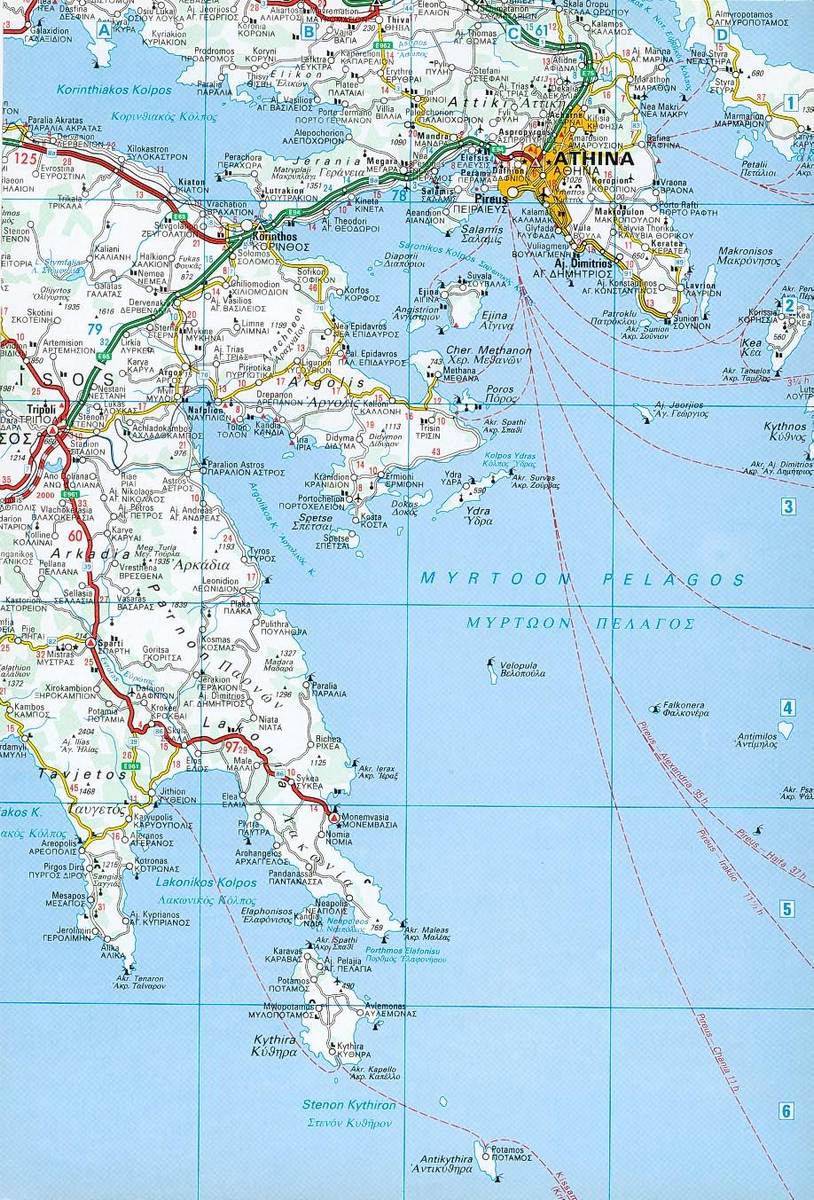
Kythira lies at the southern tip of the Peloponnese, separated from Cape Maleas by the Kythira Strait, at the juncture of the Aegean and Ionian seas — a geographical position that gave it, in every historical period from antiquity to the Ottoman era, a strategic importance entirely disproportionate to its modest size of 279 square kilometres. Venetian, Ottoman, British — each of the great powers of the successive Mediterranean world recognised the island’s value as a guardian of the strait and as a provisioning station on the sea routes between East and West, and each left its architectural mark: the magnificent Venetian castle above the Chora, the Venetian-era mansions of the island’s aristocratic families, the British-built road network that still serves the island, and the whitewashed Byzantine churches scattered across a landscape that combines the arid grandeur of the Laconian mountains with the blue clarity of the Ionian and Aegean seas in a natural composition of extraordinary beauty and extraordinary variety.
The island has a further and deeply personal distinction: it is the ancestral home of the largest Greek-Australian community in Greece. Thousands of Kythirian families emigrated to Australia in the early and mid-20th century, and their descendants — returning each summer to the ancestral island with the particular fervour of those for whom the homeland is also a dream — give Kythira a warmth of international community life and a cultural vitality entirely characteristic of an island that has always known how to receive those who love it and how to send them back to the world changed.
What to Do and What to See
Chora and the Venetian Castle
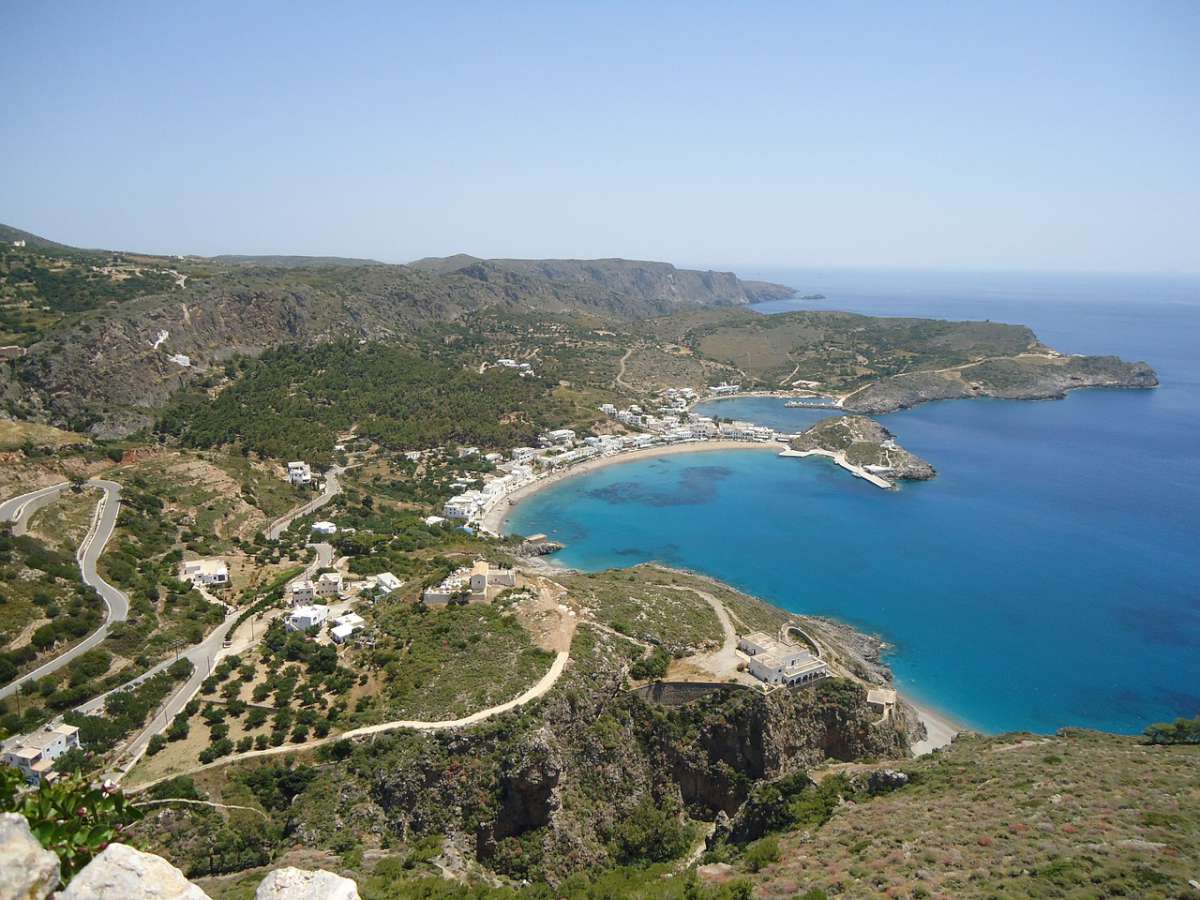
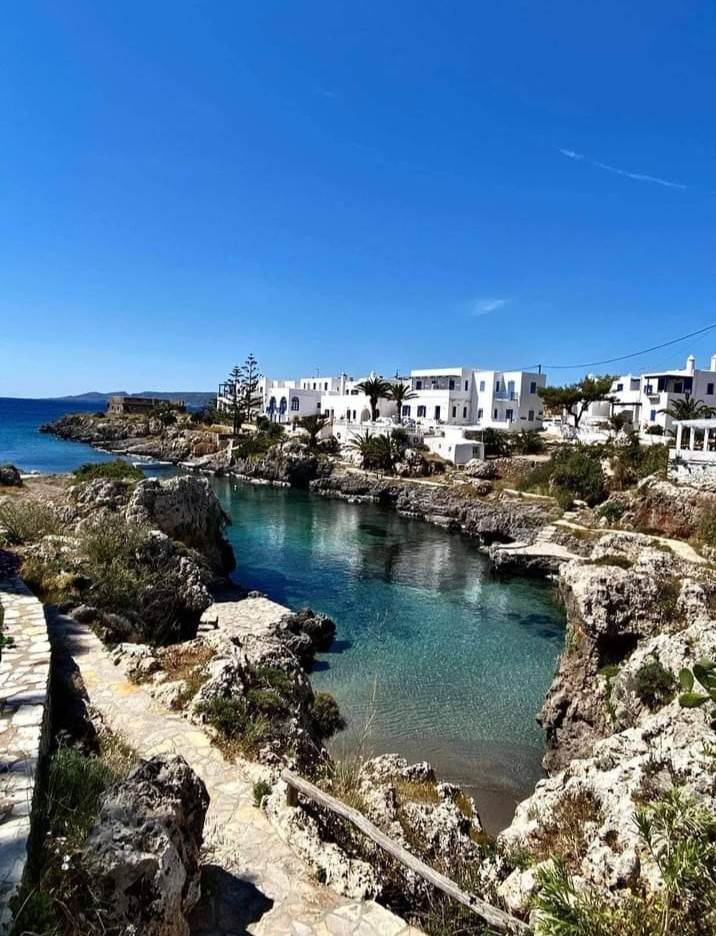
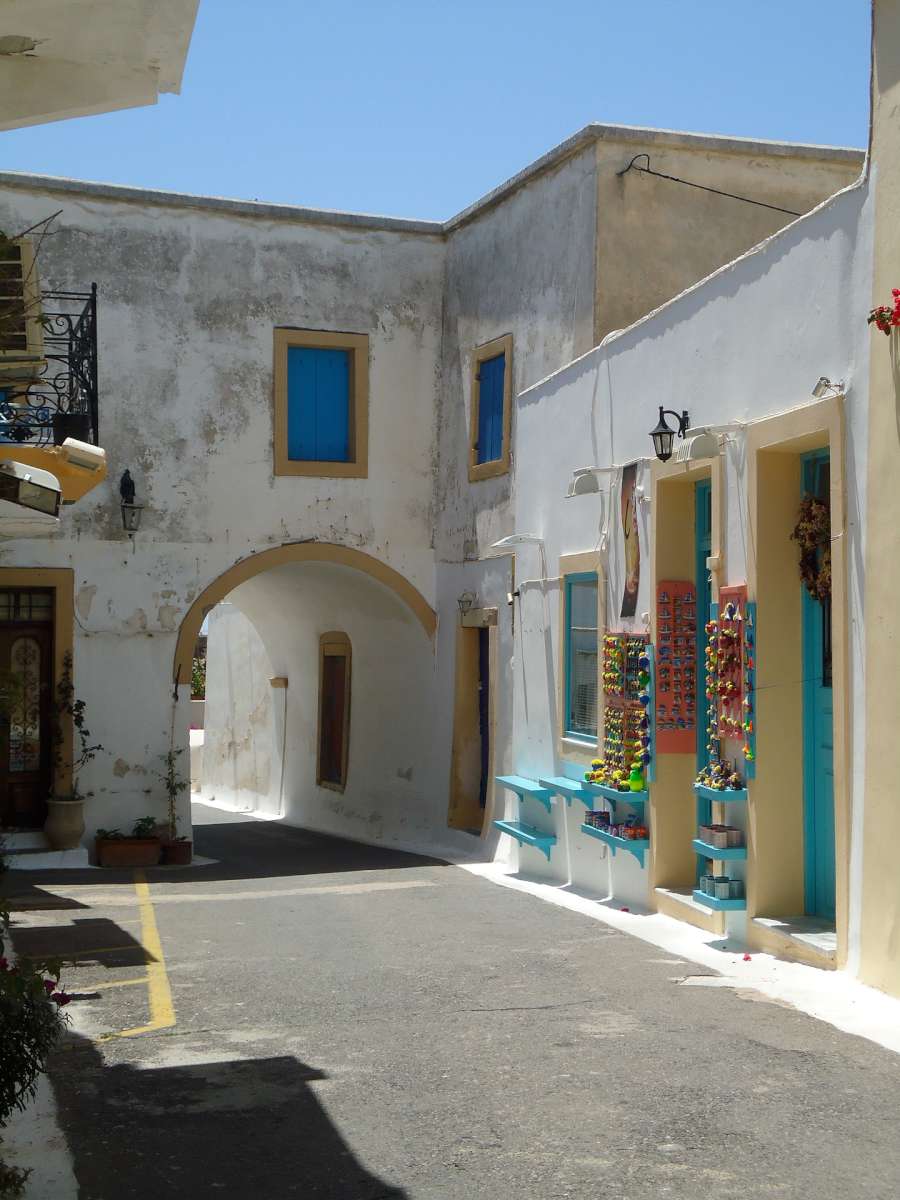
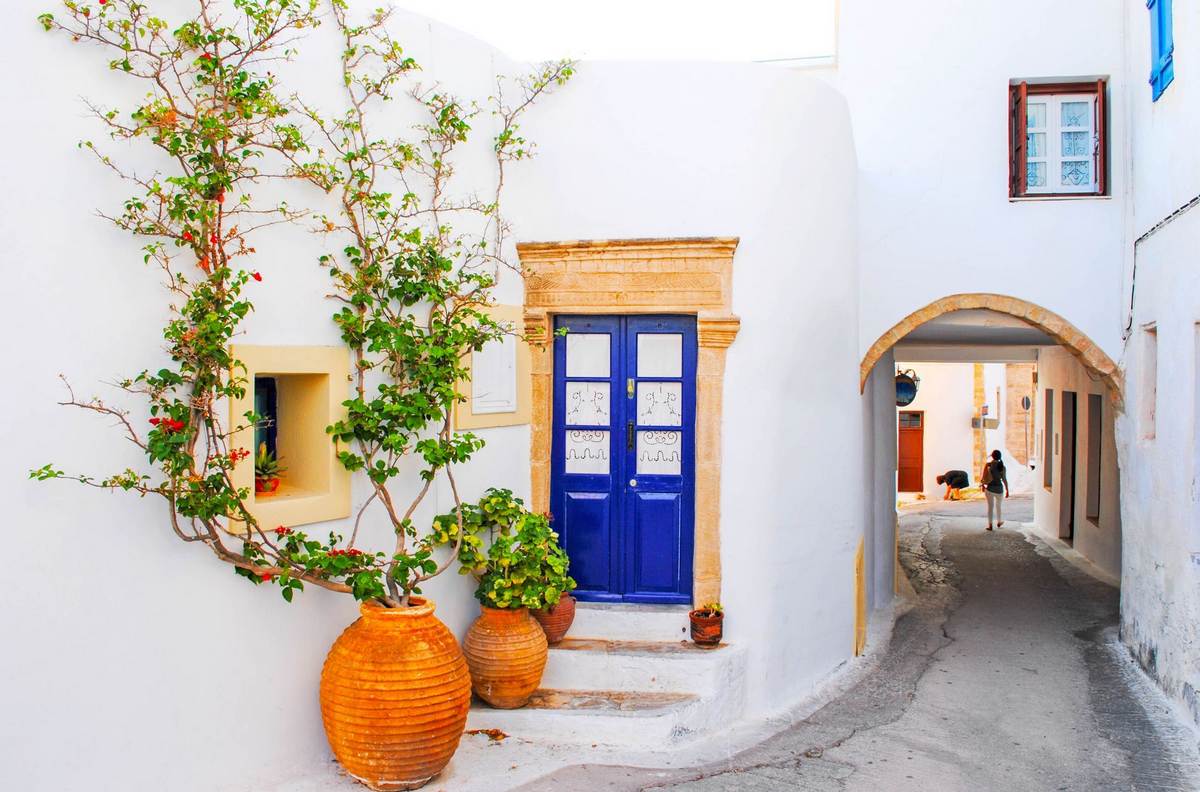
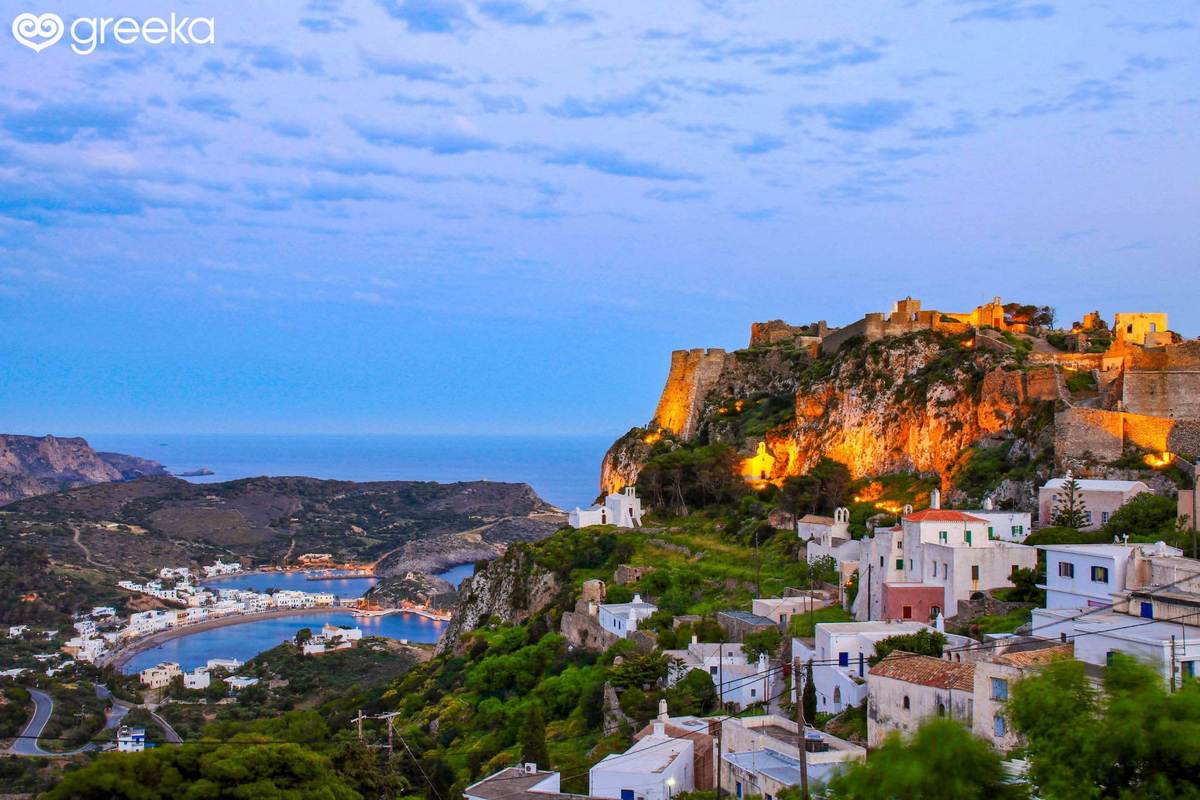
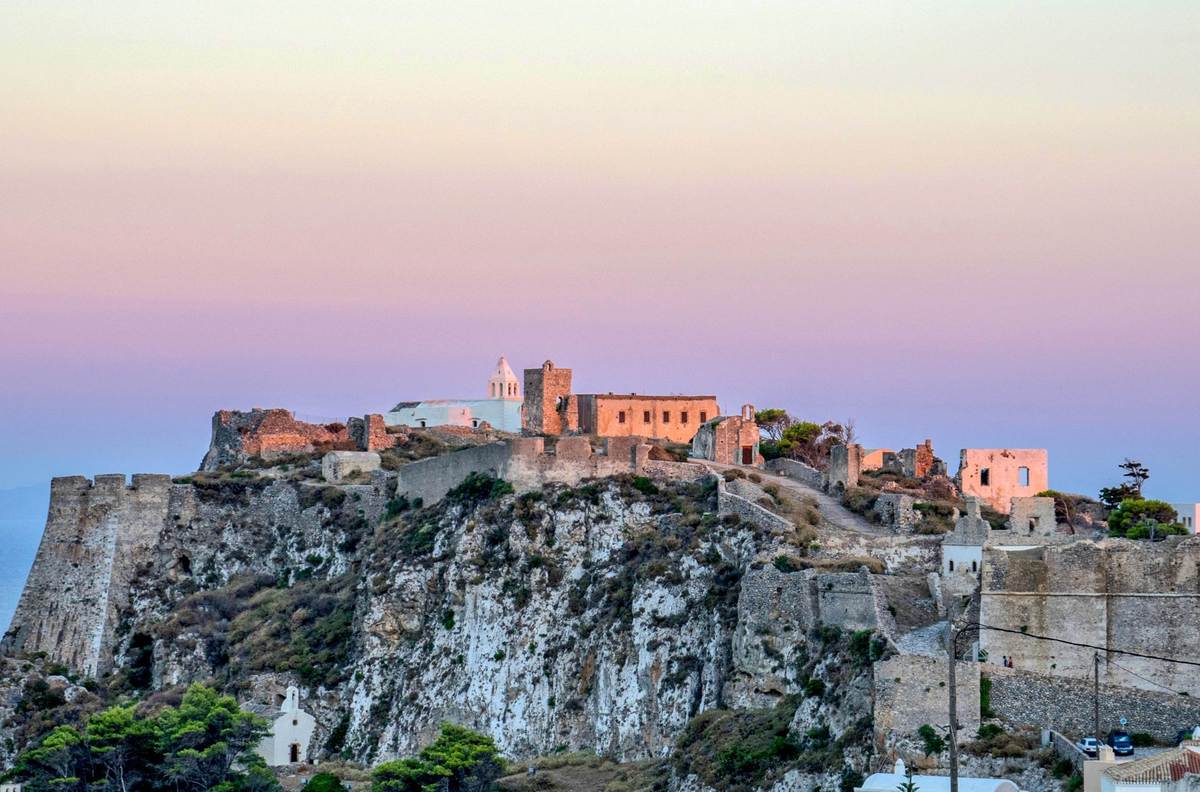
The capital of Kythira — Chora — is a Cycladic-style whitewashed village of great beauty perched on a ridge above the port of Kapsali, its lanes and cubic houses composing a townscape of extraordinary clarity and extraordinary light. Above the village, the Venetian castle of the 16th century is the finest and most completely preserved Venetian fortification in the Ionian islands — its walls, bastions, and internal buildings in a remarkable state of preservation, its views from the ramparts extending over the entire southern coast of the island and across the strait to the Cape Maleas and the open Ionian beyond.
Kapsali — The Double Bay
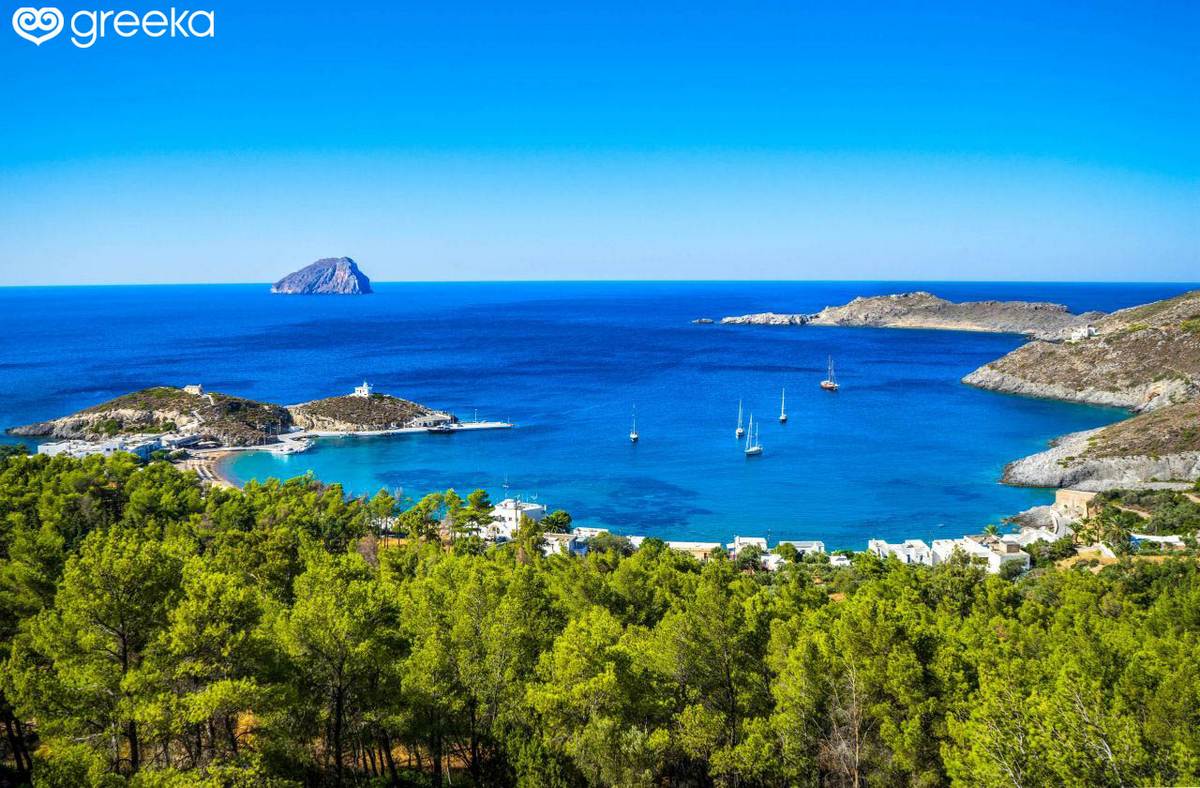
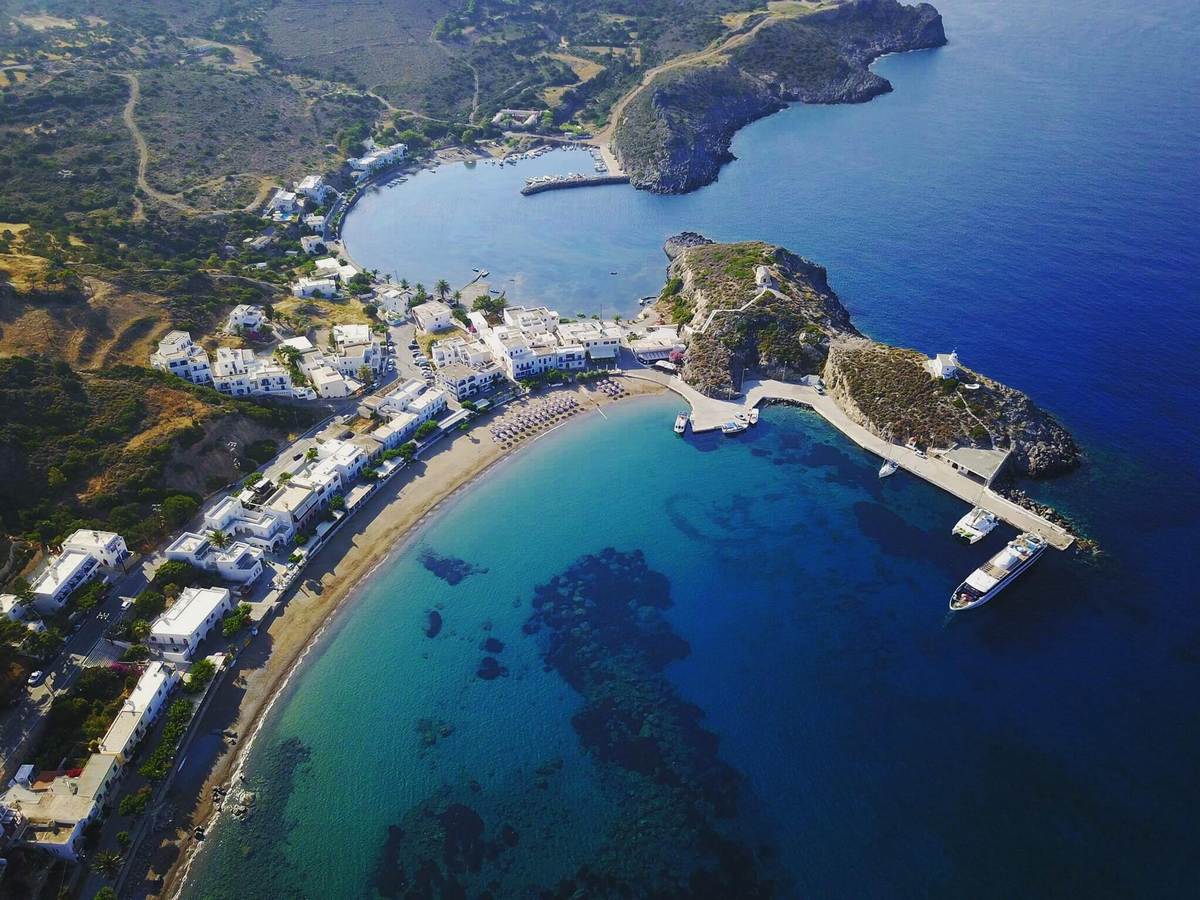
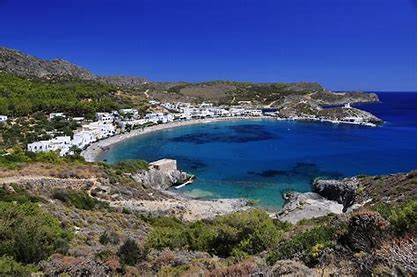
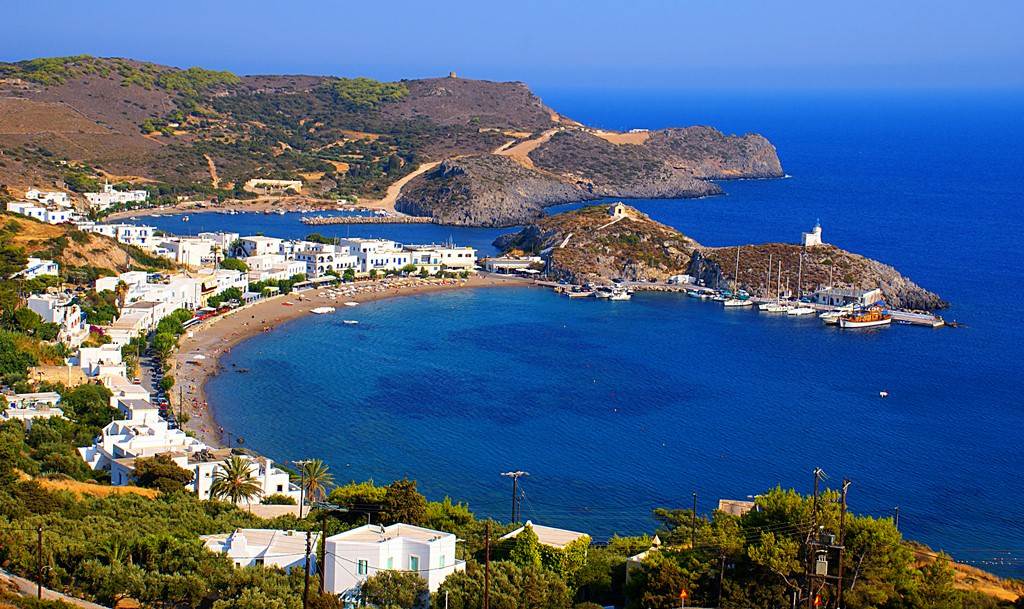
Directly below Chora, the port and resort of Kapsali occupies a natural double bay of extraordinary beauty — two perfect arcs of calm, clear water separated by a rocky promontory, their combination of sheltered swimming, excellent tavernas, and the magnificent backdrop of the Chora and the Venetian castle above composing one of the most completely beautiful harbour-resort settings in the Ionian-Aegean transition zone. The beach of Kapsali is of good sand and excellent swimming quality, and the evening view of the illuminated castle above the double bay is one of the finest nighttime seascapes in southern Greece.
Mylopotamos and the Waterfalls
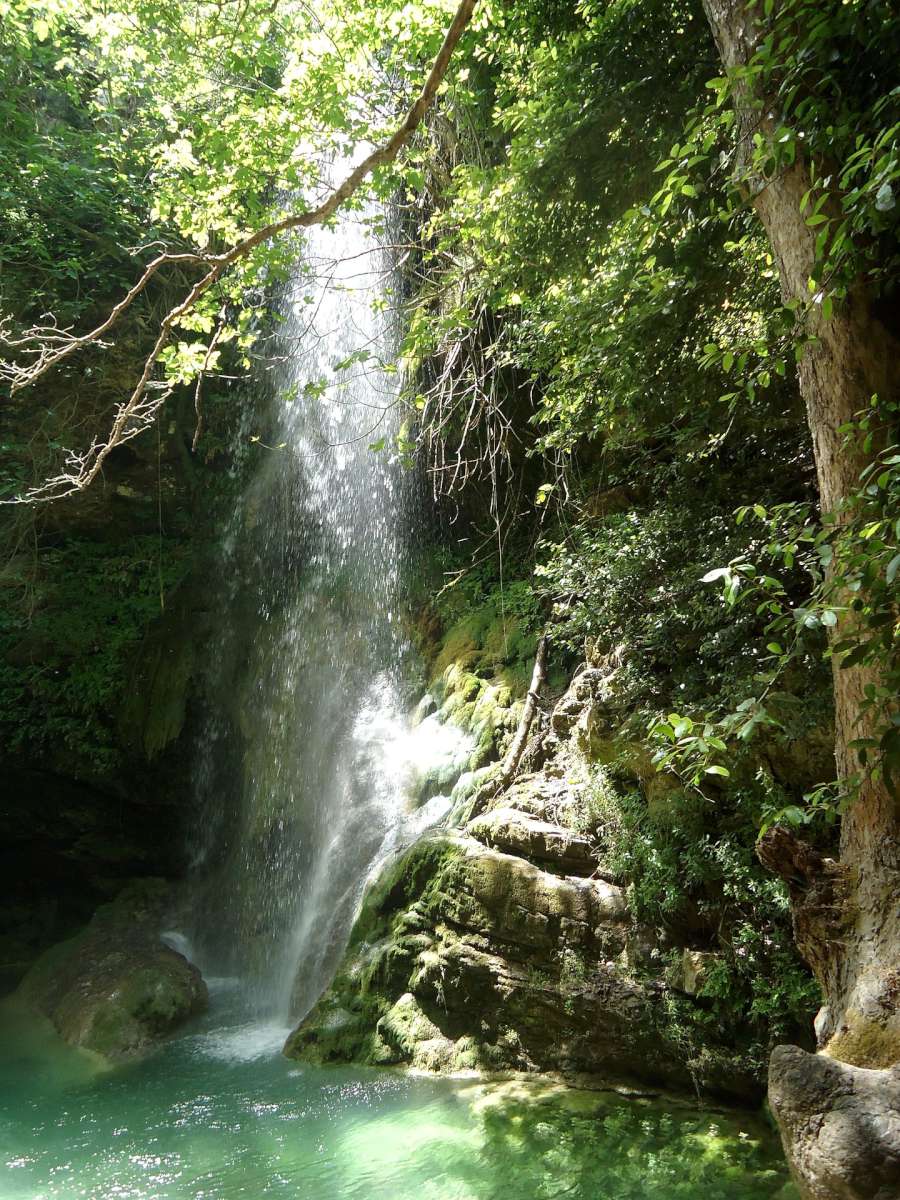
In the interior of Kythira, the village of Mylopotamos is one of the most beautiful inland villages in the Ionian islands — a settlement of traditional stone houses and Byzantine churches set in a landscape of extraordinary lushness, its streams and waterfalls creating a quality of green, well-watered beauty entirely unexpected in a southern Greek island. The waterfall at Neraida, at the edge of the village, descends through a gorge of great natural beauty. The ruined Venetian fortress of Kato Chora, immediately below Mylopotamos, is a ghost town of considerable atmospheric power.
The Beaches
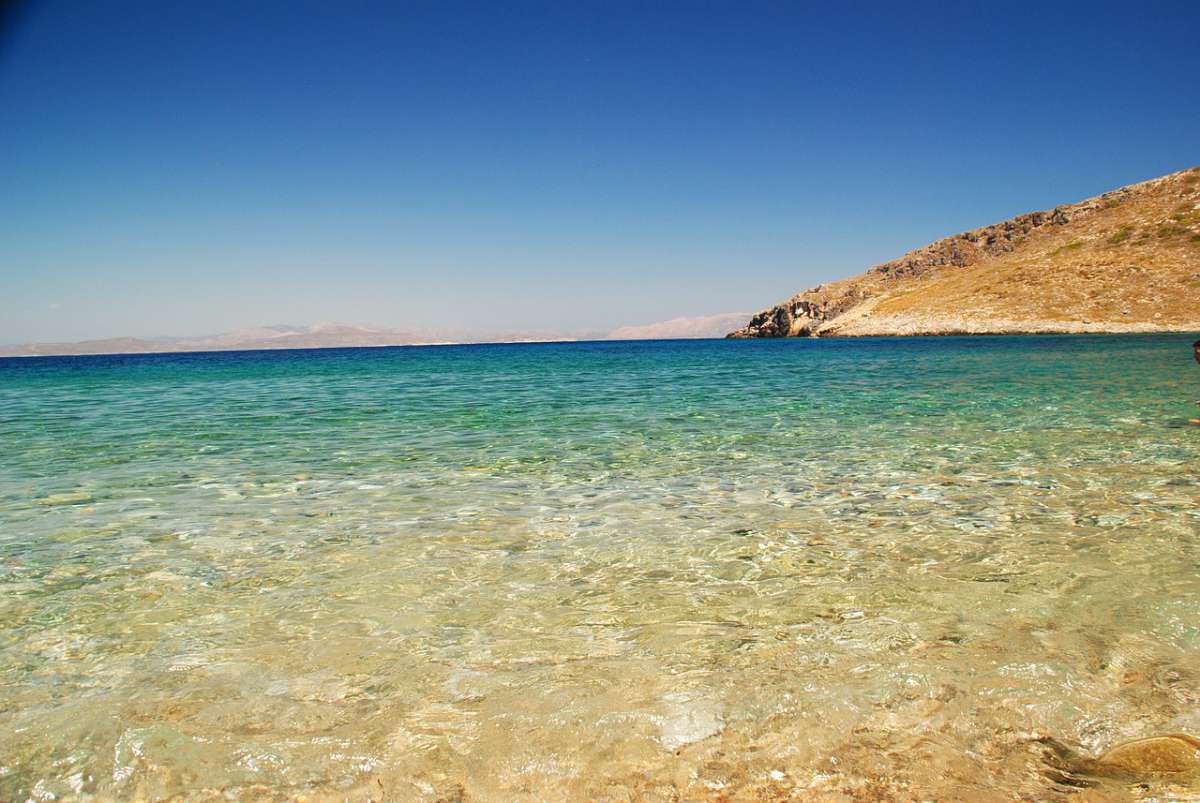
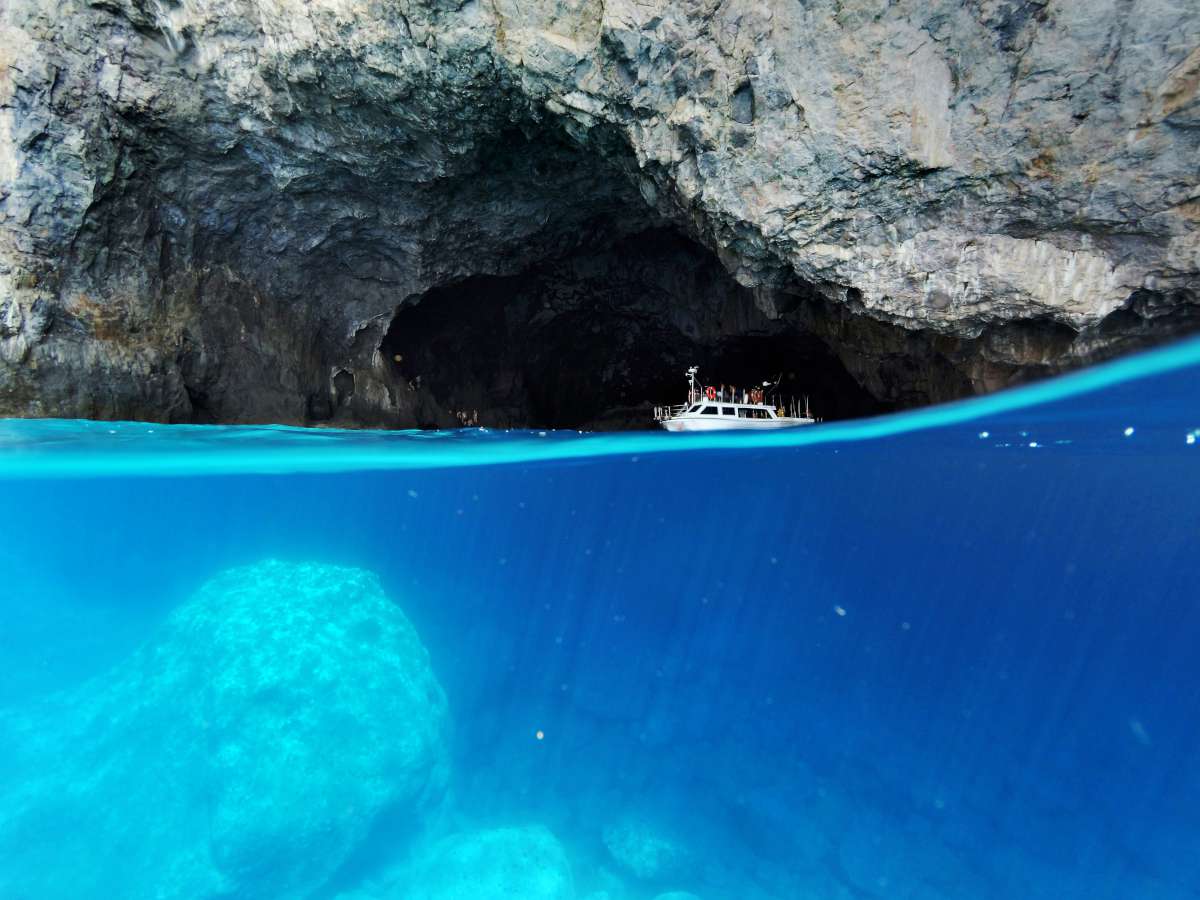
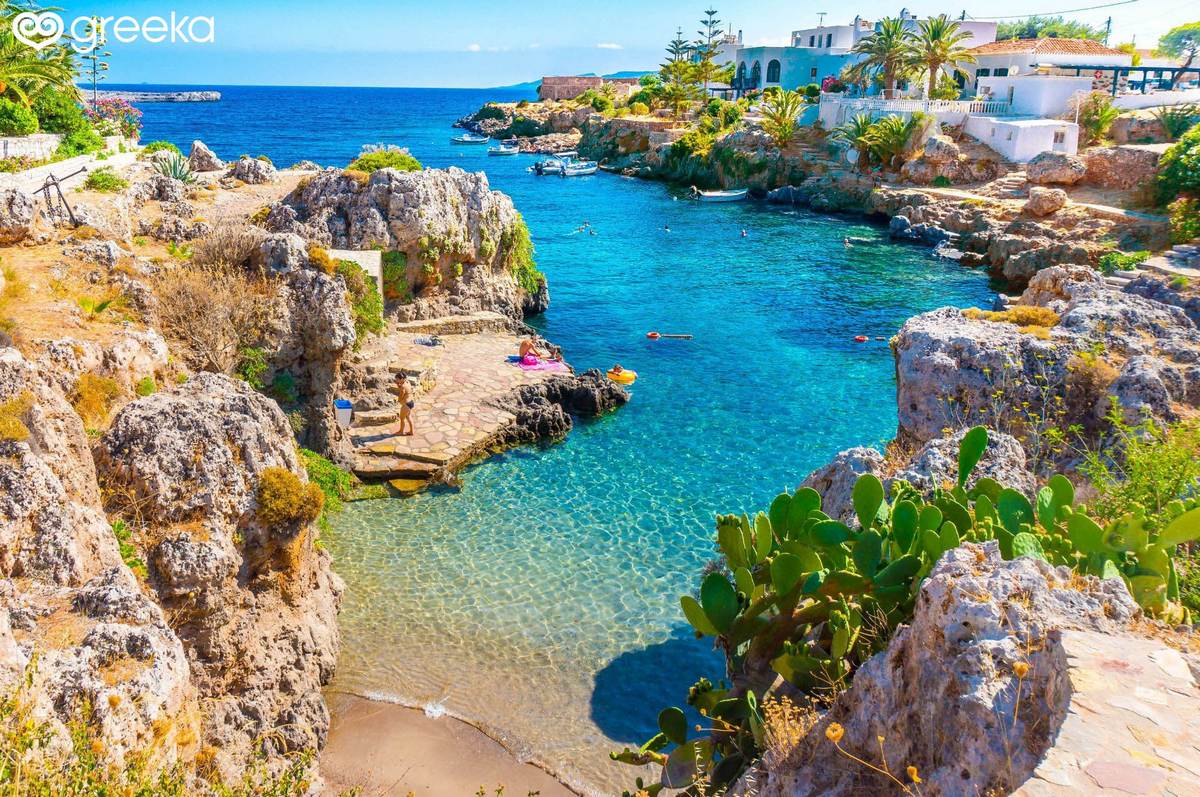
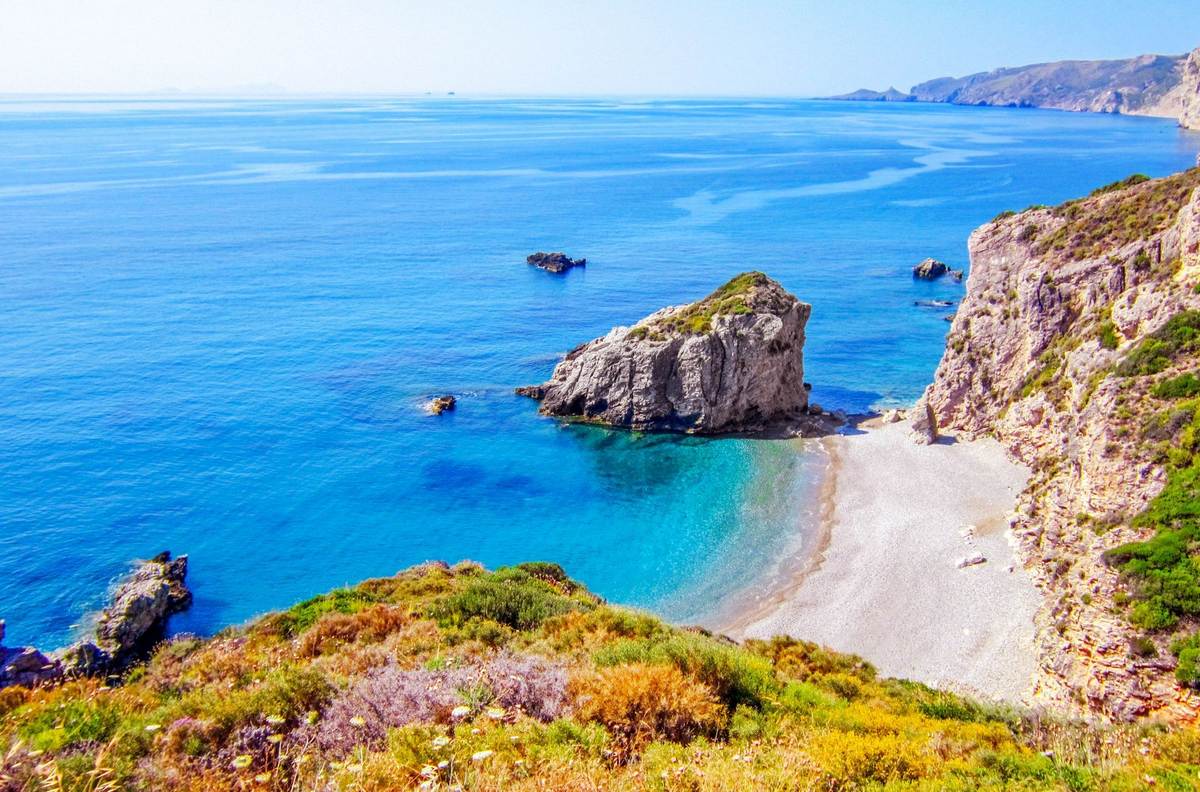
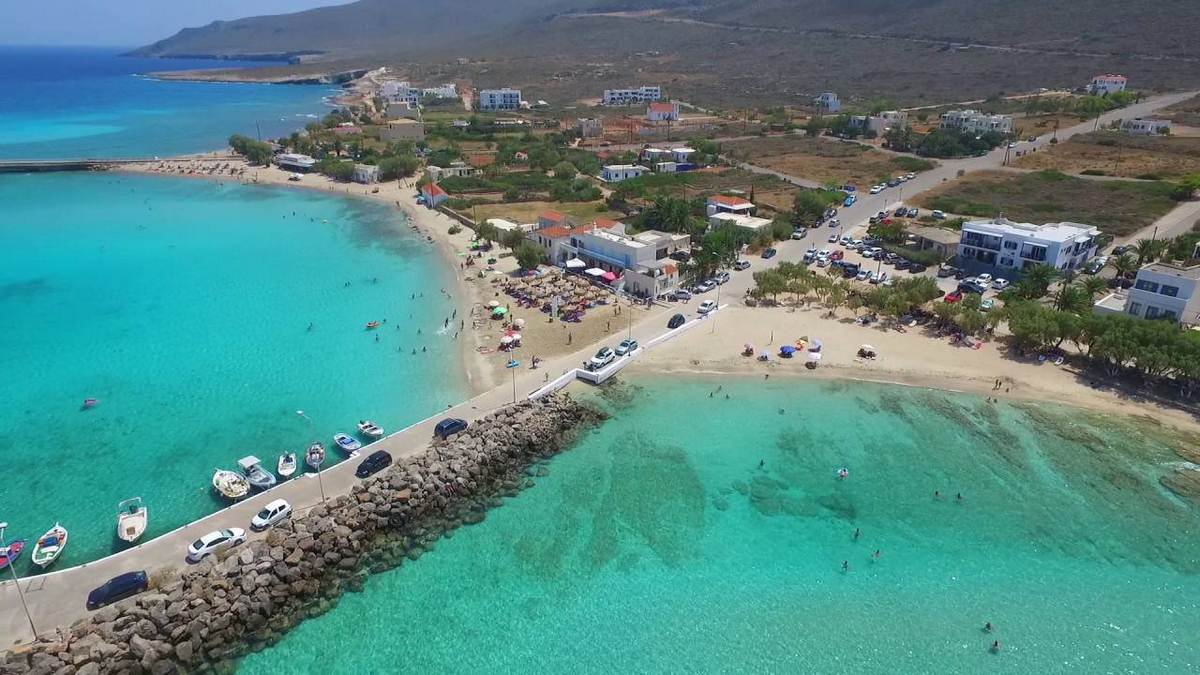
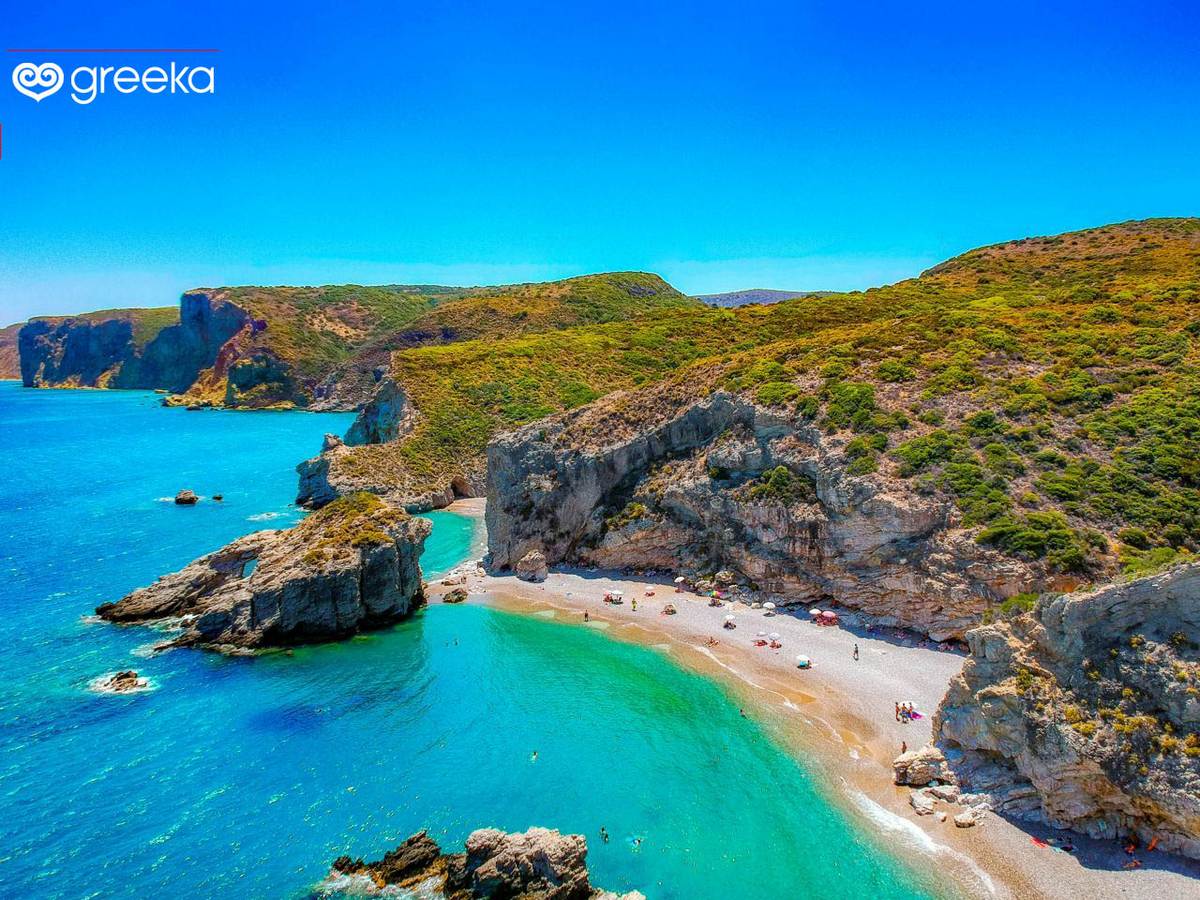
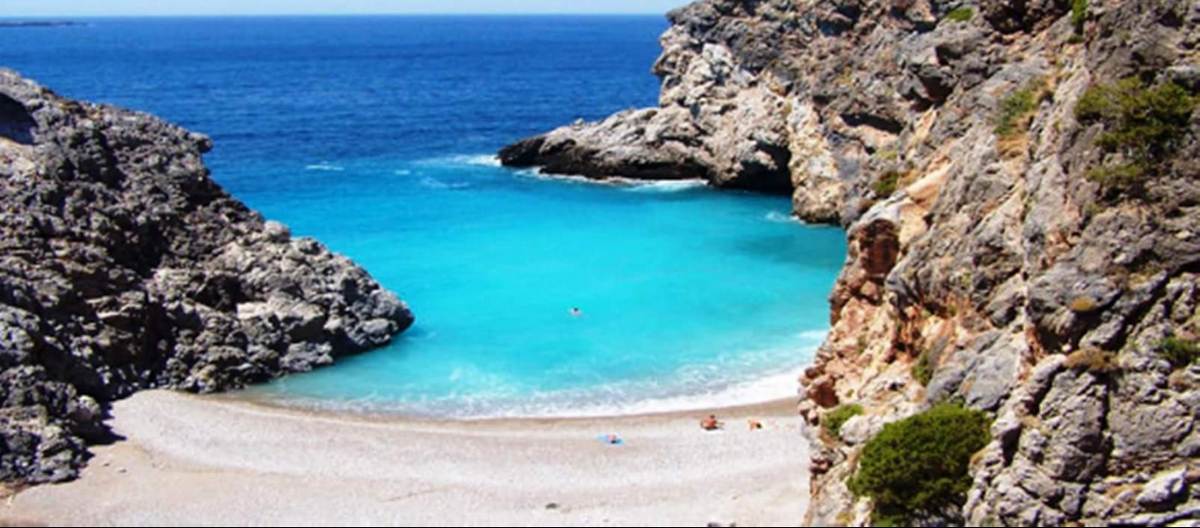
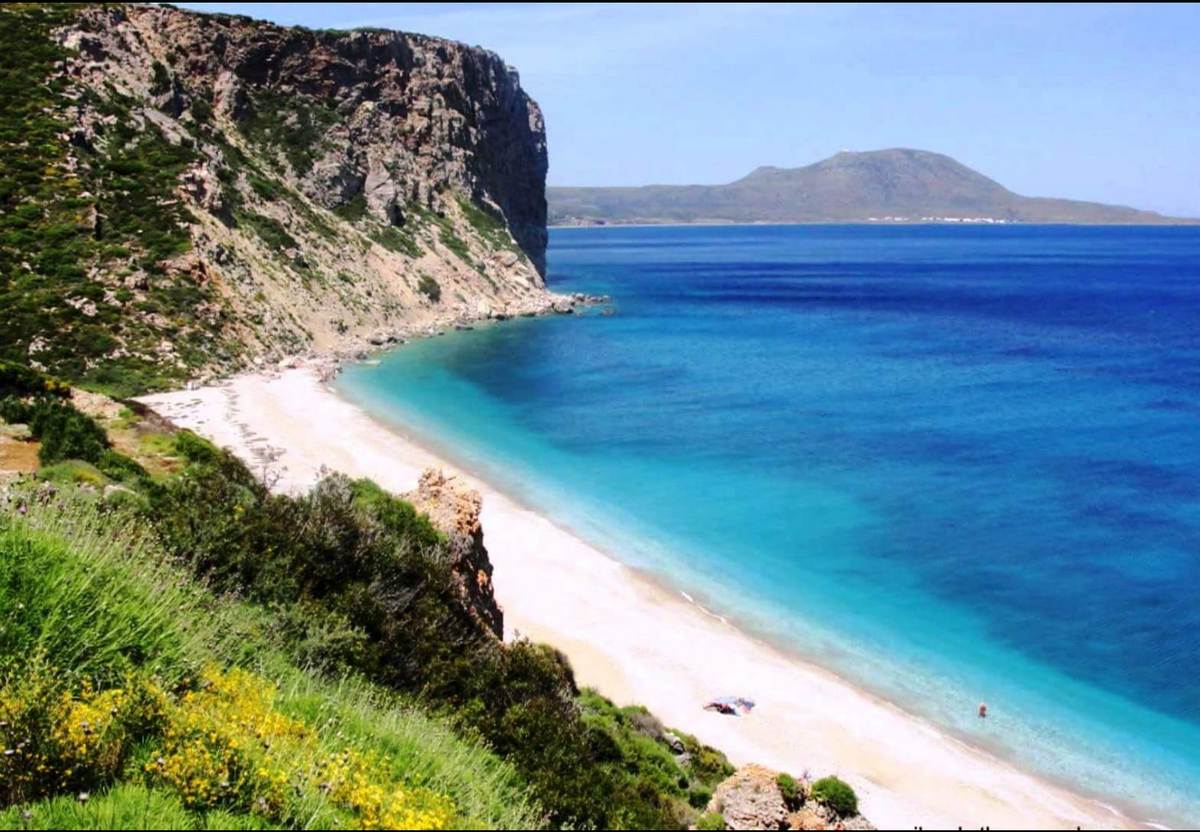
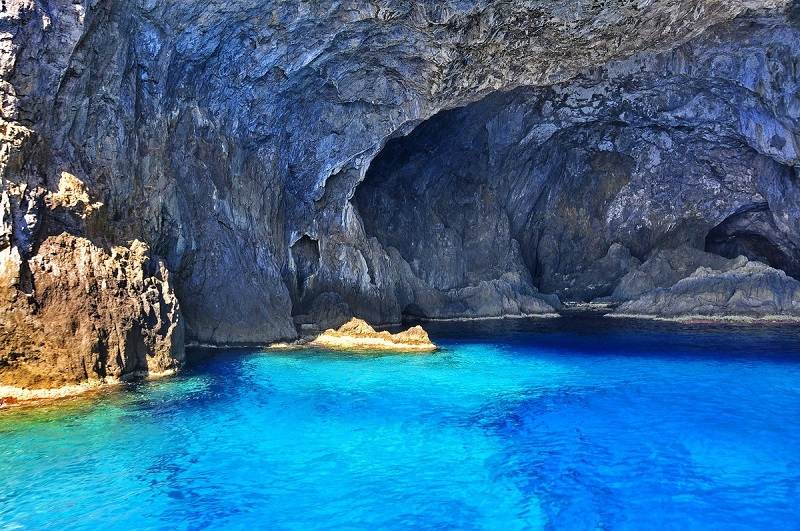
Kythira has beaches of great variety distributed around its 284-kilometre coastline — from the sandy Fyri Ammos and Melidoni on the eastern coast to the dramatic Chalkos pebble beach on the west, the remote and extraordinary Firi Ammos on the south, and the turquoise coves of the northern coast accessible primarily by sea. Diakofti, on the eastern coast, is the island’s main port and has an excellent beach of pale sand and calm, sheltered water.
The Byzantine Heritage
Kythira preserves an extraordinary density of Byzantine religious monuments — over 70 Byzantine and post-Byzantine churches and chapels distributed across the island’s landscape, many of them preserving frescoes of considerable quality. The Monastery of Myrtidia on the western coast — the most important religious site on the island, housing a revered icon of the Virgin — is the object of an annual pilgrimage of great importance to the island’s community. The archaeological site of Kastri, on the northern coast, preserves the remains of the ancient city of Skandeia and a Minoan settlement of considerable historical significance.
Why Choose Kythira
Kythira is the island for those who want the Greek world at its most mythologically resonant and its most independently beautiful — an island of extraordinary landscape variety, extraordinary historical layering, and the particular quality of an island at the crossroads of two seas that has always looked both ways and incorporated both perspectives into a culture of great openness and great warmth. For sailing itineraries between the Peloponnese and the Ionian islands, Kythira is both a natural waypoint and a destination entirely worth a two or three day stay — the finest Venetian castle in the southern Greek island world, the most beautiful village capital in the Laconian island chain, and the ancestral home of Aphrodite herself.