Why Kefalonia
There are islands in the Greek world that achieve a quality of natural variety and natural grandeur usually reserved for continental landscapes — islands large enough and geographically complex enough to contain within their boundaries a full range of dramatic landforms, extraordinary beaches, ancient cities, high mountains, deep forests, and celebrated caves, all assembled in a single island territory of sufficient scale and sufficient internal complexity to reward extended exploration with a continuously changing sequence of natural and cultural experiences of exceptional quality. Kefalonia is this kind of island. The largest of the Ionian islands at 781 square kilometres, rising to 1,628 metres at the summit of Mount Ainos — the highest point in the Ionian archipelago, its peak visible from the coast of the Peloponnese and the island of Ithaca simultaneously — Kefalonia is an island of genuine dramatic grandeur: its fir forests of ancient endemic black fir, its vertiginous calcareous cliffs, its famous subterranean lake and underground caves, its extraordinary beaches of white pebble and turquoise water, and its three distinct and distinguished capitals of different periods combining to produce an island experience of such comprehensive variety and such consistently outstanding natural and cultural quality that it justifies, by itself, a sailing itinerary of a week or more.
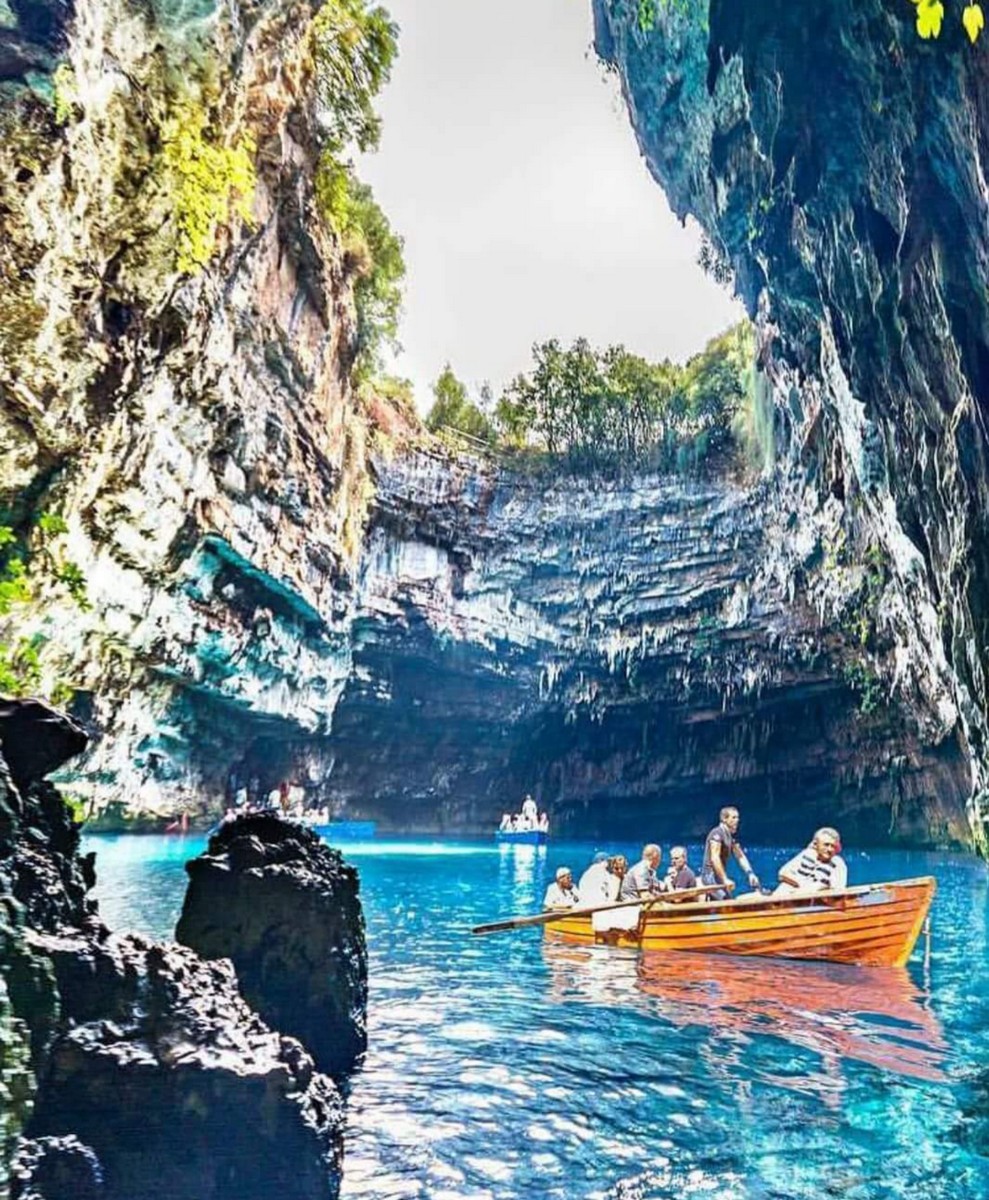
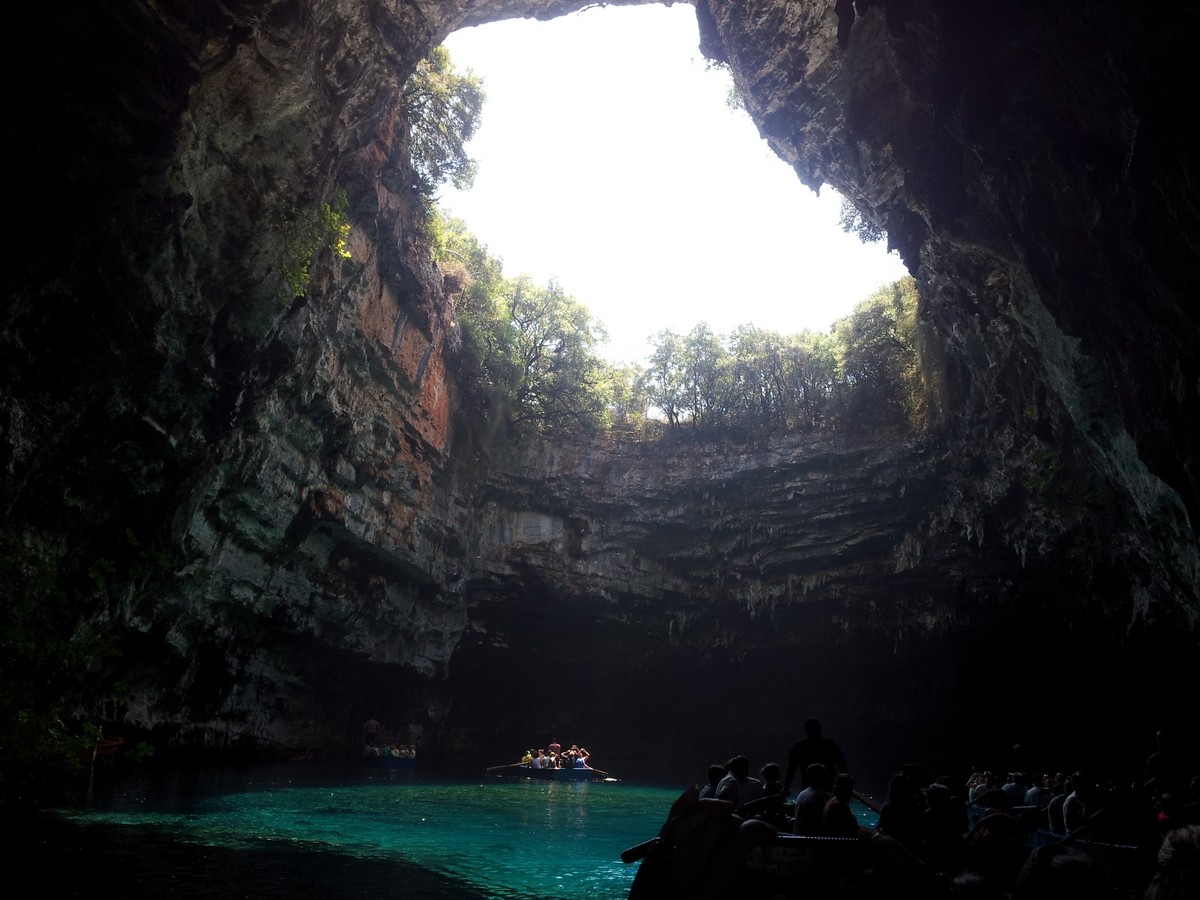
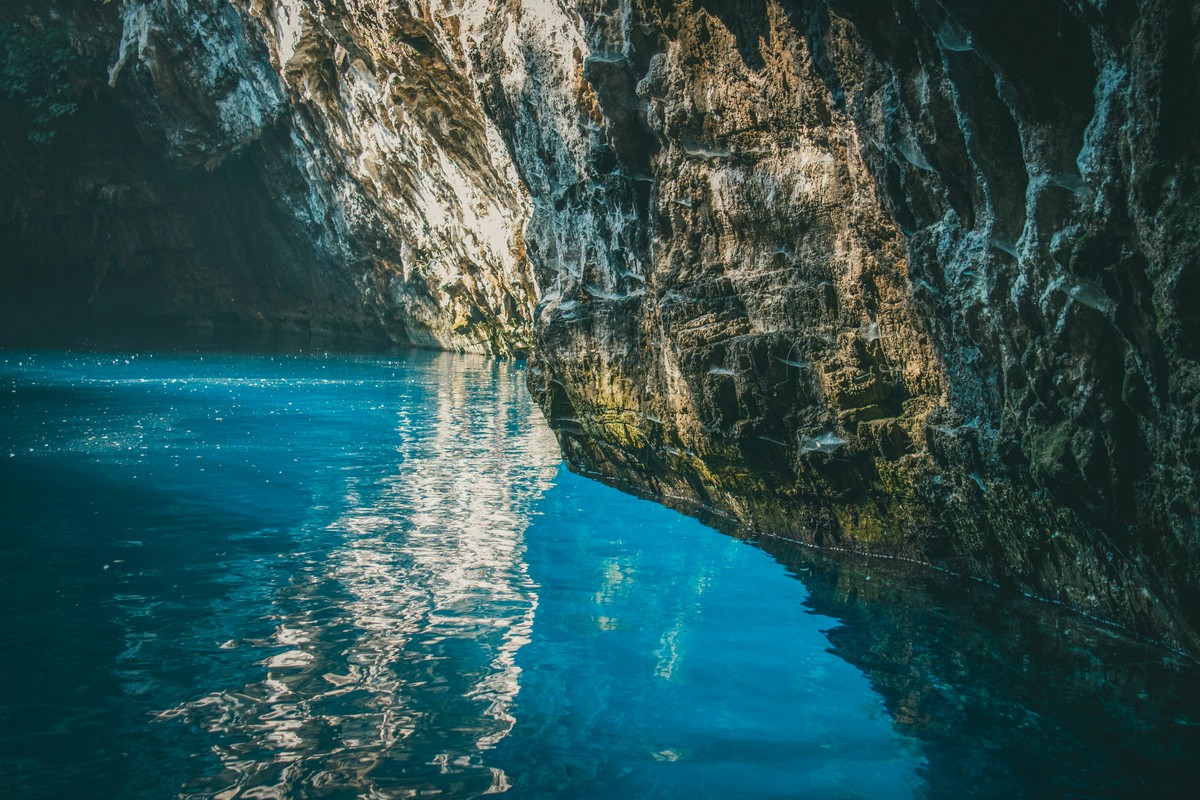
The island’s most celebrated natural feature — the Melissani Cave, a subterranean lake in a collapsed cavern whose turquoise water is illuminated by the sun through the hole in the cave roof at midday in a display of natural colour and natural drama of overwhelming beauty — is one of the most extraordinary natural phenomena in the Ionian world, its deep, impossibly blue water, its stalactite walls, and the quality of the light filtering through the cave opening at the optimal hour creating a natural spectacle entirely unlike anything available in the above-ground world of the Ionian islands. The Drogarati Cave, near Sami, is a vast underground chamber of great stalactite formations of considerable natural beauty, its acoustic quality so extraordinary that it is regularly used for concerts and musical performances.
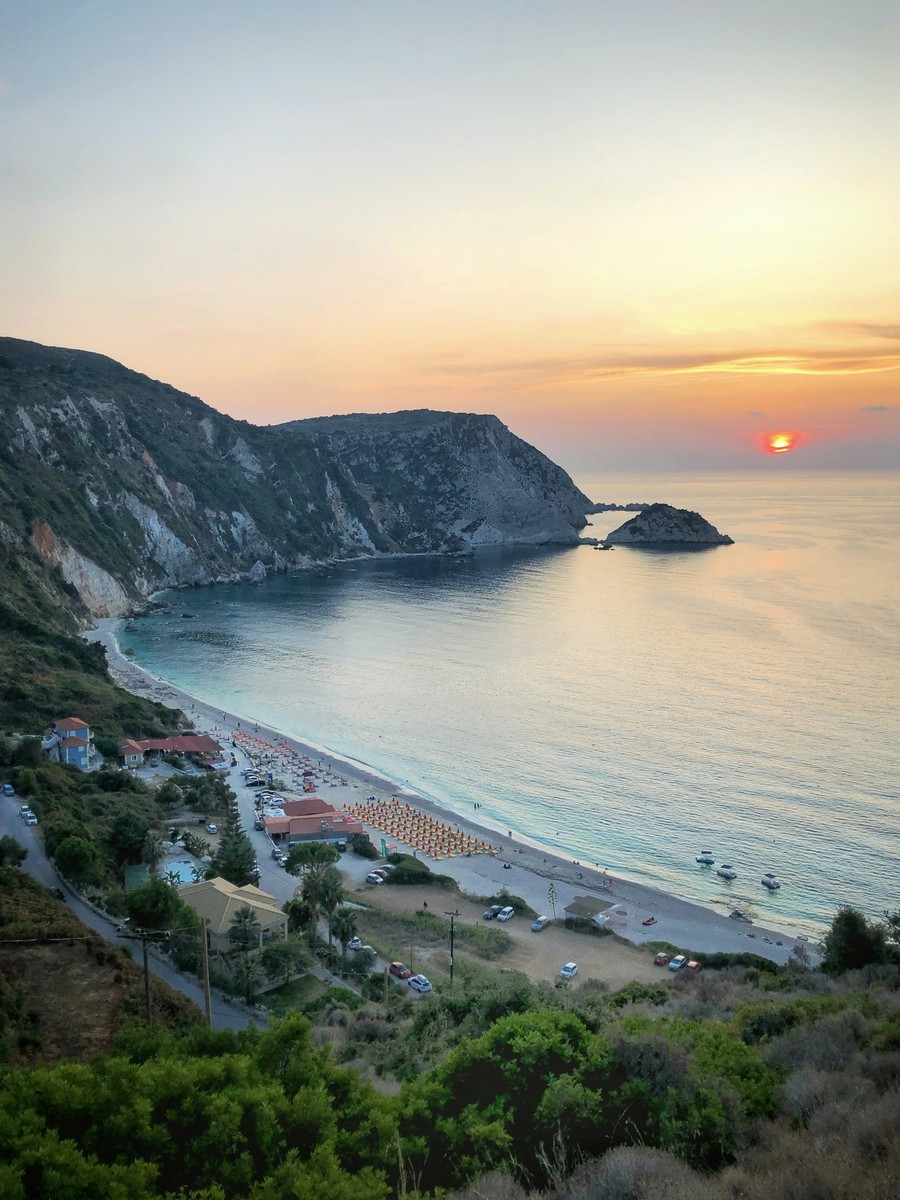
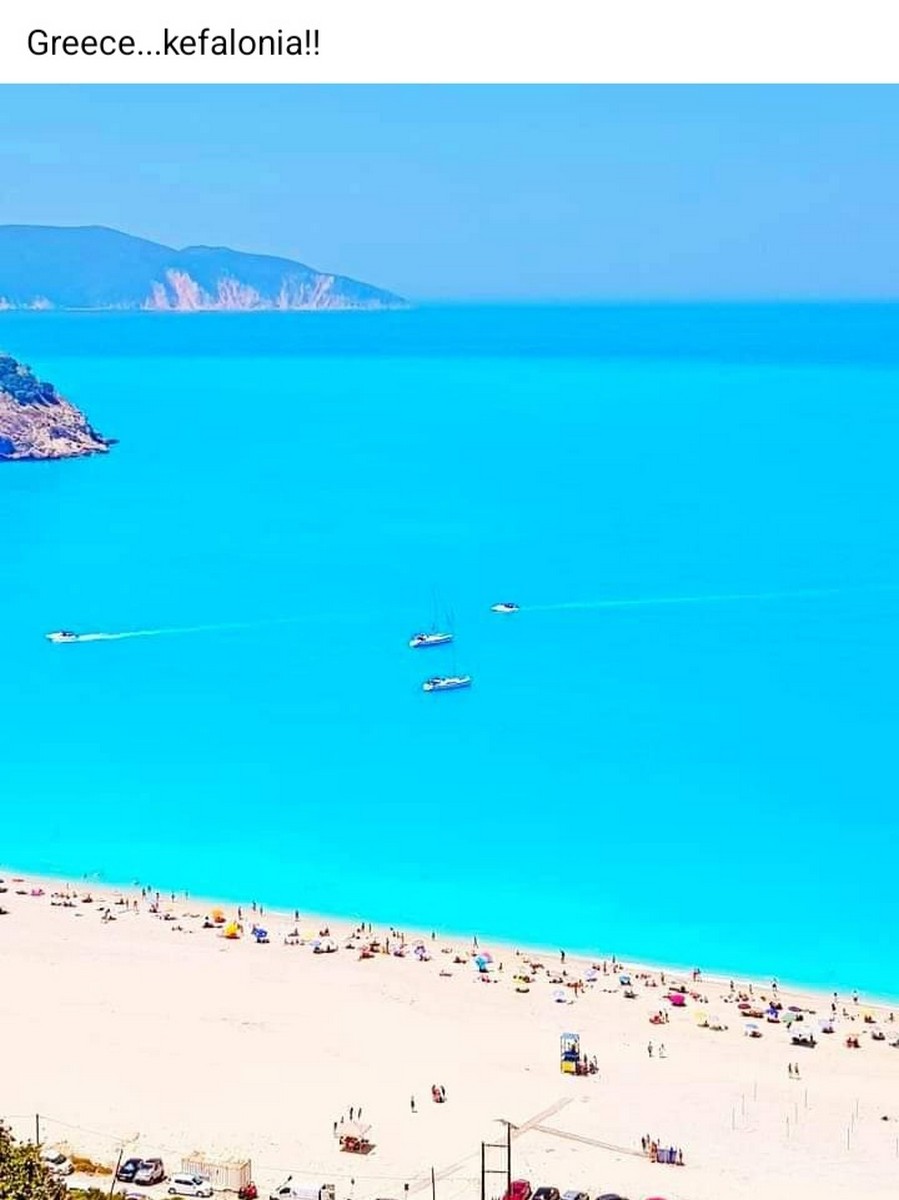
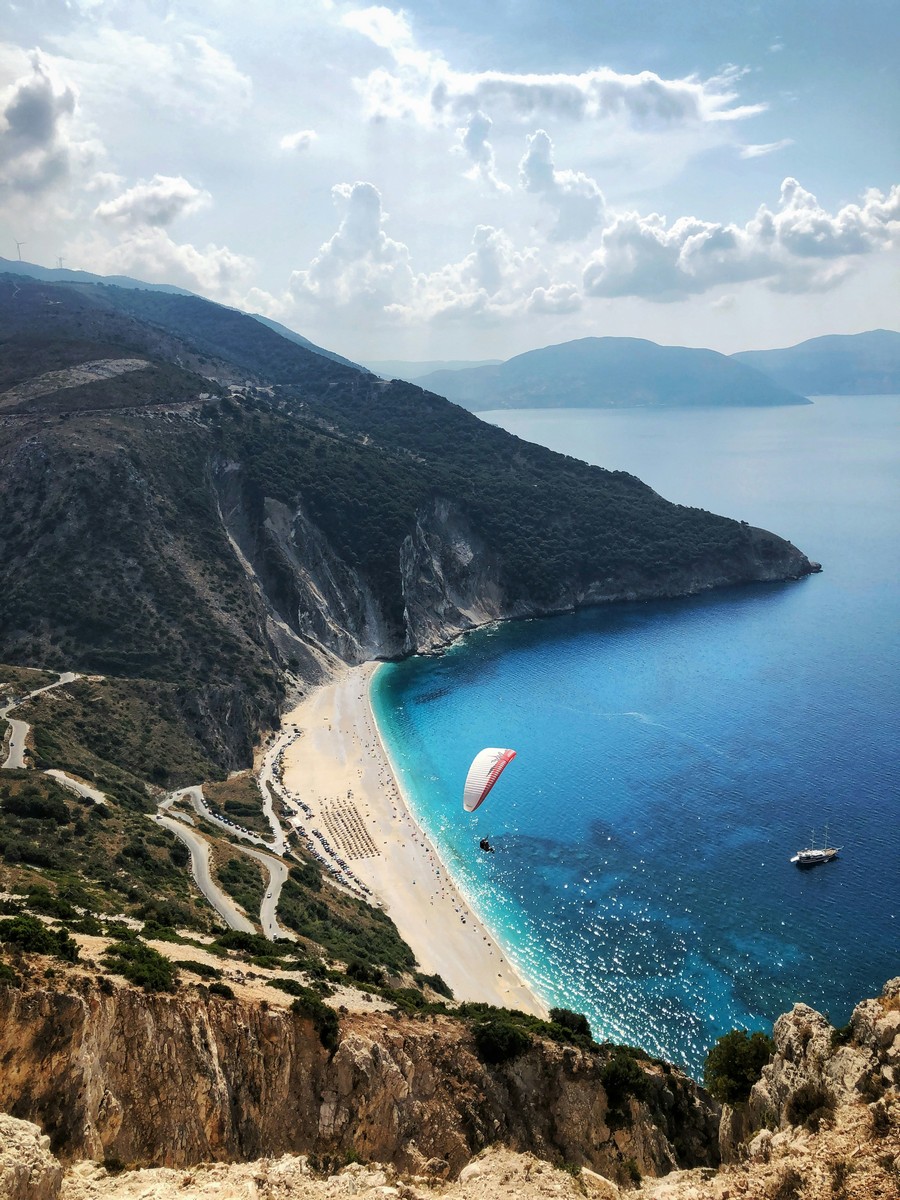
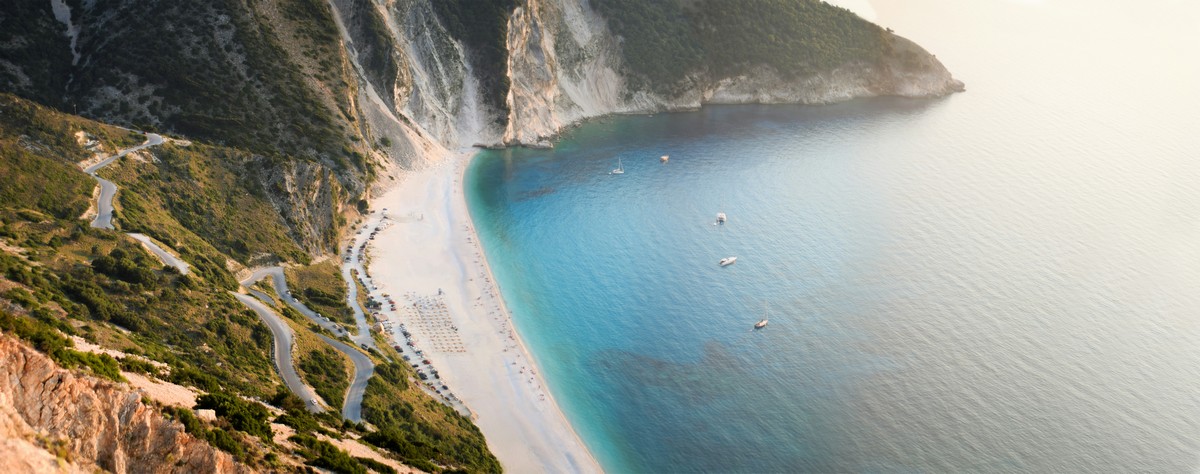
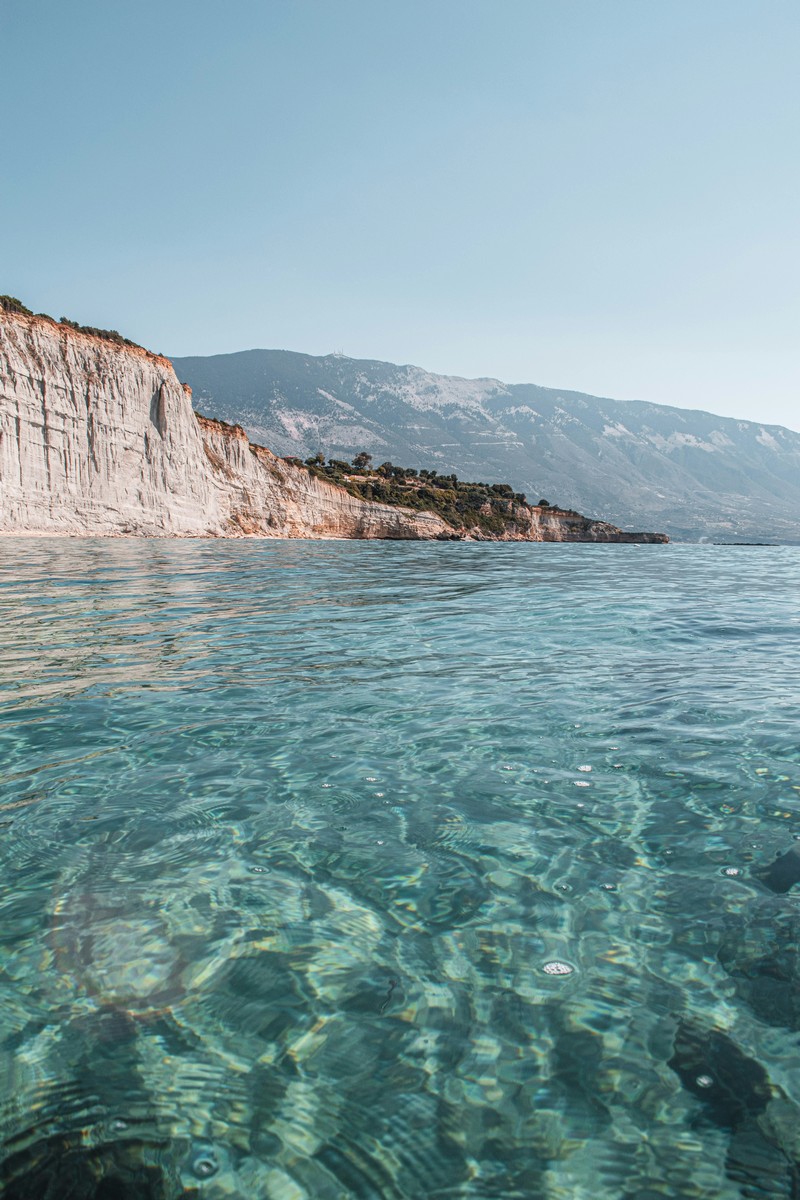
The beaches of Kefalonia are among the finest in the Ionian — and Myrtos, on the western coast below the village of Divarata, is by the consistent judgement of those who know the Ionian beaches, the most beautiful single beach in the Ionian Sea and one of the most beautiful in Greece: a vast arc of pure white pebble and brilliant turquoise water enclosed by sheer white limestone cliffs of 300 metres in a natural composition of such complete and such overwhelming magnificence that it has become one of the most famous beach images in the entire Mediterranean world. The experience of descending the hairpin road from Divarata and having Myrtos gradually reveal itself below — the white pebble, the impossible turquoise, the sheer white cliffs — is one of those moments of natural revelation that travel in Greece provides, periodically and generously, to those who seek it with sufficient persistence and sufficient willingness to be surprised.
What to Do and What to See
Myrtos Beach
Myrtos is the supreme natural attraction of Kefalonia and one of the finest beaches in the Mediterranean — a vast arc of pure white pebble enclosed by sheer limestone cliffs, its turquoise water of extraordinary brilliance and clarity, its overall natural composition of an overwhelming and entirely permanent beauty that no photograph fully captures and no visit fully exhausts. The beach is accessible by the long, winding road from Divarata above, and the descent — watching the beach gradually reveal itself through the cliff face as the road switchbacks down — is one of the finest and most completely theatrical natural approaches to any beach destination in Greece.
The Melissani Cave
Near the port of Sami on the eastern coast, the Melissani Cave is one of the most completely extraordinary natural phenomena in the Ionian islands — a subterranean lake in a partially collapsed cavern, its turquoise water illuminated by the sun through the hole in the cave roof at midday in a display of natural colour of overwhelming beauty. The boat tour of the cave — the guide rowing through the two chambers of the lake in the extraordinary coloured light — is one of the most memorable and most completely unusual natural experiences available on any Ionian island.
Assos and the Venetian Castle
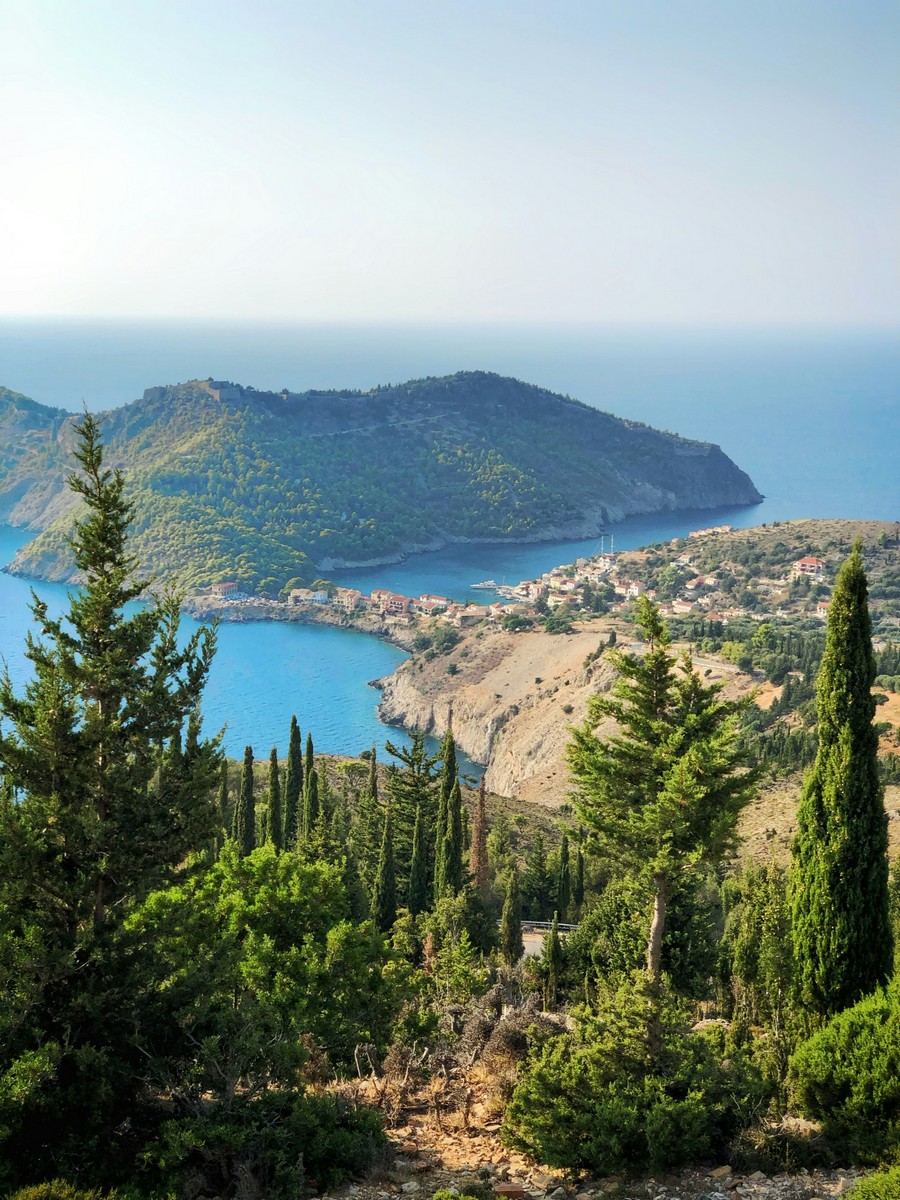
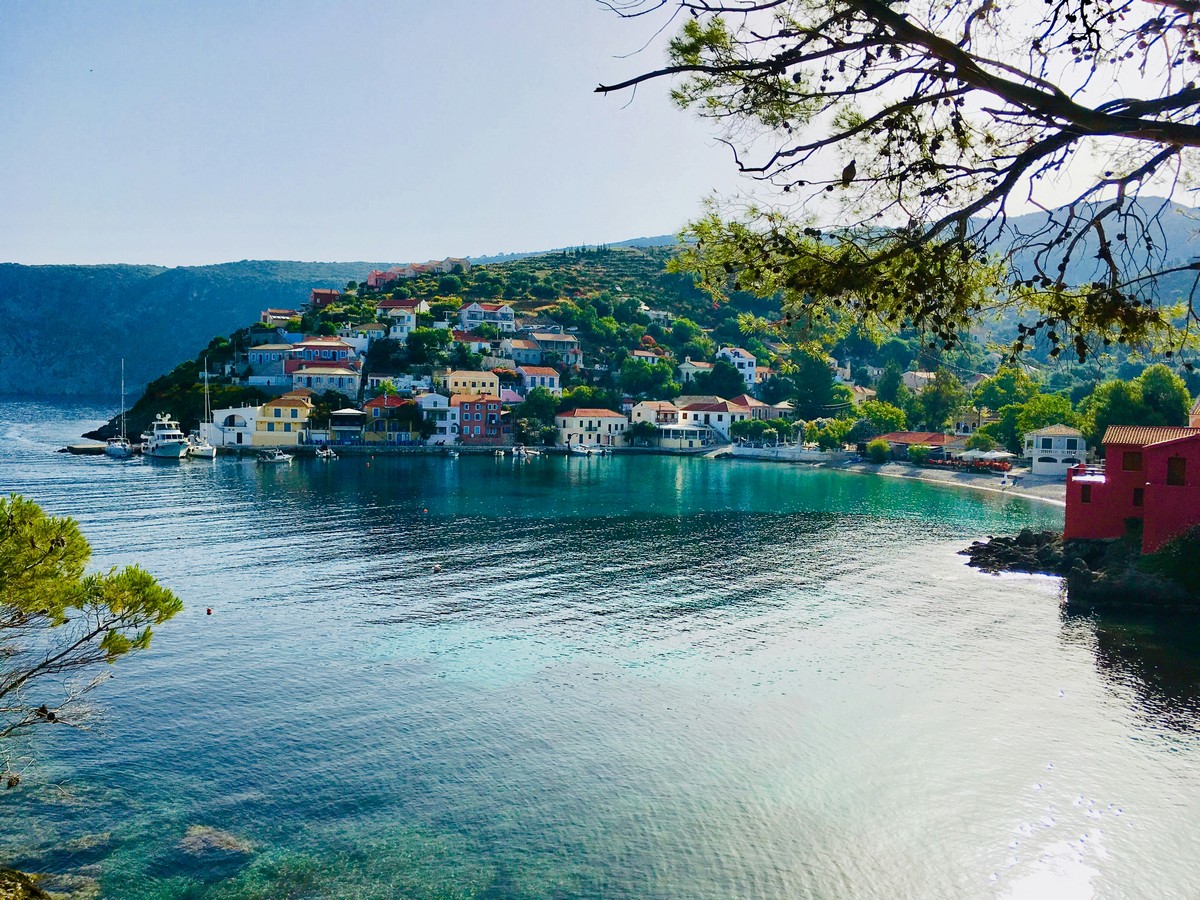
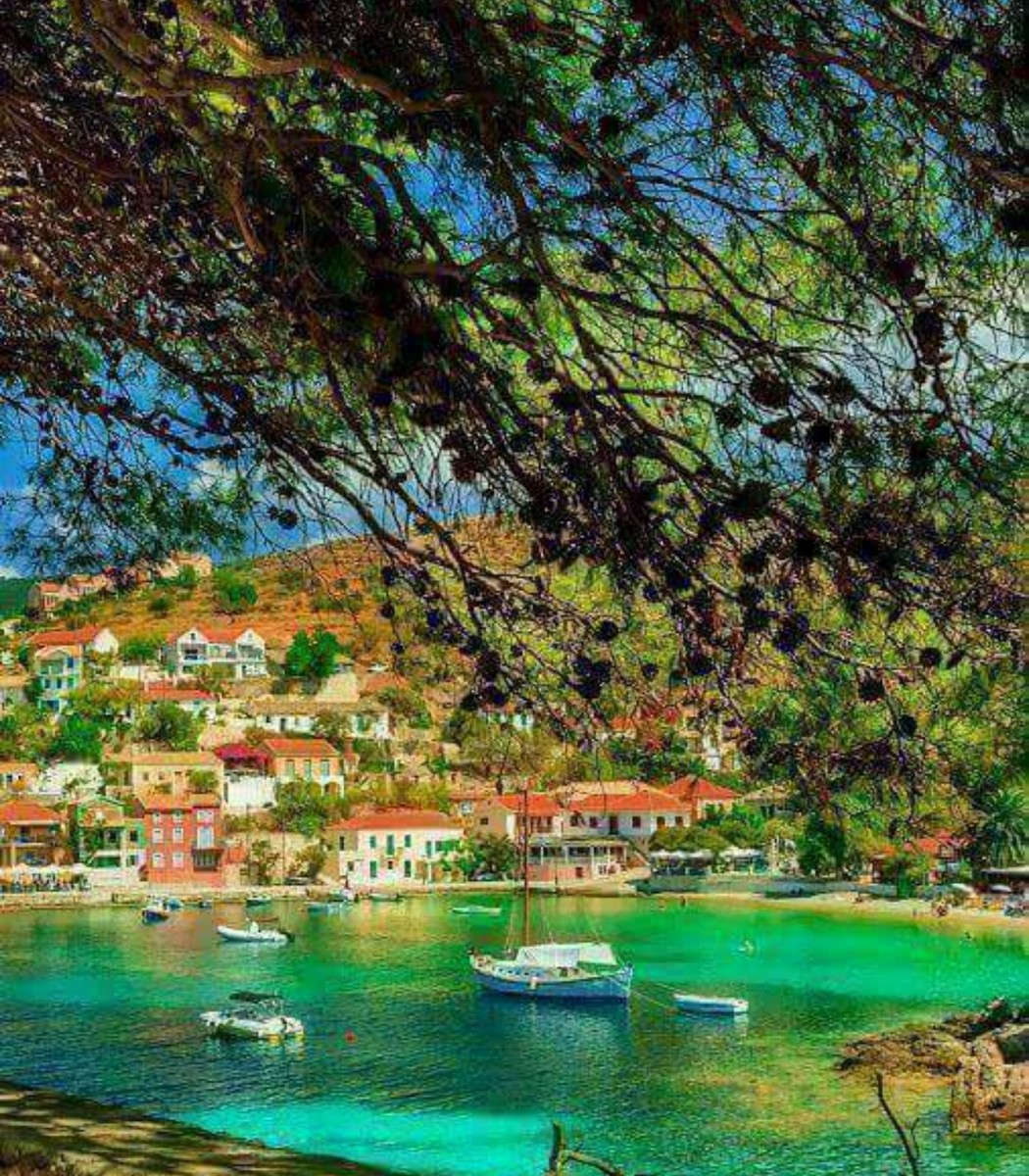
On the northwestern coast of Kefalonia, the village of Assos — a small, perfectly preserved traditional village on a narrow isthmus connecting the mainland of the island to a rocky promontory on which a magnificent 16th-century Venetian castle stands — is one of the most completely beautiful and most completely romantic small harbour communities in the Ionian islands. The combination of the traditional village houses, the turquoise water of the enclosed bay, and the magnificent Venetian fortification on the hill above creates a composition of natural and historical beauty of the first order.
Argostoli and the Island Capital
The capital of Kefalonia — Argostoli — was entirely rebuilt after the earthquake of 1953, which destroyed virtually every building on the island, and though it lacks the historical architecture of the older Ionian capitals, it is a pleasant, well-organised, and genuinely welcoming town whose waterfront, restaurants, and excellent Archaeological Museum — with finds from the island’s Mycenaean tombs of the first quality — provide a thorough introduction to the island’s considerable historical heritage. The Mycenaean tholos tomb at Mazarakata and the ruins of the ancient city of Krani are among the most important ancient sites in the Ionian islands.
The Fiskardo Village
At the northern tip of Kefalonia, the small harbour village of Fiskardo is the only settlement on the island to have survived the 1953 earthquake intact, and its collection of Venetian-era buildings of the 18th and early 19th centuries constitutes the finest surviving example of traditional Kefalonite architecture in the island — a small, densely built harbour town of great beauty and great elegance, its Venetian houses of ochre and rose-tinted plaster composing a waterfront of extraordinary charm. Fiskardo is the most fashionable and most cosmopolitan of the Kefalonian harbour villages, its excellent restaurants and its natural harbour of great beauty making it the preferred destination of the island’s most discerning visitors and the most popular anchorage in the northern Kefalonian sailing ground.
Why Choose Kefalonia
Kefalonia is the island for those who want the Ionian archipelago in its most comprehensive and most dramatically grand expression — the largest island, the highest mountain, the finest beaches, the most extraordinary natural cave, the most beautiful Venetian harbour village, and the most historically complete archaeological record of any island in the group. It is an island of genuine dramatic scale and genuine natural variety that rewards extended exploration — three days, five days, a week — with a continuously changing sequence of extraordinary natural and cultural experiences of the highest quality. For the sailing visitor in the Ionian, Kefalonia provides the finest and most varied sailing itinerary in the group — Myrtos from the sea, Assos from the anchorage below the castle, Fiskardo from the perfect harbour at its northern tip — and the most complete combination of sailing pleasures and shore-side attractions available on any single Ionian island.