Why Ithaca
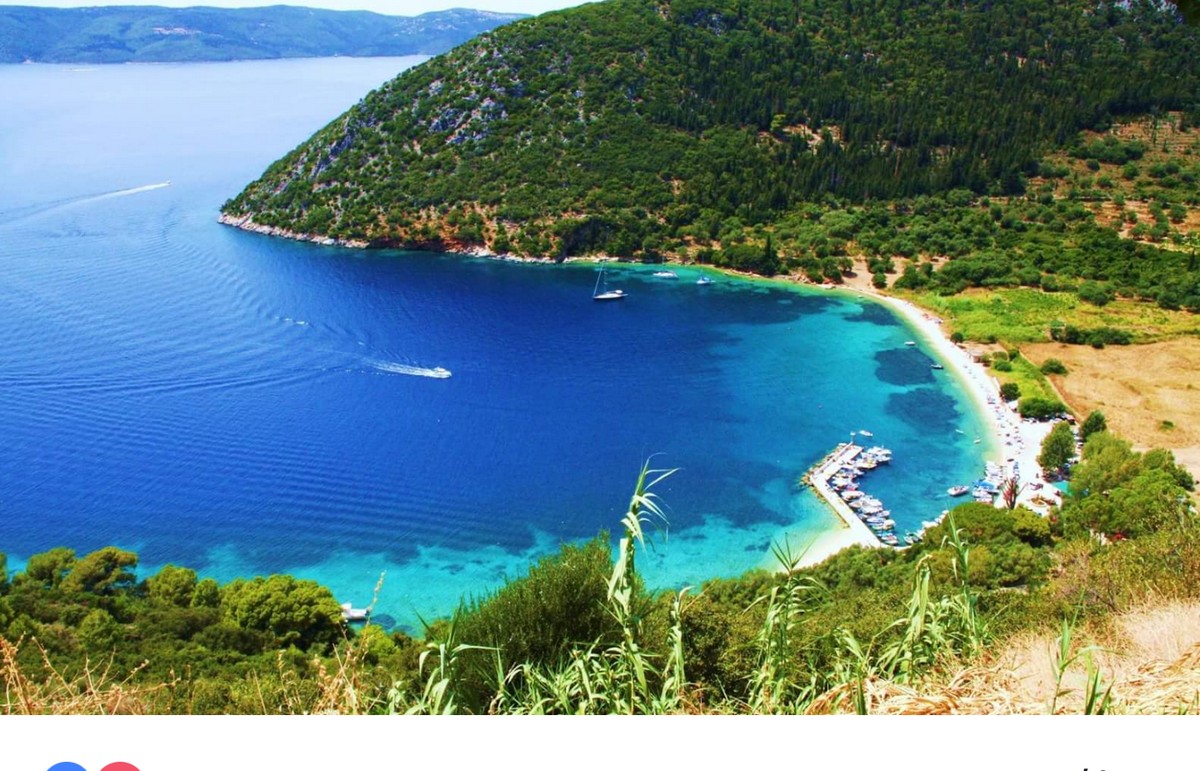
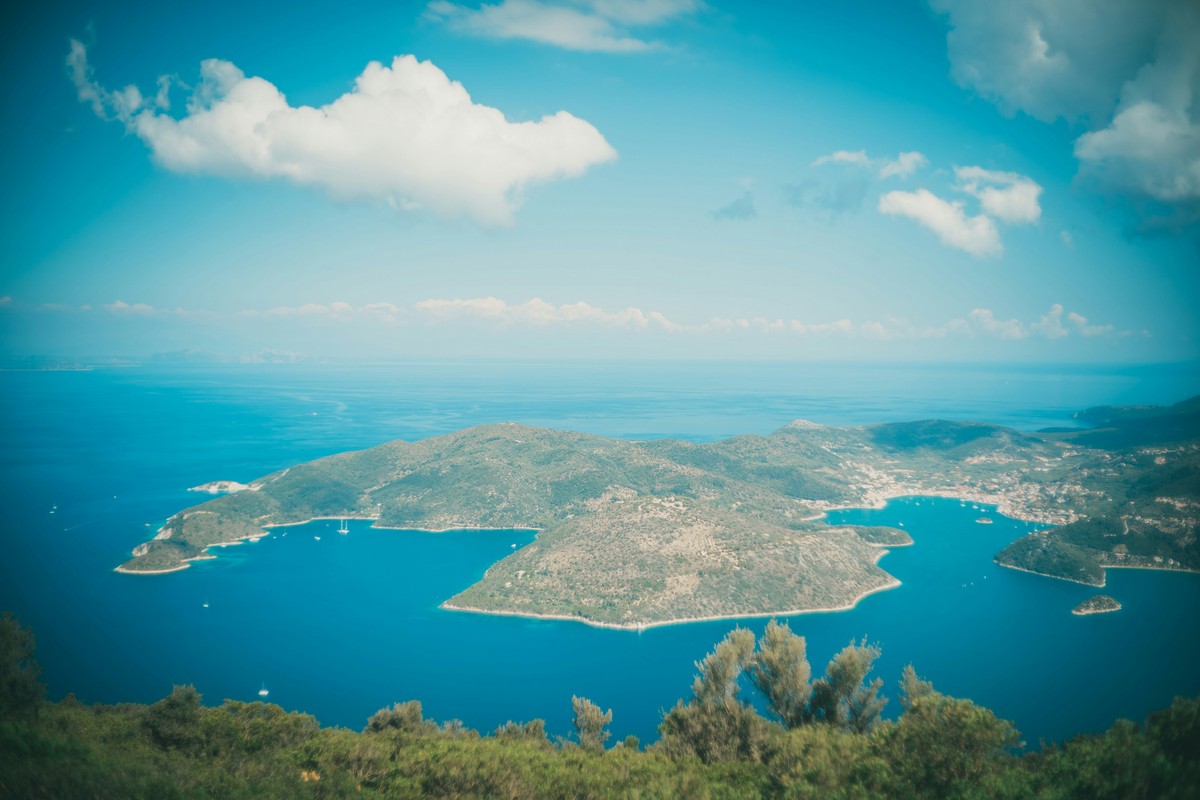
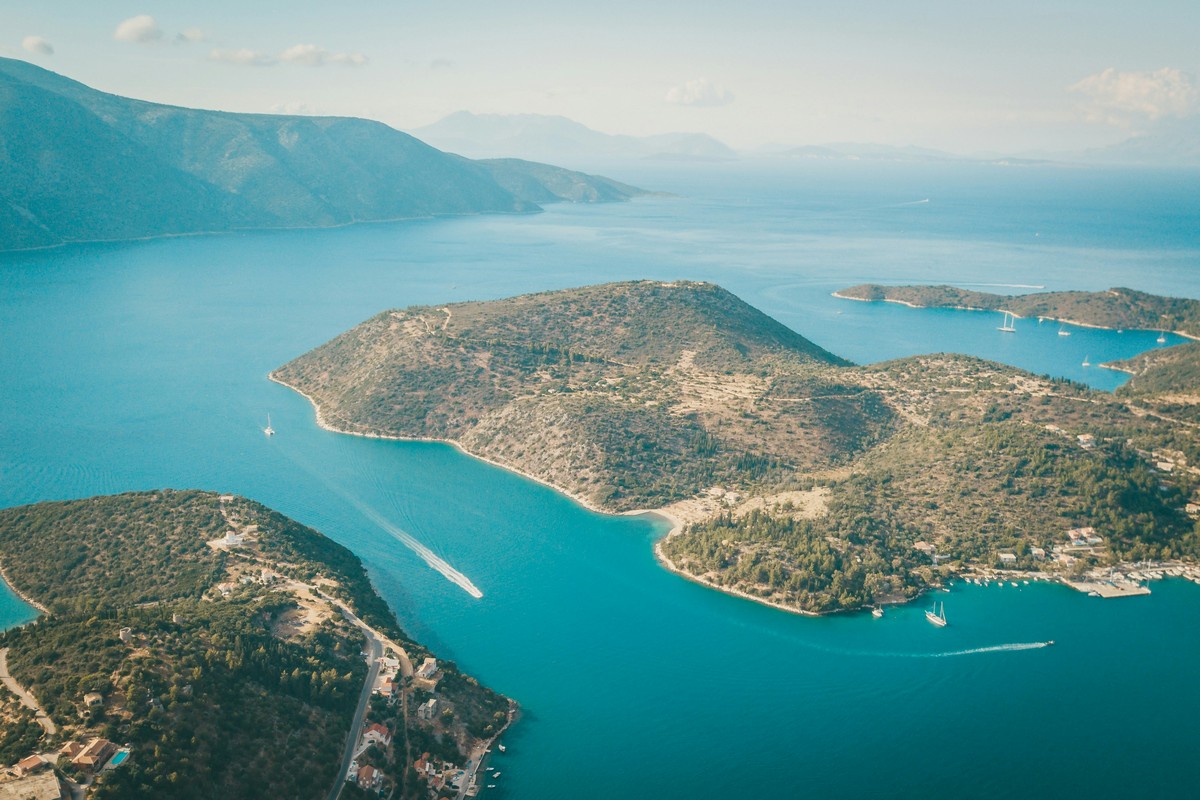
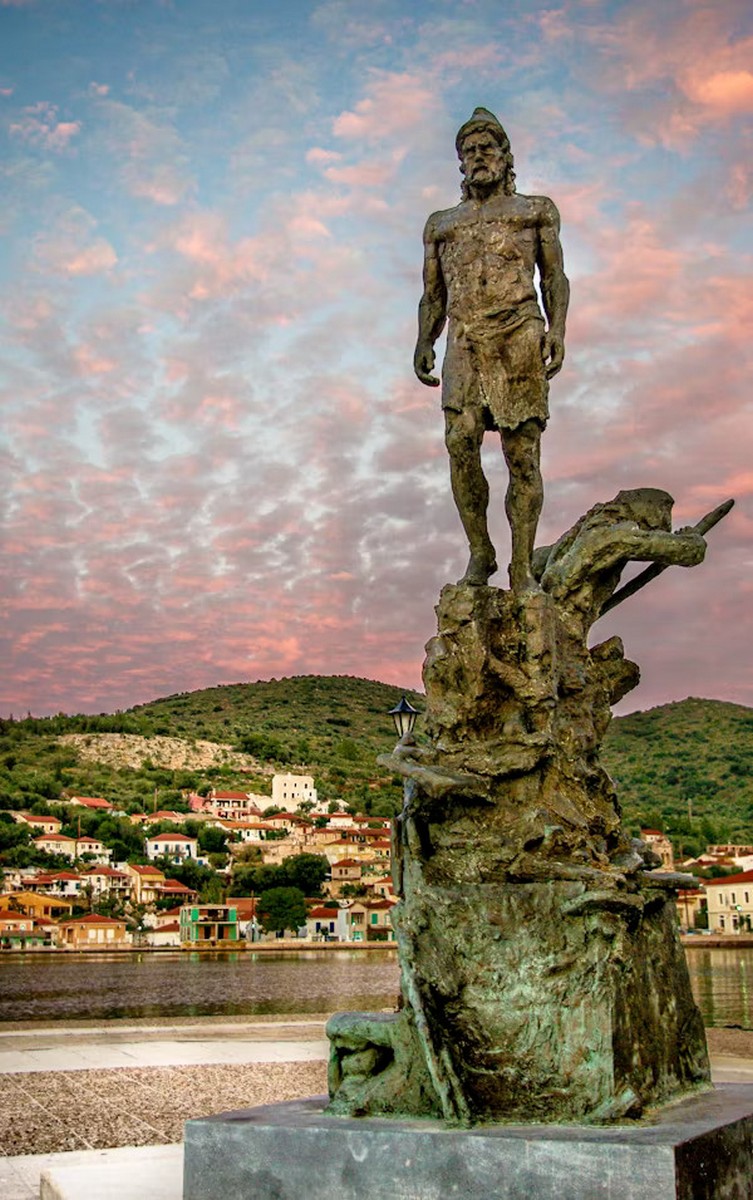
There are islands that carry the weight of the greatest story in western literature — islands that have been identified, argued over, re-identified, and finally and authoritatively established as the home of the hero whose ten-year journey home from the Trojan War gave western literature its first and most enduring model of the human desire to return — to find again, after all the journeys and all the enchantments and all the dangers, the particular place and the particular person that constitute the deepest meaning of the word home. Ithaca is this island. The home of Odysseus — confirmed in its identification by the scholarship of the last century and by the physical geography of the island itself, which corresponds in its essential features to the Ithaca of the Odyssey with a precision that has convinced the most rigorous classicists — Ithaca is an island of extraordinary natural beauty in the heart of the Ionian Sea, its two deeply indented bays, its mountainous interior, and its extraordinary quality of Ionian light composing a landscape that feels, for those who know the story, like a place of permanent homecoming.
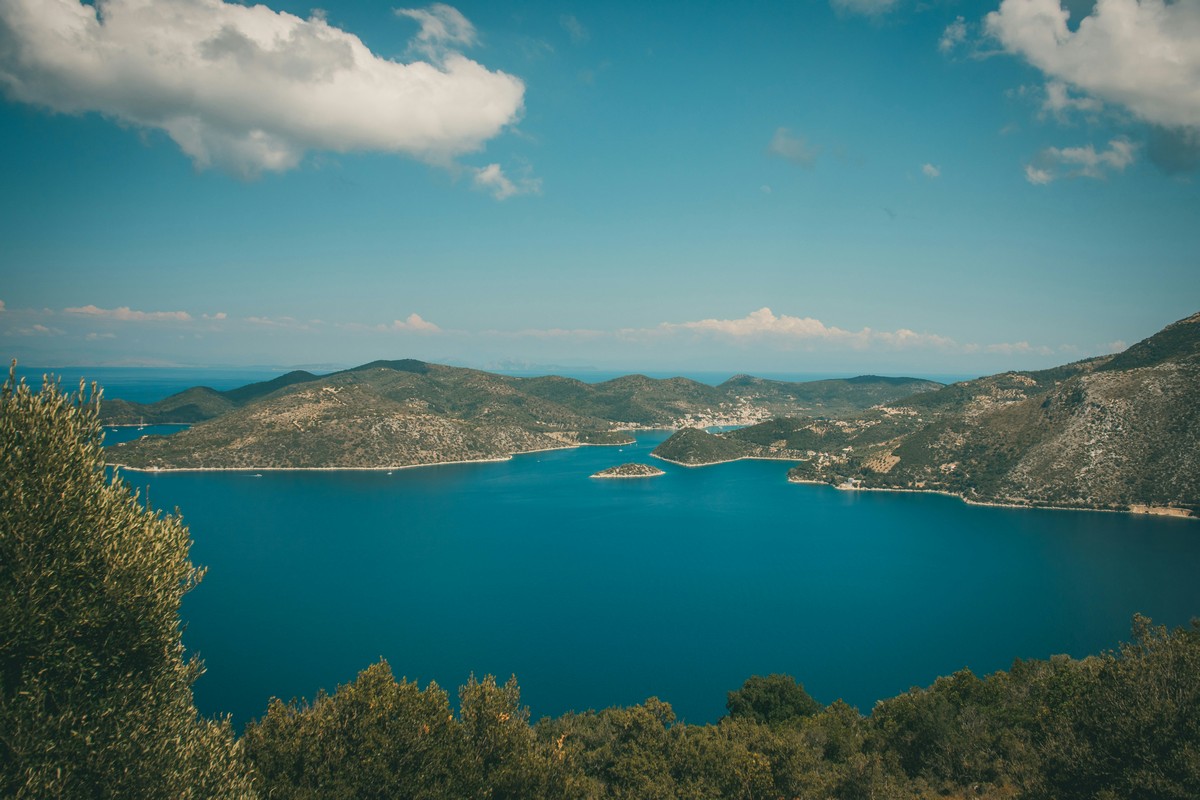
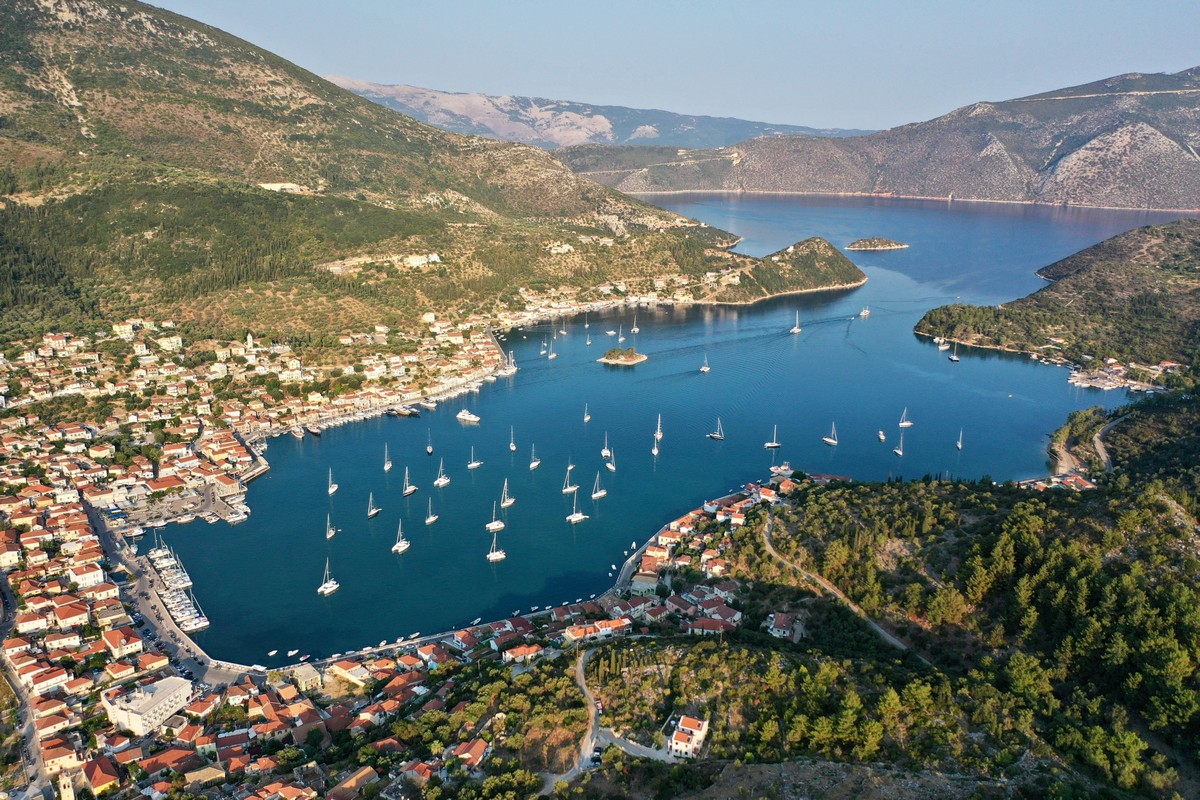
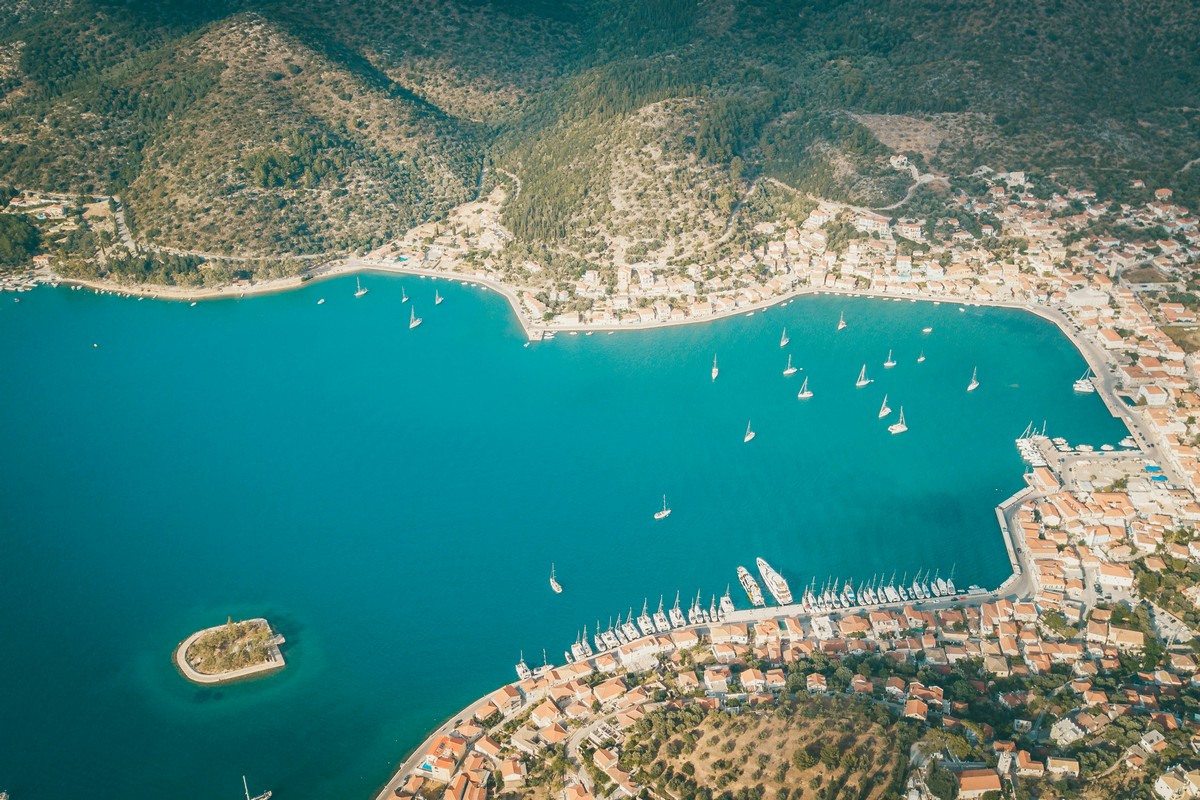
The island is a long, narrow mountain ridge of 117 square kilometres, its spine of barren limestone rising to over 800 metres in the north and divided by the narrow isthmus of Aetos into a northern and a southern half of entirely distinct character. The capital — Vathi — occupies the innermost point of one of the most completely enclosed and most naturally beautiful harbours in the Ionian Sea, a deep fjord-like bay entirely protected from every wind direction and of extraordinary calm and extraordinary beauty, its harbour-front streets of Venetian-influenced architecture reflected in the perfectly still water of the inner harbour in a composition of great natural elegance. The northern part of the island — the villages of Stavros, Frikes, and Kioni, their terraced hillsides and olive groves composing an Ionian landscape of great agricultural beauty — is, by most accounts, the most beautiful part of the island and the most completely characteristic of the quiet, genuine, unhurried quality of the Ithacan experience at its best.
The connection with Odysseus gives Ithaca a mythological and literary resonance unlike any other island in the Greek world — a permanent sense of the island as a place of return, of completion, of the deep satisfaction of arriving at exactly the right place after exactly the right journey. Kavafis’s great poem “Ithaka” — one of the masterpieces of modern Greek poetry — has given the island’s name a universal significance as a symbol of the journey itself, of the understanding that the destination matters less than the quality of travel that precedes it. The reality of Ithaca — the quiet harbour, the terraced hills, the extraordinarily calm water of the inner bay at Vathi — is entirely worthy of the meaning that two and a half thousand years of literary association have loaded onto it.
What to Do and What to See
Vathi — The Capital
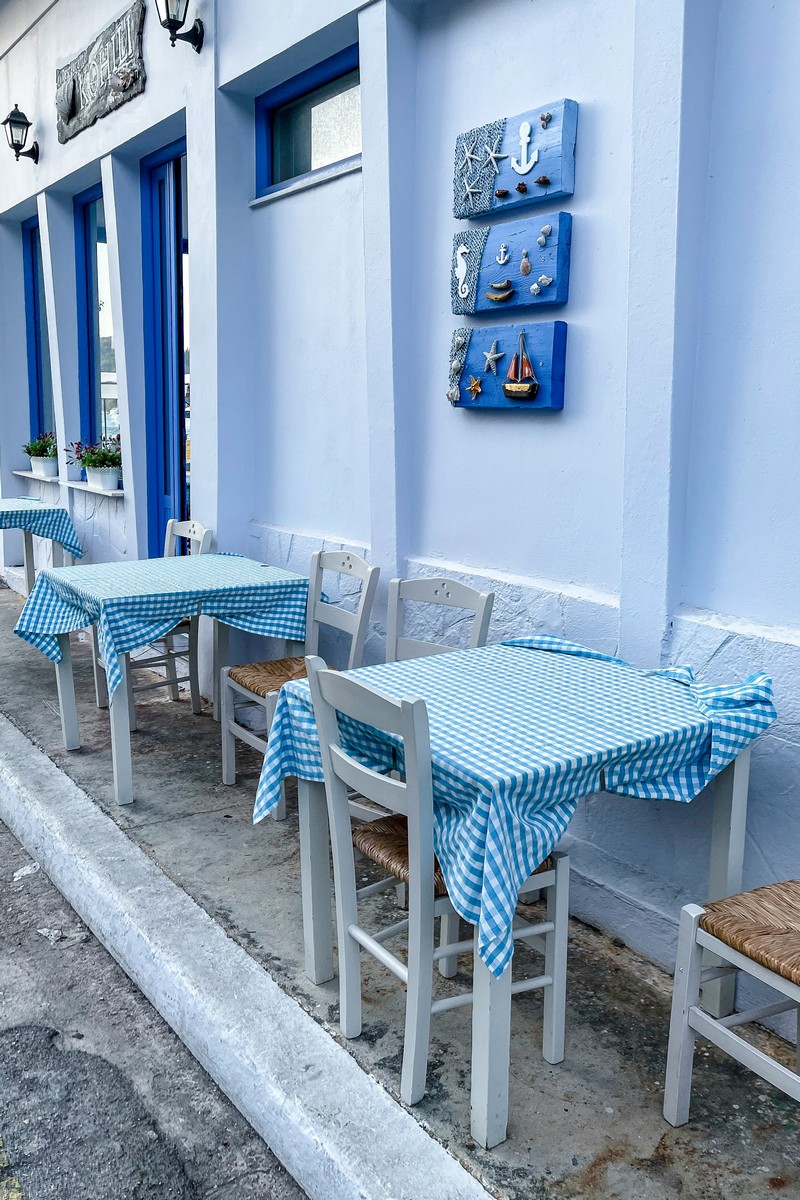
The capital of Ithaca is one of the most completely beautiful and most completely satisfying small harbour towns in the Ionian Islands — a horseshoe bay of extraordinary calm enclosed by steep wooded hills, its harbour front of traditional two-storey Venetian-influenced houses composing a townscape of great architectural character and great natural setting. The Archaeological Museum of Vathi, though modest in scale, contains finds of genuine importance from the island’s ancient sites, including material from the Polis Cave in the north which has yielded offerings of the 2nd millennium BC that may be connected with the hero cult of Odysseus. The evening at Vathi — the harbour perfectly still, the lights of the waterfront tavernas reflected in the water, the wooded hills dark on every side — is one of the finest small harbour evenings in the entire Ionian world.
Kioni and Frikes
In the northern part of Ithaca, the small harbour villages of Kioni and Frikes are among the most beautiful and most completely charming harbour communities in the Ionian islands. Kioni — a village of terraced houses climbing the hillside above a small, perfectly enclosed harbour of great natural beauty, with three windmill towers on the ridge above — is by common consent the most photogenic and most romantically perfect harbour village in northern Ithaca, its combination of natural beauty, traditional architecture, and excellent waterfront tavernas making it one of the most completely satisfying small harbour destinations in the Ionian. Frikes, slightly larger and slightly more animated, has the best natural harbour in the northern part of the island and an excellent range of tavernas of great quality.
The Archaeological Sites
Several sites in Ithaca have been associated with the Homeric geography of the Odyssey — the ancient Fountain of Arethusa in the south of the island, where Odysseus met his faithful swineherd Eumaeus; the Cave of the Nymphs near Vathi, where Odysseus is said to have hidden the gifts of the Phaeacians; the acropolis of Alalkomenai near the isthmus of Aetos; and the Polis Cave in the north, where votive offerings from the 2nd millennium BC to the 2nd century AD were deposited in what may represent a continuous hero cult of Odysseus of extraordinary longevity. None of these identifications is archaeologically certain. All of them are historically charged and naturally beautiful, and the experience of visiting them with the text of the Odyssey in mind gives a quality of literary and landscape experience entirely unique in the Greek island world.
Why Choose Ithaca
Ithaca is the island for those who want the Ionian at its most mythologically resonant and its most quietly beautiful — who want the finest small harbour town in the Ionian at Vathi, the most romantic village harbour in the group at Kioni, and the particular quality of an island that carries the weight of the greatest poem in western literature in a landscape of extraordinary Ionian beauty and extraordinary Ionian calm. For the sailing visitor in the Ionian, Ithaca is the most symbolically essential destination in the group — the island that every Mediterranean sailor, consciously or not, has been trying to reach since the first time they read the Odyssey.