Why Hydra
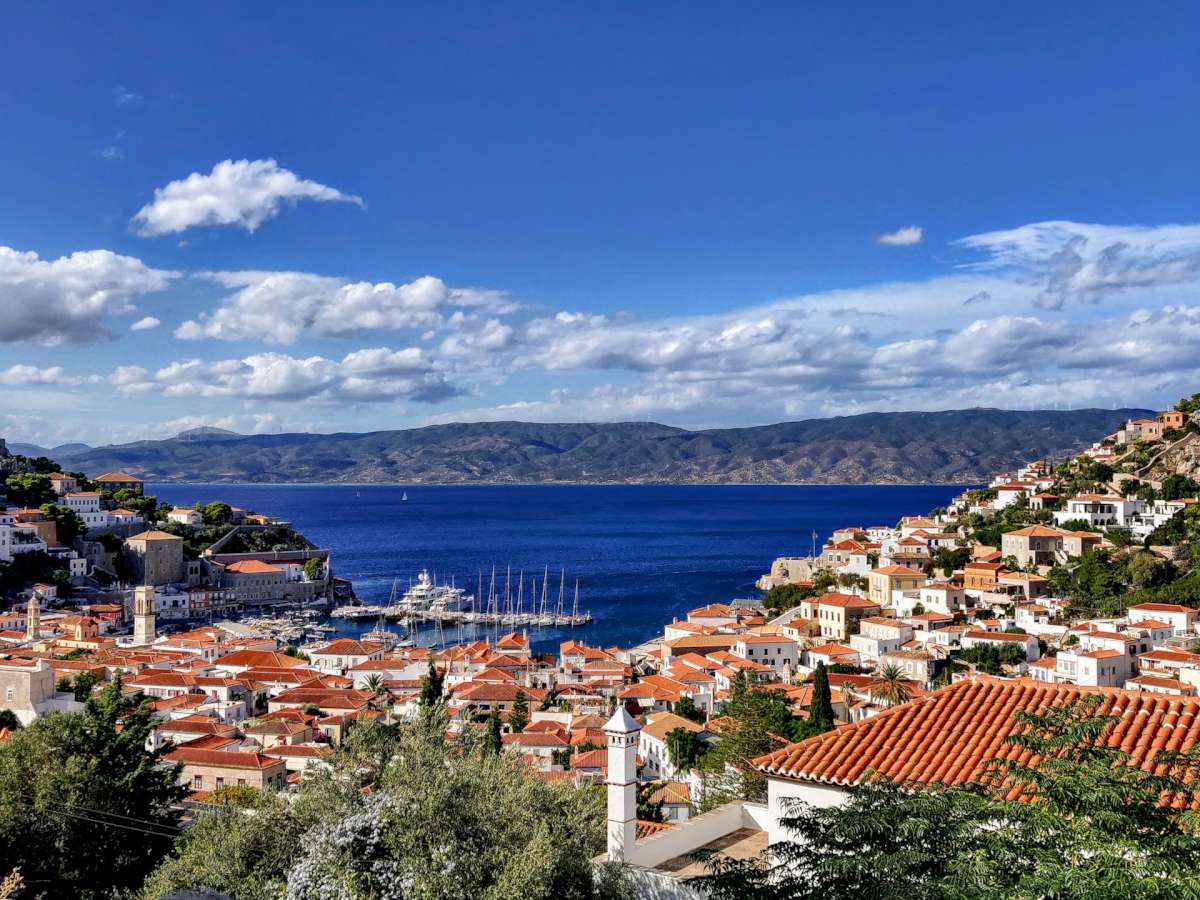
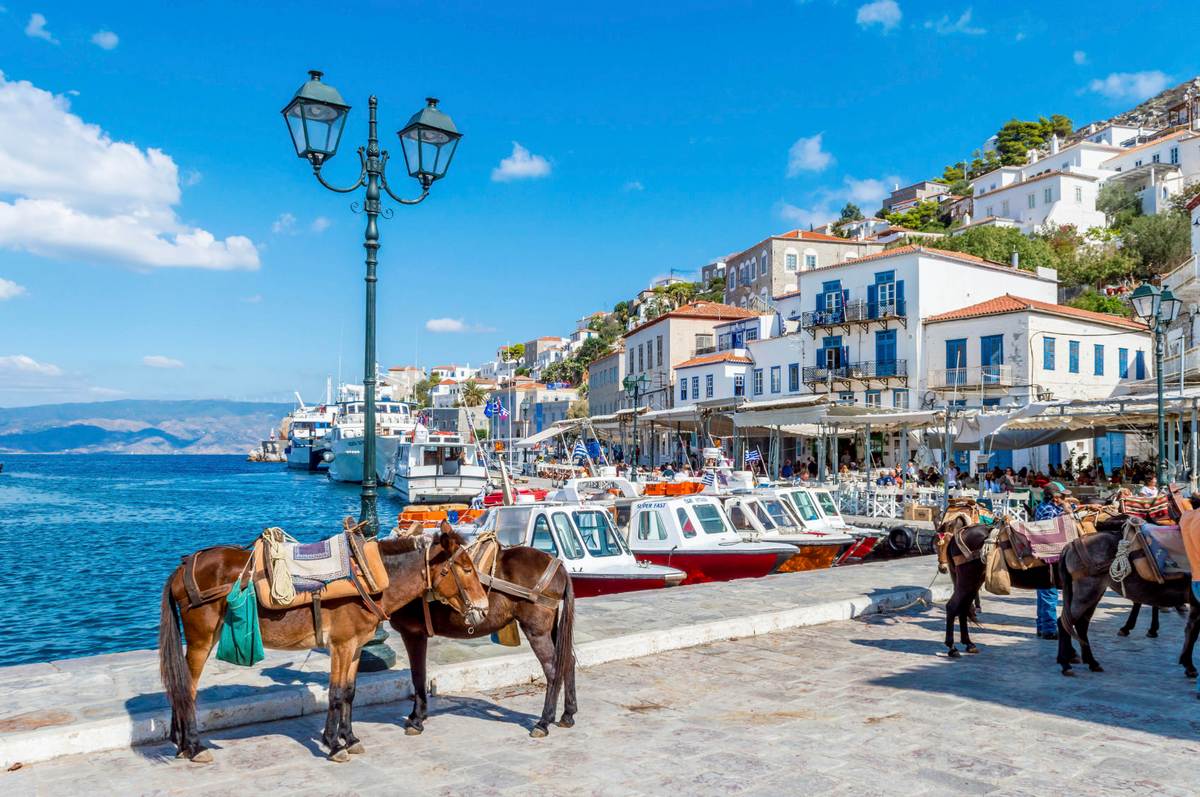
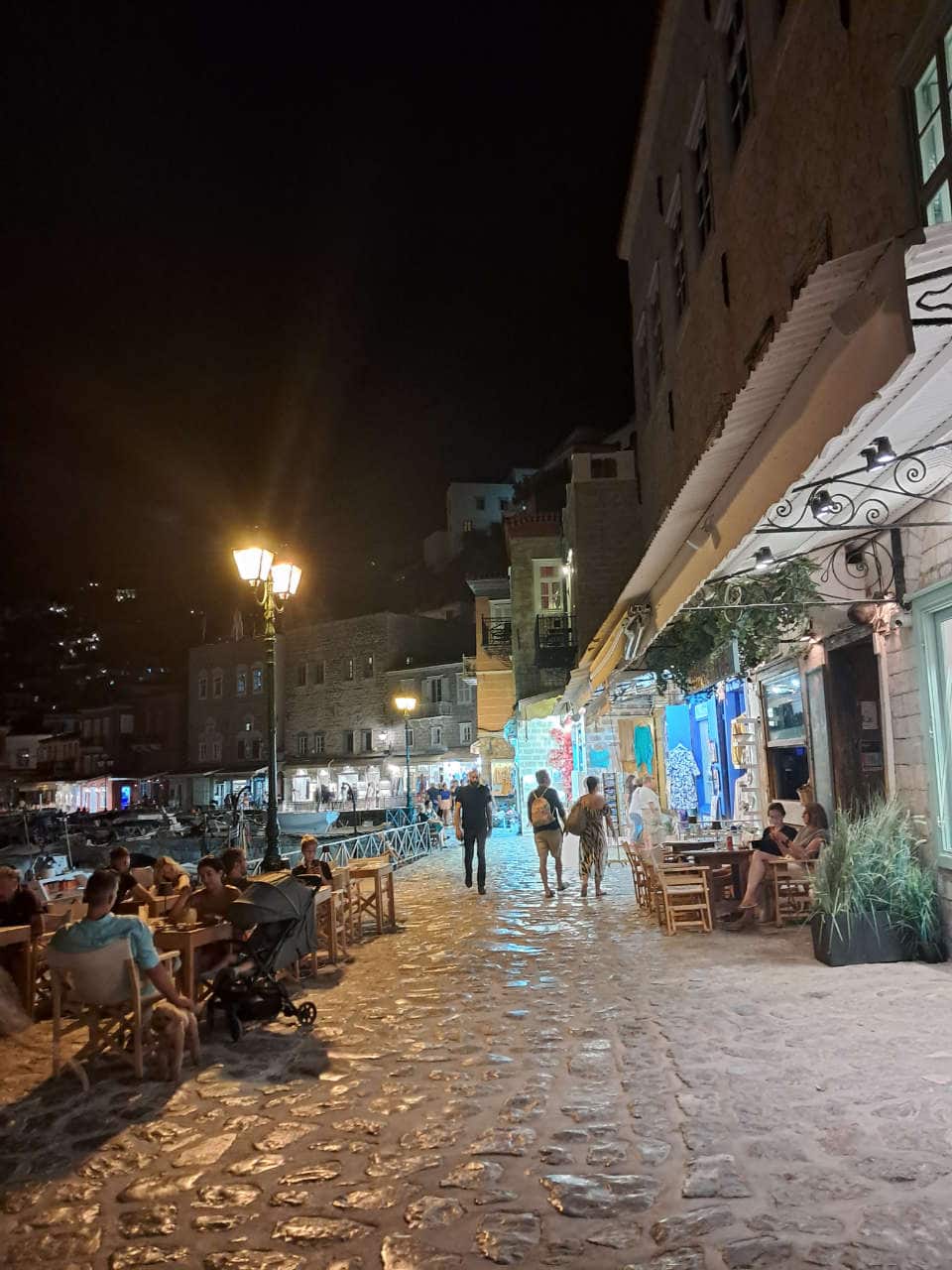
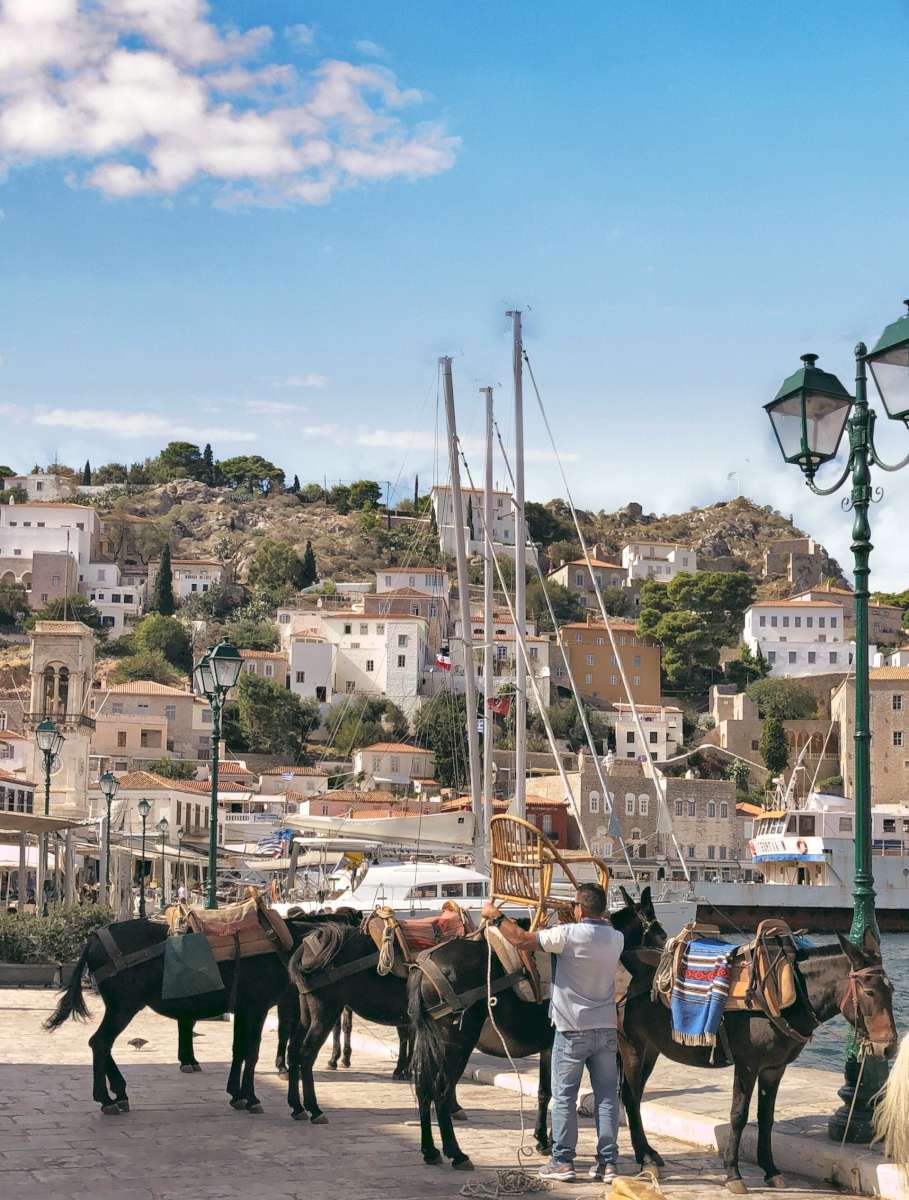
There are islands in the Greek world that have, at some point in their history, made a decisive and entirely deliberate choice — a choice that has shaped everything that came after it and that constitutes, in retrospect, the most important single decision in the island’s modern existence. Hydra made its choice in 1959, when it became the first municipality in Greece to ban motor vehicles from its territory — a decision that was less a piece of environmental legislation than a statement of values, a declaration that this island of steeply rising stone houses and donkey-paved lanes would remain what it was rather than become what the rest of the Mediterranean was rapidly turning into. The result, maintained with remarkable consistency and remarkable determination for over sixty years since, is an island unlike any other in Greece: a harbour town of extraordinary architectural beauty and extraordinary historical presence that is navigated entirely on foot and by donkey, whose only wheeled transport is the handcart used to move goods from the harbour to the houses above, and whose silence — the complete, extraordinary silence of a hillside town without engines, without traffic, without the constant mechanical background noise of the modern world — is one of the most immediately and most permanently arresting things about it. Hydra is 65 kilometres from Piraeus and further from the 21st century than any island in the Saronic Gulf.
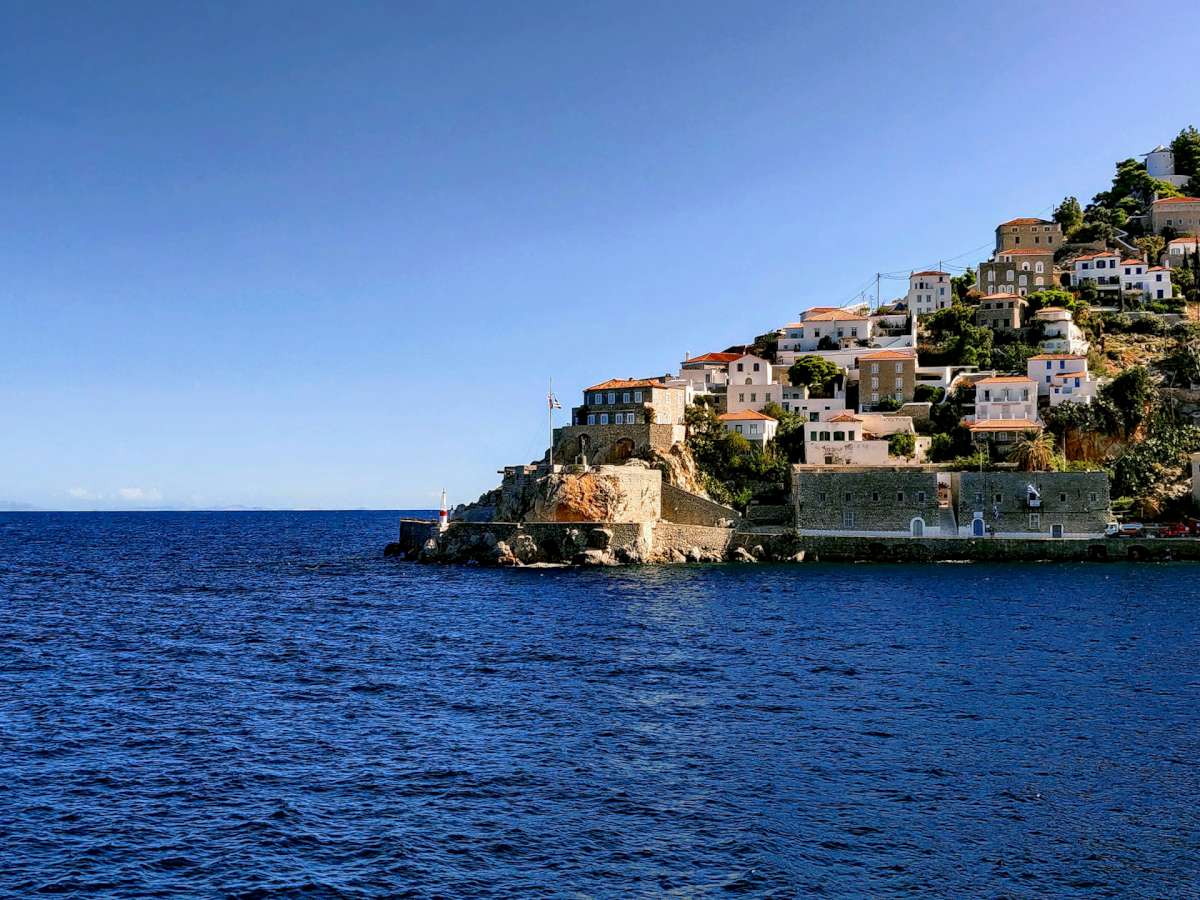
The island’s architectural character is one of the finest expressions of the 18th-century Greek maritime aesthetic in existence. The great stone archontika — the sea captains’ mansions — that dominate the hillsides above the harbour were built by the Hydriot shipowners who made the island, during the late 18th and early 19th centuries, one of the most powerful and most prosperous maritime communities in the Aegean, their merchant fleets of 150 ships trading across the entire Mediterranean and generating the wealth that was invested in the magnificent stone houses whose grey-stone facades and arched doorways and high-walled courtyards still line the lanes of the town in a remarkable state of preservation. The Hydriot contribution to the Greek War of Independence — when the island’s fleet of converted merchant ships formed the backbone of the Greek naval forces and the Hydriot admirals Miaoulis, Tombazis, and Sakhtouris became the greatest naval heroes of the independence struggle — is a chapter of the island’s history of which its community remains permanently and justifiably proud, and whose physical legacy — the mansions of the admirals, the cannon in the harbour walls, the monastery above the town — gives Hydra a historical gravity that amplifies its architectural beauty.
The international art community that discovered Hydra in the 1950s and 1960s — among them the Canadian singer and poet Leonard Cohen, who lived here for several years and whose presence on the island became part of its mythology — was drawn by precisely the combination of qualities that make the island remarkable today: the architectural beauty, the Mediterranean light, the silence, the absence of distraction, and the peculiar quality of a place that seemed, even then, to have opted out of modernity in favour of something older, slower, and more completely satisfying. That reputation — Hydra as the most beautiful and the most complete expression of the pre-modern Greek island world — has endured and deepened, and the island today attracts not the mainstream of mass tourism but the more selective audience of those who value the specific and irreplaceable qualities that the ban on motor vehicles has preserved with such remarkable effectiveness.
What to Do and What to See
The Harbour and the Waterfront
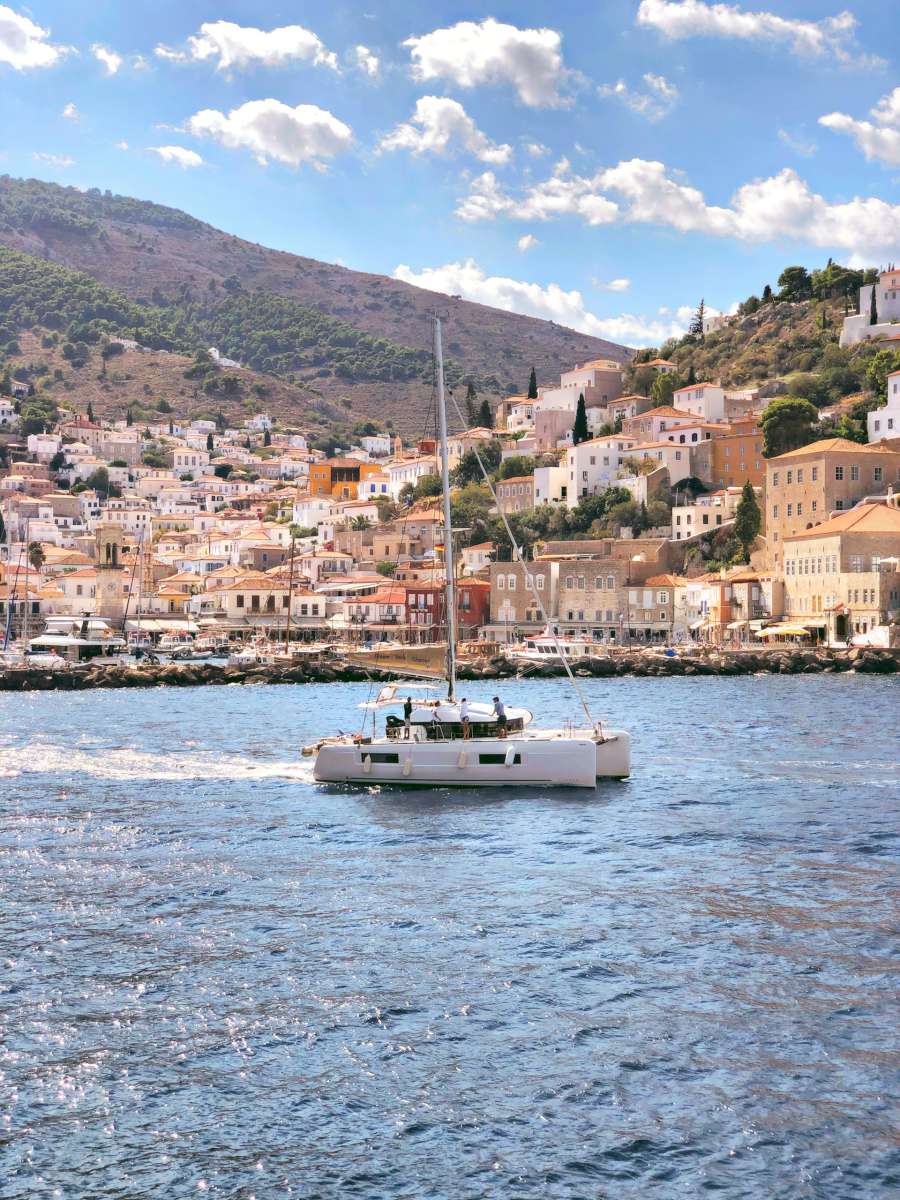
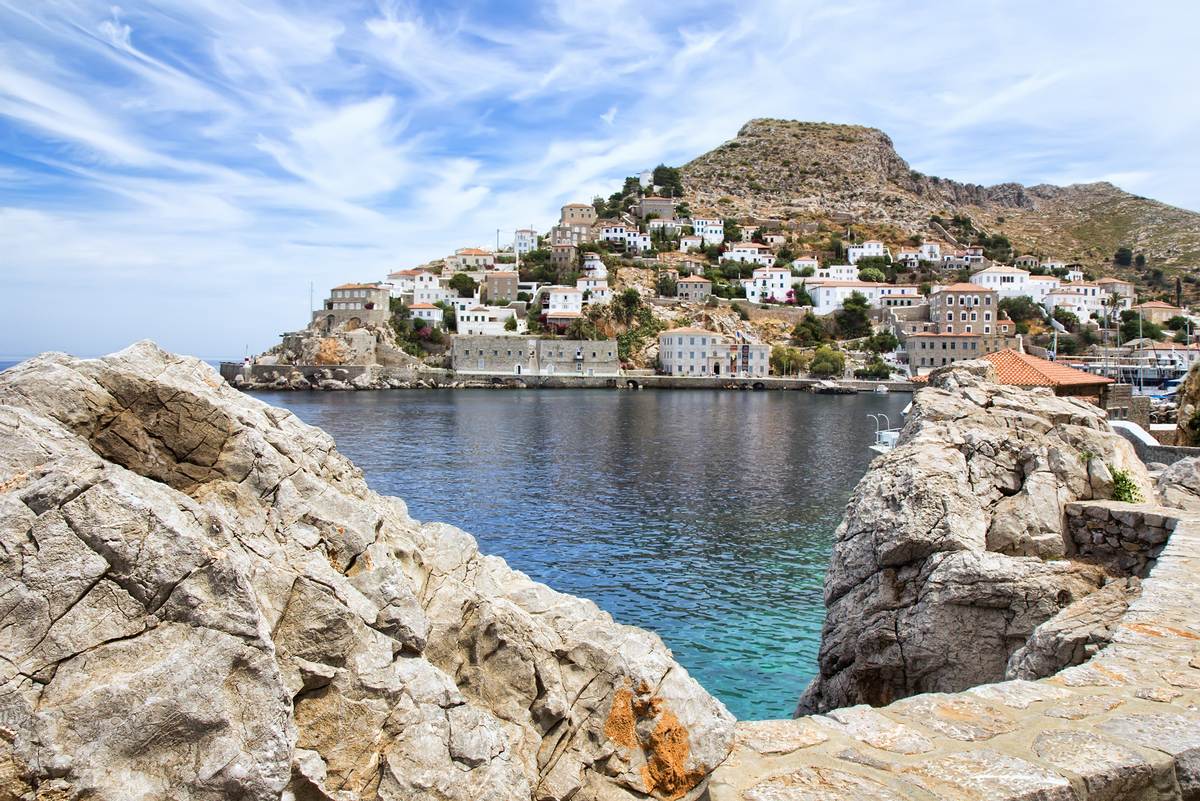
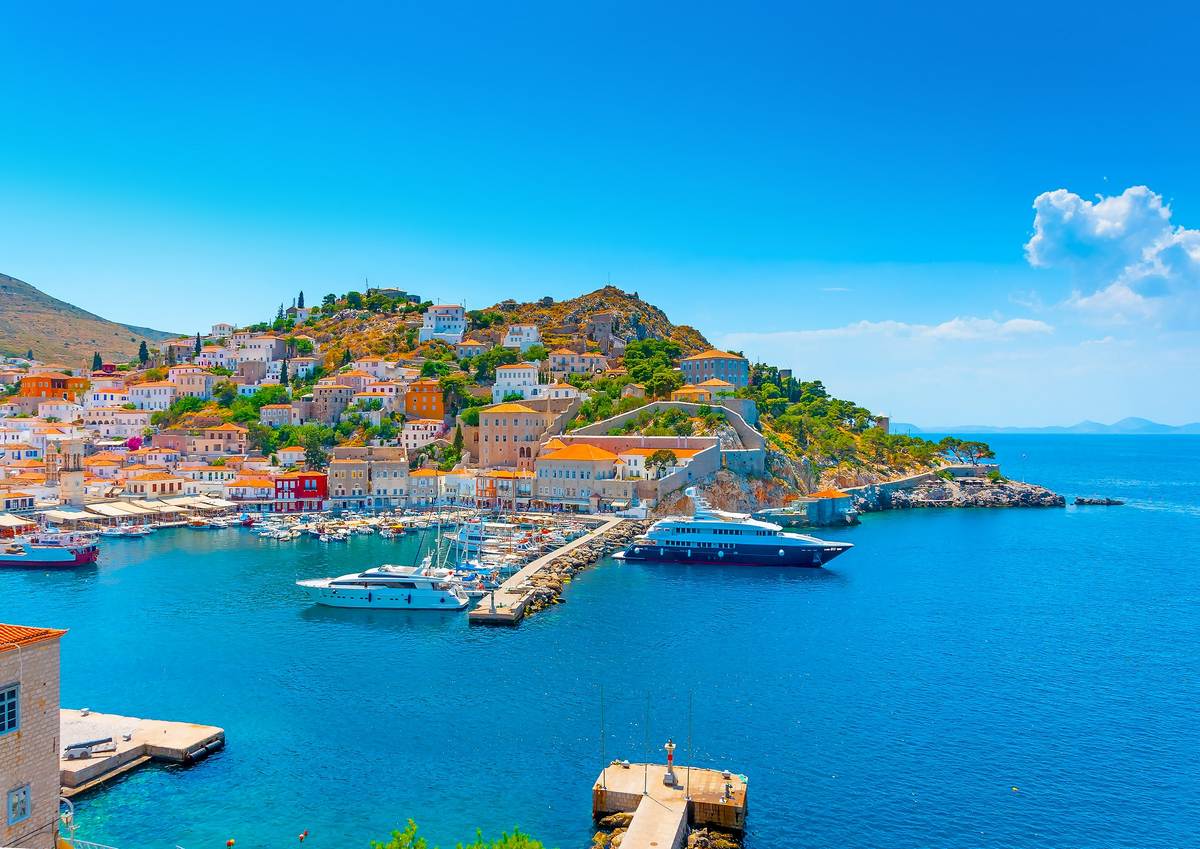
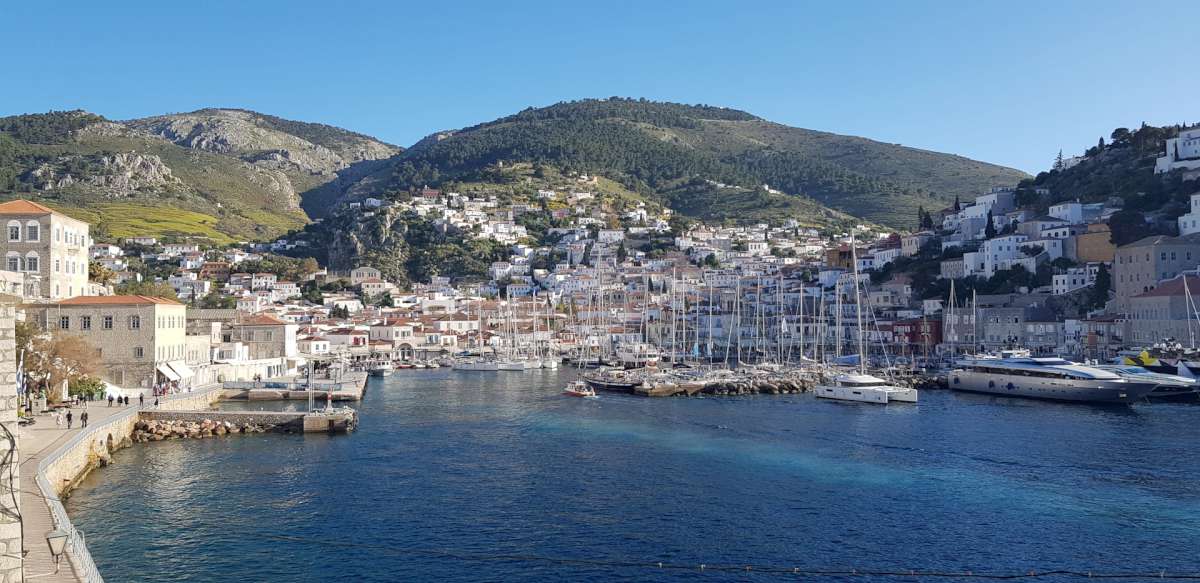
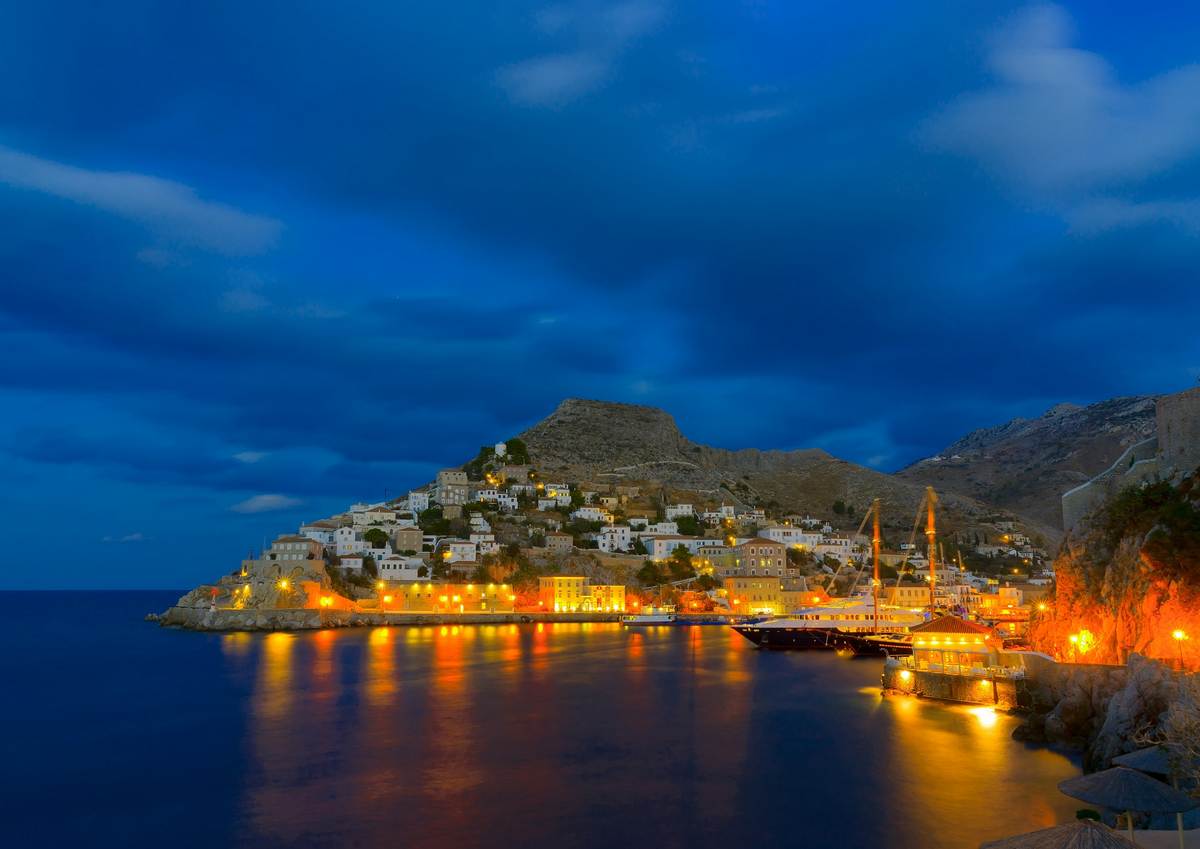
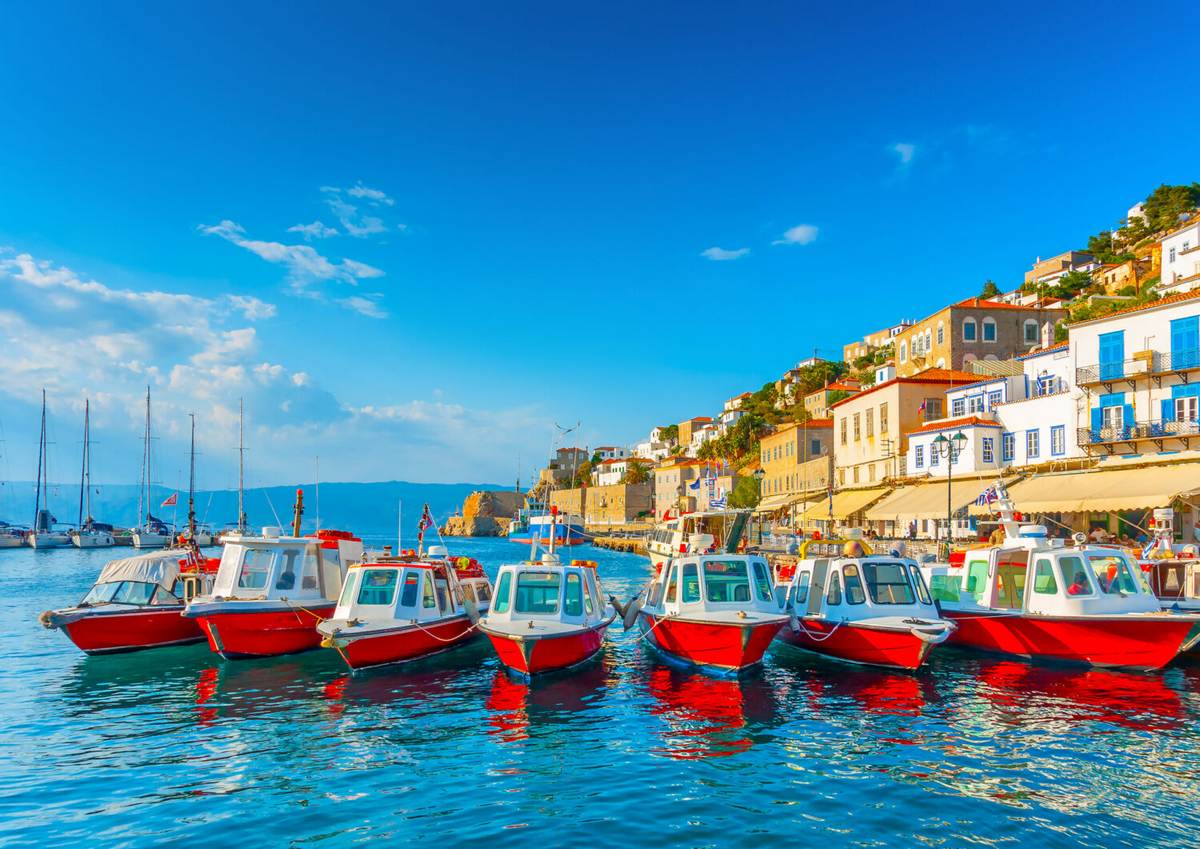
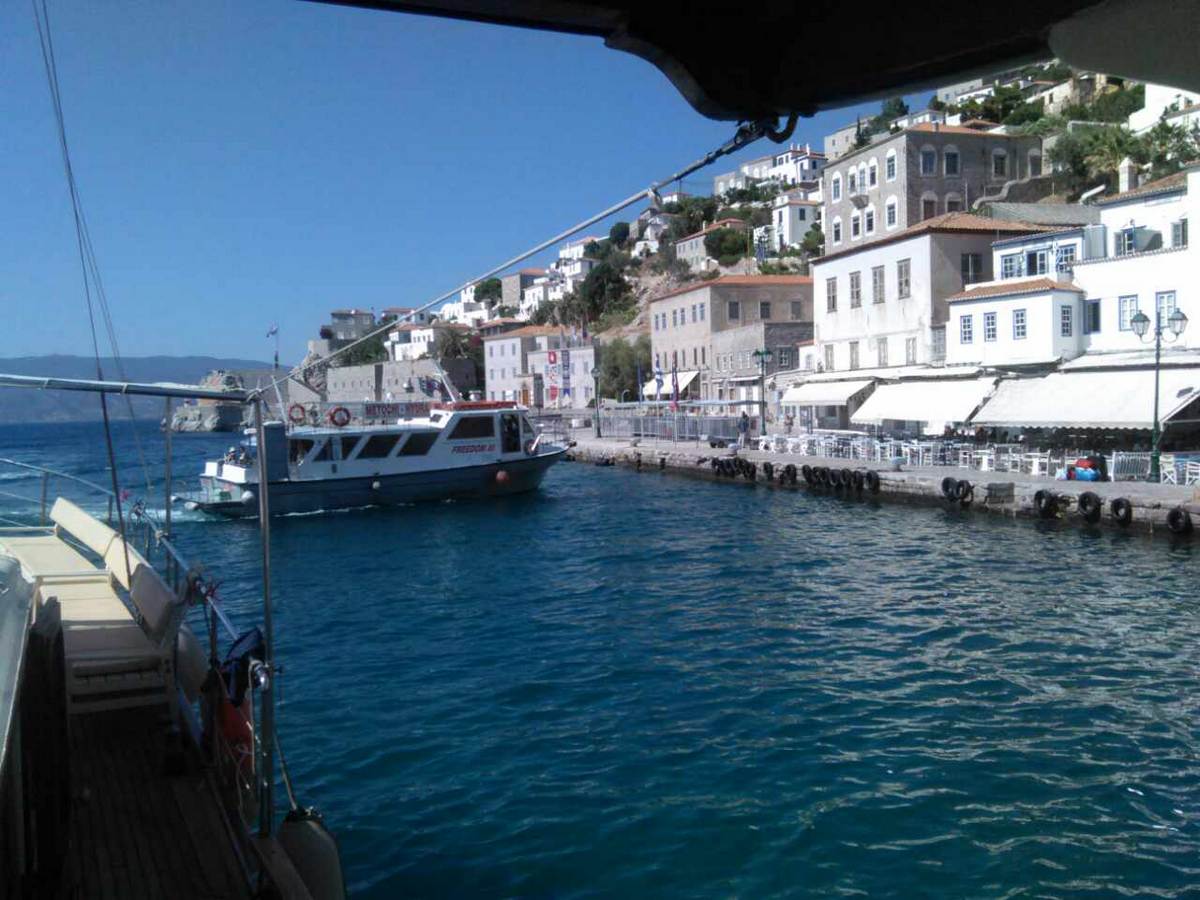
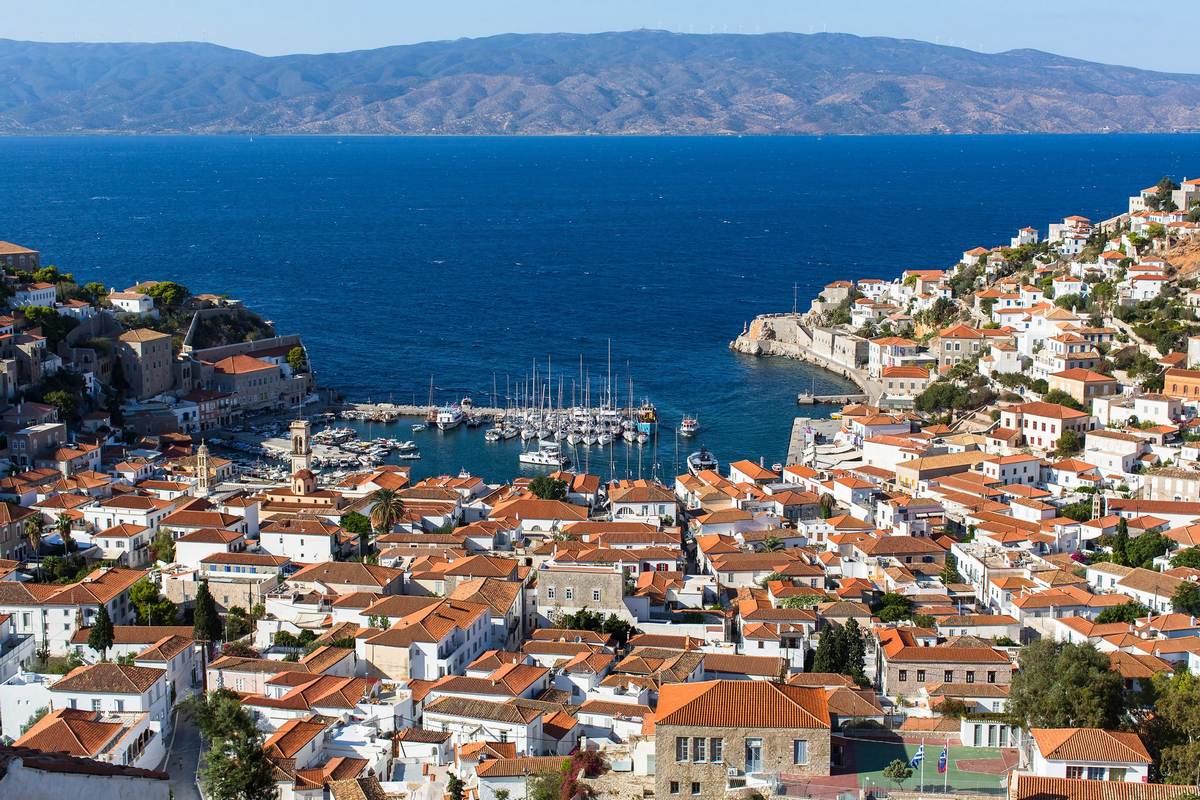
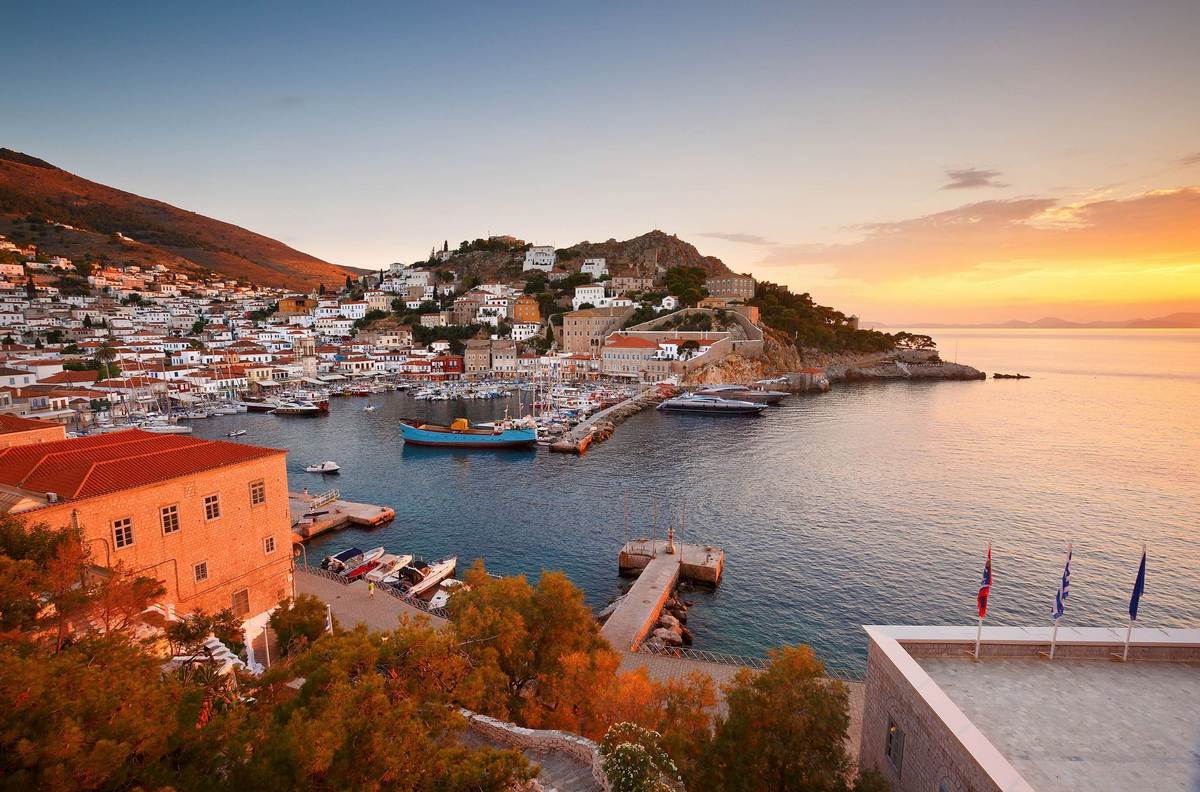
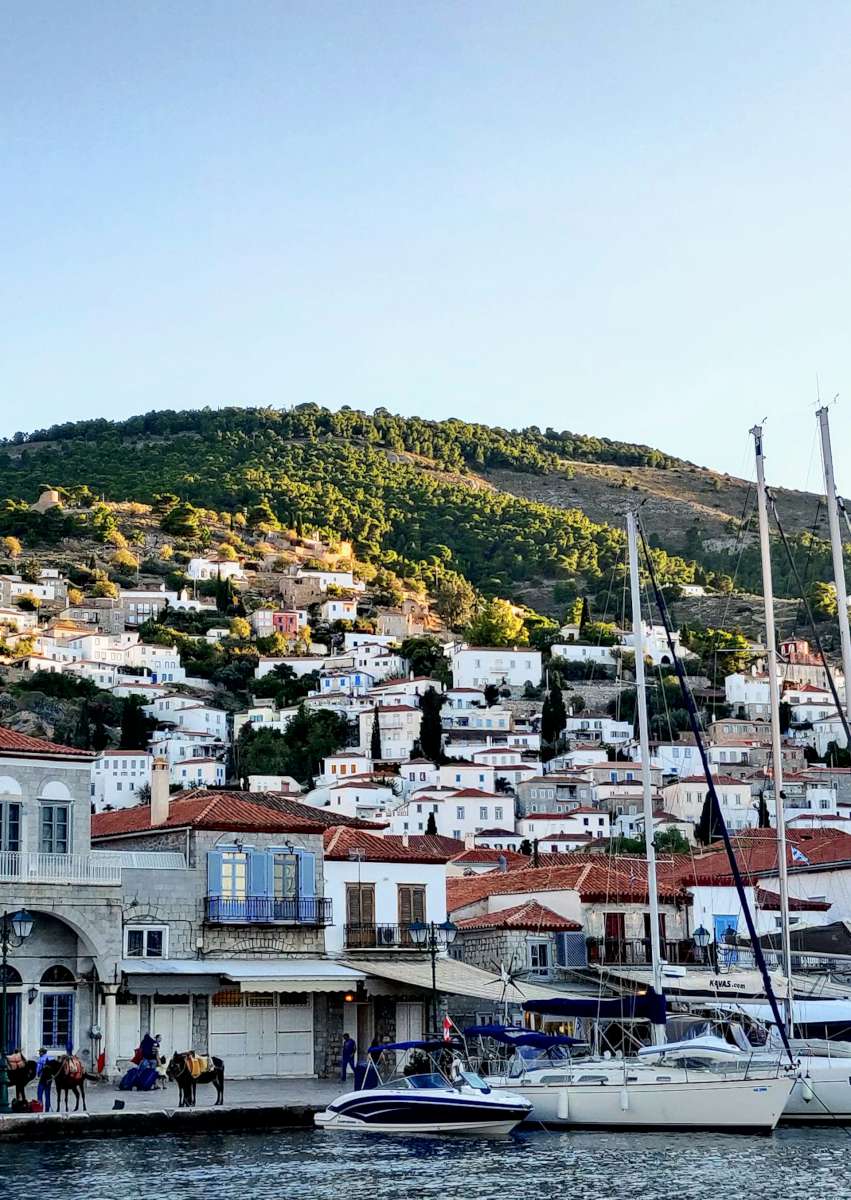
The harbour of Hydra is the most beautiful and most completely preserved historic harbour in the Saronic Gulf — a near-perfect horseshoe of calm water surrounded on three sides by the grey stone houses and mansions of the town, the cannon-mounted harbour walls on either side, and the two clock towers that anchor the composition at its highest points. The waterfront is the island’s social centre — lined with the cafés and tavernas whose outdoor tables are occupied from morning to midnight, and animated with the constant movement of water taxis, fishing boats, and the arriving ferries whose passengers step off the gangway directly into one of the finest harbour scenes in the Mediterranean. Walking the length of the waterfront and then climbing into the lanes above — following the stepped paths that ascend through the old mansions quarter toward the monastery at the summit — is the essential Hydra experience, and one that never loses its power to impress.
The Archontika — The Captains’ Mansions
The great sea captains’ mansions of Hydra — the archontika — are the island’s architectural masterpiece and the clearest expression of the wealth and the ambition of the Hydriot maritime aristocracy of the 18th and 19th centuries. Built of the island’s distinctive grey stone in the Saronic mansion style — high-walled courtyards, arched gateways, large rectangular windows, severe and elegant facades — the mansions line the upper lanes of the harbour town in a remarkable state of preservation. Several are now open as museums, cultural centres, and the historic premises of the Athens School of Fine Arts — which has maintained a campus on Hydra since 1938, contributing to the island’s enduring identity as a place of artistic seriousness and creative atmosphere.
The Monastery of the Assumption
At the head of the harbour, the 18th-century Monastery of the Assumption of the Virgin — the island’s most important religious monument — houses in its cloister and its church the bones of the Hydriot heroes of the independence struggle in silver reliquaries, and preserves a collection of ecclesiastical silver and embroidered vestments of considerable quality. The monastery’s bell tower, visible from every point in the harbour, is the architectural focal point of the entire harbour composition and one of the most recognisable and most reproduced images in the Saronic world.
The Beaches — By Water Taxi or Donkey
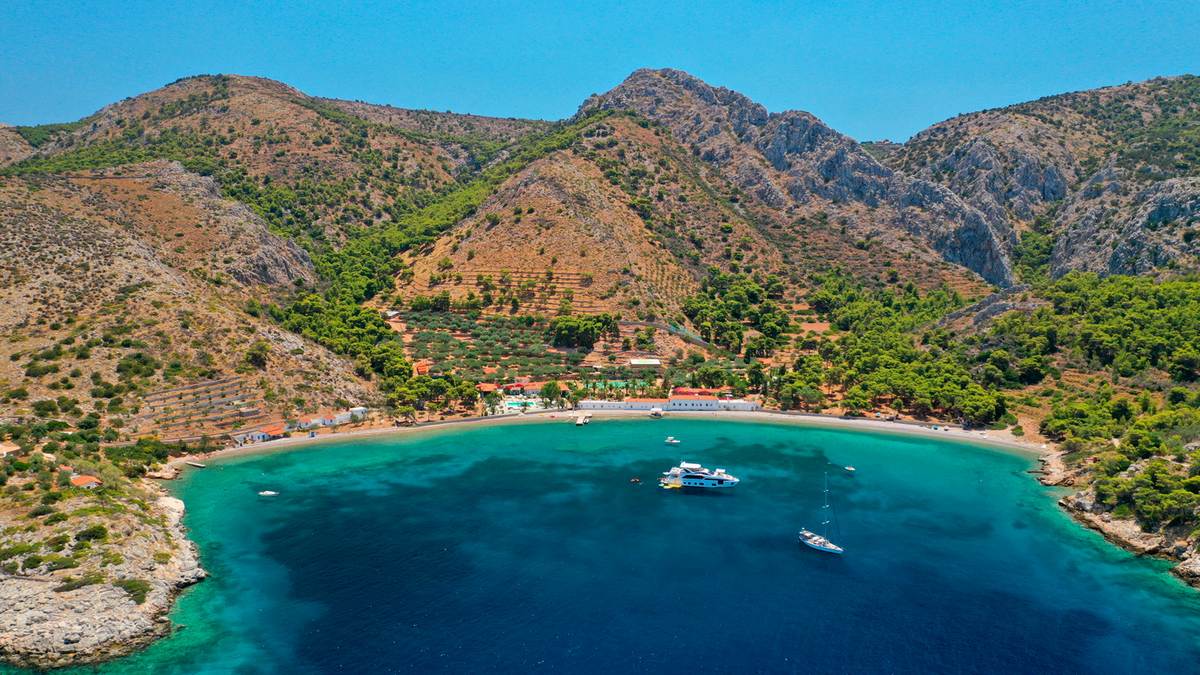
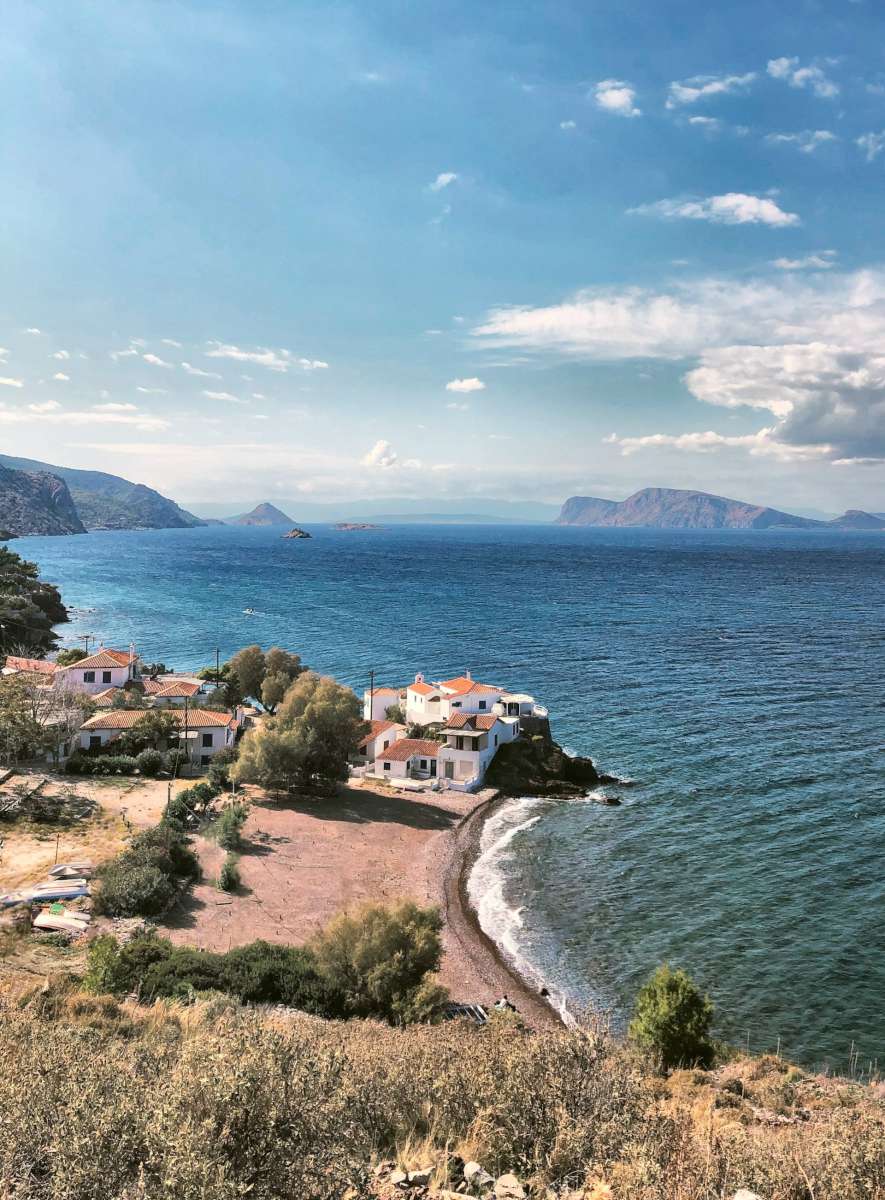
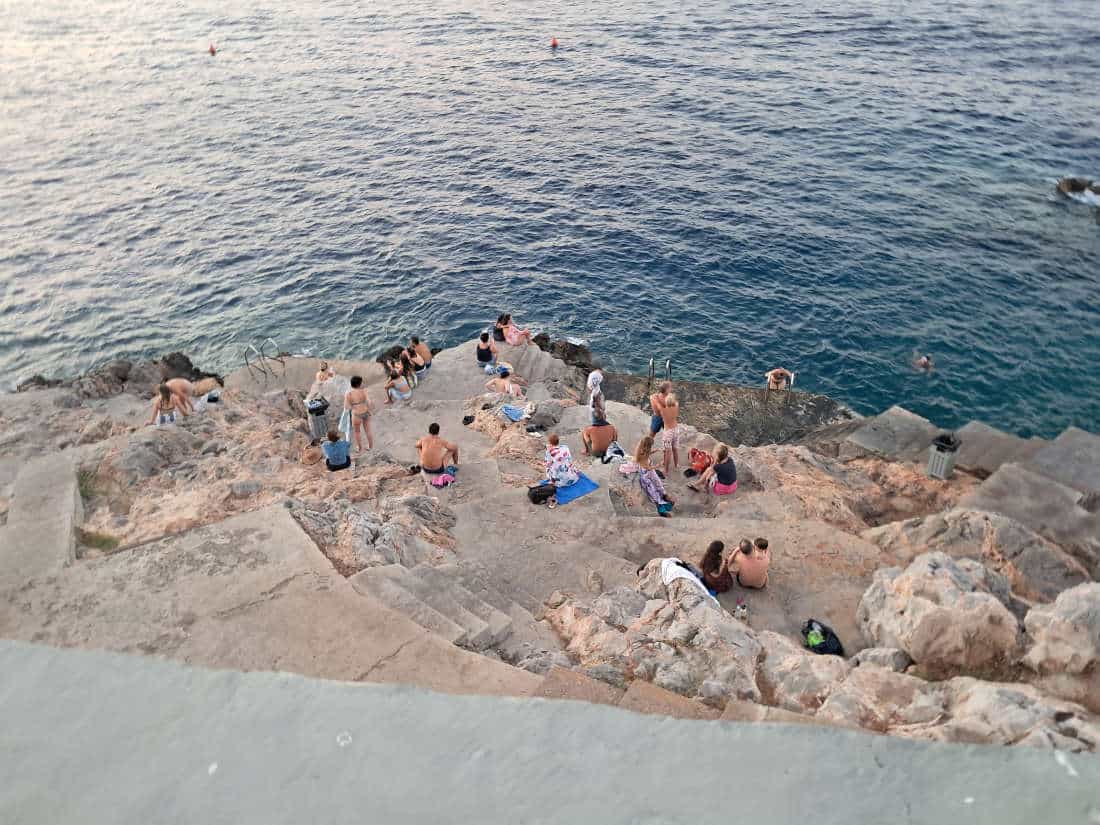
Hydra has no road-accessible beaches — a direct consequence of the ban on motor vehicles that gives the island its unique character. The beaches of the island’s coastline — Vlychos, Kaminia, Bisti, Agios Nikolaos, Plakes — are reached by water taxi from the harbour or by walking the coastal path around the island’s perimeter, and the combination of the journey itself and the quality of the beaches at the end of it gives the Hydra beach experience a quality of earned pleasure and natural beauty entirely characteristic of the island. Vlychos and Kaminia, the most accessible, have good facilities and excellent swimming. The more remote beaches of the western and eastern coasts are wilder, less visited, and of extraordinary natural quality.
Why Choose Hydra
Hydra is the island for those who want the Greek islands at their most completely and most permanently beautiful — who want the finest harbour architecture in the Saronic, the silence of a car-free town, the extraordinary historical legacy of the Hydriot maritime aristocracy, and the particular atmosphere of an island that has, by deliberate choice and sustained determination, remained entirely and completely itself in the face of every pressure toward modernisation that the 20th century exerted. It is for couples seeking the most romantic harbour in the Saronic. For art lovers drawn by the island’s extraordinary artistic heritage and the continuing presence of the Athens School of Fine Arts. For those who want to walk in the footsteps of Leonard Cohen through the grey-stone lanes above the harbour. And for every sailing visitor in the Saronic who understands that no itinerary in the gulf is complete without at least one night at anchor in the most beautiful harbour in the Saronic world.