Why Elafonisos
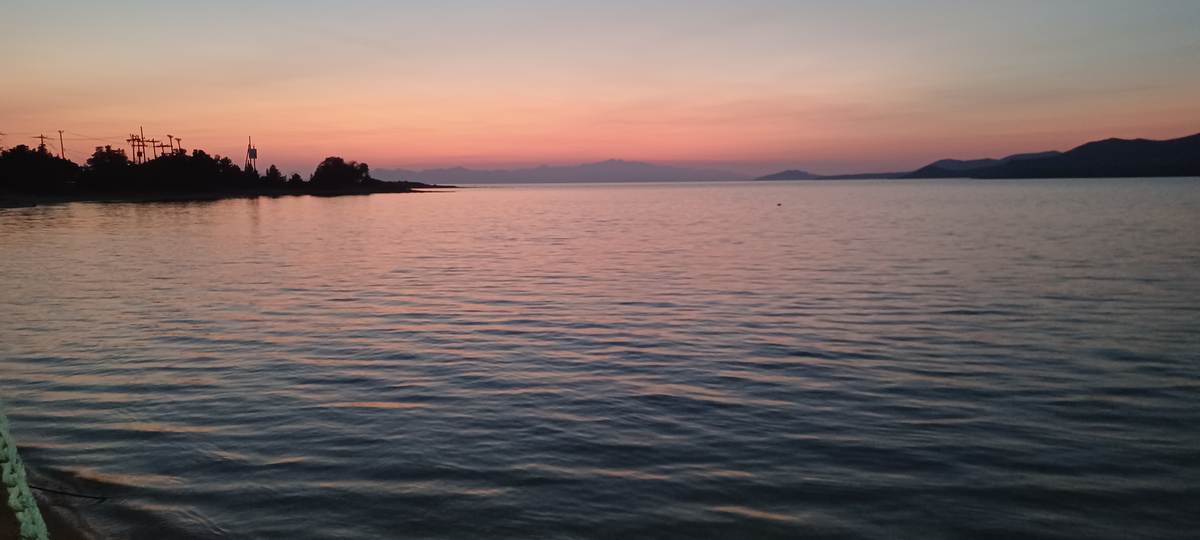
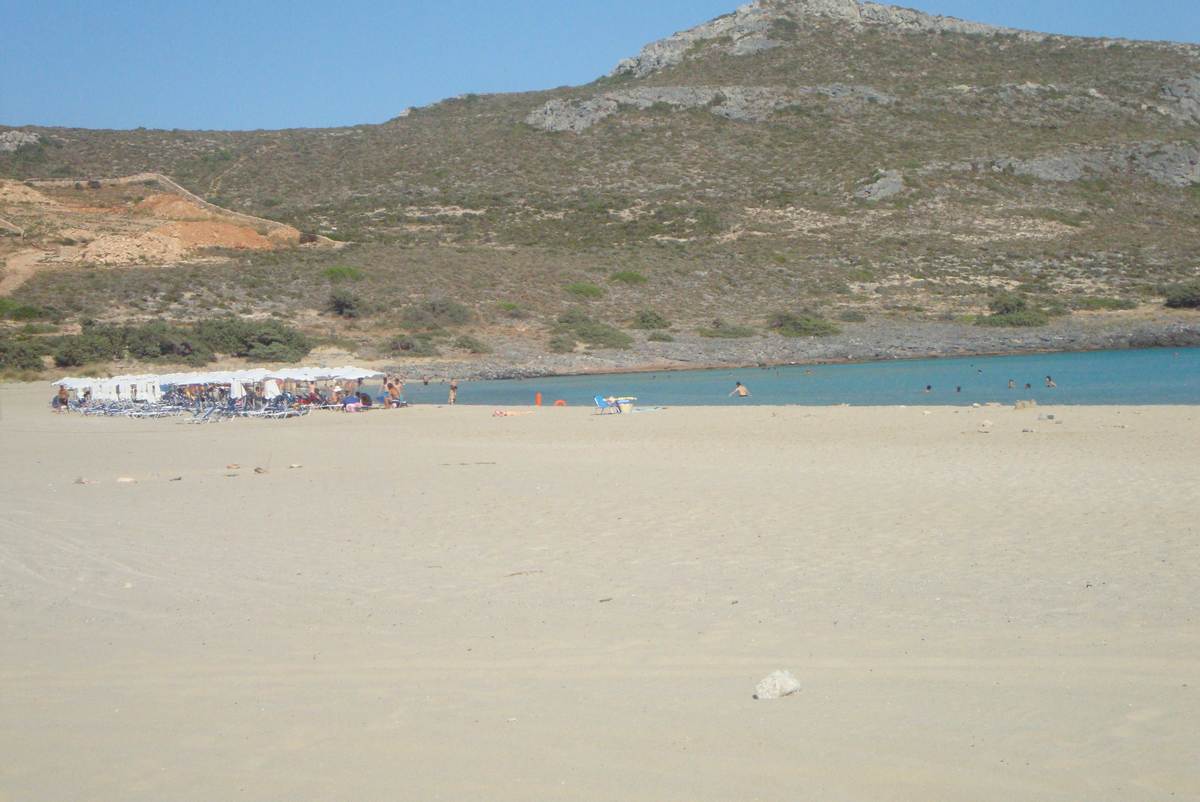
There are places in Greece that have become, in the collective experience of those who have found them, essentially legendary — destinations whose reputation rests on a single, extraordinary feature of such overwhelming natural quality that its existence seems, to those who have not yet seen it, almost too good to be true, and whose reality, for those who arrive and see it for the first time, exceeds every expectation that the most enthusiastic description could have created. Elafonisos is this kind of place. A tiny island of 19 square kilometres off the southeastern coast of the Peloponnese, separated from the mainland by a channel of barely 300 metres and accessible by a small car ferry in five minutes, Elafonisos is known throughout Greece for a single, extraordinary natural asset: the double beach of Simos, on the island’s southern coast, which is universally and unhesitatingly described by those who know the Greek beaches as one of the finest and most completely beautiful beaches in the entire Mediterranean — a vast, double arc of powder-white sand and shallow turquoise water of Caribbean clarity and Caribbean colour, set in a landscape of complete natural solitude and overwhelming natural beauty that has made it, by the consensus of generations of Greek beach lovers, the Aegean’s closest approximation to paradise.
The island itself — beyond the extraordinary reputation of Simos — is a place of genuine and understated charm: a small community of fishermen and hospitality workers whose village on the northern coast has the authentic, unhurried quality of a Greek island settlement that has grown around a genuine working community rather than a tourist infrastructure, and whose surrounding coastline of smaller beaches, rocky coves, and clear, warm water offers a variety of natural coastal experience disproportionate to the island’s modest size. The shallow channel between Elafonisos and the mainland coast preserves one of the most important archaeological sites on the Laconian coast — the ancient city of Pavlopetri, which dates from the Early Bronze Age and is considered by many archaeologists to be the oldest submerged city in the world, its street plan, houses, and tombs preserved in the shallow water in a condition of extraordinary archaeological completeness. The combination of the world’s most extraordinary white sand beach and the world’s oldest submerged city in an island of 19 square kilometres gives Elafonisos a density of natural and cultural significance entirely at odds with its small size and its modest profile.
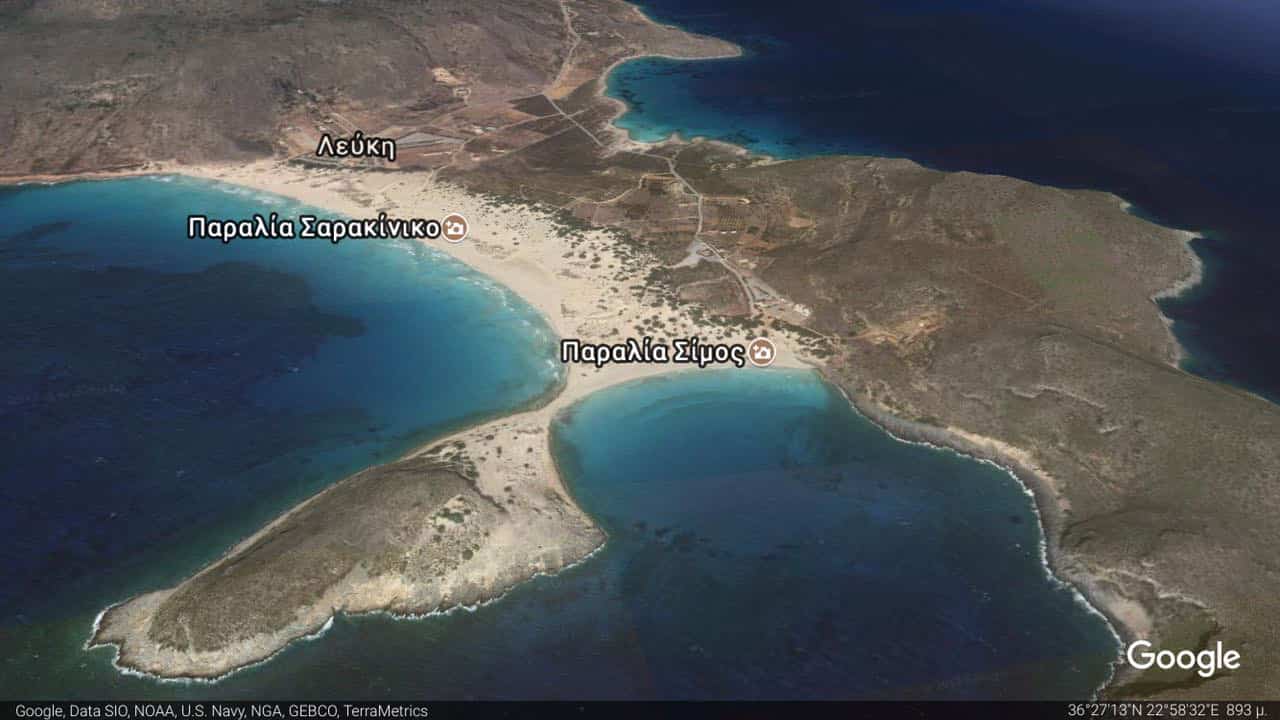
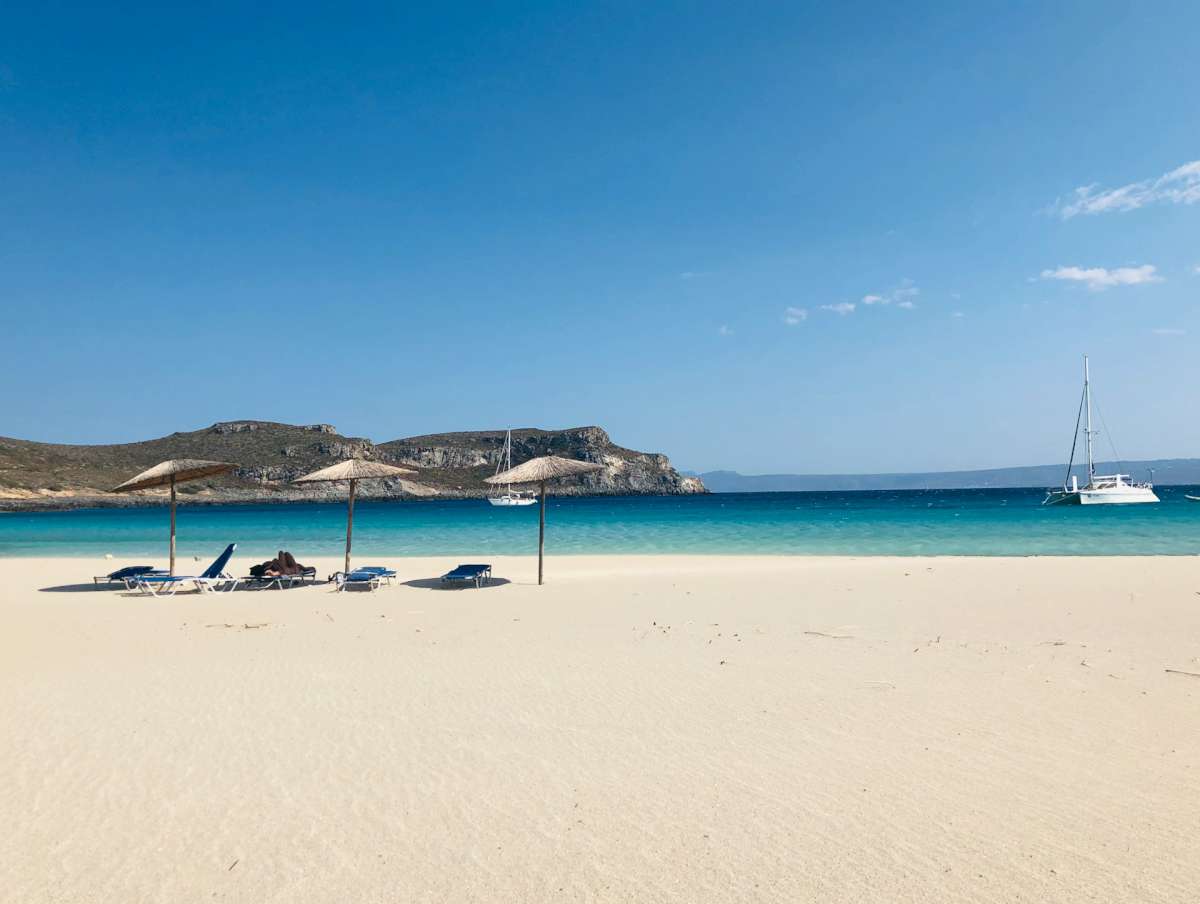
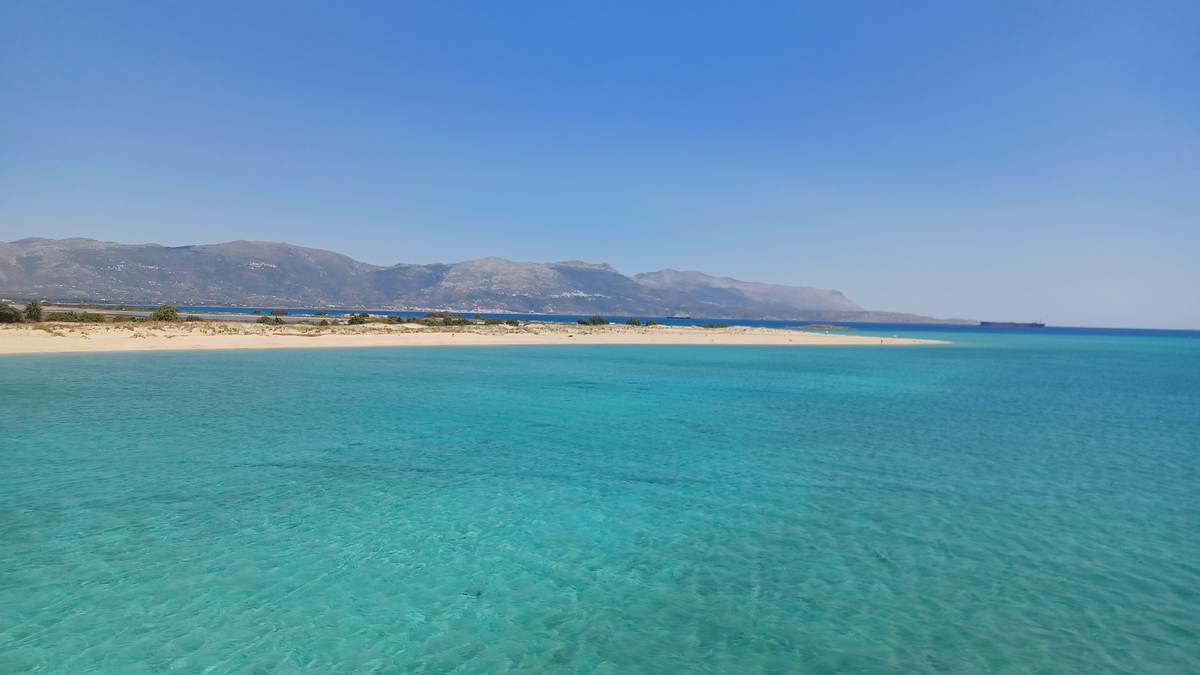
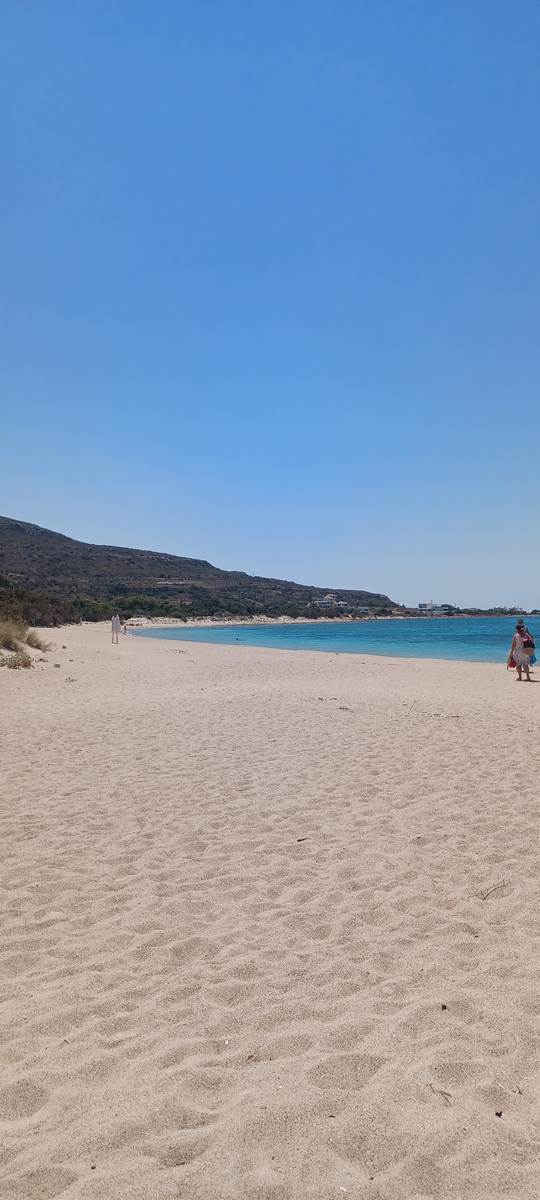
The experience of approaching Elafonisos from the mainland ferry pier in the early morning — the short crossing, the first view of the island’s low profile above the water, and then, after the short drive across the island to the southern coast, the first sight of Simos from the path above — is one of those experiences of natural revelation, of sudden and overwhelming beauty, that the Greek islands at their finest periodically and generously provide. The beach extends in both directions from the narrow neck of land that separates its two arcs, the water on both sides simultaneously visible and simultaneously turquoise, the sand of a whiteness and a fineness that the eye, accustomed to the shingle and the grey sand of most Mediterranean beaches, needs a moment to accept as real. Simos is real. It is this beautiful. And the experience of spending a day on it — swimming in water of extraordinary clarity and warmth, lying on sand of extraordinary softness and whiteness, watching the colour of the water change from pale turquoise at the shallows to deep aquamarine at the drop-off — is one that no return to the ordinary world of beach experience can entirely displace from the memory.
What to Do and What to See
Simos Beach
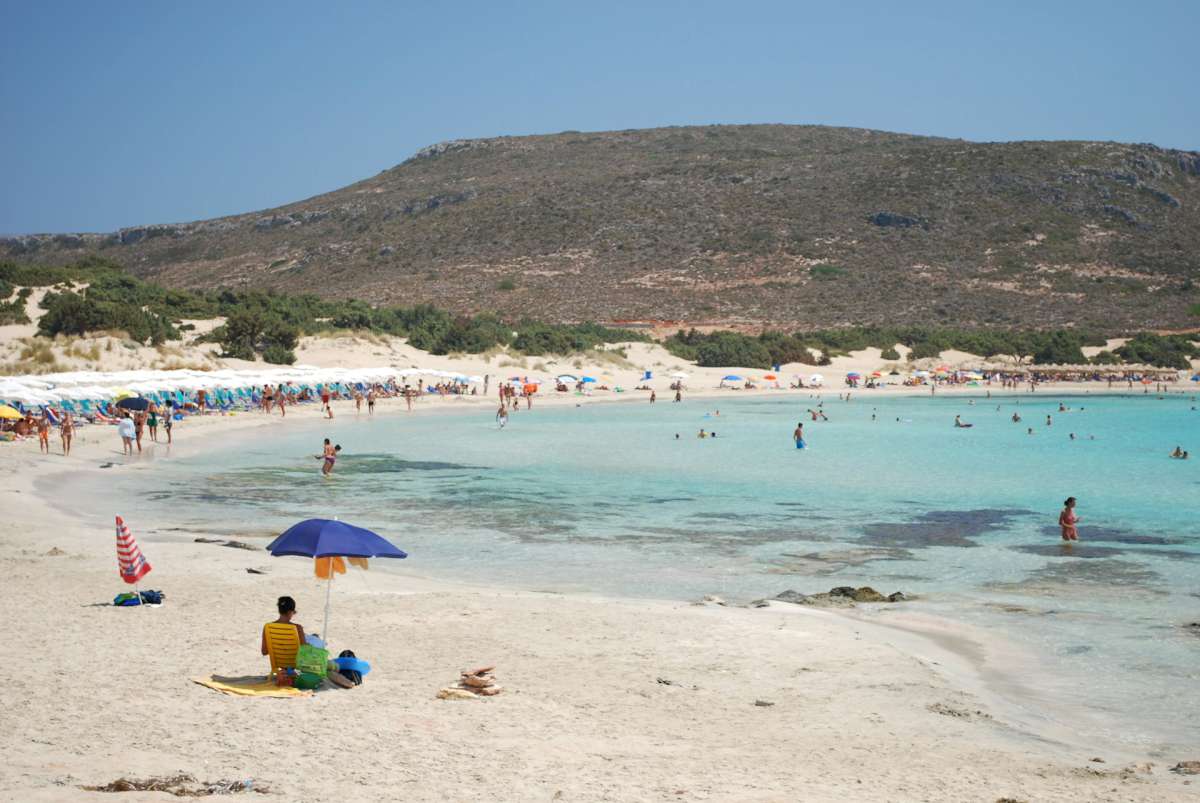
The double beach of Simos on the southern coast of Elafonisos is not merely the finest beach on the island. It is, by the consistent judgement of those who know the Greek beaches most comprehensively, one of the finest beaches in the Mediterranean — a vast, double arc of powder-white sand divided by a narrow isthmus into two wings of slightly different character: the eastern wing calmer and shallower, more suitable for families and for those who want to float in the most brilliantly turquoise water in the Peloponnese; the western wing slightly deeper and more open, with better waves in conditions of moderate wind and a quality of water colour — deep, saturated Caribbean blue at the outer edge — that is among the finest in the Greek world. The sand of Simos — white, fine, almost weightless — is the result of the specific geological conditions of the Laconian coast and the particular action of the currents in the channel between Elafonisos and the Kythira Strait, and its quality is such that the beach consistently wins recognition in the annual lists of the finest European beaches.
Pavlopetri — The Submerged Ancient City
In the shallow water of the channel between Elafonisos and the mainland coast, the submerged city of Pavlopetri — dating from approximately 3000 BC, with continuous occupation through to the Late Bronze Age — preserves, in two to four metres of extraordinarily clear water, the most complete and best-preserved prehistoric submerged urban settlement in the world. The city’s street plan, individual building complexes, courtyards, and tombs are visible from the surface with the naked eye in clear conditions and are the subject of ongoing underwater archaeological excavation that has produced finds of the first rank — pottery, figurines, and architectural evidence that document a continuous settlement of over 2,000 years. The site is accessible by snorkelling and by glass-bottom boat excursions from the Elafonisos harbour, and the experience of looking down through the crystal-clear water at the walls and courtyards of a Bronze Age city that was already ancient when the pyramids of Egypt were being built is one of the most completely extraordinary natural and archaeological experiences available on any beach destination in Greece.
The Island Village and Smaller Beaches
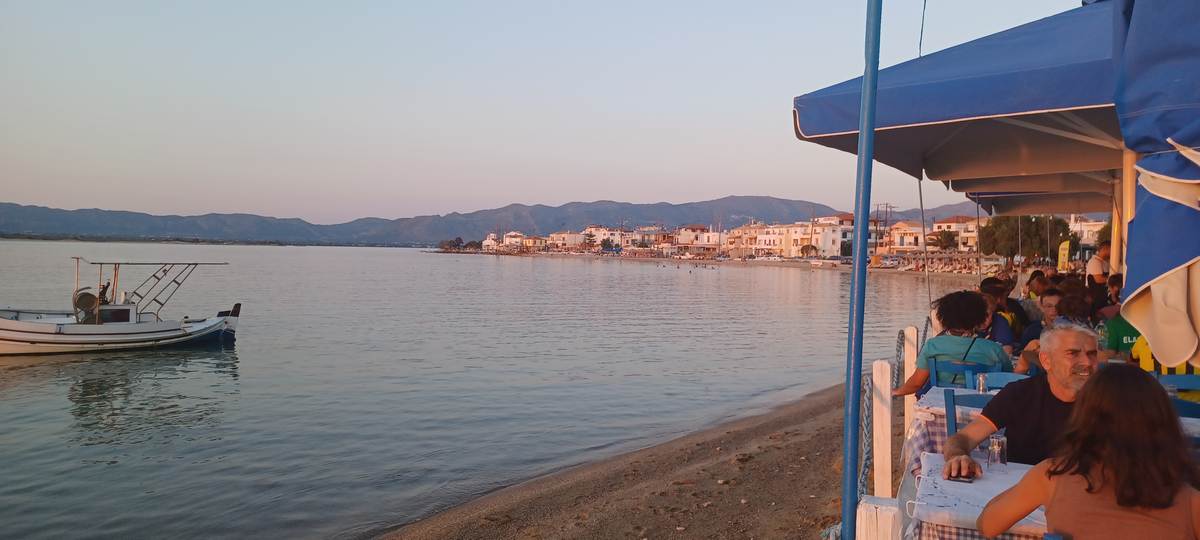
The village of Elafonisos on the northern coast is a pleasant, unpretentious community of traditional island character — its harbour front of tavernas and cafés animated in summer with the easy warmth of a community that has accepted its extraordinary popularity with good humour and without losing its authentic identity. The smaller beaches of the northern and eastern coast — Kato Nisi, Sarakiniko — provide swimming of good quality in a more sheltered and more accessible setting than Simos, and offer an alternative to the crowds that the main beach attracts at the height of summer.
Why Choose Elafonisos
Elafonisos is the destination for those who want the finest beach in the Peloponnese — and one of the finest in the Mediterranean — combined with one of the most extraordinary archaeological sites in the ancient world, in a setting of natural beauty and natural simplicity that requires no elaborate infrastructure or sophisticated cultural programme to justify the journey. For those sailing the Laconian coast between the Saronic Gulf and Kythira, Elafonisos is a natural and entirely essential stop — its anchorage well sheltered, its beach one of the great natural rewards of the passage, and its submerged city one of the most completely unexpected and most completely memorable discoveries on any sailing itinerary in the southern Peloponnese.