Why Antiparos
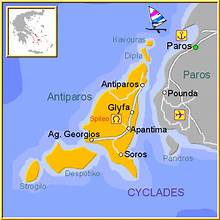
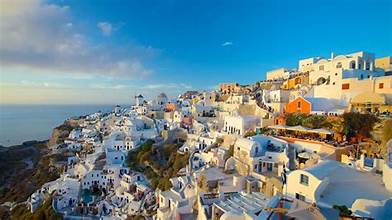
There are islands that exist in the shadow of a more famous neighbour — separated from it by barely a nautical mile of water, connected to it by a ferry that runs every few minutes in summer, and yet so completely different in character, in atmosphere, and in the quality of experience they offer that the short crossing between them feels, to the traveller making it, like a passage between two entirely different worlds. Antiparos is this kind of island. Lying just one nautical mile west of Paros — its name meaning literally “opposite Paros,” a description so precise it doubles as an instruction — Antiparos is the quieter, smaller, more intimate, and in many ways more genuinely itself version of its celebrated neighbour: an island of 45 square kilometres and barely 1,200 permanent residents that has drawn to its whitewashed lanes and crystalline coves a devoted following of travellers who understand that the finest things in the Cyclades are not always the most famous ones, and that the narrow channel separating Antiparos from the tourism infrastructure of Paros is one of the most productive short crossings in the Greek island world.
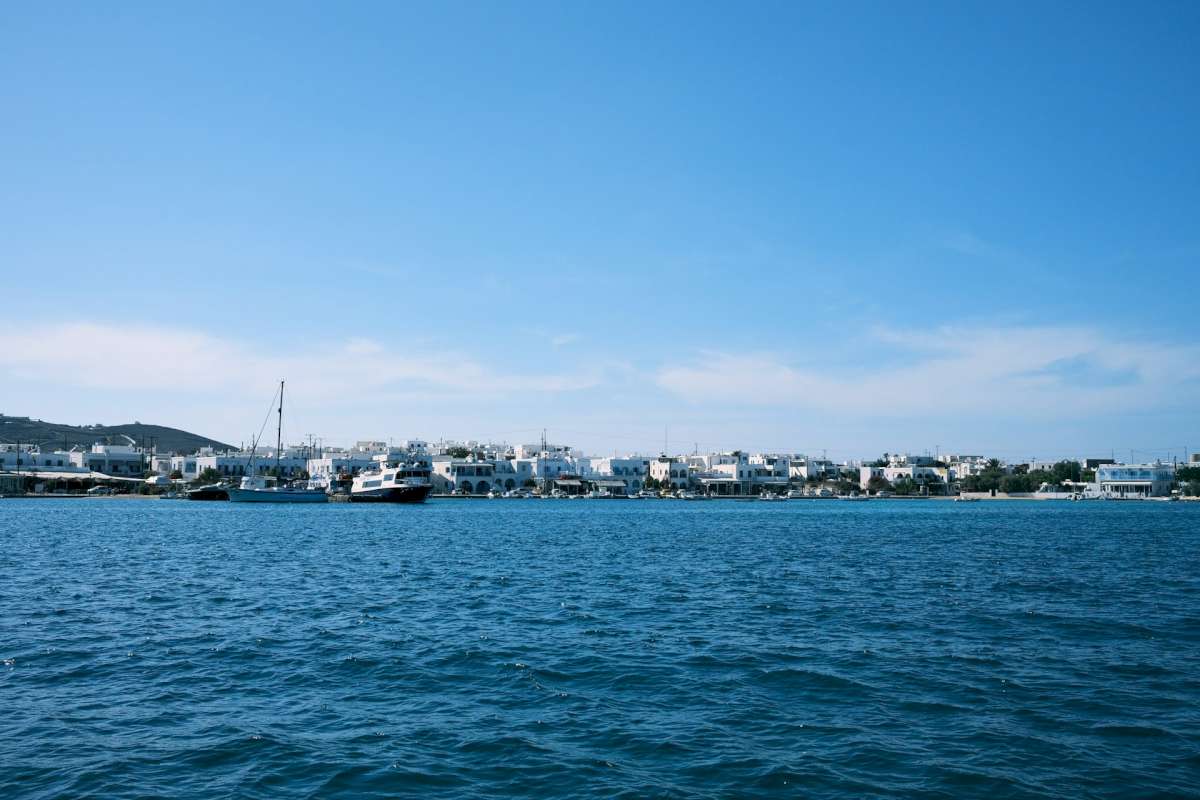
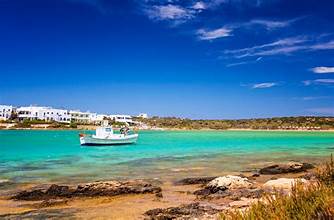
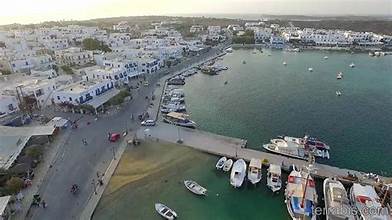
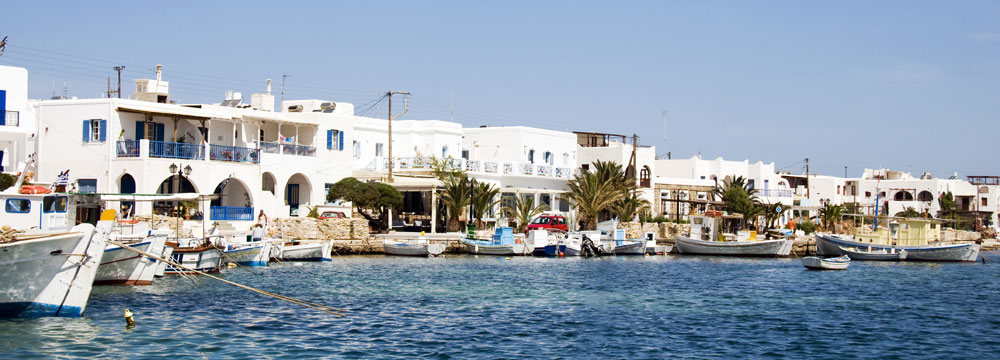
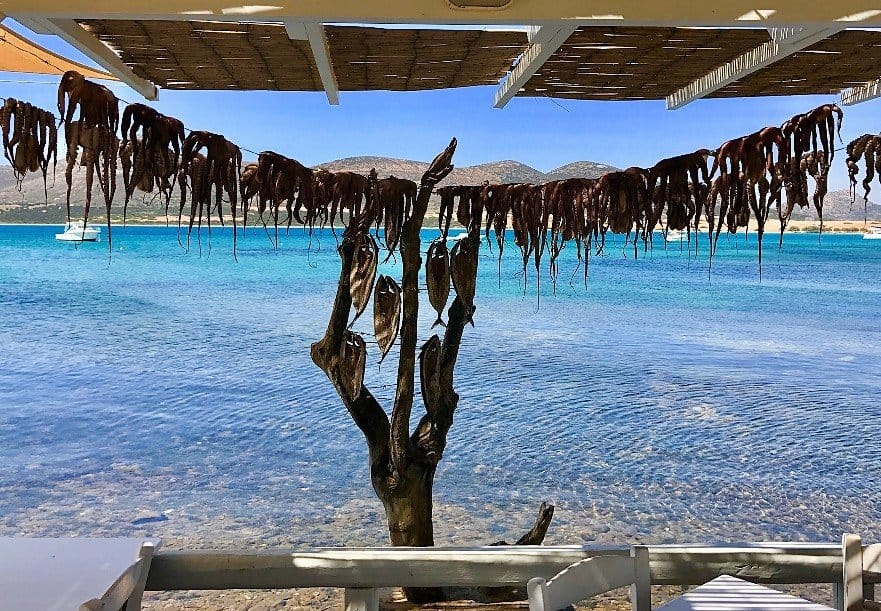
The island announces itself from the sea with an image of complete Cycladic composure — a low, white-walled Kastro village rising above a natural harbour of calm, clear water, its Venetian castle walls still enclosing the houses that have been built within and around them since the mid-15th century, its windmill visible on the ridge above and its quayside tavernas already fragrant with the smell of grilling fish and the particular salt-and-herb scent of a Cycladic morning. The pace here is immediately and completely different from the pace of Paros across the channel — slower, more deliberate, more given over to the pleasures of the simple and the immediate. There are no traffic jams in Antiparos, no crowds at the harbour, no queue for a restaurant table. There is the lane, and the sea, and the cave in the hill above the town, and the beaches distributed around the coastline in a sequence of sandy coves and rocky inlets of remarkable variety and remarkable beauty. That is what Antiparos offers, and it is, for those who know how to receive it, more than enough.
What gives Antiparos its particular distinction among the small islands of the central Cyclades is a combination of natural variety — the calm, turquoise eastern shores facing Paros, the wilder limestone cliffs and sea caves of the western coast, the extraordinary cave in the hill above the town — and a cultural visibility entirely disproportionate to its size. The island has been for decades the preferred retreat of a remarkably consistent and remarkably distinguished international artistic and celebrity community — Tom Hanks and Rita Wilson have owned a home here for years, and their love for the island has drawn others in their wake — giving Antiparos a cosmopolitan awareness and a quality of hospitality without any corresponding loss of the Cycladic simplicity and authenticity that attracted those discerning visitors in the first place. It is an island that the world’s most travelled and most demanding visitors return to year after year, which is as precise and as reliable a measure of quality as any award or rating can provide.
What to Do and What to See
Antiparos rewards the visitor who moves between its different pleasures with unhurried ease — the extraordinary cave, the Venetian Kastro, the beaches of the eastern coast, the sea caves of the west, and the ancient sanctuary on the neighbouring islet of Despotiko — and who brings to the island the willingness to slow down that is the price of admission to its most complete pleasures.
The Cave of Antiparos
The Cave of Antiparos is the island’s most celebrated and most extraordinary natural feature — one of the finest cave systems in Europe, and one that has been attracting visitors of considerable distinction since antiquity. The cave descends to a depth of approximately 100 metres, making it the deepest vertical cave in Europe, and its interior is a world of extraordinary geological complexity and extraordinary natural beauty: stalagmites and stalactites of massive scale and great age — the oldest stalactite in Europe, estimated at 45 million years, hangs in the cave’s main chamber — compose a landscape of subterranean grandeur that has astonished visitors for millennia. The ancient Greeks used the cave as a place of worship, and inscriptions carved into the cave walls by visitors over two and a half thousand years of recorded human appreciation have left a record of human wonder that is, in itself, one of the most remarkable features of the site. The cave is situated 8 kilometres from Antiparos Town, accessible by road, and the descent into it — down a broad staircase of 411 steps carved into the living rock — is one of the finest and most genuinely memorable natural experiences available on any Cycladic island.
Antiparos Town and the Venetian Kastro
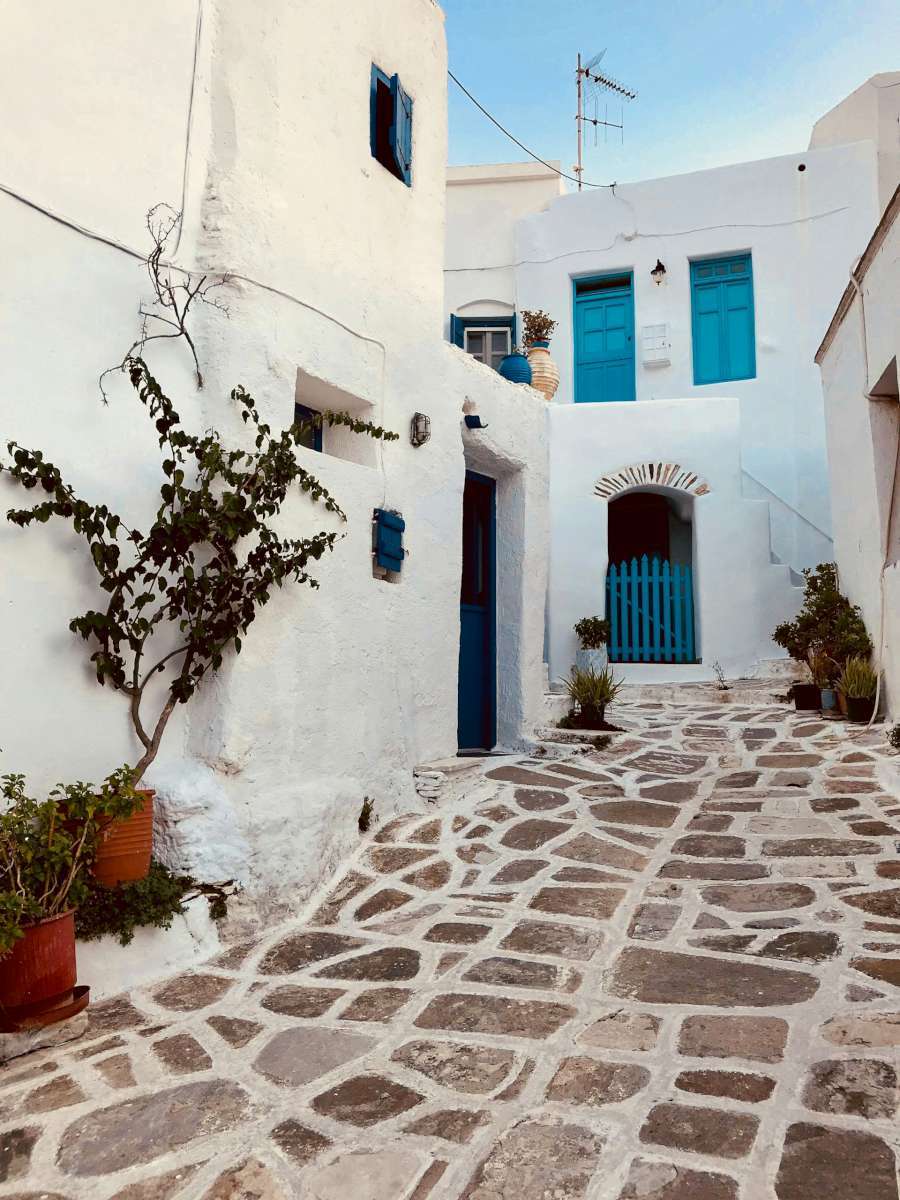
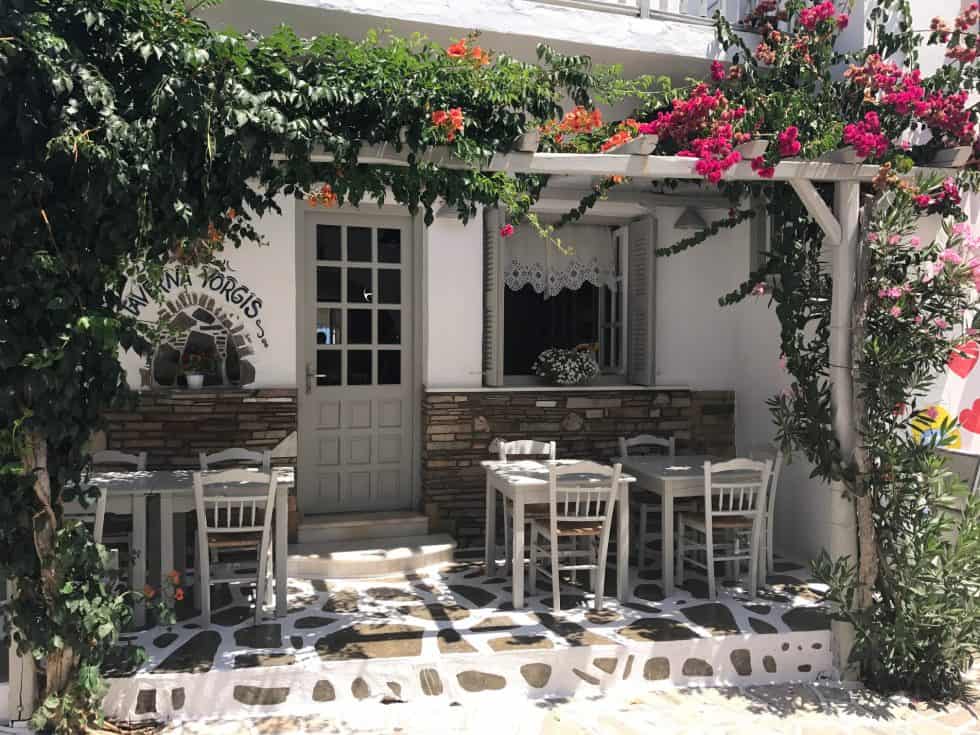
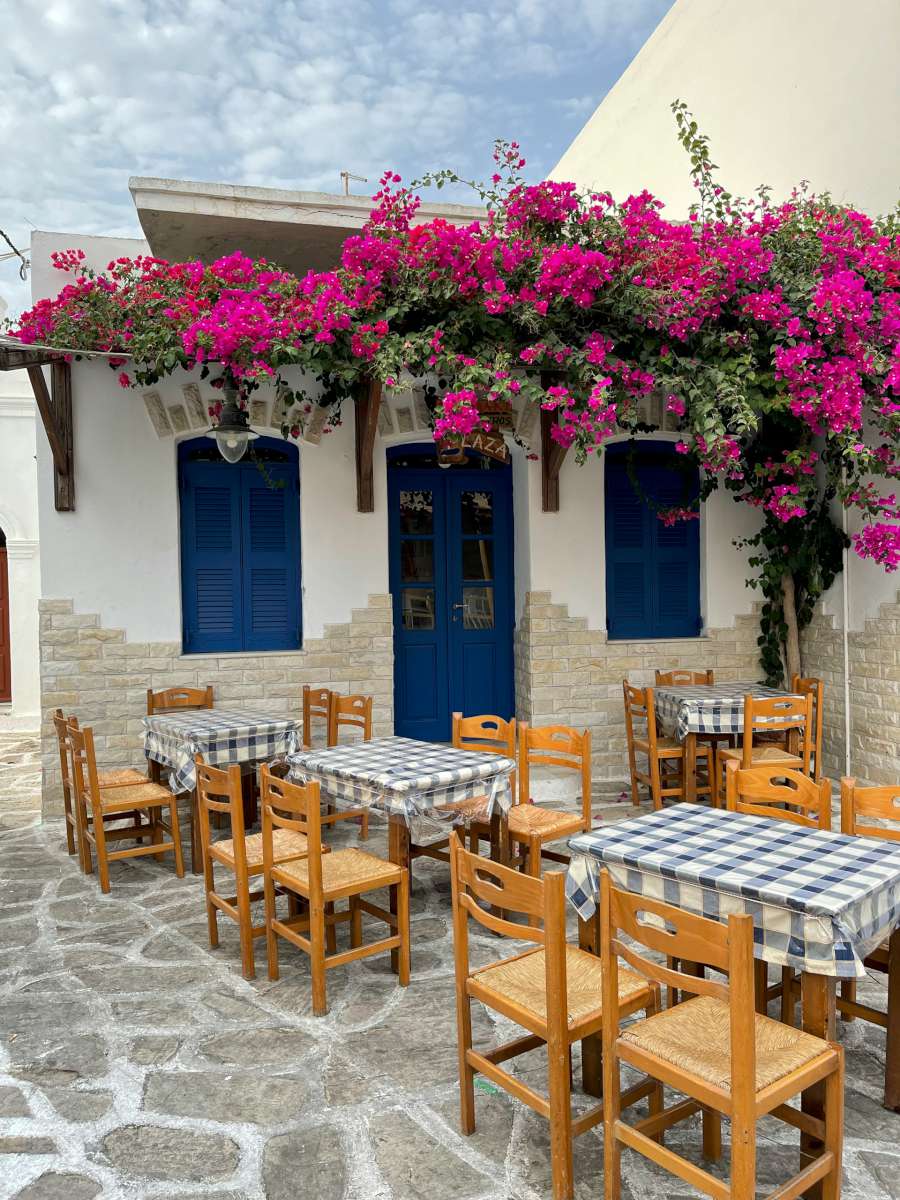
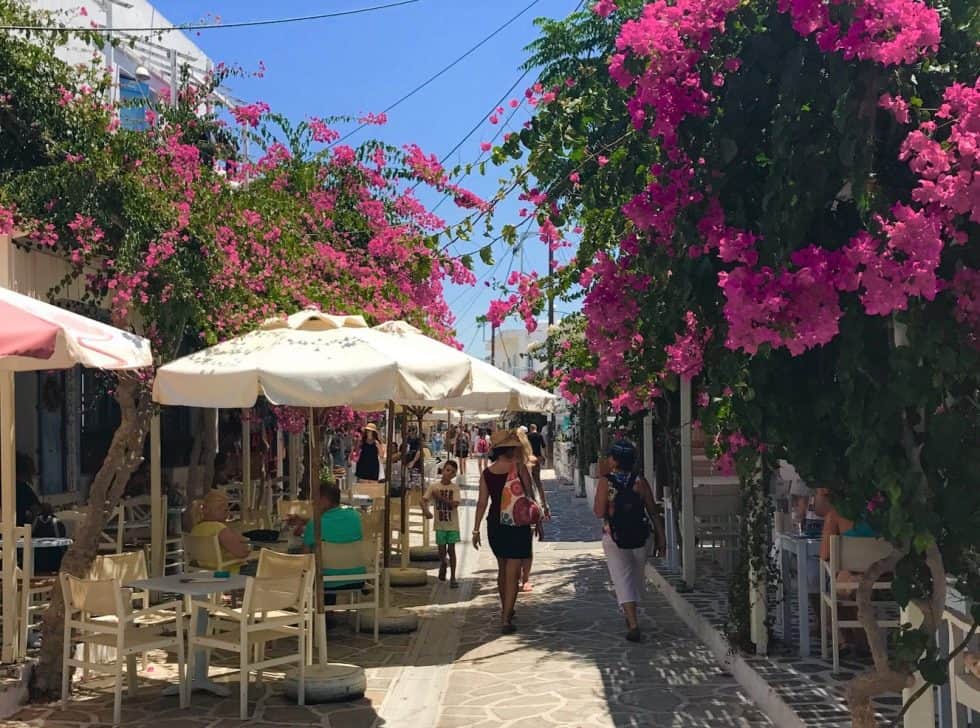
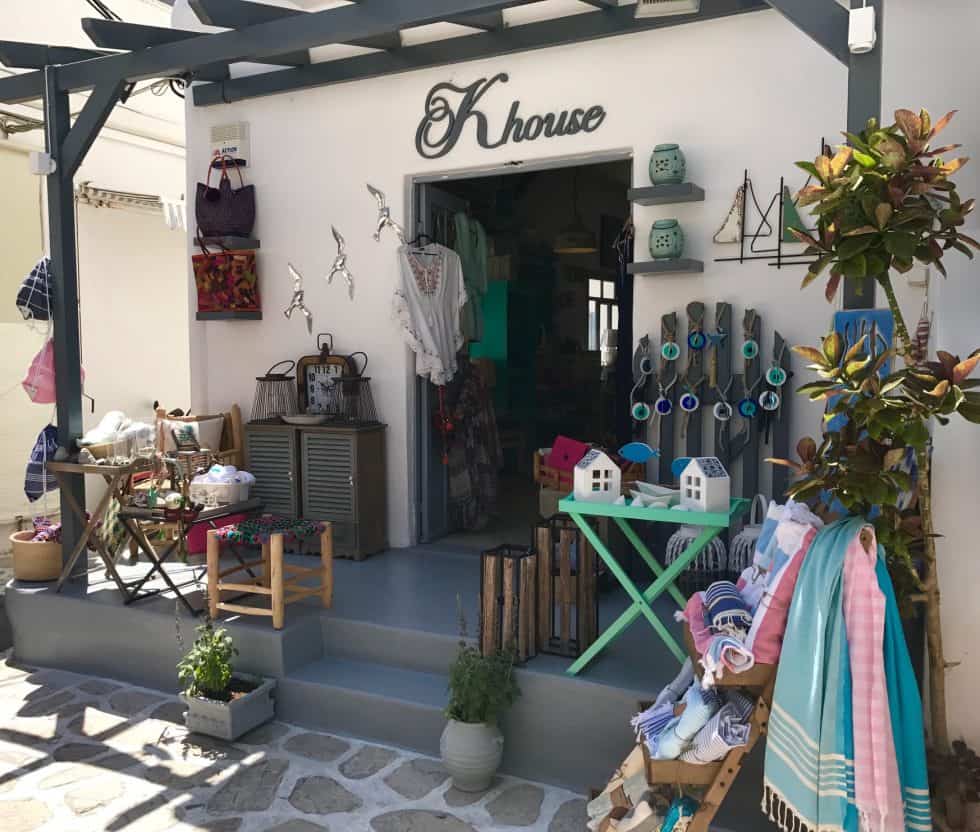
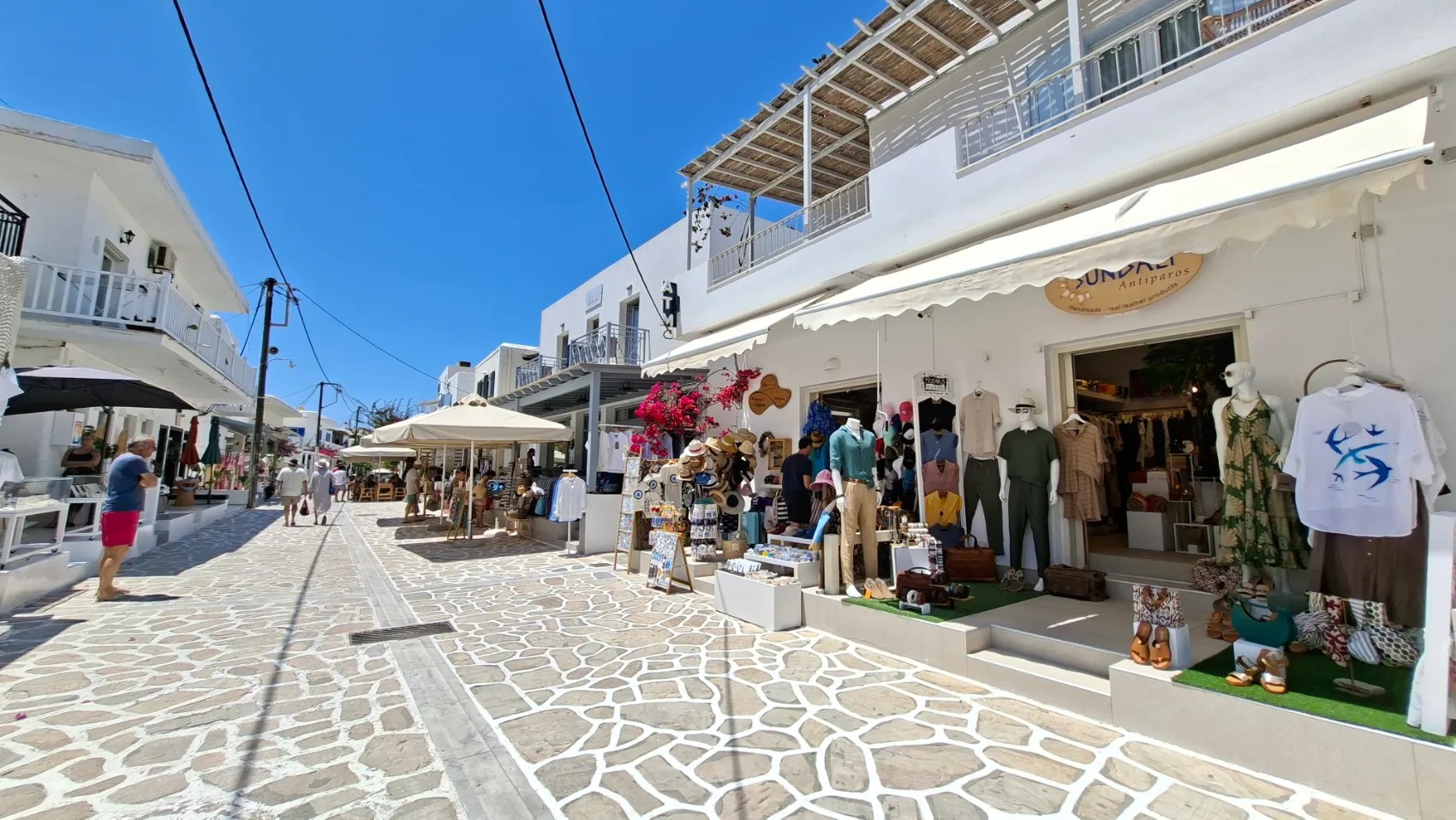
The main settlement of Antiparos — Chora, or simply Antiparos Town — is a village of complete Cycladic charm and considerable architectural interest, built around and within the walls of the Venetian Kastro constructed in 1440 to protect the island’s inhabitants from the pirates who plagued these waters throughout the medieval period. The Kastro is unusual and remarkable — a single, unified residential building in the form of a fortified tower house, its outer walls forming the perimeter of the entire settlement with no gaps or gates except a single entrance, its interior courtyard containing the houses of the island’s families and a central tower that served as the last refuge in the event of an attack. Many of these houses within the Kastro walls are still occupied by local families today, and walking through the narrow interior of the castle — past whitewashed walls hung with flowering plants, through the vaulted passageway of the single entrance, into the small central courtyard where the original Venetian tower still stands — is one of the most intimate and most completely authentic encounters with medieval Cycladic domestic architecture available anywhere in the islands. Beyond the Kastro walls, the town extends in the familiar Cycladic pattern of whitewashed lanes and blue-painted doors, its central pedestrian street lined with excellent tavernas, small shops, and the kind of relaxed, genuinely welcoming social atmosphere that is the hallmark of an island that has been receiving guests with grace and without fuss for generations.
Despotiko — The Ancient Sanctuary Islet
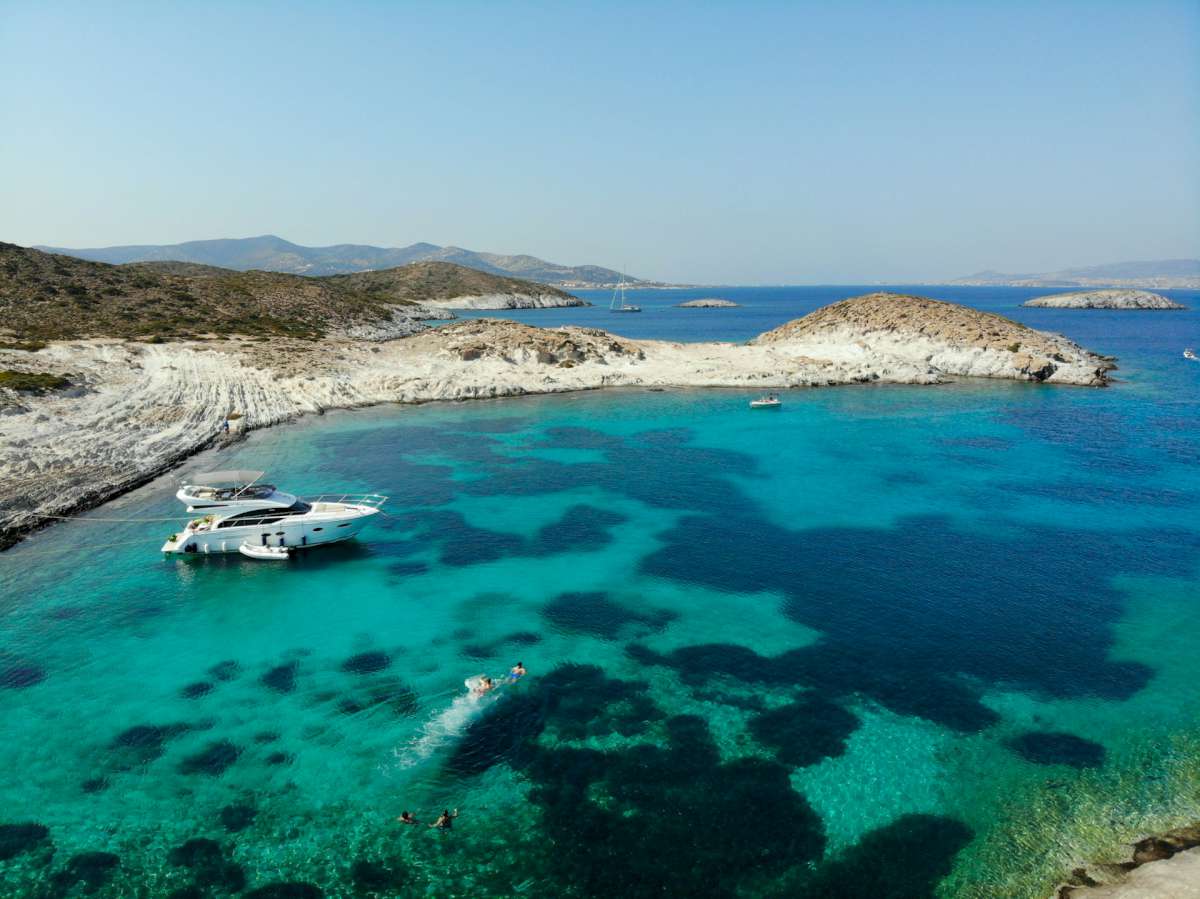
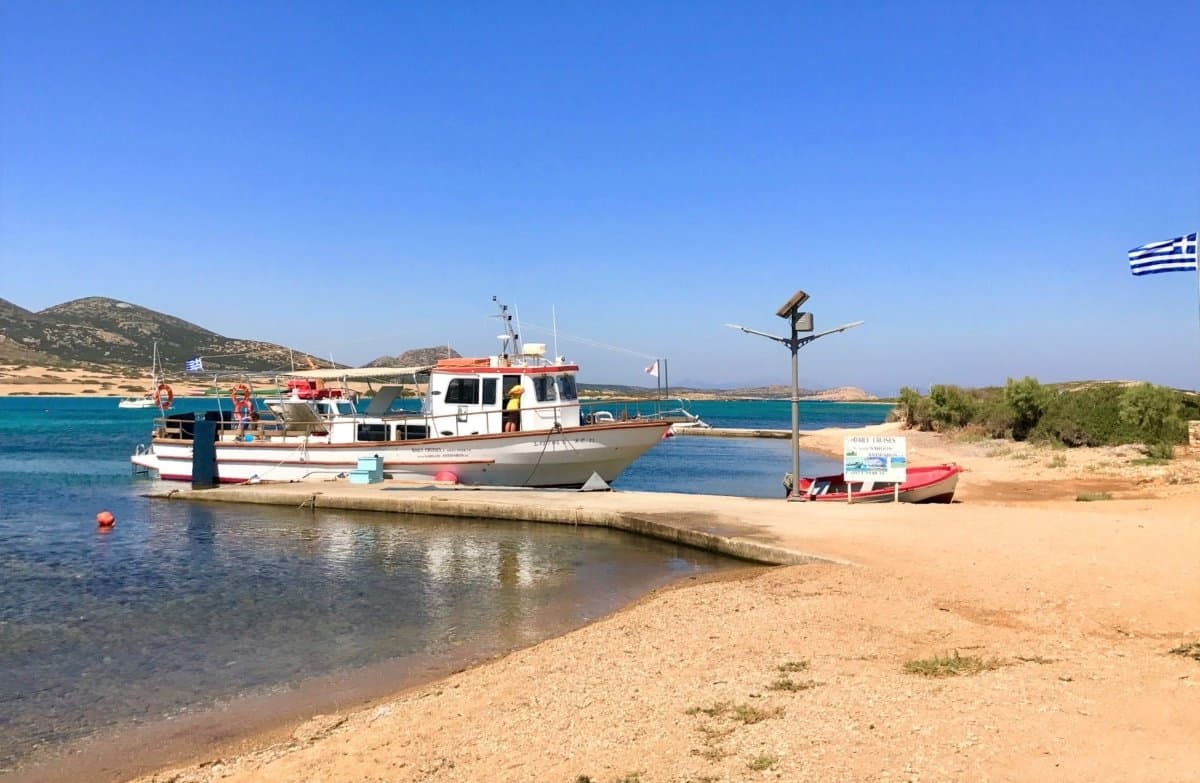
Just south of Antiparos, the uninhabited islet of Despotiko is one of the most significant and most actively excavated prehistoric and archaic archaeological sites in the Cyclades — the location of an extensive ancient sanctuary dedicated to Apollo, believed to date from the 7th century BC, whose monumental marble buildings are currently undergoing a programme of restoration and partial reconstruction that is revealing the site’s original scale and architectural ambition with increasing clarity each season. The islet is accessible by small boat from Antiparos and the excavations, which have been ongoing since the early 1990s under the direction of the Greek Archaeological Service, have yielded finds of considerable quality — votive offerings, marble sculptures, pottery, and architectural elements of the sanctuary complex — that establish Despotiko as a site of regional religious importance in the archaic Aegean. The combination of the ancient sanctuary, the extraordinary natural setting of the islet, and the quality of the swimming in the clear, shallow water surrounding it makes Despotiko one of the most completely rewarding short excursions in the central Cyclades. By yacht, anchoring off Despotiko’s southern shore and spending a morning exploring the excavations before swimming in the brilliant turquoise water of the surrounding bays is an experience of archaeology and natural beauty in ideal combination.
The Beaches
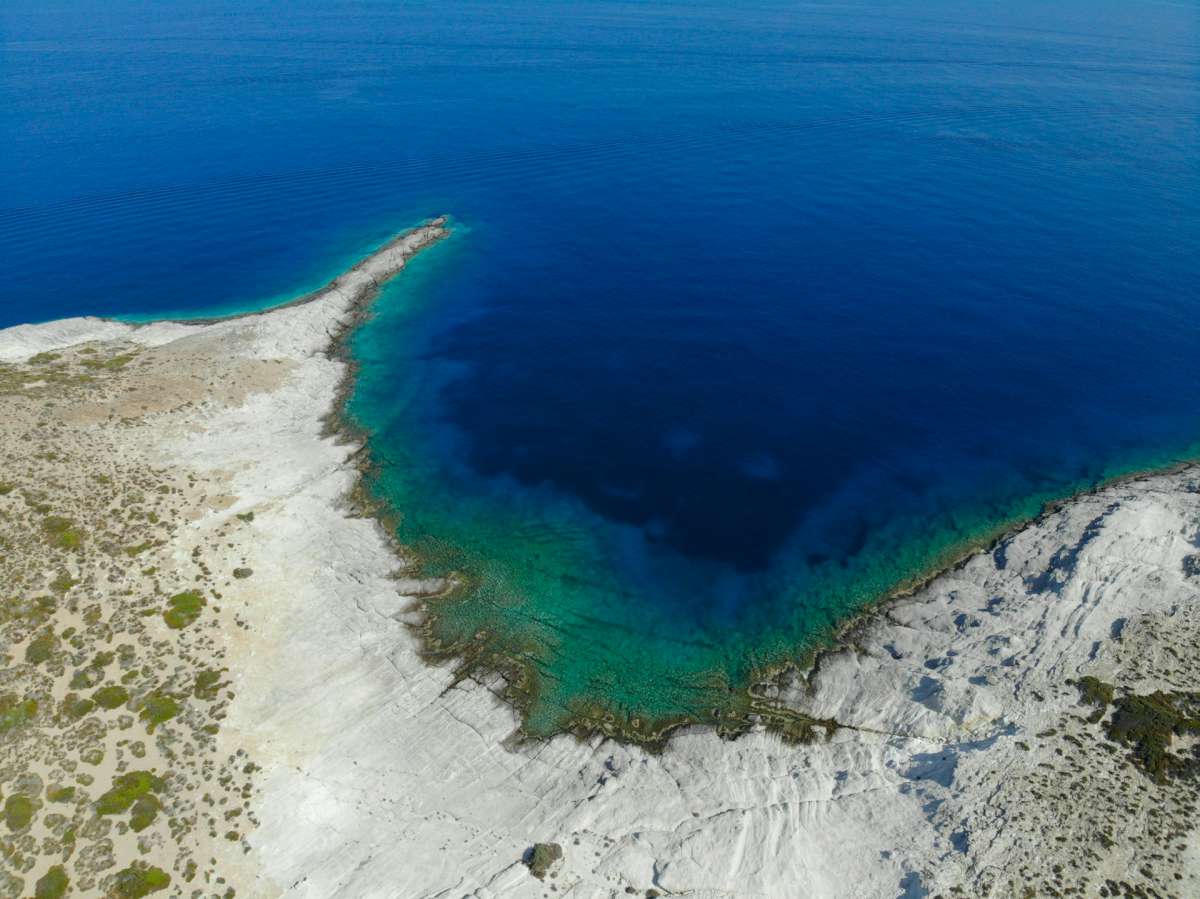
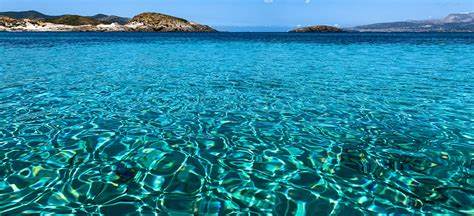
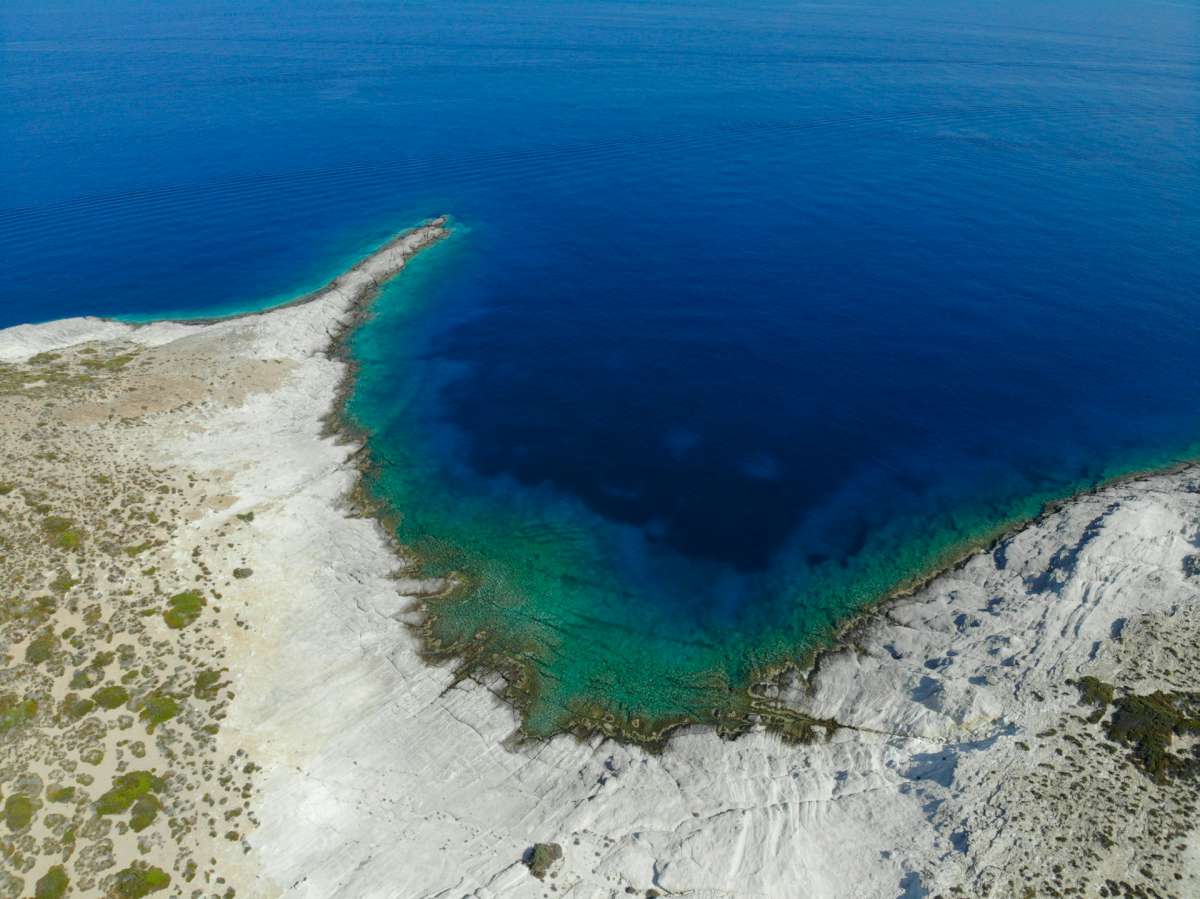
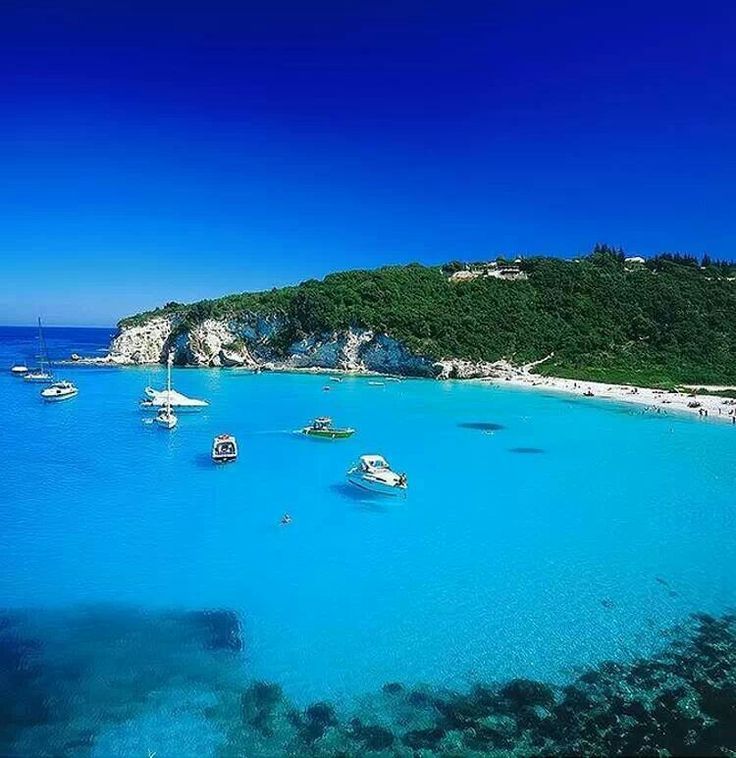
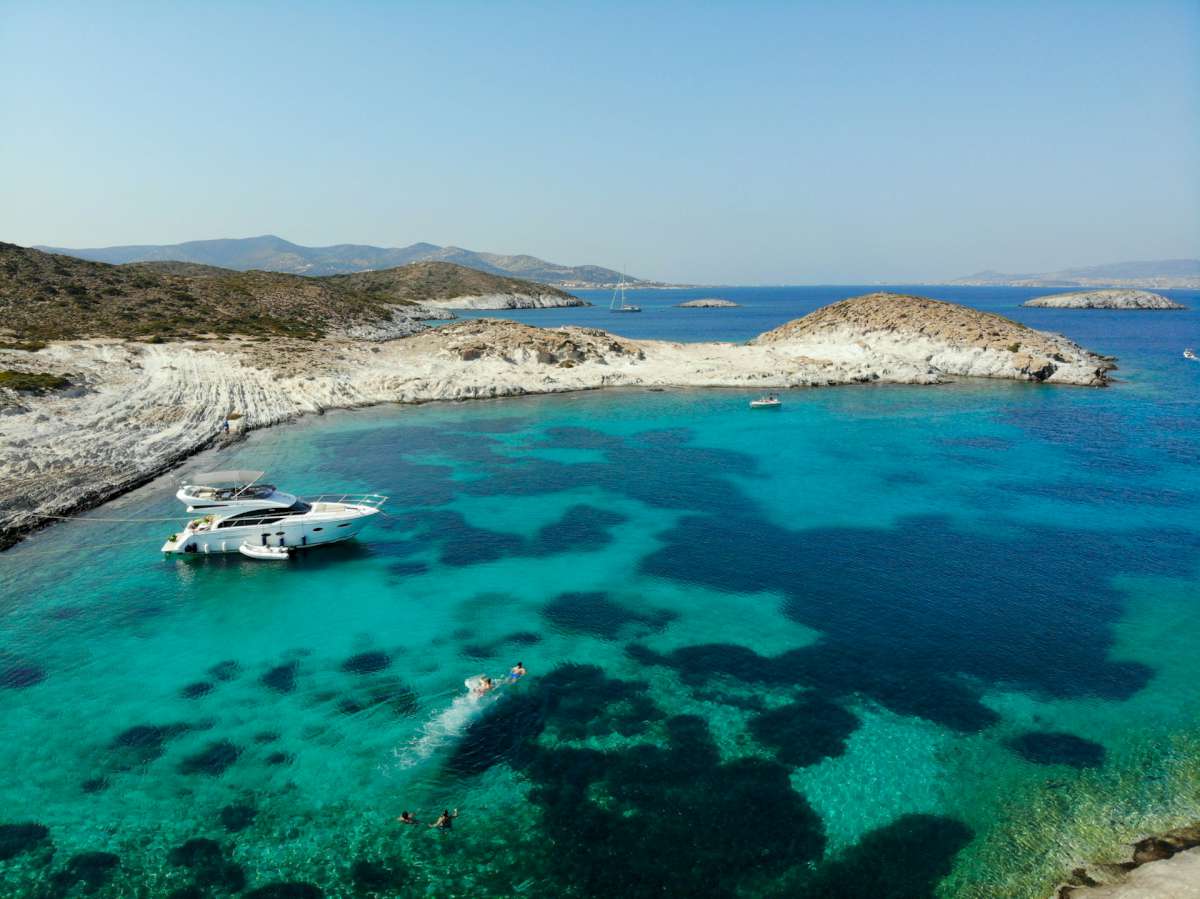
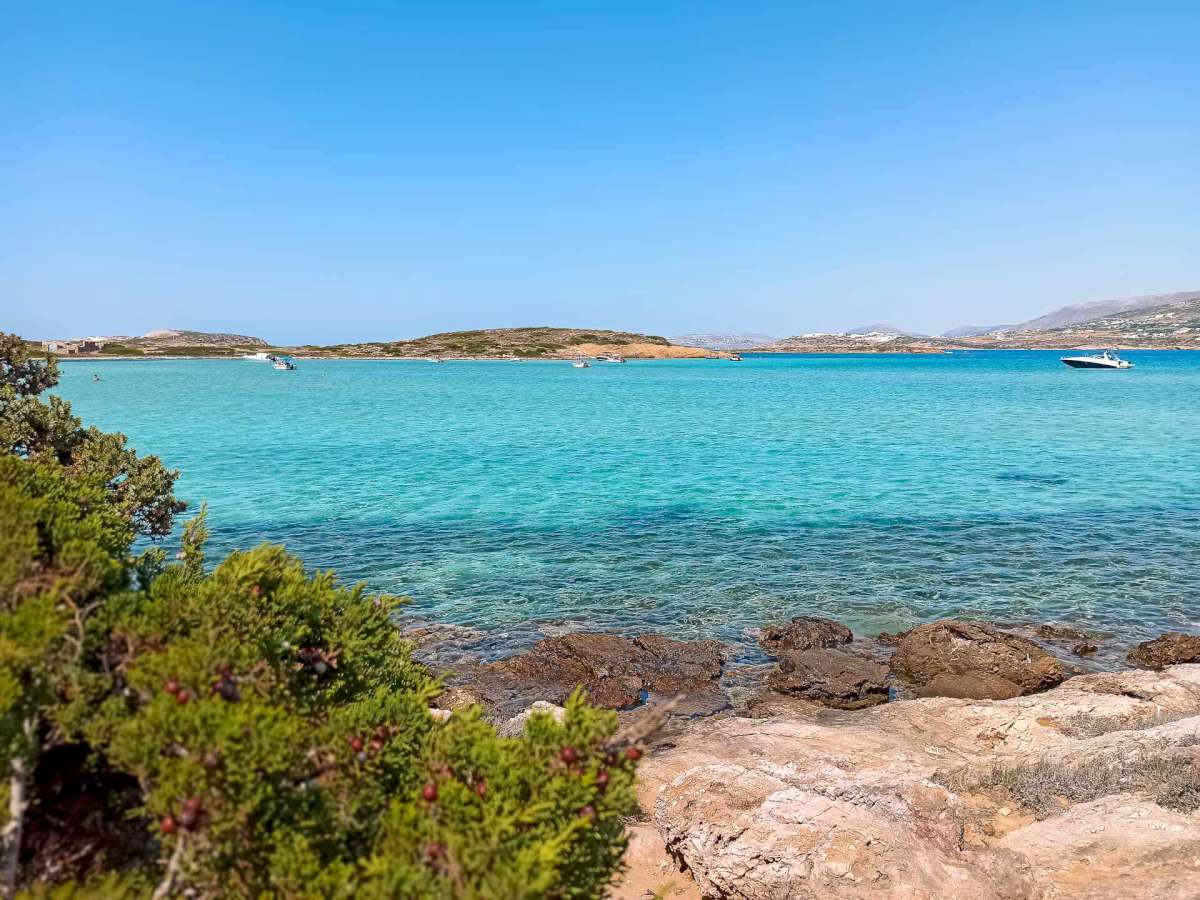
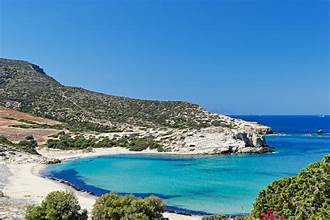
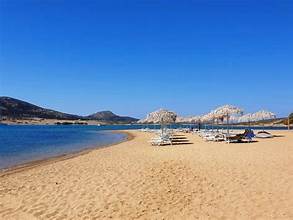
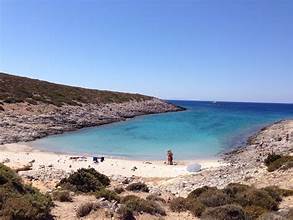
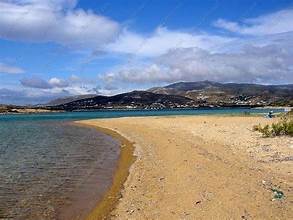
Antiparos has a coastline of 57 kilometres that offers beaches of considerable variety — calm and turquoise on the eastern shore facing Paros, wilder and more dramatic on the western limestone coast facing the open Aegean. Soros, on the eastern coast, is the island’s most popular and most beautiful sandy beach — a wide, pale arc of fine sand and shallow turquoise water, its calm and sheltered character a consequence of the protection provided by the narrow channel between Antiparos and Paros. Glyfa, further south on the eastern coast, is smaller, quieter, and of a natural beauty that rewards the additional effort of reaching it. On the western coast, the beach of Faneromeni and the coves around the island’s southwestern point offer a wilder and more dramatic swimming experience in deep, brilliantly clear water, with the limestone cliffs above and the open sea below composing a setting of entirely different and entirely compelling beauty. For those arriving by yacht, the anchorage off the eastern coast in the sheltered channel between the two islands is one of the finest and most convenient overnight stops in the central Cyclades — calm, clear, and with the lights of Paros visible across the narrow water and the sounds of Antiparos Town drifting across from the quayside.
The Sea Caves of the Western Coast
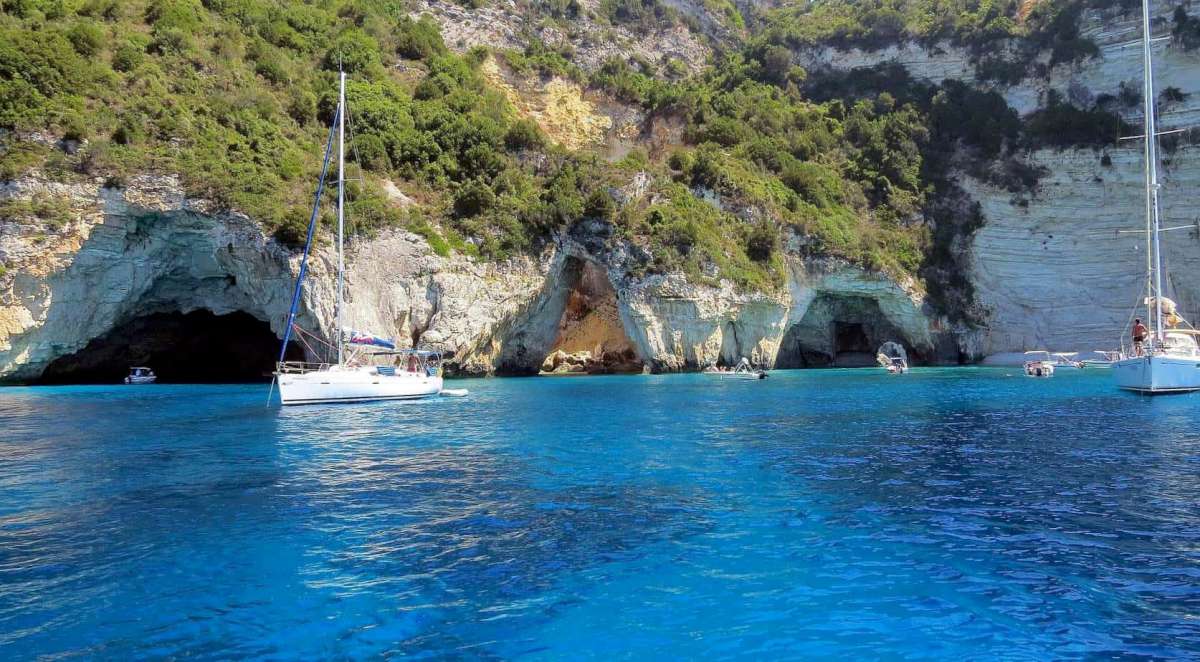
The western limestone coast of Antiparos is indented with a series of sea caves of considerable natural beauty — accessible only by small boat or dinghy, their low entrances opening into vaulted chambers lit by the brilliant turquoise light reflected from the shallow water of the cave floors, their stalactite formations modest compared to the great cave above the town but their maritime setting — reached from the sea, explored by swimming — providing a completely different and completely rewarding category of natural wonder. For those exploring the island by yacht, a slow dinghy circuit of the western coast, stopping to explore each sea cave in sequence, is one of the finest half-day excursions the island offers — an exploration of the island’s wilder, more dramatic face that most land-based visitors never encounter and that provides a perspective on the island’s geological variety and natural beauty of exceptional completeness.
Why Choose Antiparos
Antiparos is the island for the traveller who has reached Paros — or who is planning to visit it — and understands, instinctively or by reputation, that the single best decision available to them is to take the short ferry across the channel and spend time on the quieter, more intimate, more genuinely itself island waiting on the other side. It is for those who want the central Cyclades experience — the white architecture, the clear turquoise water, the fresh fish, the warm evenings — without the crowds that the most famous islands attract, and who find that beauty is more comfortable and more completely enjoyable when it is not shared with several thousand strangers.
It is equally the island for those who want to combine natural wonder with beach pleasure and cultural depth in a package of remarkable completeness for an island of its modest size — the cave and the Kastro and the Despotiko sanctuary providing a historical and natural dimension that enriches the beach and harbour pleasures without competing with them or complicating them. Families find the calm, shallow eastern beaches ideal. Couples find the lanes and the tavernas and the quality of the evening light on the white walls of the Kastro entirely romantic. Sailors find the anchorage in the Antiparos channel one of the finest overnight stops in the central Cyclades. And everyone finds, in the unhurried pace and the genuine warmth of the island’s small community, the particular quality of welcome that the most discerning travellers in the world — the ones who return year after year to this small, beautiful, entirely itself island — have always found here.
What Antiparos ultimately offers — and what it offers with the quiet confidence of a place that has no need to compete with its famous neighbour because it knows perfectly well what it is and what it has — is the experience of the Cyclades at their most intimate, most authentic, and most completely human. Not the spectacle of the famous islands, not the wildness of the remote ones, but something in between and in many ways finer than either: a small, beautiful, welcoming island of great natural variety and great human warmth, lying in the blue channel between Paros and the open Aegean, entirely content to be exactly what it is and entirely capable of making every visitor who comes to it feel, very quickly and very completely, at home.