Why Corfu
There are islands in the Greek world whose beauty operates on a different register from the austere, elemental beauty of the Cyclades and the Aegean — islands of green hills and olive groves and Venetian campaniles and the particular quality of light that the Ionian Sea, softer and greener and less dramatically brilliant than the Aegean, casts over its islands in a luminescence of great warmth and great gentleness. Corfu is the most beautiful and the most historically distinguished of all the Ionian islands — a large, densely wooded island of 593 square kilometres at the northern end of the Ionian chain, its landscape of ancient olive groves and cypress trees and Venetian-era villages and Byzantine monasteries composing a picture of extraordinary natural and cultural richness that has drawn visitors of the greatest literary and artistic distinction — Henry Miller, Lawrence Durrell, Edward Lear, and generations of British and European travellers before and after them — who have found here a quality of Mediterranean beauty and Mediterranean civilisation unlike anything available elsewhere in Greece.
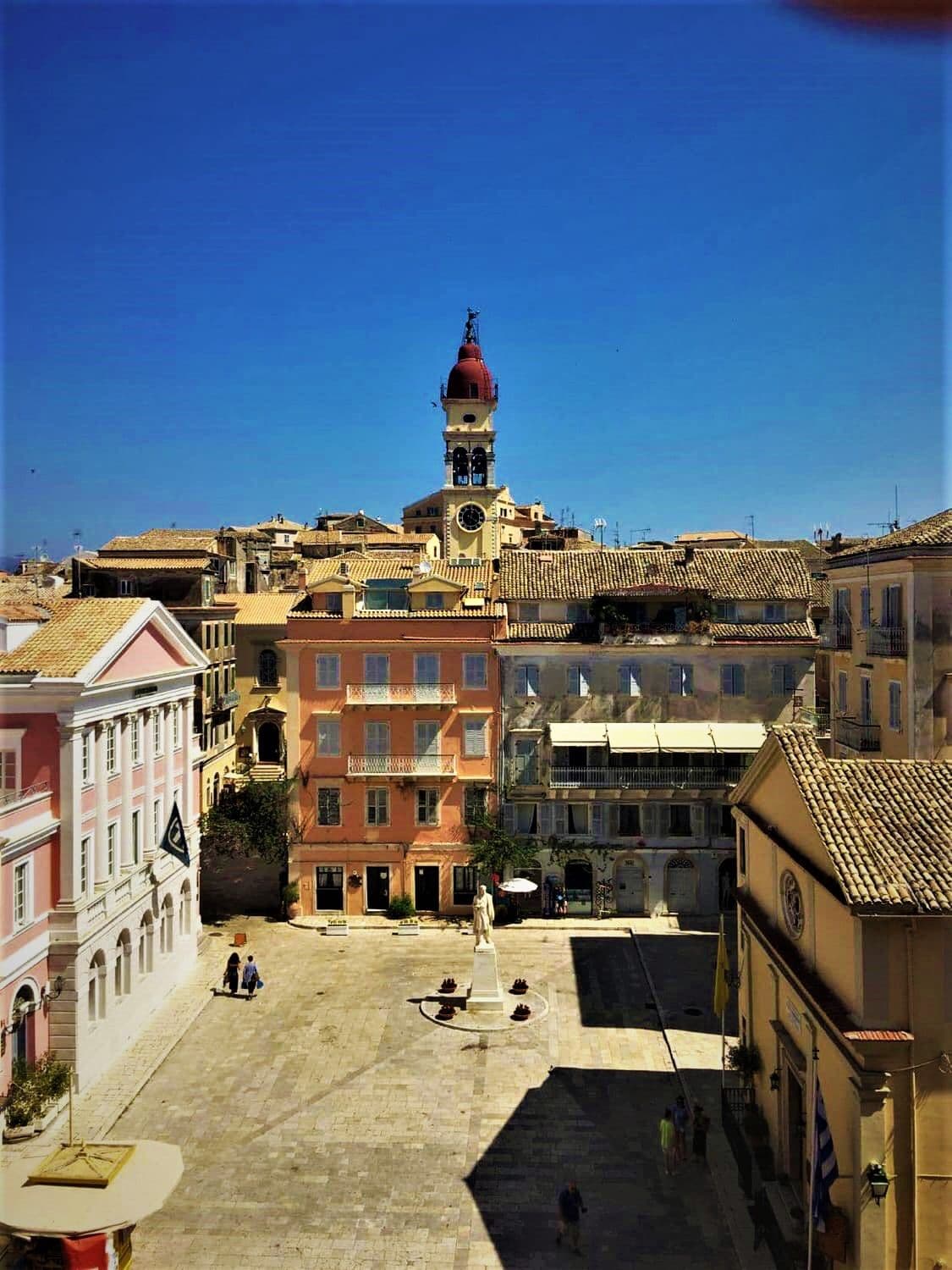
The island’s history is a succession of the greatest Mediterranean powers — Byzantine, Angevin, Venetian, French, British — each of which left architectural and cultural marks of lasting importance, and whose combined legacy gives Corfu an historical layering and a cultural richness disproportionate to its size. The Venetian period — nearly four centuries of rule from 1386 to 1797, the longest continuous Venetian possession in the Greek world — is the most architecturally decisive: the Old Town of Corfu, declared a UNESCO World Heritage Site in 2007, is the finest and most completely preserved example of Venetian urban planning and architecture in the Mediterranean world, its narrow lanes and tall Venetian palazzi and arcaded Liston promenade and two magnificent Venetian fortresses composing a townscape of extraordinary beauty and extraordinary historical integrity. The subsequent French period introduced Napoleonic civic architecture and the broad European ambitions reflected in the Reading Society — the oldest library in Greece, founded in 1836. The British period built the road network, introduced cricket — still played on the Spianada by the town’s cricket clubs on summer Sunday mornings — and left behind a legacy of neoclassical public buildings of considerable quality. Corfu’s cultural inheritance is European and cosmopolitan in a way that no other Greek island quite equals, and this quality — of an island that belongs simultaneously to Greece and to the broader Mediterranean-European world — gives it a depth and a variety of cultural experience that rewards extended exploration with inexhaustible generosity.
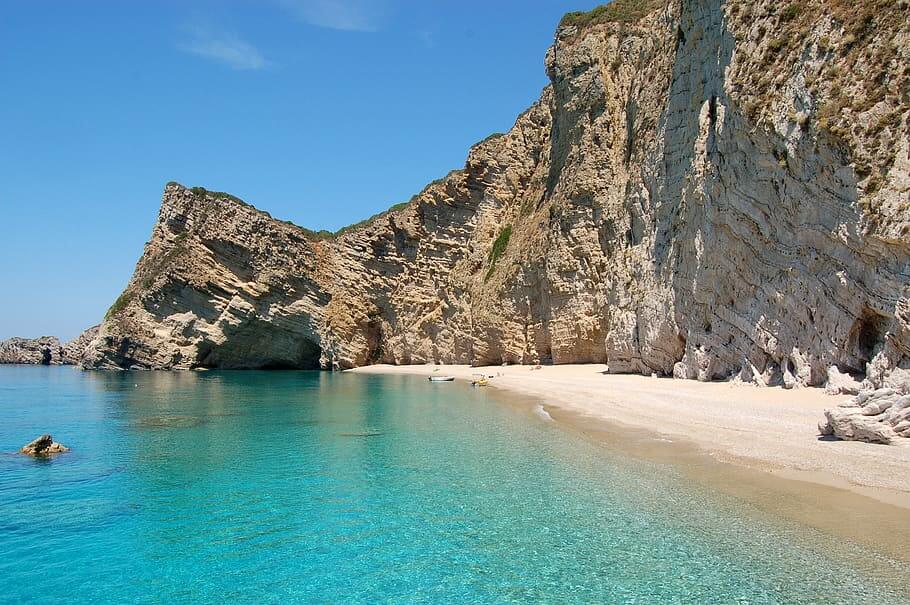
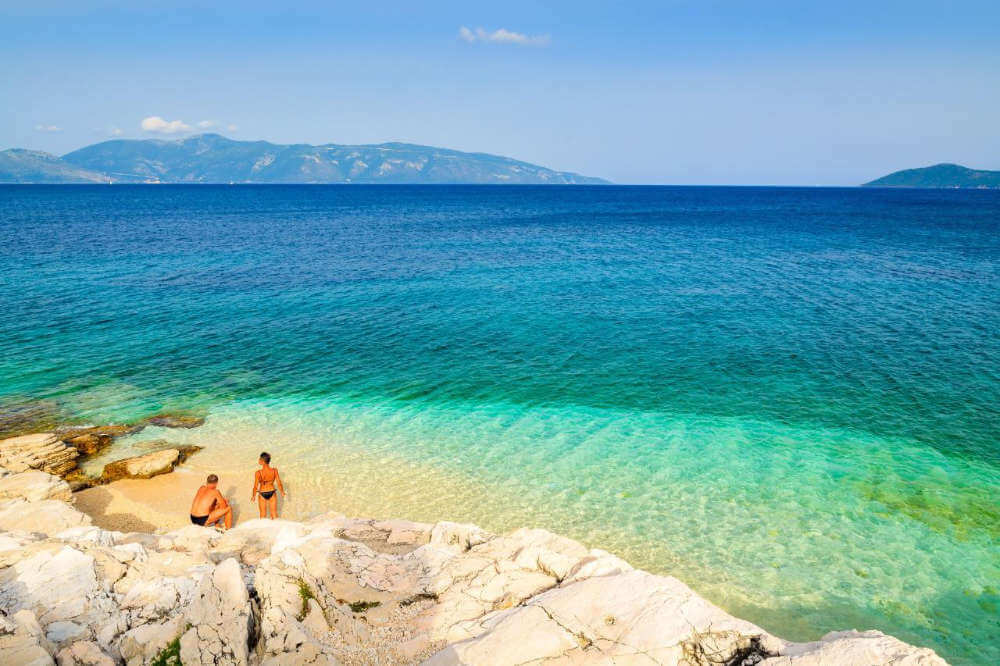
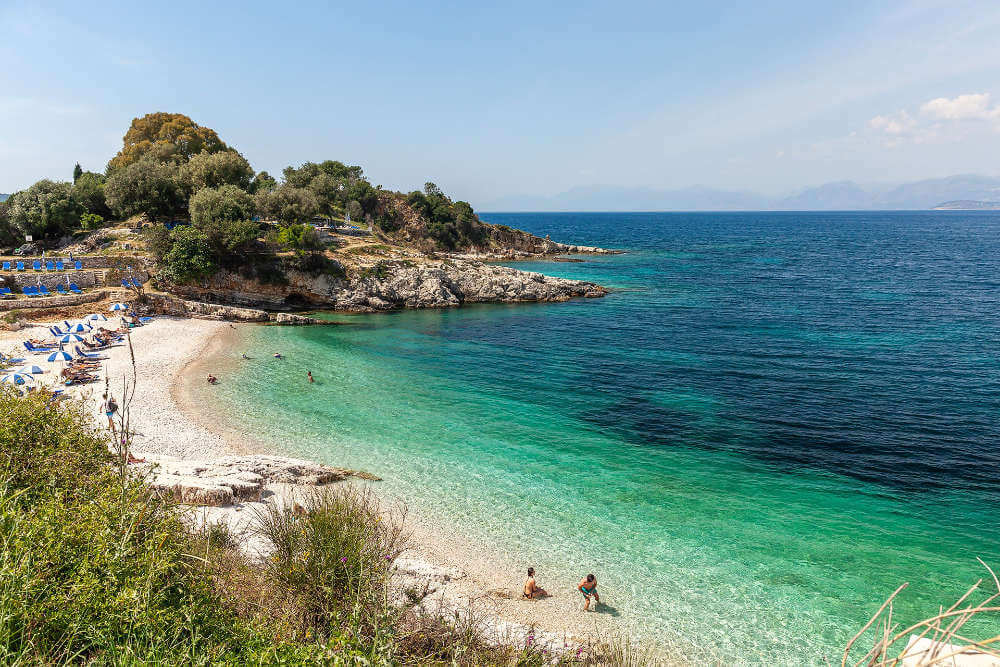
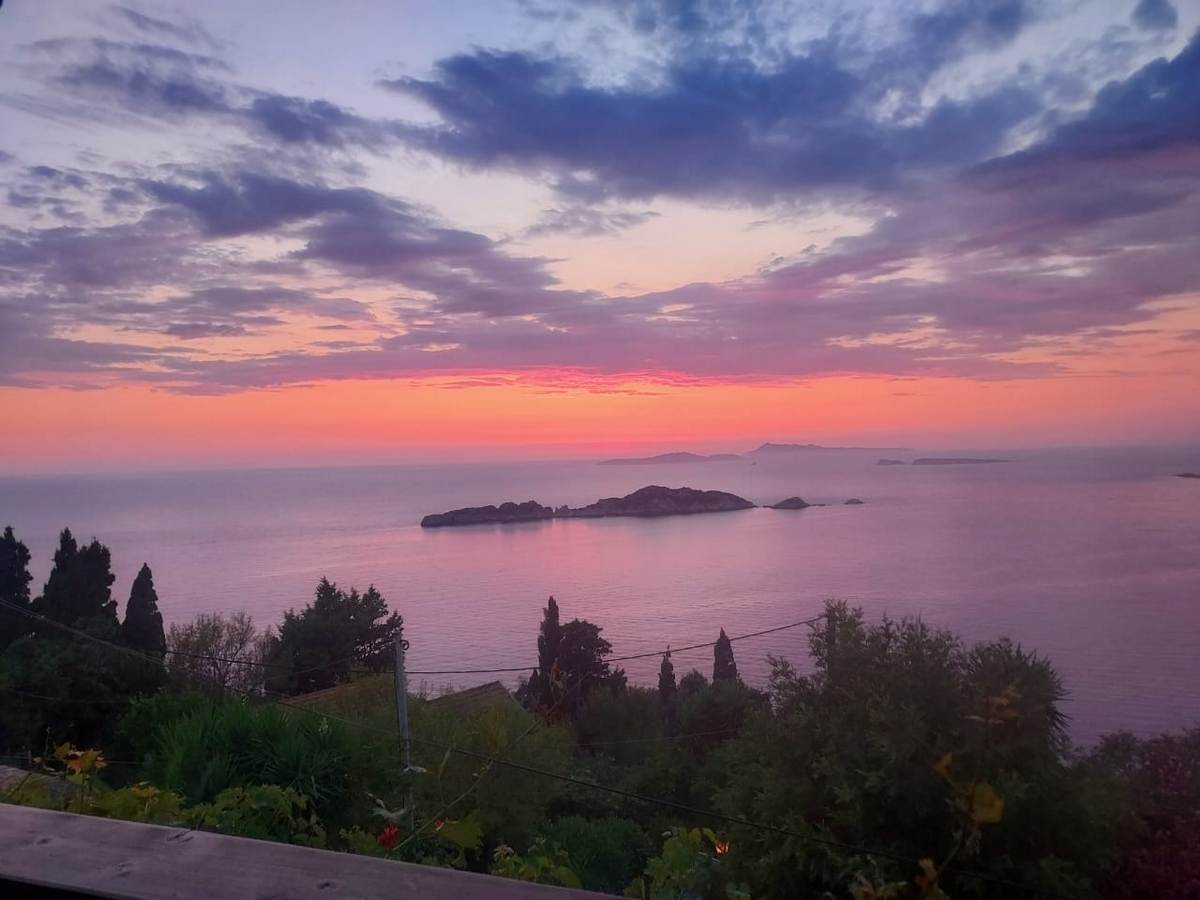
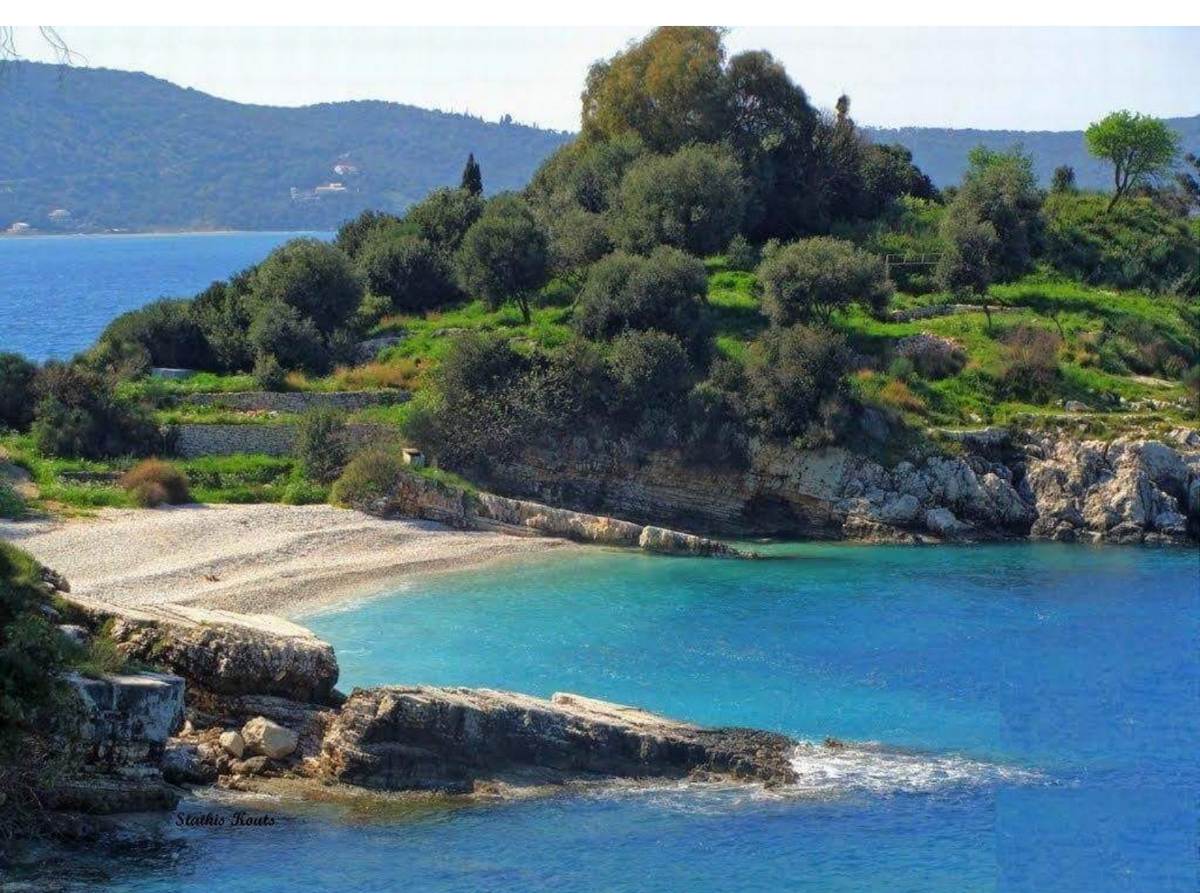
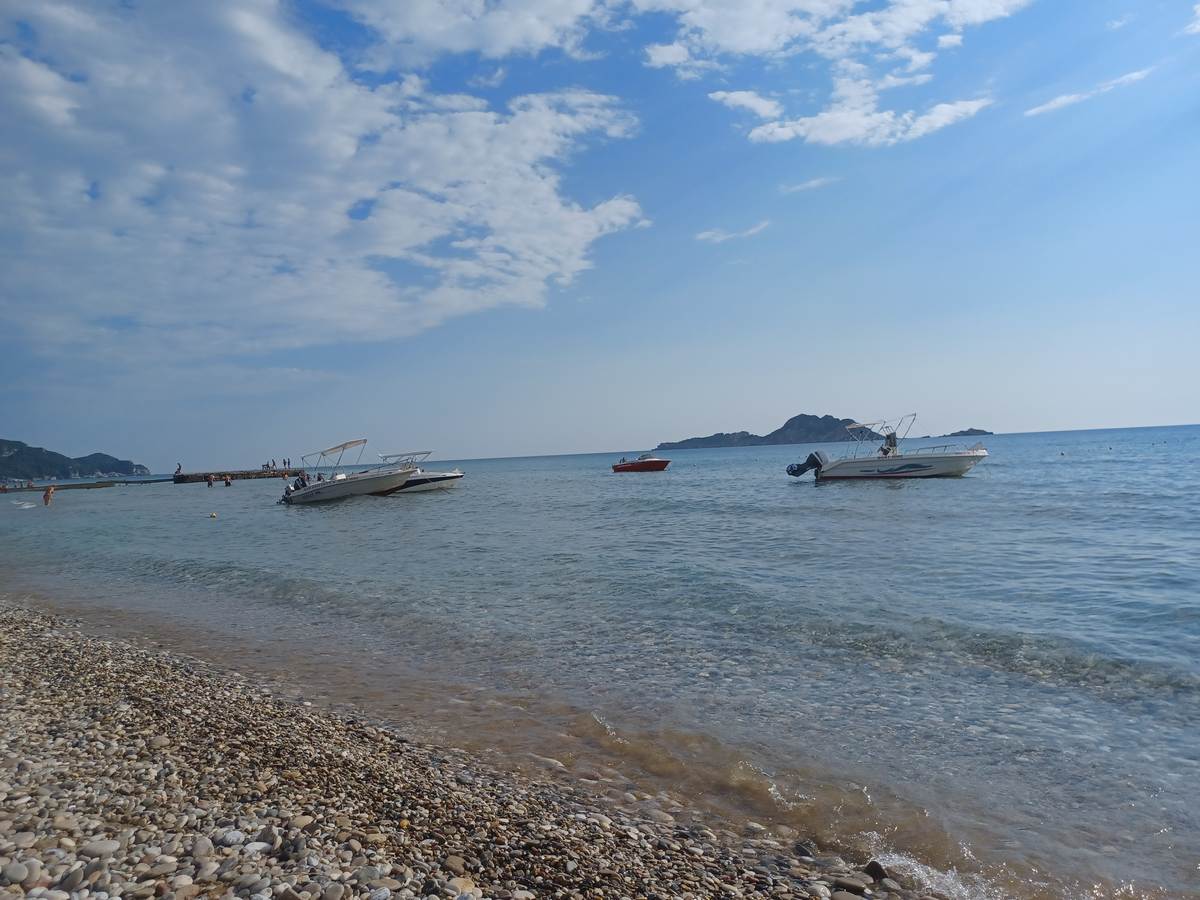
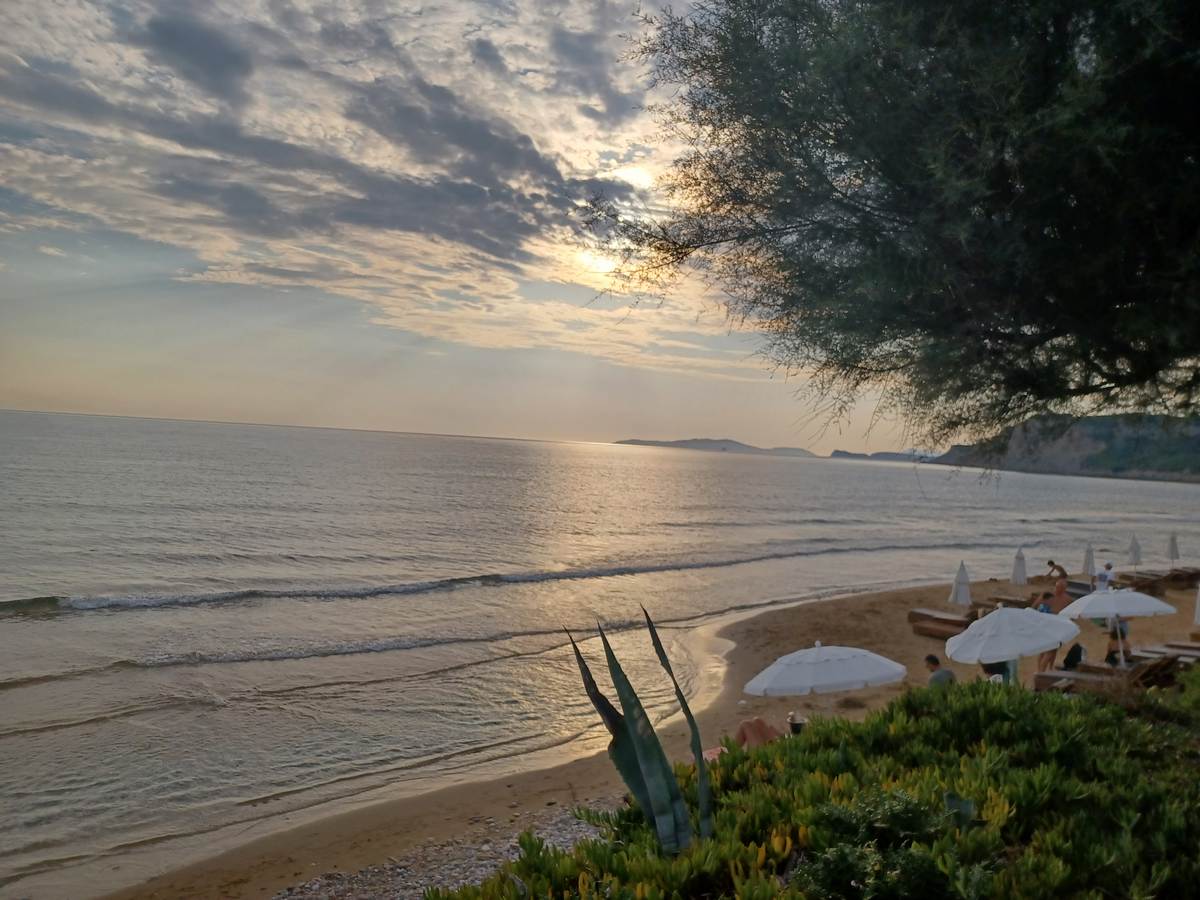
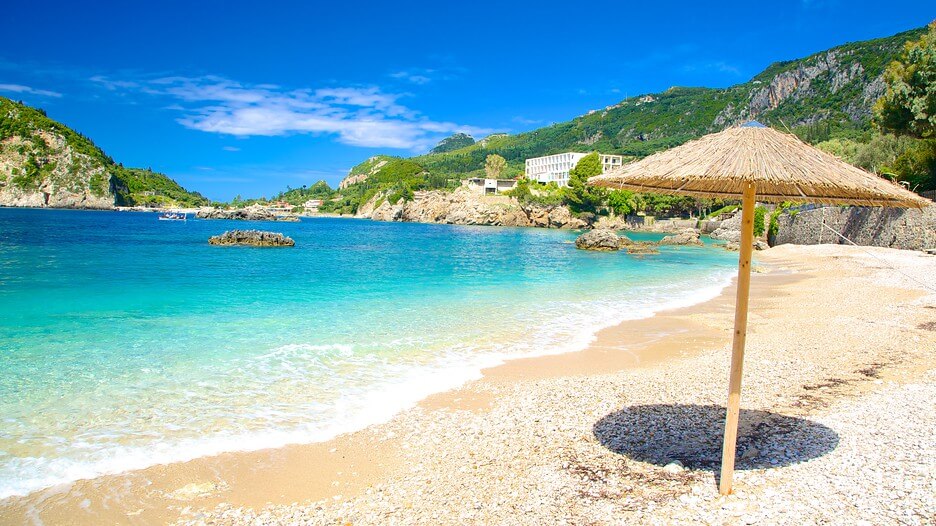
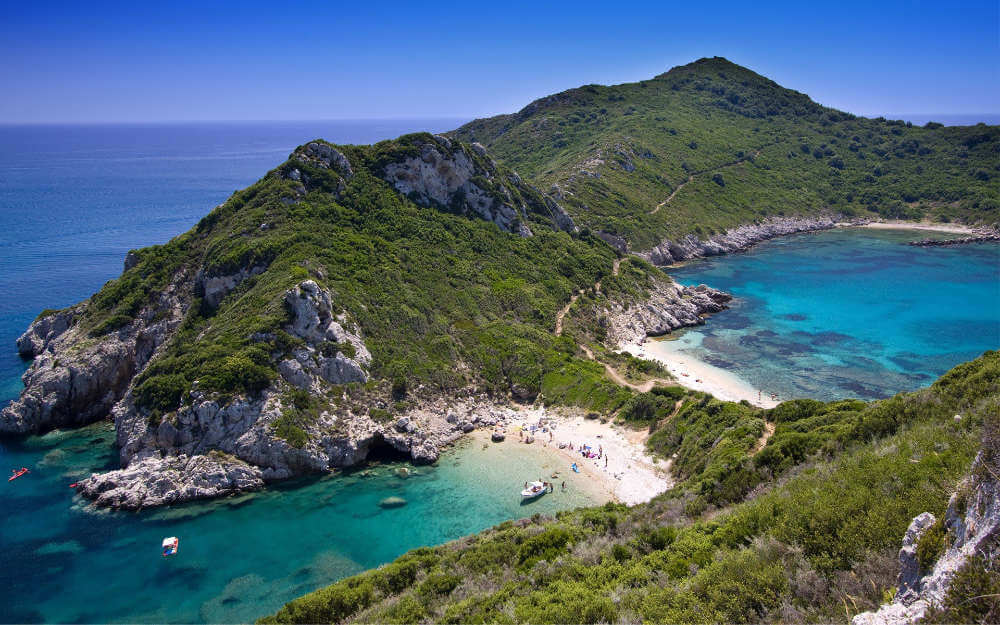
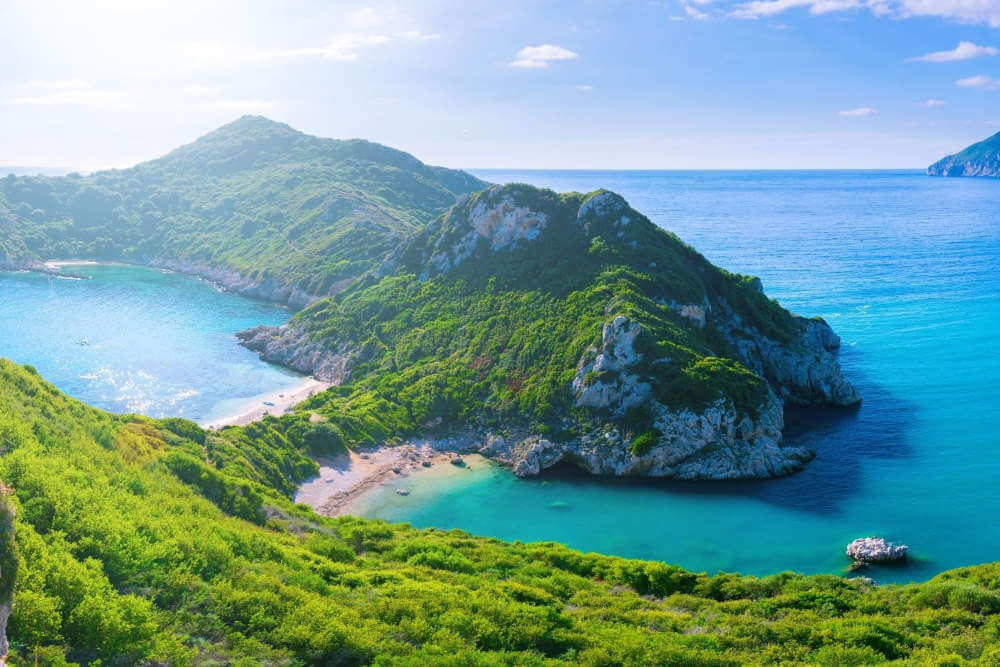
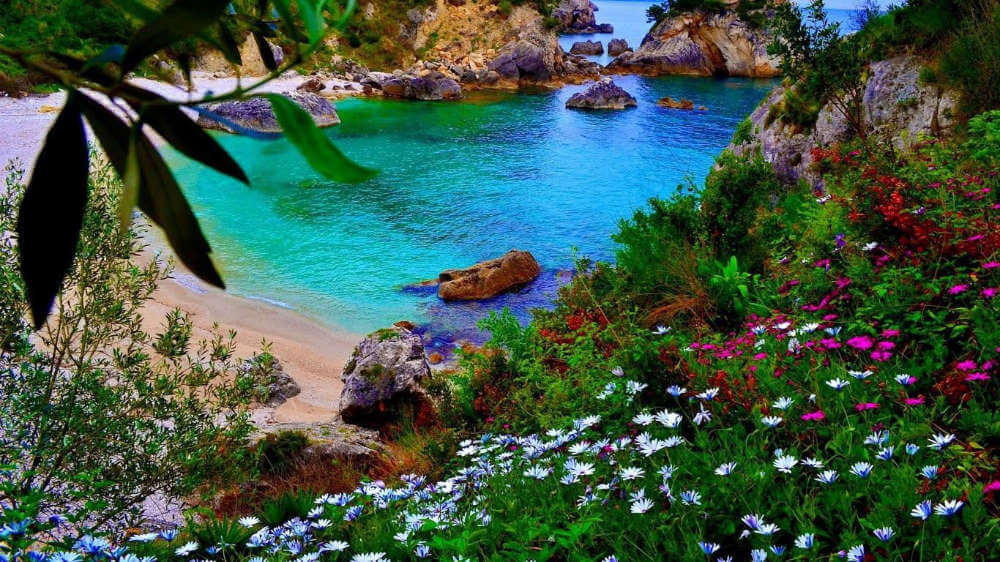
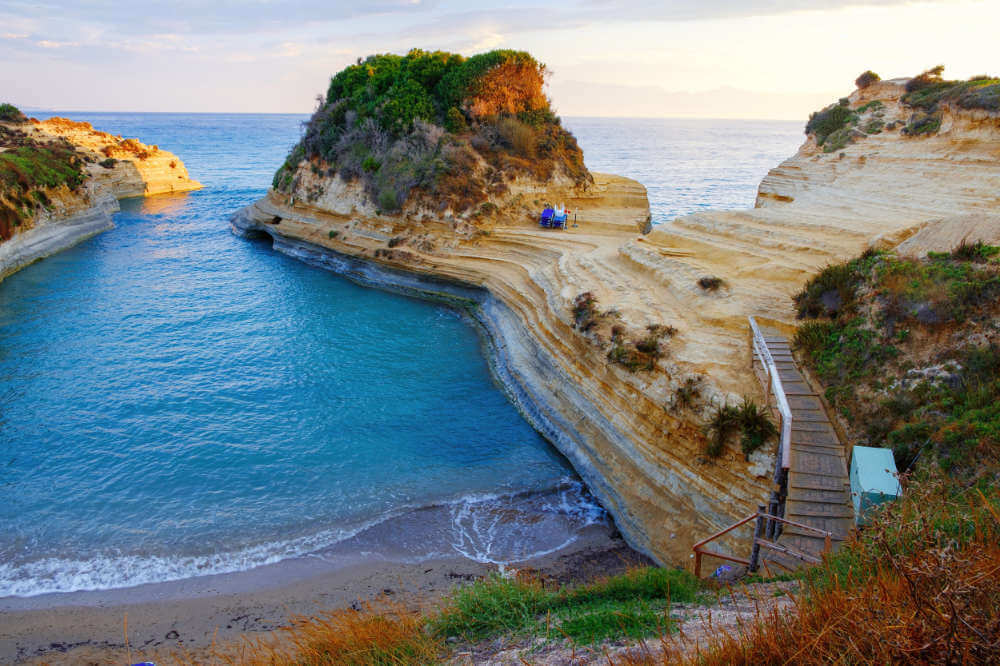
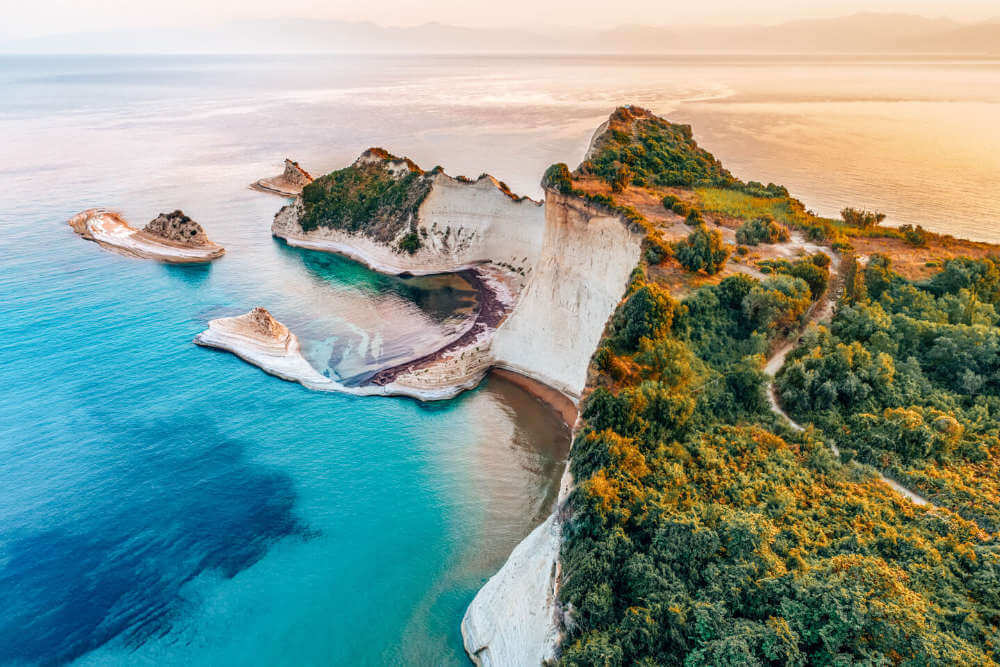
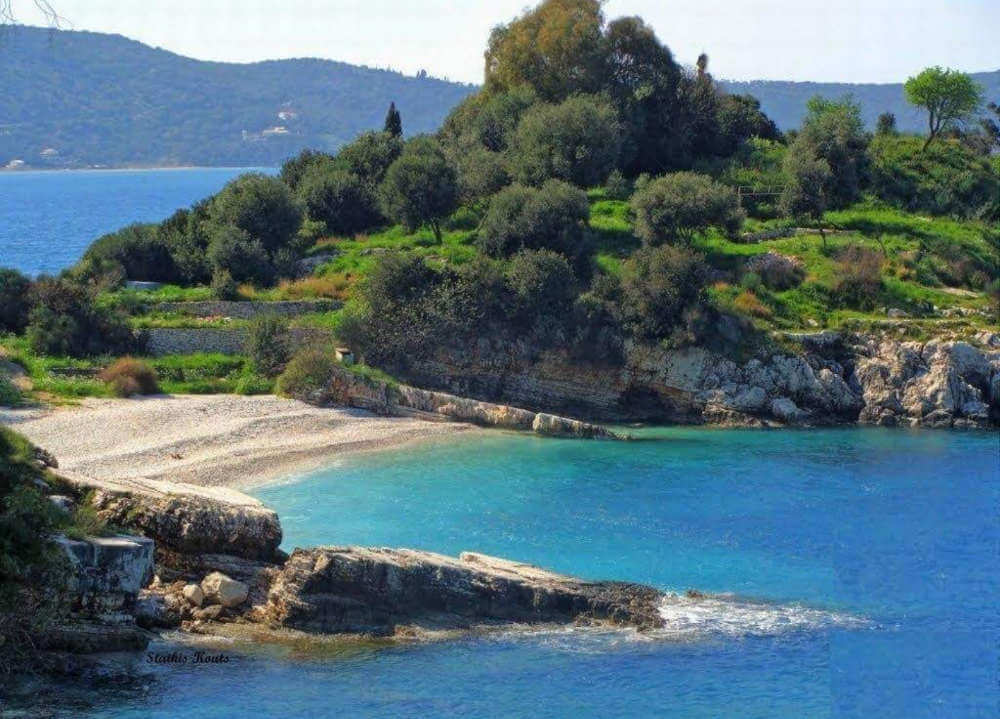
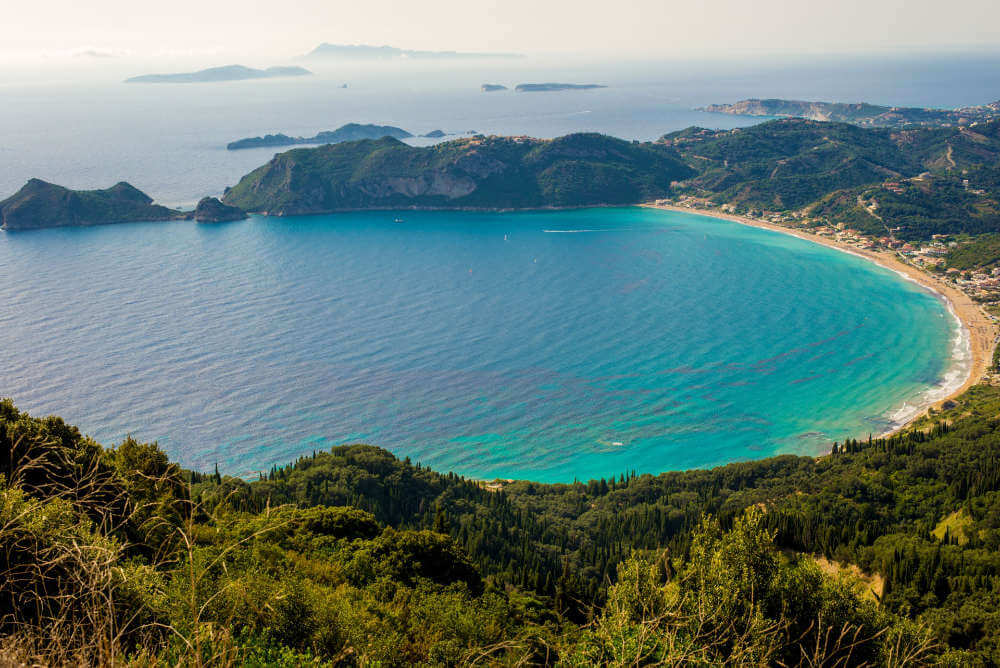
The natural landscape of Corfu is as extraordinary as its cultural heritage. The island’s extraordinary density of olive trees — estimated at four million trees covering virtually the entire island, many of them of Venetian planting and several centuries old — gives the landscape a quality of ancient, silver-grey, light-dappled beauty entirely characteristic of the island and entirely unlike any other Ionian landscape. The north and northeast coast, where the green hills descend to coves of brilliant turquoise water, is among the finest coastal landscapes in the Ionian Sea. The sea itself — the Ionian, here at its northern extreme, its water of a deep, saturated blue-green of extraordinary beauty — provides sailing conditions of great variety and great natural quality in one of the most sheltered and most completely beautiful sailing grounds in the eastern Mediterranean.
What to Do and What to See
The Old Town — UNESCO World Heritage Site
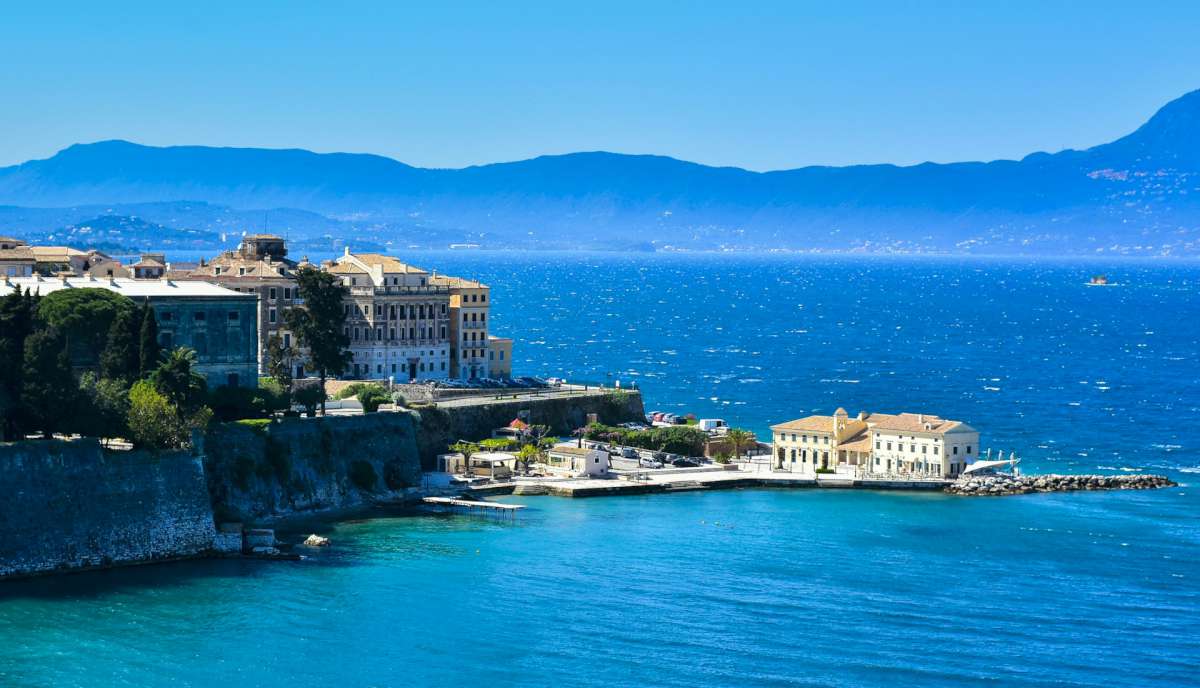
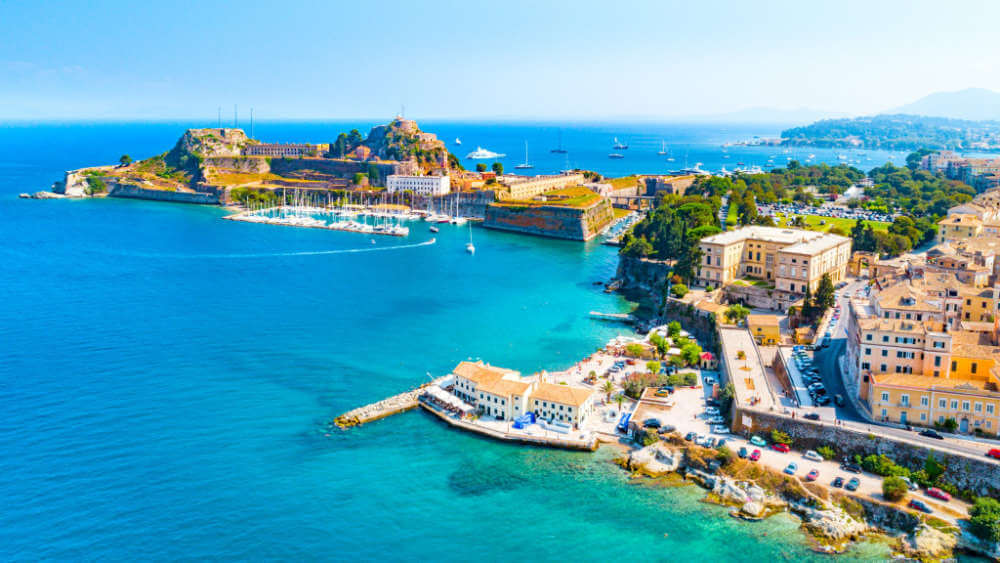
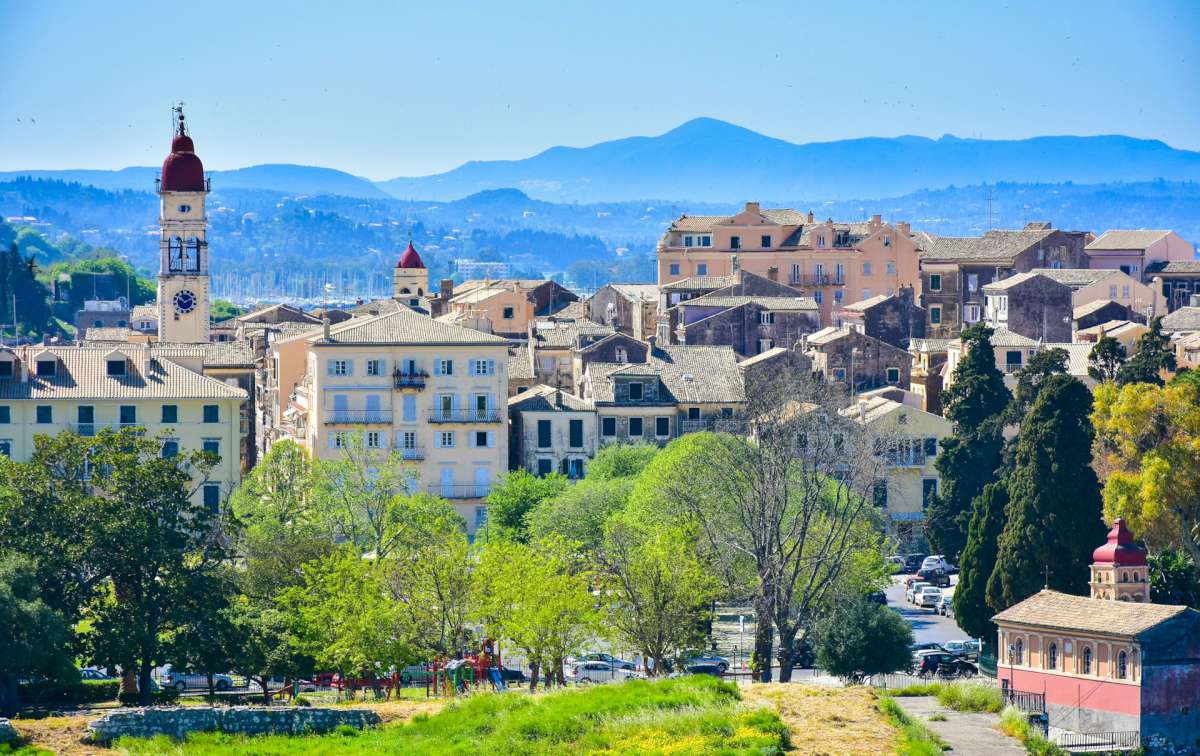
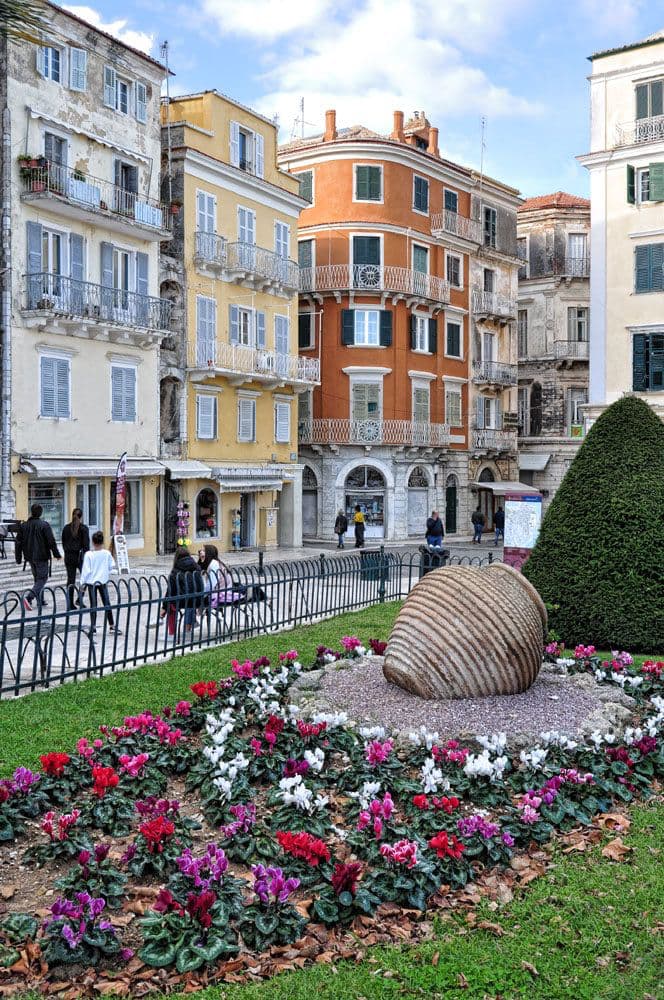
The Old Town of Corfu — declared a UNESCO World Heritage Site in 2007 in recognition of its exceptional Venetian urban heritage — is the most important and most completely beautiful historic town in the Ionian islands and one of the finest Venetian urban environments in the entire Mediterranean. The Liston — the arcaded promenade built under French rule, its arches modelled on the Rue de Rivoli in Paris and its café tables occupying the shade beneath in a continuous line of extraordinary elegance — is the social heart of the town and one of the finest public spaces in the Greek world. The narrow lanes of the Campiello quarter behind the Liston — rising steeply up the hill in the characteristic Venetian manner, their tall narrow houses and arched passages and sudden small squares composing a townscape of such complete and such continuously surprising beauty that walking through it without a fixed itinerary is the most rewarding way to spend a morning in Corfu — are the finest survival of the Venetian urban domestic tradition in Greece.
The Old and New Fortresses
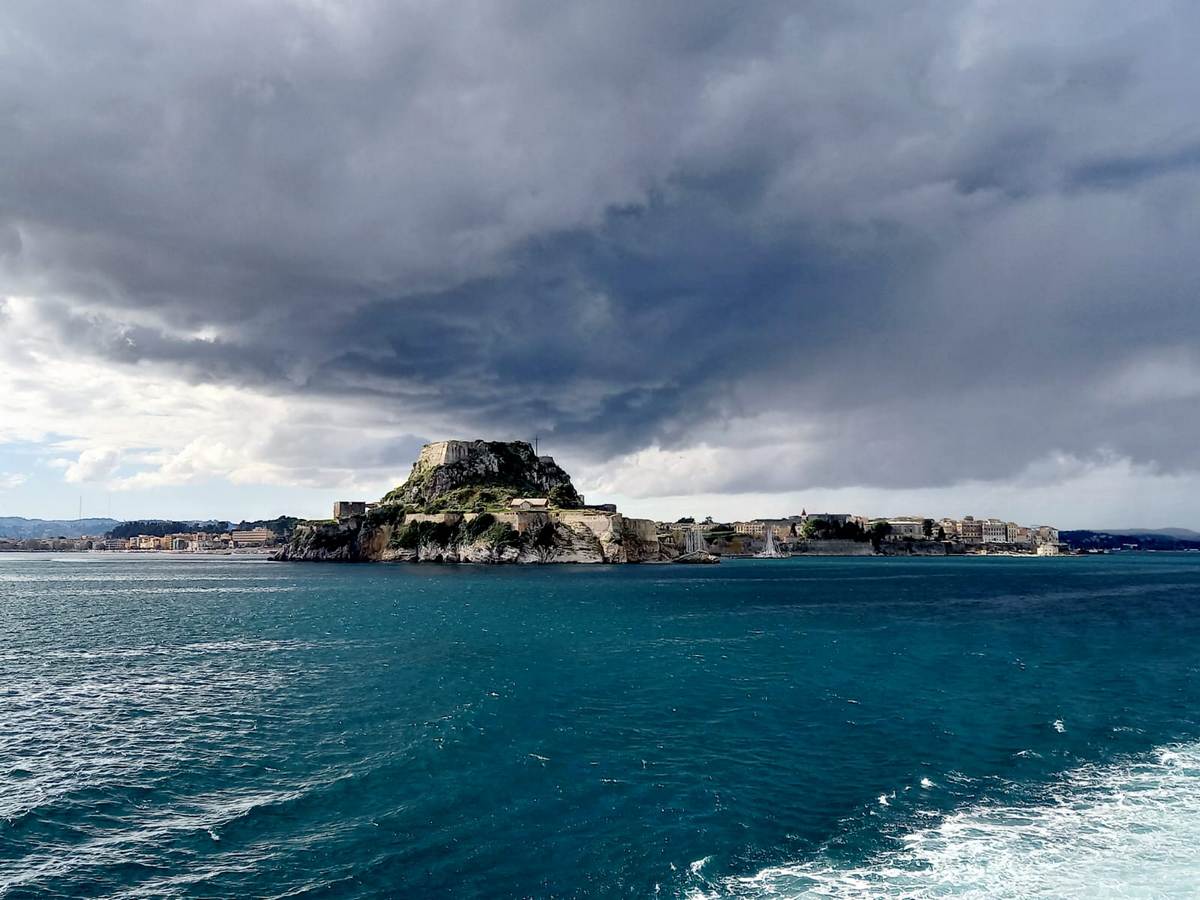
The Old Fortress of Corfu — the Paleo Frourio, a magnificent Venetian fortification on a rocky promontory at the eastern end of the Old Town, its twin peaks visible from a great distance at sea — is the most important and most dramatically situated military monument in the Ionian islands. Built on the site of a Byzantine fortress and substantially reconstructed by the Venetians in the 15th and 16th centuries, the fortress preserves its walls, bastions, and internal structures in a remarkable state of preservation, and the views from its highest point — over the Old Town, the Ionian Sea, and the Albanian coast on the eastern horizon — are of extraordinary beauty and extraordinary scope. The New Fortress — the Nео Frourio, built by the Venetians on the western edge of the Old Town in the 16th century and subsequently modified by the French and the British — is equally impressive and somewhat less visited, its massive walls and internal spaces providing a context for the island’s historical military narrative of great depth and great dramatic quality.
The Achilleion Palace
On the southern coast of Corfu, the Achilleion Palace — built in 1890 for Empress Elisabeth of Austria (“Sisi”) and subsequently purchased by Kaiser Wilhelm II of Germany — is the island’s most extravagant and most internationally celebrated historic building. A neo-Pompeian palace of considerable architectural ambition set in gardens of great formal beauty above a cliff edge with views of the southern Ionian Sea, the Achilleion reflects the romantic Hellenism of the 19th-century European aristocracy in its decoration — statues of Achilles, painted ceilings of mythological subjects, the famous winged Achilles in the garden — with a completeness and a confidence that makes it one of the most completely characteristic expressions of its period available in any Greek building.
Paleokastritsa and the Northwest Coast
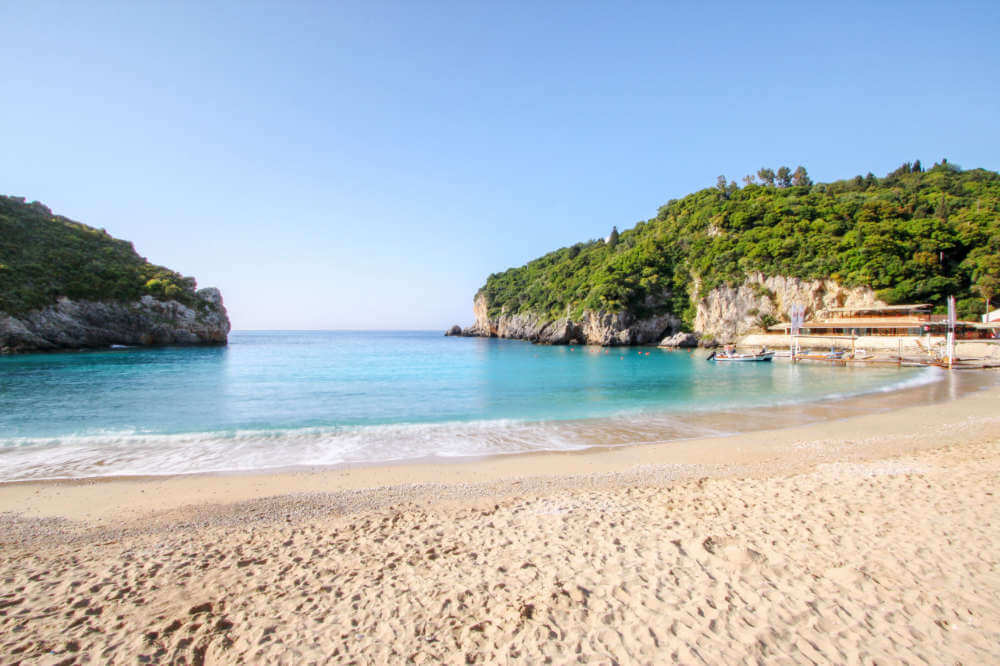
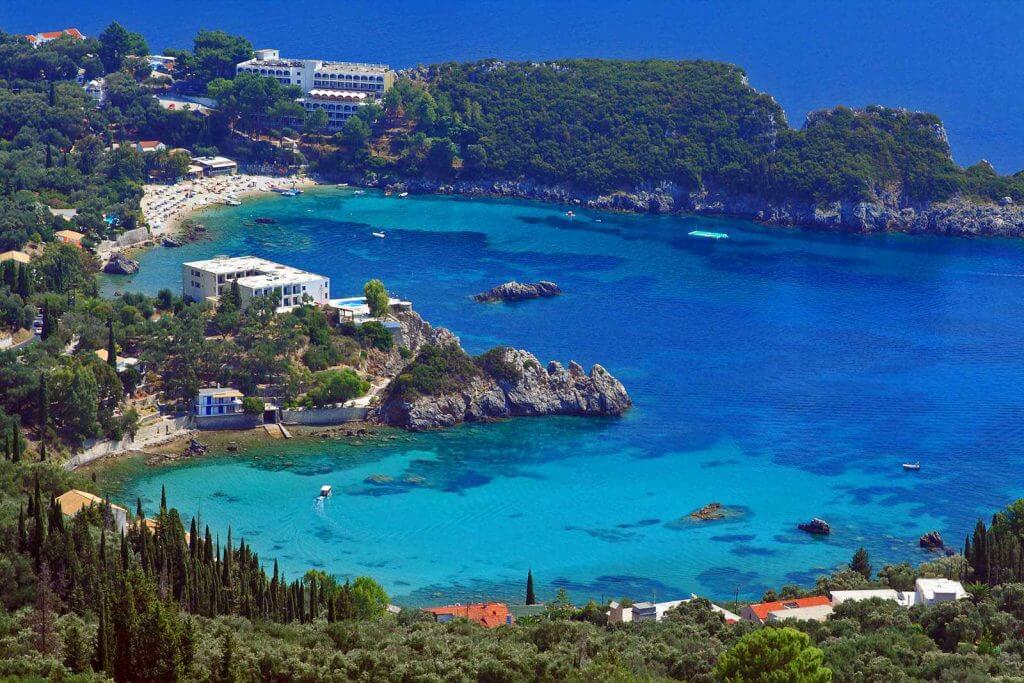
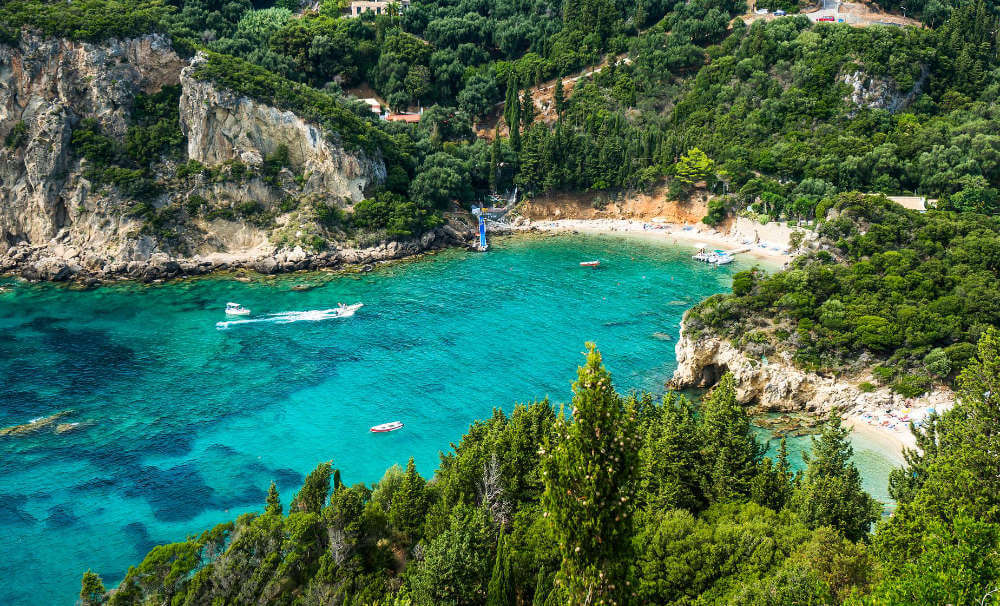
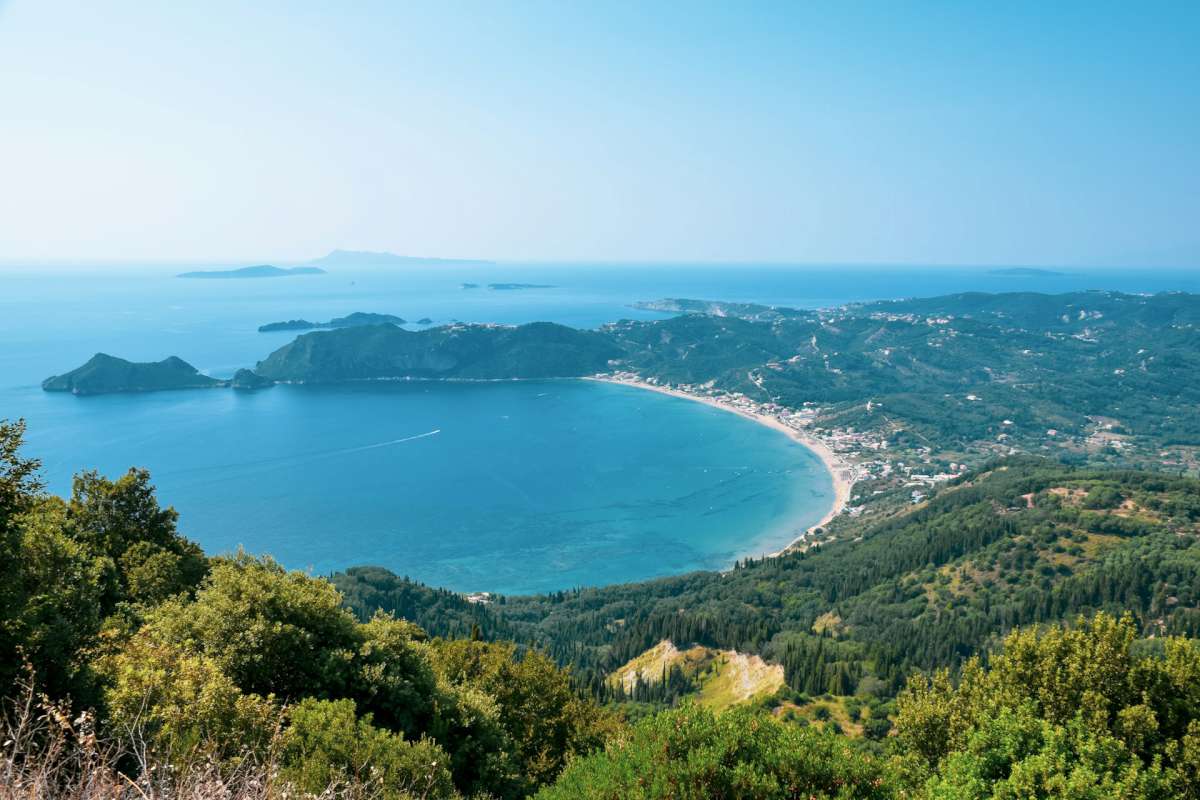
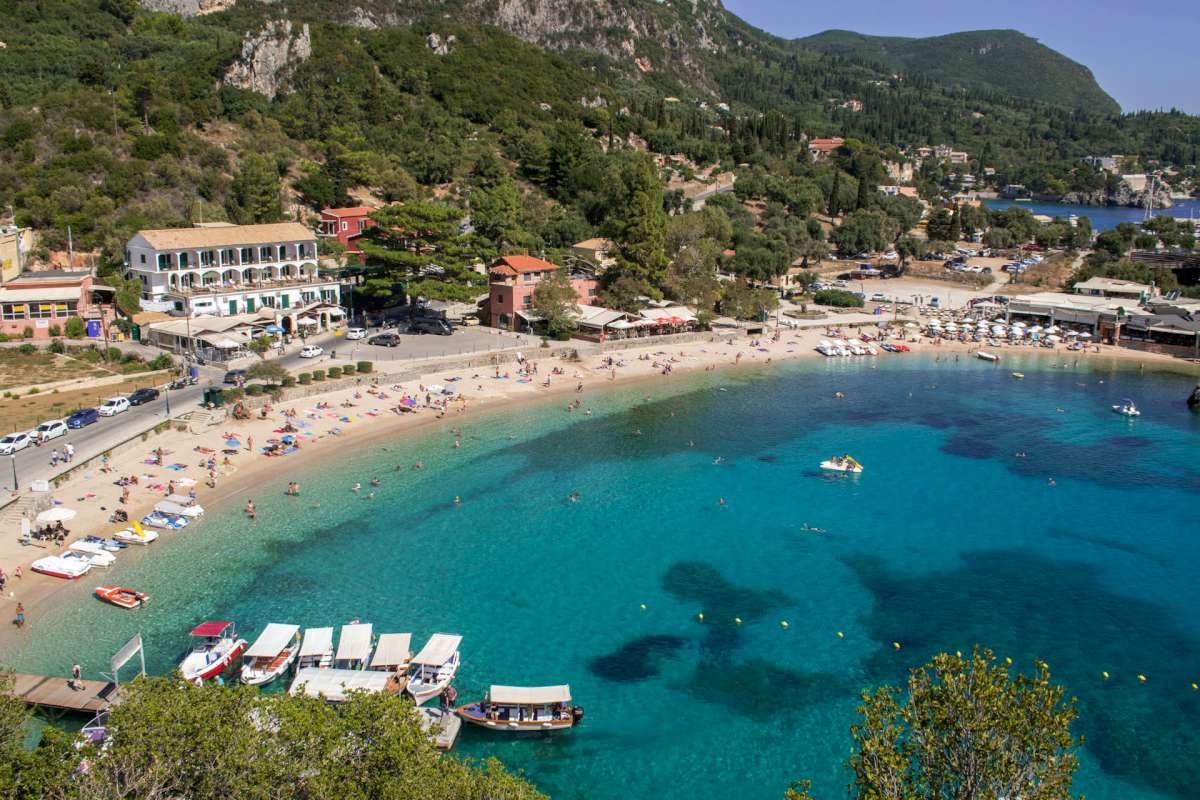
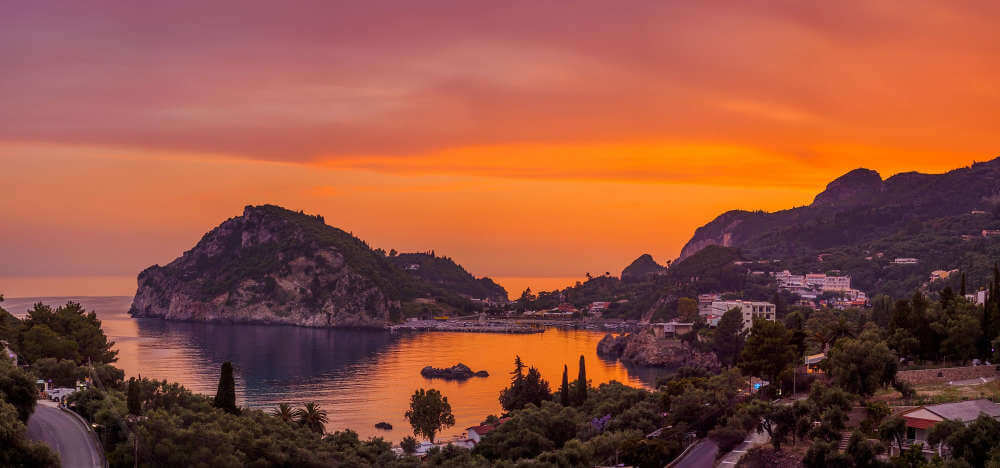
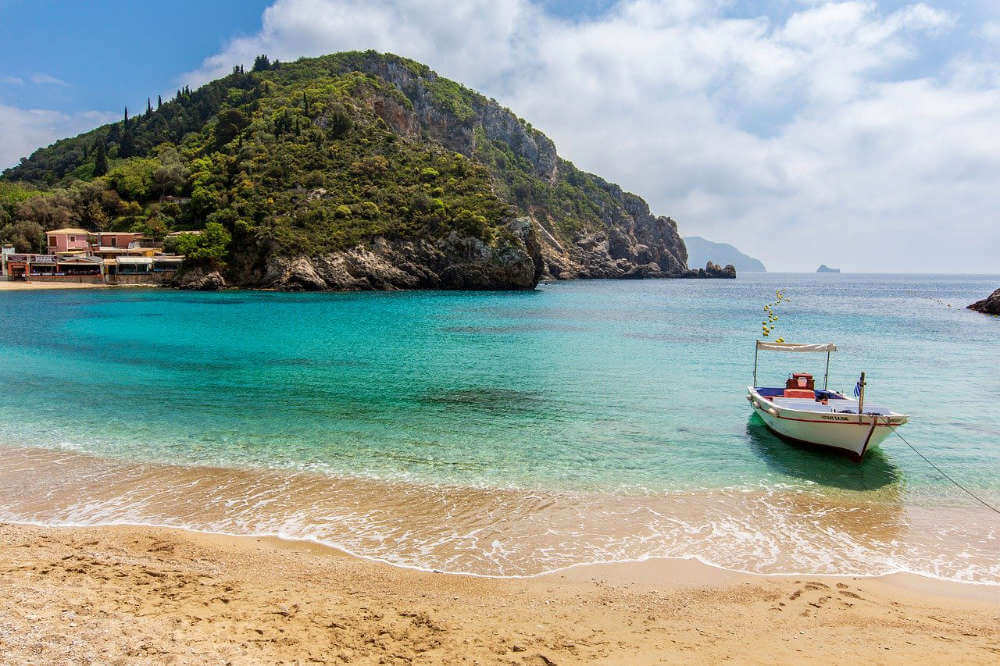
On the northwest coast of Corfu, the bay and monastery of Paleokastritsa — a series of six coves of extraordinary turquoise water surrounded by the pine and olive covered hills of the island’s interior, with a 13th-century Byzantine monastery perched on the headland above — is the most famous and most completely beautiful coastal destination on the island. The clarity and the colour of the water at Paleokastritsa is among the finest in the Ionian Sea, and the combination of the natural beauty of the coves, the historical interest of the monastery, and the extraordinary quality of the snorkelling and boat exploration of the sea caves in the surrounding headlands makes it the most complete single coastal destination on the island.
Corfu’s Villages and the Olive Groves
The interior of Corfu — the olive-covered hills and valleys of the island’s central and southern landscape, traversed by the Venetian-era mule paths and the British-built roads in a landscape of extraordinary agricultural beauty — is the island at its most genuinely and most quietly beautiful. The villages of the interior — Pelekas, Sinarades, Agios Mattheos, Lakones — preserve a quality of traditional Ionian village life of great warmth and great architectural character, their stone houses and campanile churches composing townscapes of the greatest regional distinctiveness and the most complete historical authenticity.
Why Choose Corfu
Corfu is the island for those who want the Ionian archipelago at its most historically complete and its most naturally beautiful — the finest Venetian urban heritage in Greece, the most dramatic fortresses in the Ionian, the most extraordinary olive landscape in the Mediterranean, and the finest sailing waters in the eastern Ionian — in a destination of exceptional cultural depth and exceptional natural variety that rewards not a short visit but an extended exploration of genuine generosity and genuine inexhaustibility. It is the most sophisticated and the most culturally rich of all the Ionian islands, and its combination of historical architecture, natural landscape, excellent food, and the particular warm, green, luminous quality of the northern Ionian light makes it one of the most completely satisfying island destinations in the entire Greek world.