Why Zakynthos
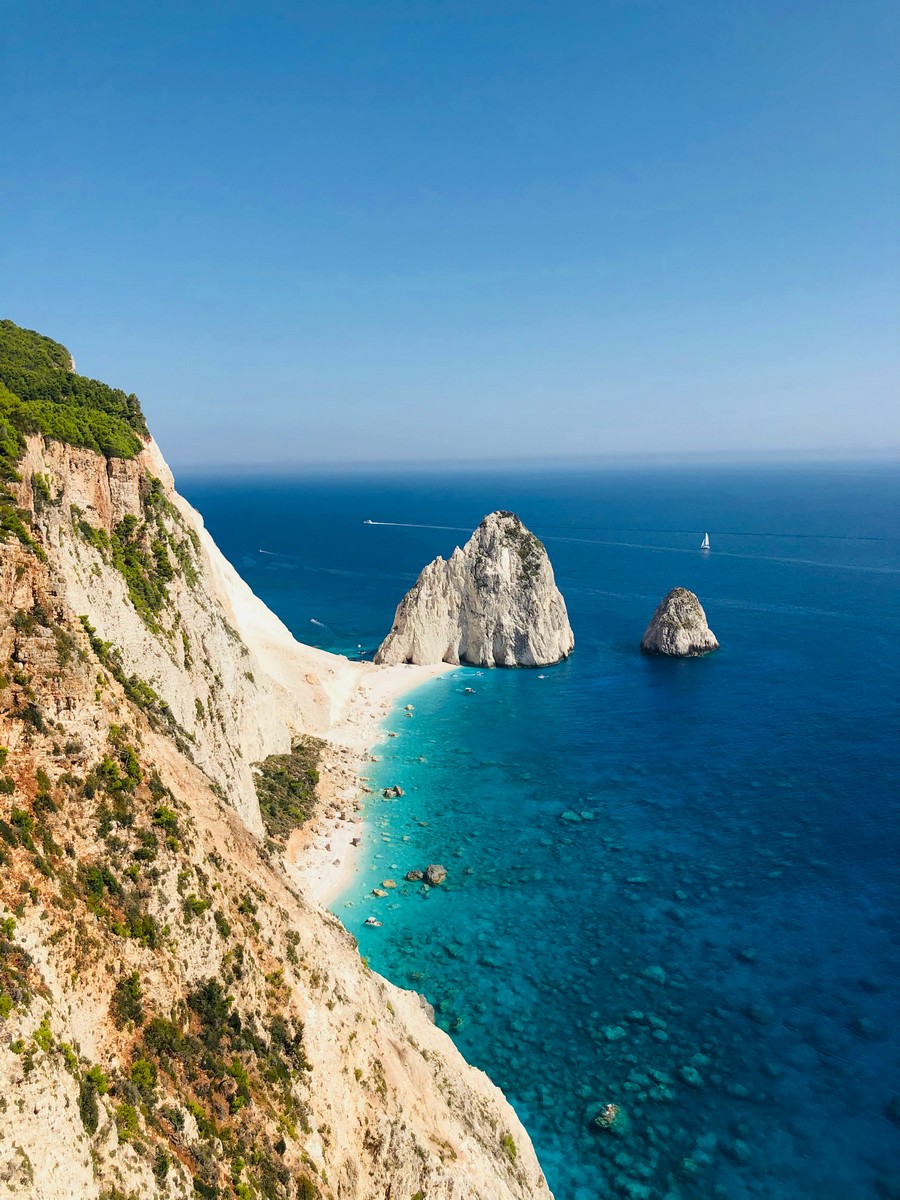
There are islands that have earned their epithets — names given in moments of genuine, unreserved admiration by those who first encountered them with the full force of their natural beauty, who found in the landscape before them a quality of lush, extraordinarily varied, extraordinarily beautiful natural richness that seemed, in the context of a Greek island world primarily of arid limestone and bare Cycladic rock, entirely exotic, entirely unexpected, and entirely overwhelming. Zakynthos — the southernmost of the main Ionian islands, known since the Venetian period as Fior di Levante, the Flower of the Orient — was named for a quality that its landscape still communicates with complete authority: a lushness of vegetation, a richness of natural colour, a variety of landscape from the dramatic white cliffs of the north to the olive-covered plains of the interior to the long sandy beaches of the south and east that gives it a natural variety and a natural generosity entirely characteristic of the finest Ionian island experience and entirely characteristic of an island that has always understood that its greatest distinction is the extraordinary quality and the extraordinary variety of what it naturally is.
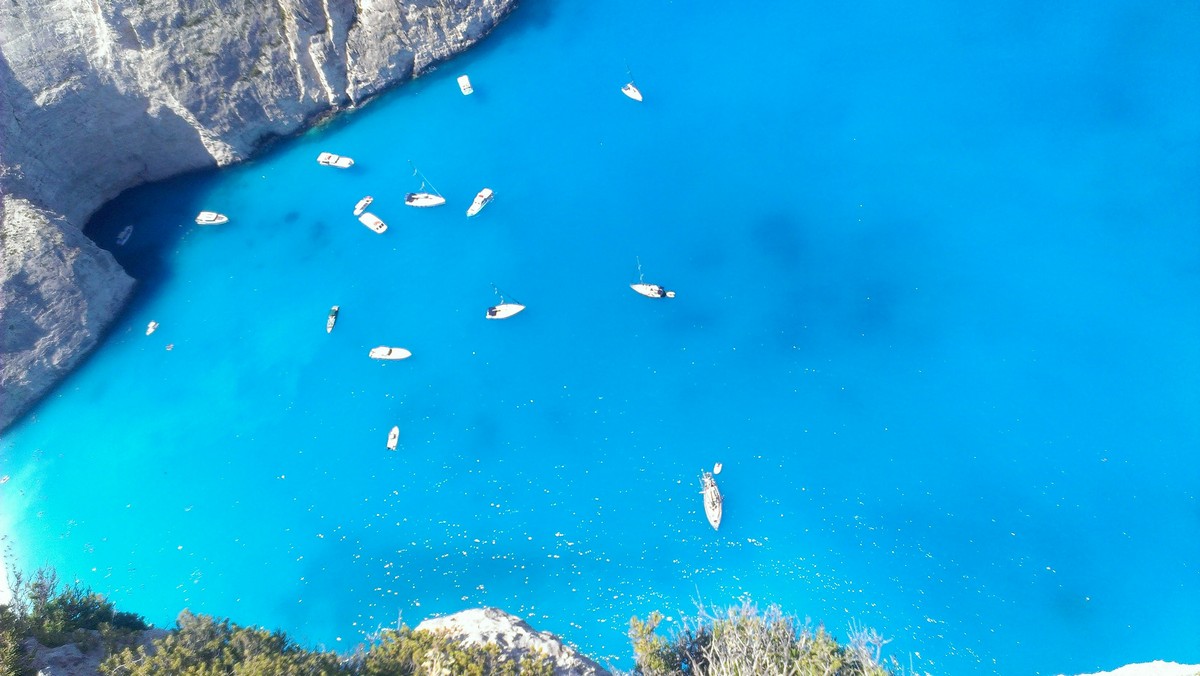
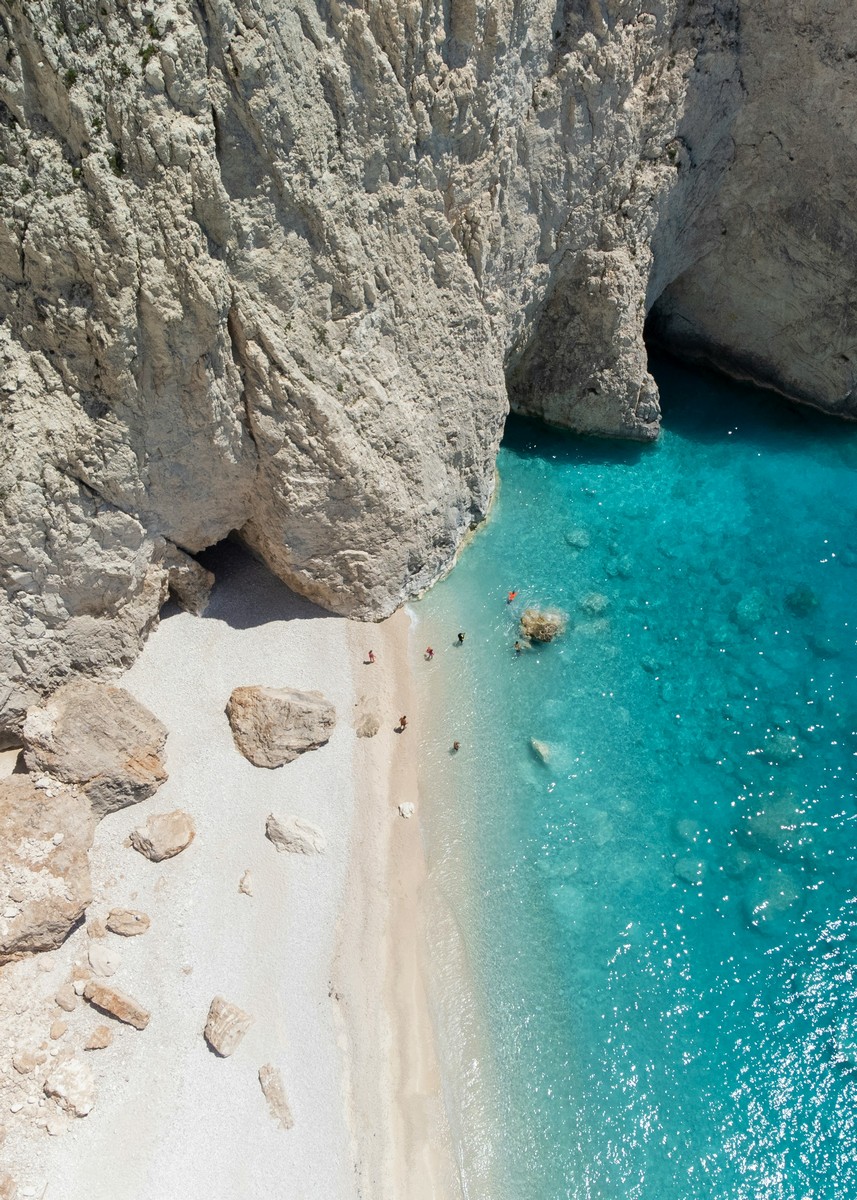
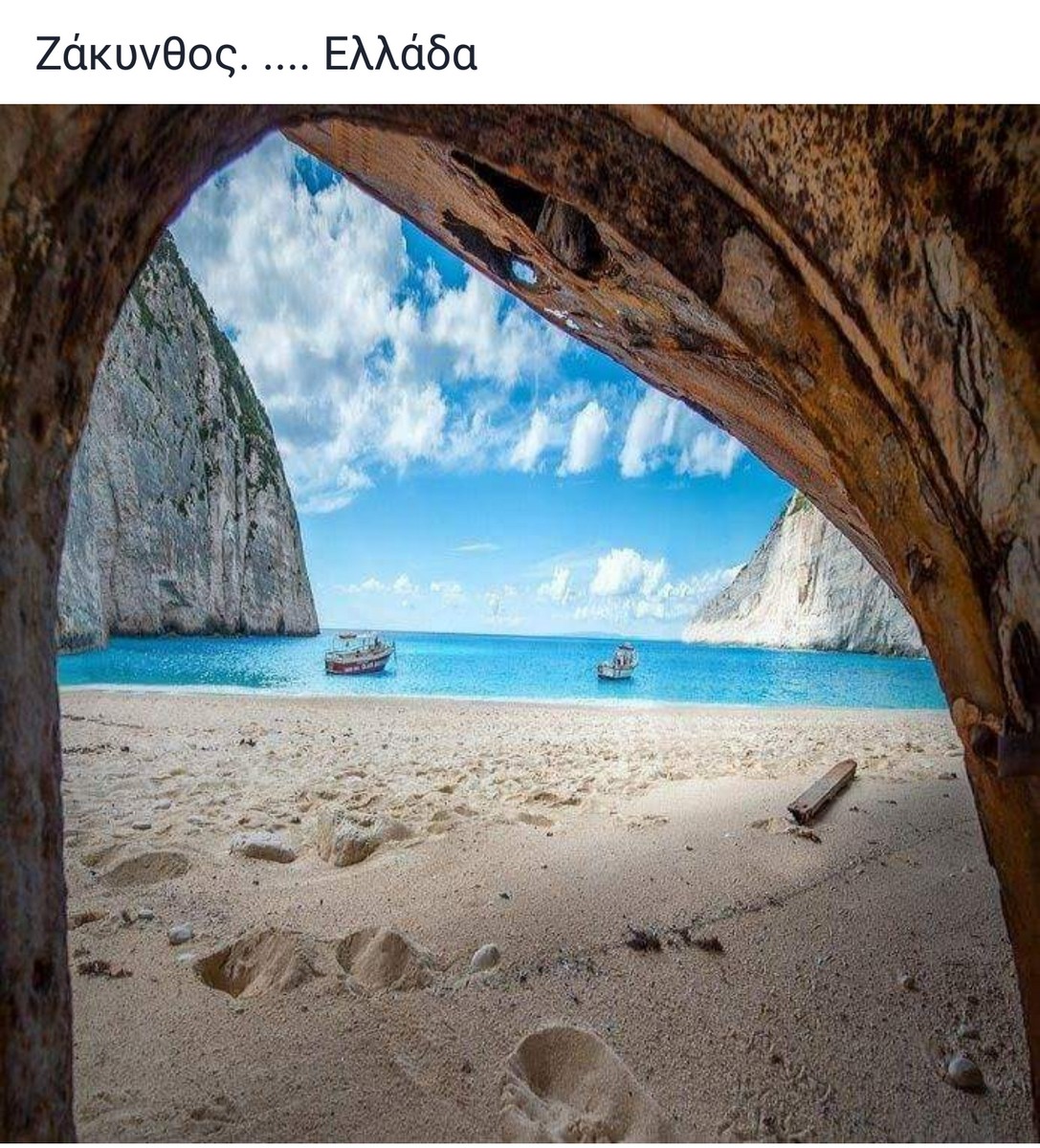
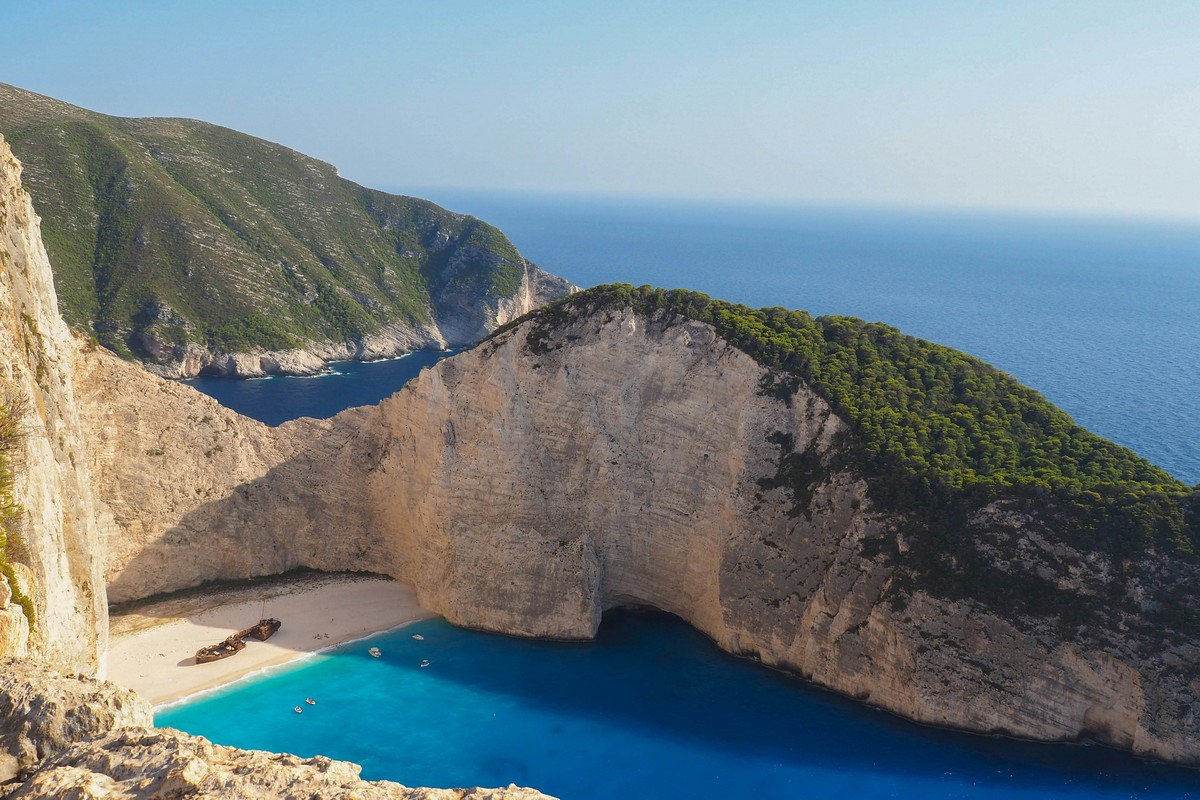
The island’s most famous natural feature — the Shipwreck Beach, or Navagio, on the northwestern coast — is one of the most completely iconic and most completely beautiful single beach images in the entire Mediterranean: a small cove of brilliant white pebble enclosed by sheer white limestone cliffs of 200 metres, its turquoise water of extraordinary clarity, and the rusted hull of the MV Panagiotis — a ship that ran aground here in 1980 during a smuggling operation — visible on the beach below the cliffs in a composition of such complete and such entirely accidental natural and human beauty that it has become, in the imagery of the Greek islands, as immediately recognisable and as universally beloved as the caldera of Santorini or the blue domes of Oia. Navagio is accessible only by boat from the port of Zakynthos or from the village of Porto Vromi, and the experience of arriving at it by sea — the cliffs visible from a great distance, the cove revealed gradually as the boat rounds the last headland, and then the full composition of cliffs and wreck and turquoise water opening before you — is one of the most completely memorable and most completely overwhelming natural experiences available on any Greek island.
The island’s secondary natural distinction — equally extraordinary and of considerably greater ecological significance — is its role as the most important nesting site in the Mediterranean for the loggerhead sea turtle, Caretta caretta. The long sandy beaches of the Bay of Laganas on the southern coast — Laganas, Kalamaki, and Gerakas — are the primary nesting beaches of the loggerhead turtle in the entire Mediterranean, and the Zakynthos Marine National Park, established in 1999 to protect the nesting beaches and the marine habitat of the surrounding waters, is the most important sea turtle conservation area in Europe. The experience of watching a loggerhead turtle nesting or emerging from the water on the Laganas beaches on a summer night — or encountering the turtles in the water from a respectful distance during a boat trip in the bay — is one of the most completely extraordinary and most completely moving wildlife experiences available on any Greek island, and one of the most powerful demonstrations of the fragility and the value of the natural world that the Ionian islands have to offer.
What to Do and What to See
Navagio — Shipwreck Beach
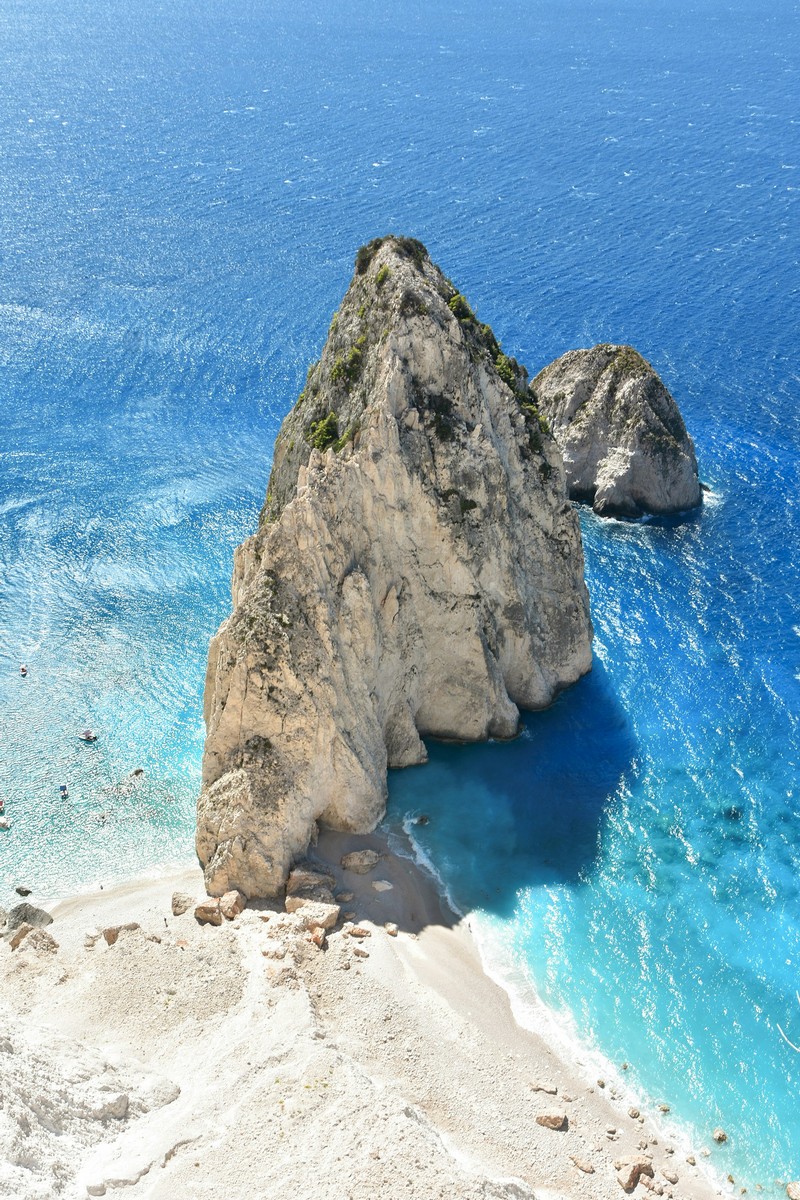
On the northwestern coast of Zakynthos, accessible only by boat from the port of Zakynthos or from Porto Vromi, the Navagio — Shipwreck Beach — is the island’s supreme natural attraction and one of the most iconic beach destinations in the world. The cove of brilliant white pebble, enclosed by sheer white limestone cliffs of 200 metres and containing the rusted hull of the MV Panagiotis, is accessible in calm conditions by any boat and by the viewing platform on the cliff above for those who prefer the aerial perspective. The combination of the cliffs, the wreck, the turquoise water, and the extraordinary clarity of the light in this exposed northwestern coastal setting creates a natural and human composition of such complete and such overwhelming beauty that no return visits diminish it and no photograph adequately captures it.
The Blue Caves
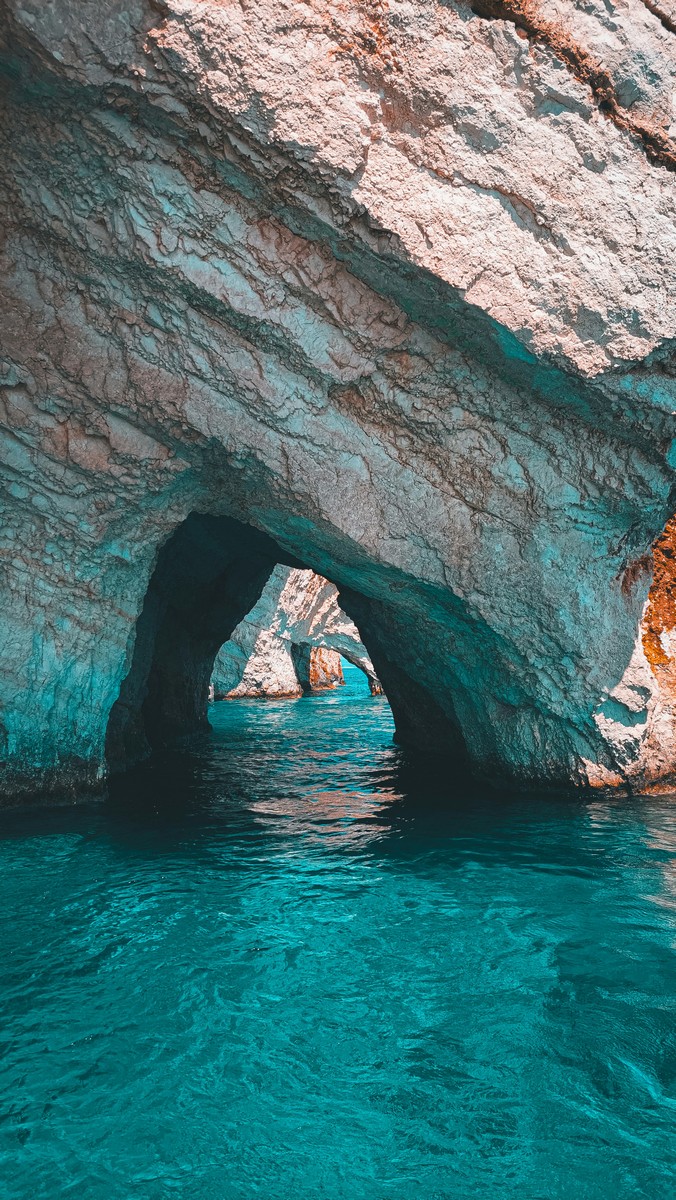
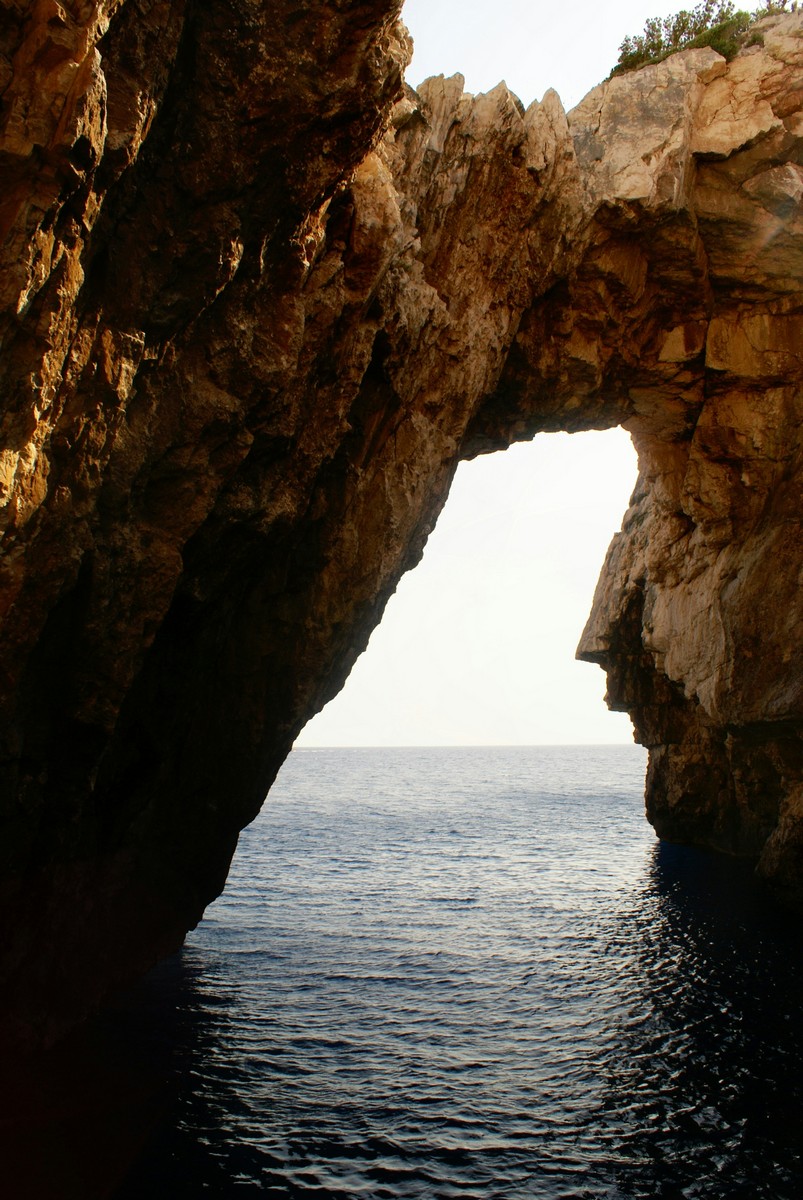
On the northeastern coast of Zakynthos, below the lighthouse at Cape Skinari, the Blue Caves are a series of sea caves carved into the limestone of the island’s northern tip whose extraordinary blue illumination — produced by the reflection of the sunlight from the white sand of the cave floor through the turquoise water — creates a quality of natural colour of the most intense and most completely improbable beauty. Accessible by small boat or by the excursion boats that run from Agios Nikolaos harbour on the northeastern coast, the Blue Caves provide a boat excursion of great natural drama and great visual reward, their illuminated interiors one of the most memorable and most completely beautiful natural features of the northern Zakynthos coastline.
Zakynthos Town
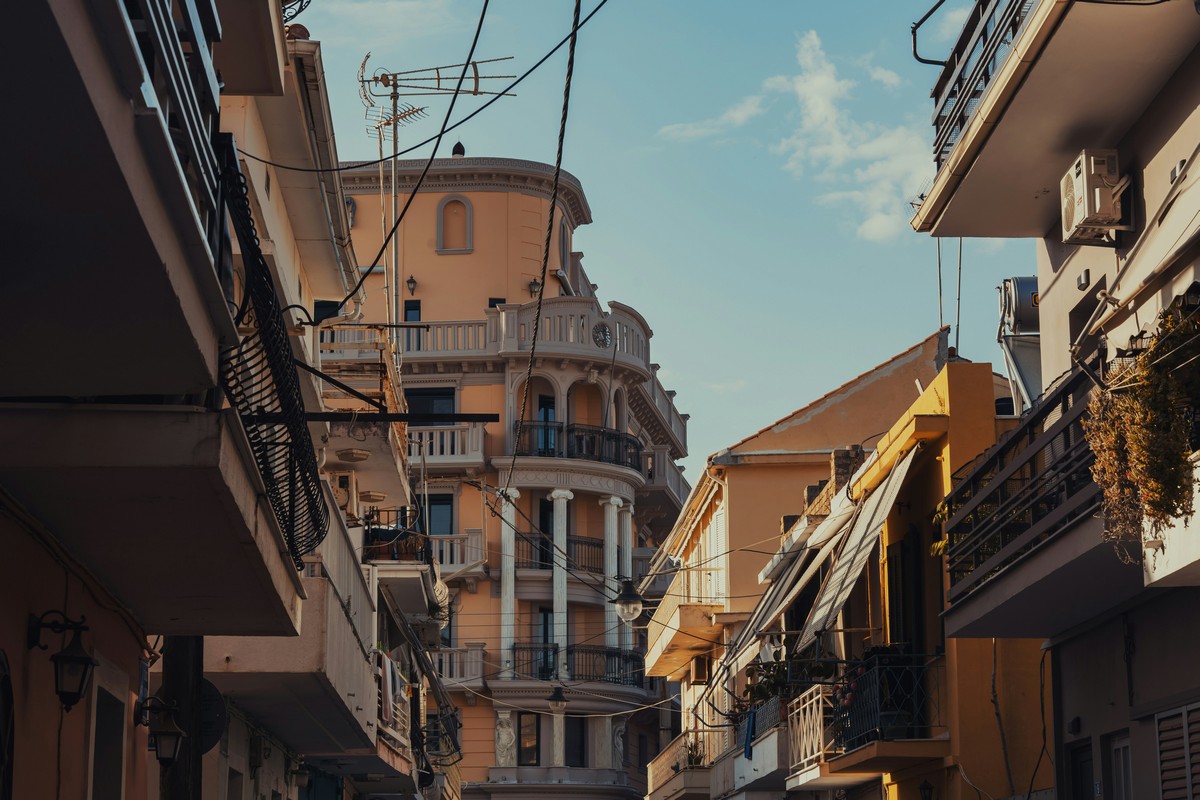
The capital of the island — Zakynthos Town, also known as Zante — was rebuilt after the devastating earthquake of 1953 in a neo-baroque style of considerable architectural ambition that gives it a townscape of great formal elegance and great civic dignity, its wide boulevards and arcaded streets and the magnificent Church of Agios Dionysios — the island’s patron saint, its campanile the most recognisable landmark in the town — composing a capital of unusual beauty and unusual historical pride. The Byzantine Museum of Zakynthos, in the central square, houses an extraordinary collection of post-Byzantine Ionian icons and ecclesiastical art rescued from the churches destroyed in the 1953 earthquake — one of the finest collections of its kind in Greece.
The Loggerhead Turtle and Laganas Bay
The Bay of Laganas on the southern coast of Zakynthos is the most important loggerhead sea turtle nesting area in the Mediterranean — a protected marine national park of great ecological significance, its long sandy beaches the primary nesting site of Caretta caretta in Europe and its waters among the most important marine turtle habitats in the world. Responsible boat tours from the Laganas port offer the opportunity to see loggerhead turtles in their natural habitat — swimming in the bay, basking at the surface, or in the summer nesting season emerging onto the beaches at night — in conditions of carefully managed wildlife observation that allow the encounter without disturbing the animals or the nesting process. The loggerhead turtle experience at Zakynthos is one of the most completely extraordinary and most permanently memorable wildlife encounters available on any Greek island.
The Beaches — East and South Coast
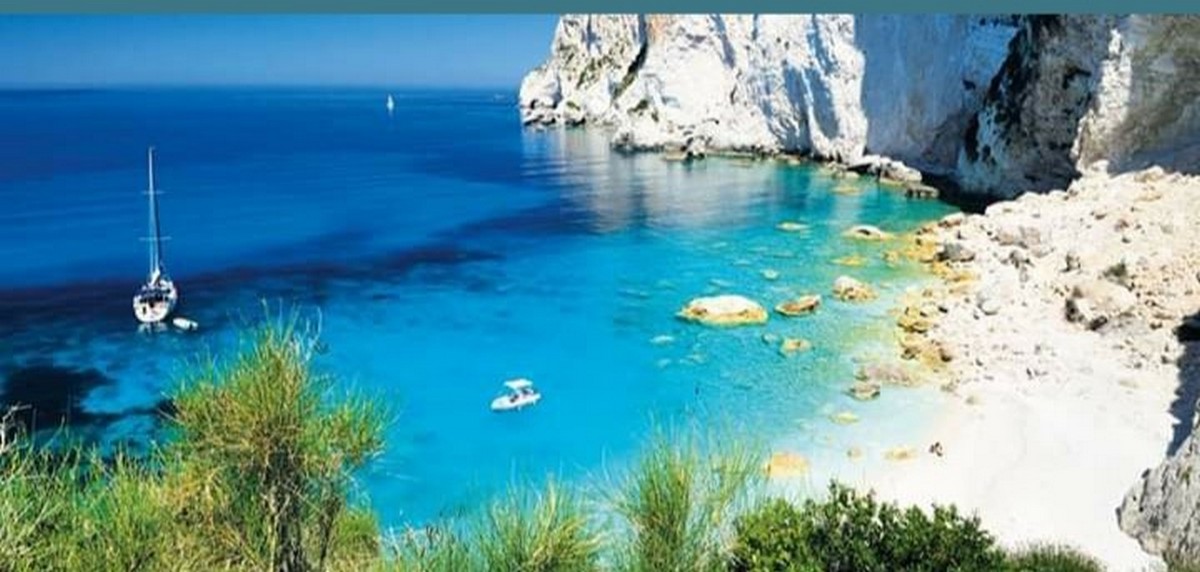
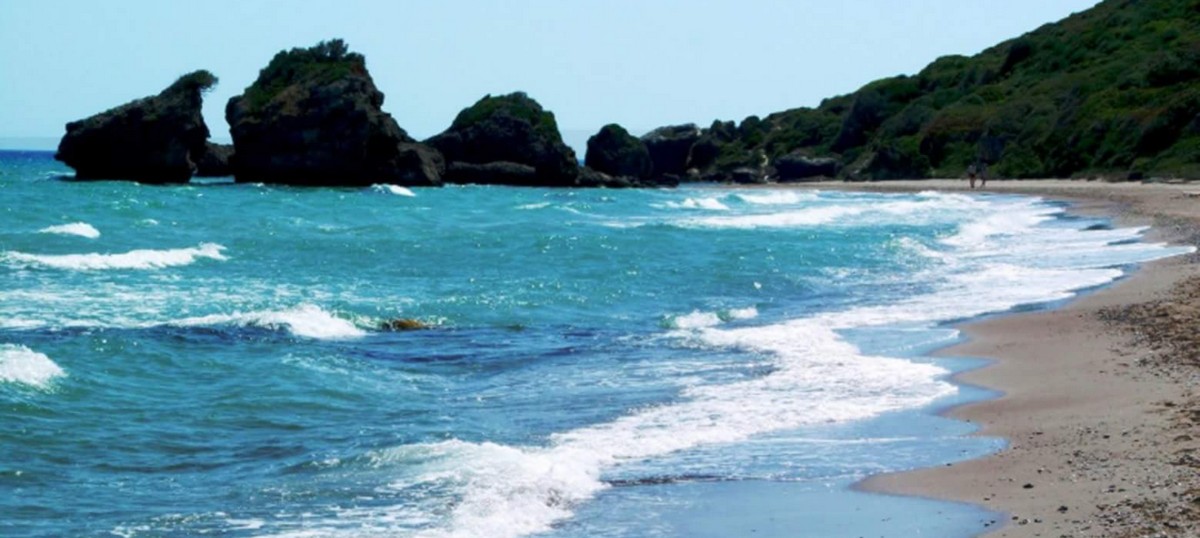
Beyond Navagio and the northern cliffs, Zakynthos has extensive beaches of great natural quality distributed around its more accessible eastern and southern coasts. Gerakas, on the southeastern peninsula, is both a loggerhead turtle nesting beach of great ecological importance and one of the finest swimming beaches on the island — its long, pale sand and calm, clear water of excellent natural quality, its protected status ensuring a degree of natural quiet. Banana Beach and Agios Nikolaos on the eastern coast are more accessible and more animated. And Alykanas and Alykes on the northern coast, with their shallow, warm water and good sand, are among the finest family beach destinations on the island.
Why Choose Zakynthos
Zakynthos is the island for every traveller who wants the Ionian at its most dramatically beautiful, its most ecologically extraordinary, and its most naturally varied — who wants Navagio beach and the Blue Caves and the loggerhead turtles and the lush green hills of the interior and the excellent beaches of the eastern coast in a single island of exceptional natural variety and exceptional natural quality. It is for those who want the most iconic single beach image in the Mediterranean.